You want your chickens cozy in winter and cool in summer—and insulation makes that possible. When you insulate a chicken coop, you create a stable, comfortable space that protects your flock from harsh weather and stress. Proper insulation helps maintain warmth during freezing months and blocks excess heat when temperatures rise. By insulating the walls, roof, and floor, you reduce the risk of frostbite and sudden temperature changes. Managing moisture is just as important, since damp conditions can lead to illness and poor egg production. The good news is that insulation does not have to be complicated. With a few simple steps, anyone can create a safer, healthier coop that supports happy chickens and steady egg laying all year long.
What It Really Means to Insulate a Chicken Coop
Before looking into organizing materials or methods, it helps to think about the concept of insulation. Insulation is typically associated with residential buildings, but the same basic concepts apply to poultry housing. Poultry insulation is not as straightforward as it may seem, which is why many people do not get it. Keeping a poultry house comfortable for the birds requires insulation to house and store heat energy. Temperature is one of the primary triggers of poultry stress, and maintaining an even, comfortable temperature is one of the most basic principles of poultry housing. It helps to keep this concept in mind as we explain insulation in simple terms.
Understanding the Purpose of Chicken Coop Insulation
To insulate a chicken coop means to add materials to the coop so that it blocks outside heat in the summer and helps hold in heat in the winter months. These materials help to keep the coop warm in the winter and cool in the summer. Proper insulation is important to help keep the chickens in the coop in great condition and is important for insulating the coop in the winter, as freezing temperatures and air can lower the temperature of the coop quickly.
Insulation is important for the protection of the chickens from outside weather. It is important to learn how to keep chickens warm in a cold climate to understand how vital proper insulation is. Excellent insulation helps to prevent drafts, moisture, and eliminates swings in temperature.
When Is the Right Time to Insulate a Chicken Coop?
Timing plays a big role in how effective insulation will be. Planning ahead helps you avoid last-minute stress and keeps your chickens comfortable before extreme weather hits. Whether you deal with harsh winters or intense summer heat, insulating at the right moment makes the process smoother and more effective. This section explains the best timing and the clear signs that tell you action is needed.
Best Time of Year to Add Insulation
The ideal time to add insulation to a chicken coop is before the weather starts getting uncomfortable. For your colder climates, late summers and early falls are the best time as the materials will be easier to install without freezing. This is especially helpful to maintain the comfort of your chickens during the winter months, as it will block any unexpected heat loss. For the spring months and warmer climates, it is best to install insulation to keep the heat away from the coop before the summer months approach. Thoughtful planning also aids in winter-proofing the chicken coop, and gives time to close off any openings, adjust the ventilation, and make the best choices for materials without being in a hurry to do so.
Clear Signs Your Chicken Coop Needs Insulation
Sometimes your coop tells you it needs help through visible signs. Paying attention early can prevent health problems and stress in your flock. Common signs include:
- Chickens huddling tightly together at night
- Frost forming on inner walls or windows
- Eggs freezing or cracking in nesting boxes
- A damp smell or constant moisture inside
- Reduced egg laying or restless behavior
These issues often mean heat is escaping, or moisture is building up. Addressing them early can also reveal cheap ways to insulate a chicken coop, helping you improve comfort without major expense while keeping your chickens healthy year-round.
Benefits of Insulating a Chicken Coop
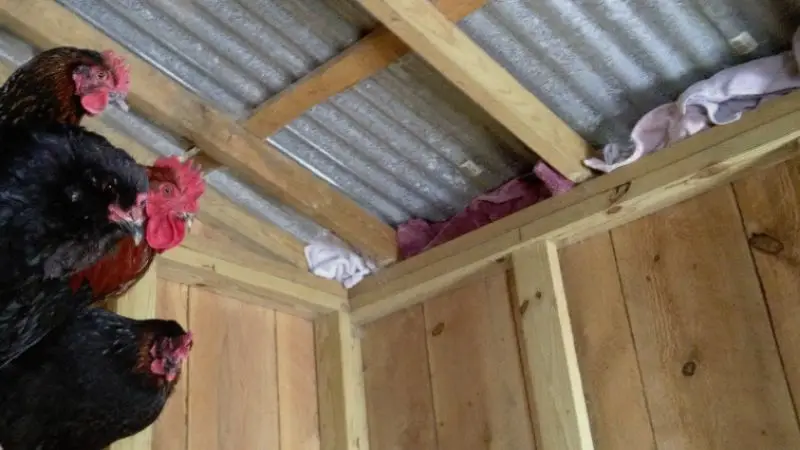
Chickens require comfort beyond just shelter. The way that owners control temperature, moisture, and drafts can impact the health of their chickens. Insulating a chicken coop can improve the conditions to help the flock. The major benefits are listed below.
Steady and Comfortable Temperature
Insulation helps maintain a balanced temperature inside the coop through every season. During winter, it traps body heat produced by the chickens and reduces heat loss through walls and roofs. In summer, insulation slows down heat from entering the coop. This steady environment is especially important for people learning how to keep chickens warm in a cold climate. When temperatures stay stable, chickens experience less stress, sleep better, and remain more active. A well-insulated coop also makes seasonal changes easier on your flock, supporting effective winter-proofing a chicken coop without sudden temperature shocks.
Improved Egg Production Throughout the Year
Chickens prefer laying eggs in secure and comfortable settings. Hens, due to cold stress, can slow down or completely stop laying. Insulation keeps the coop warm in the winter and cool in the summer heat waves. With a consistent temperature, energy gets diverted to egg production instead of staying warm. Even basic and inexpensive ways to insulate a chicken coop help. Egg production is less likely to fluctuate in the winter when insulation is combined with adequate light and ventilation.
Reduced Risk of Frostbite and Cold Stress
Frostbite is a common winter problem that affects combs, wattles, and feet. Insulation adds a protective barrier that blocks freezing drafts and reduces exposure to extreme cold. By lining walls and roofs with materials such as foam board insulation for chicken coop projects, you increase thermal resistance and create a safer space. This protection is essential in harsh climates, where cold air can quickly harm unprotected birds. A properly insulated coop helps chickens stay warm without relying heavily on artificial heat sources.
Healthier Chickens and Lower Illness Risk
Molds, bacteria, and other respiratory problems are a result of the increased moisture in the coop. Insulation is a means to help with this by controlling frosty surfaces that are freezing with warm air. A coop of insulation has a drier, healthier environment and is created by freezing surfaces, stronger and healthier moisture levels, and stronger immune levels. Healthier air means less illness, less stress, and a healthier environment
Long-Term Savings and Coop Protection
Insulation not only benefits chickens but also protects the coop itself. By reducing temperature extremes, wood and building materials experience less expansion and contraction. This helps prevent cracks, warping, and long-term damage. If you use supplemental heating, insulation keeps warmth inside longer, lowering energy use and costs. Over time, this makes insulation one of the smartest upgrades you can make. Whether using premium materials or budget-friendly options, insulating properly extends the life of your coop while keeping your flock safe and productive.
Best Materials to Insulate a Chicken Coop
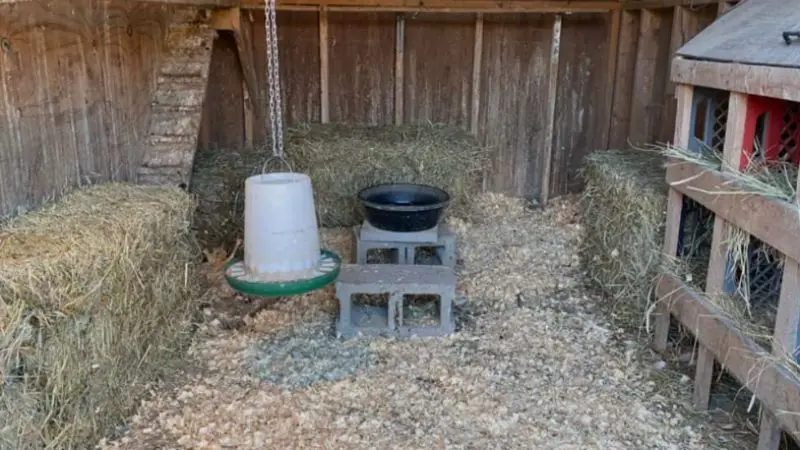
Using the best materials to insulate a chicken coop greatly increases the comfort and health of the chickens. Insulation materials must prevent cold drafts, reduce heat loss, and control moisture, and even harm your flock in the process. Using the right materials, insulation of a chicken coop can also help control clean airflow and moisture, whether your budget is tight or you want long-lasting materials.
Budget-Friendly Insulation Materials for Chicken Coops
Improving the coziness of a space does not have to be overly expensive. Insulating a chicken coop does not need expensive materials. Insulation materials are easily available for low cost, and are easily replaceable. Walls can be packed with straw or hay to reduce the heat loss and to add extra warmth. Along the interior walls, sheets of cardboard can be used to help stop drafts and provide an extra barrier to the cold air. Walls can have old blankets or towels, which can be secured to the walls to trap heat in the winter. These options are dry and regularly checked to be the best options to winterize a chicken coop.
Some inexpensive options are:
- Hay or straw packed between wall layers
- Cardboard-lined walls
- Attached recycled blankets or towels
Safe Commercial Insulation Options
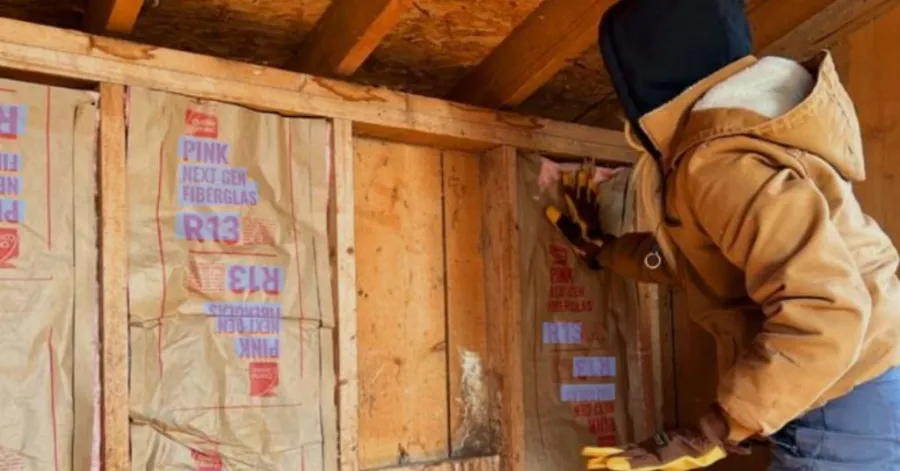
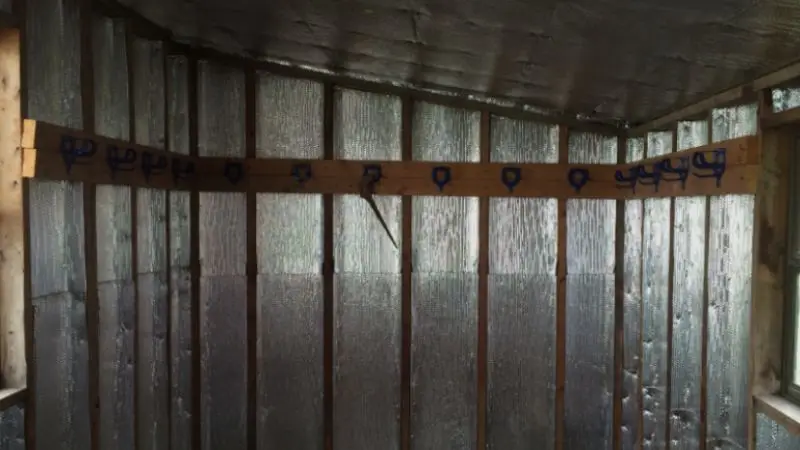
If you’re looking for a more sturdy option, insulation of commercial grade will give you better results and a longer lifespan. A common choice for chicken coop insulation is foam board. It is lightweight, easy to cut, and offers good thermal resistance, as long as it’s covered. Rigid fiberglass panels also hold heat pretty well, but they have to be sealed behind solid walls to ensure the chickens can’t access the fiberglass. For especially hot summer months, reflective foil insulation is a good choice. It also works well in areas that are hot for a long period of time. These materials are helpful for your chicken coop insulation needs.
Safe choices for store-bought insulation include:
- Rigid fiberglass insulation is fully enclosed
- Reflective foil for heat control in warm seasons
- Foam board panels covered with plywood
Insulation Materials to Avoid in Chicken Coops
Not all insulation products are safe for poultry environments. Spray foam can break apart and be pecked at, creating health risks if ingested. Loose fiberglass releases particles that may irritate skin and lungs. Plastic sheeting traps moisture inside the coop, increasing the risk of mold and respiratory illness. Avoiding these materials helps maintain clean air and supports long-term flock health. Selecting safe insulation is an essential step in properly winter-proofing a chicken coop while protecting both chickens and the structure itself.
By choosing the right mix of materials, you can create a warmer, safer coop that fits your budget and climate while keeping your chickens comfortable year-round.
How to Insulate a Chicken Coop Step by Step
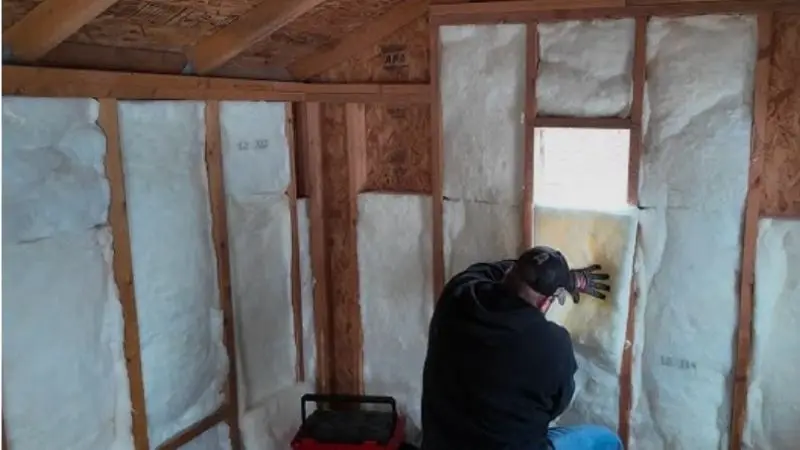
Once you understand the materials and timing, the next step is putting everything together correctly. Insulating a coop does not need special skills, just careful planning and attention to detail. Following a clear process helps you avoid common mistakes and ensures the insulation actually works. This step-by-step approach makes winter-proofing a chicken coop easier and more effective, no matter your experience level.
Step 1 – Seal Drafts and Gaps First
Before taking any further steps and starting to do the insulation, you have to ensure that there is no cold air that can come in from anywhere. Take a walk along the coop, look around, and inspect the walls, the corners, the doors, and the frames of the windows. Losing heat and making the insulation worthless can be caused by small gaps. Caulk works well to seal the gaps because it is weatherproof, and wood patches or strong tape can fix the bigger ones. Problem areas are the edges of the doors and the seams of the windows, so be sure to tackle those. Drafts are the foundation of temperature control and moisture reduction in a coop that could otherwise be detrimental to the birds, so knowing how to insulate a chicken coop hinges on the control of drafts.
Step 2 – Insulate the Chicken Coop Walls
After sealing gaps, focus on insulating the walls. This is where most heat is lost during colder months. Attach materials such as cardboard, blankets, or foam board insulation to the interior surfaces of the chicken coop walls. Make sure the insulation fits snugly and covers as much area as possible. If you use commercial insulation, always cover it with plywood or solid panels to protect chickens from pecking. Proper wall insulation helps control temperature changes and supports those learning how to keep chickens warm in a cold climate by creating a protective barrier against cold air and wind.
Step 3 – Insulate the Roof and Ceiling Area
The roof is also important to insulate because warm air rises. In the winter, uninsulated roofs are a major source of heat loss, and in the summer, uninsulated roofs can cause overheating. Use board foam or reflective insulation to slow the transfer of heat. Ensure all insulation is fully sealed to cover in the interest of safety. The roof is also important for improving balance in airflow. This is important for consolidating temperatures, especially when the outside temperatures are fluctuating a lot or there is heavy snowfall. This is how chickens can keep warm in the winter and summer.
Step 4 – Insulate the Floor and Bedding Layer
The floor is often overlooked, but cold ground can quickly chill a coop. Start by using thick bedding such as straw or wood shavings to add warmth and absorb moisture. If the coop is raised, installing insulation beneath the floorboards can make a big difference. This is one of the cheap ways to insulate a chicken coop that also improves comfort. A well-insulated floor helps keep chickens’ feet warm, reduces dampness, and supports overall flock health throughout the colder months.
By following these steps carefully, you create a safe, stable environment that keeps your chickens comfortable, healthy, and productive in every season.
How to Insulate a Chicken Coop Without Losing Ventilation
When insulating a chicken coop, many people worry that they will seal off air flow. From the right perspective, insulation and ventilation can actually work simultaneously. Moisture, heat, and ammonia are all products of chickens that need to be evacuated. With the right techniques, insulating a chicken coop and allowing air to flow and be exchanged can be done, and will make the coop a comfortable, dry, and odor-free place.
Why Ventilation Matters in an Insulated Chicken Coop
Ventilation is essential for chicken health, especially once insulation is added. Fresh air removes moisture from breathing, droppings, and bedding, which helps prevent mold and respiratory problems. Without airflow, even a well-insulated coop can become damp and unhealthy. Proper ventilation also plays a role in how to keep chickens warm in a cold climate because dry air feels warmer than moist air. In summer, ventilation allows trapped heat to escape, keeping the coop cooler. When insulation and airflow are balanced, winter-proofing a chicken coop becomes more effective and much safer for your flock.
Where and How to Place Vents Properly
The position of vents is almost as important as the vents themselves. Keep openings high on the vent walls, near the top of the coop. Warm, moist air tends to rise, and placing vents near the top helps avoid cold drafts coming from the vents down onto the chickens. Cross-venting is a good approach to avoid sudden drafts, especially when vents are covered with predator-proof hardware mesh. Vents that can be closed are a great option with the insulating foamboard chicken coop.
Some important ventilation tips to consider are:
Some important ventilation tips to consider are:
- Place vents above the height of the roosts, never at chicken level.
- Use wire mesh and hardware cloth.
- Wider openings for ventilation in the summer and less airflow in the winter.
When insulation and ventilation work together, your coop becomes dry and comfortable. This combination protects your chickens’ health and supports long-term success, even with cheap ways to insulate a chicken coop while still having good airflow.
Wrap Up
Insulating your coop is one of the smartest steps you can take for your flock’s comfort and health. When you insulate a chicken coop, you protect chickens from harsh cold, summer heat, moisture, and stress. With the right materials, proper sealing, and balanced ventilation, insulation supports steady temperatures and cleaner air. It also plays a big role in keeping chickens warm in a cold climate without relying too much on heaters. From budget-friendly options to foam board insulation for chicken coop walls, every effort counts. Thoughtful winter-proofing a chicken coop keeps chickens healthy, productive, and comfortable all year long.
FAQ
What is the ideal insulation thickness for roofing and walls in a chicken coop?
If you live in a region where the temperature drops significantly, insulation should be higher than 1 inch. Just be sure that the insulation is not exposed so the chickens can chew on it. (which they will!).
Can I use old clothes or fabric scraps as insulation?
Yes, old clothes and fabric patches can be used as insulation as long as they are kept clean and dry. Wet fabric can mold and infect your chickens with a disease.
Do I need to insulate a chicken coop in warm climates?
Yes. Insulation keeps the coop cooler and helps chickens avoid heat stress. Insulation is always helpful, regardless of the temperature.
How often should I check my coop’s insulation?
Every season, you should inspect the coop for moisture, mold, or wear and replace anything that has that damage.
Will insulation attract pests or rodents?
If insulation is not properly sealed, gaps will attract pests. Cover gaps with hardware cloth and keep the coop clean to keep pests away.