A good mechanic must have the talent and love of engine repair. It needs education , knowledge of tools like socket organiser, and in-depth training with precision to work in the competitive automotive field.
If you are thinking about a career in automotive repair, you are on the right track. Becoming an automotive mechanic is a rewarding and hands-on career path with many opportunities for growth in the coming years.
If you enjoy working with automobiles and machines, learning how to become a mechanic can lead to a stable and growing career for you. This article is about how mechanics are in high demand in the coming years and how you can be a good mechanic in easy, practical steps. Let’s explore!
What is the role of a mechanic?
A mechanic’s job is precision in the inspection, repair, and maintenance of your machinery and vehicles. Their work ensures safety and efficient performance across different types of engines and systems.
- Deal with engines, brakes and electrical components of an automobile
- Routinely service, replace and diagnose faulty parts
- Work with diagnostic software and devices to identify faults
- Follow safety standards and keep servicing records
- Test vehicles after repairing
- Offer guidance and suggestions to car owners about car maintenance and care
Understanding these responsibilities is a basic foundation for how to become a mechanic in the long run.
Skills you need to prosper as a mechanic
There are many skills, but the main skill you need to learn when you want to know how to become a mechanic is strong problem-solving skills to identify the root causes, because logical thinking supports reducing repair time and costs.
Other than these skills, physical endurance, manual ability, and focus also matter. Without good communication, you can not explain repairs and problems to your customers, so it is another basic skill.
These skills help you in learning how to become a mechanic and a pro in this field.
Education alternatives
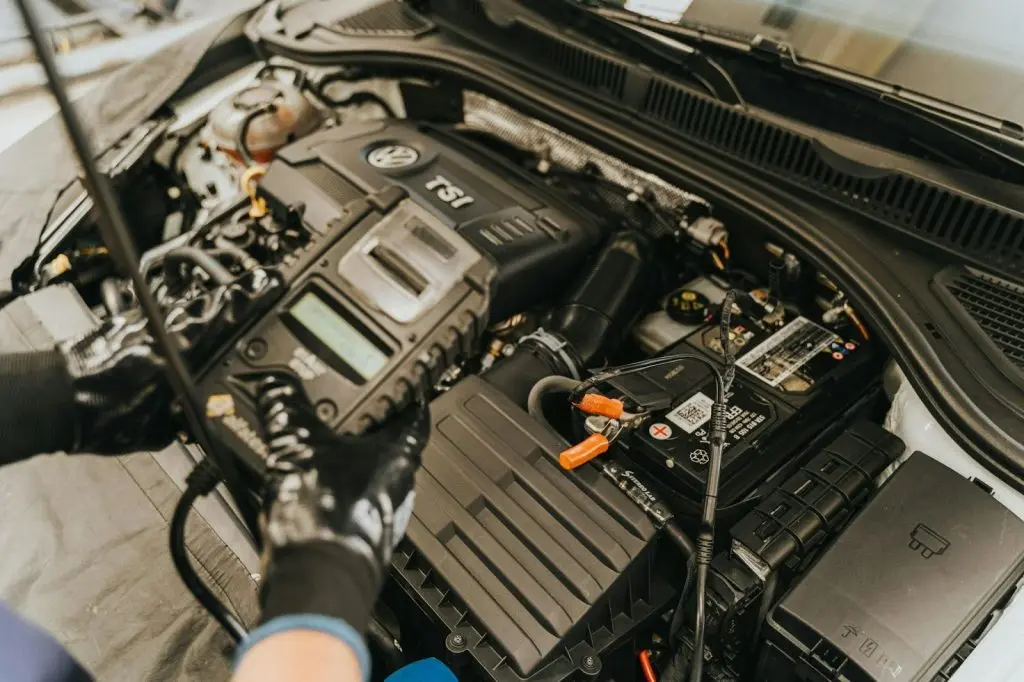
There are various options, starting from school learning to practical training programs when learning how to become a mechanic. Education becomes very important when planning to become a mechanic and stay ahead in today’s competitive world especially when vehicles have become more advanced.
Today, more than 70% of modern vehicle diagnostics depend on computerised OBD(On-Board Diagnostic) systems. It has made the formal technical training more valuable than before. With the right education, you take less time to enter the workforce and increase long-term earnings.
Trainers can begin entry-level mechanic work within 6-12 months after high school. Most of the structured programs provide hands-on shop experience with education that prepares students for the real-world environments immediately.
High school courses to look into
High school years are perfect for basic technical education, so choose subjects like maths, physics, and automotive technology to build a strong foundation in the automotive industry.
Today’s modern diagnosis needs computer studies for deep analysis and rapid technical solutions. These subjects prepare students to know how to become a mechanic immediately after graduation.
Technical electives and shop classes give information about tools, safety methods, and mechanical basics. Students who learn these techniques can get hired fastly.
Vocational programs and trade schools
Trade schools teach you practical skills in a short time. They give special training designed specifically for mechanical careers. These programs basically last from six months to two years, during which students can learn repair, safety skills, and electric repairs.
On average, students complete 800-1500 hours of hands-on training that covers engine repair, diagnostics, electrical components, and braking systems. The cost of tuition vary between $2000 and $15000 depending on the region, institutions value, and length of the program.
After these programs, graduates find jobs immediately after completion. Approximately 70-85% of graduates secure employment within six months of education of which, most entry-level mechanics begin with starting salary of $30000 to $45000 yearly.
This path is ideal for people asking how to train to become a mechanic in a structured and rapid way.
Apprenticeships and on-the-job training
By apprenticeship, you understand paid work with learning, and this path is ideal for you if you want to know how to become a mechanic apprentice while earning. Here, employers can get hands-on experience and work under experienced mechanics. They develop practical skills along with good earnings.
Many people select this path to learn the basics of becoming a mechanical apprentice, which is highly valued by employers.
Certifications and licenses
Practical fields like mechanics or any other field need professional credentials to strengthen your profile when learning how to become a mechanic. The certifications show commitment and competence with dedication. Many employers prioritise these certificates for promoting or hiring experienced mechanics.
The requirements for licensing depend on location, but certification remains an important part of becoming a mechanic in regulated areas.
Understanding ASE certification
ASE certification is necessary for mechanics and is one of the recognised certifications in the automotive industry. By passing different exams and meeting the job requirements, you make your skills more authentic and valued.
You get this qualification after passing exams and gaining work experience. Many employers prefer this and trust ASE-certified mechanics because the credentials confirm that the learning is updated. This step is important if you want to give your career and work in competition.
State licensing requirements
Each country has different rules for licensing; some regions need formal exams or registration, while others hold a licence issued by the government. Some of these may involve written tests or proof of training.
Analyse local rules carefully before applying for jobs.
How to become a mechanic in easy steps
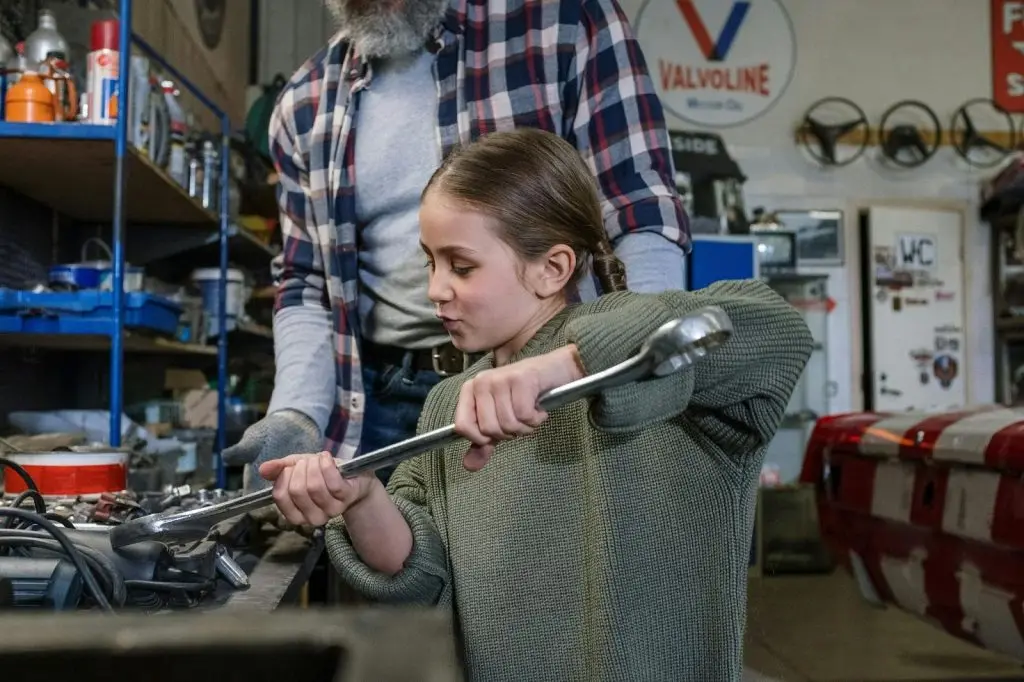
In this section, we will outline how to become a mechanic in a logical way. Each stage is crucial as it builds technical ability and professionalism. Follow these steps to avoid confusion.
Finish basic education
Basic education is a necessity for every job, so complete high school or equivalent qualification and focus on science and technical subjects. A strong educational base complements future training.
For those who are starting from scratch, like students, this step complements how to become a mechanic with no experience.
Get hands-on experience
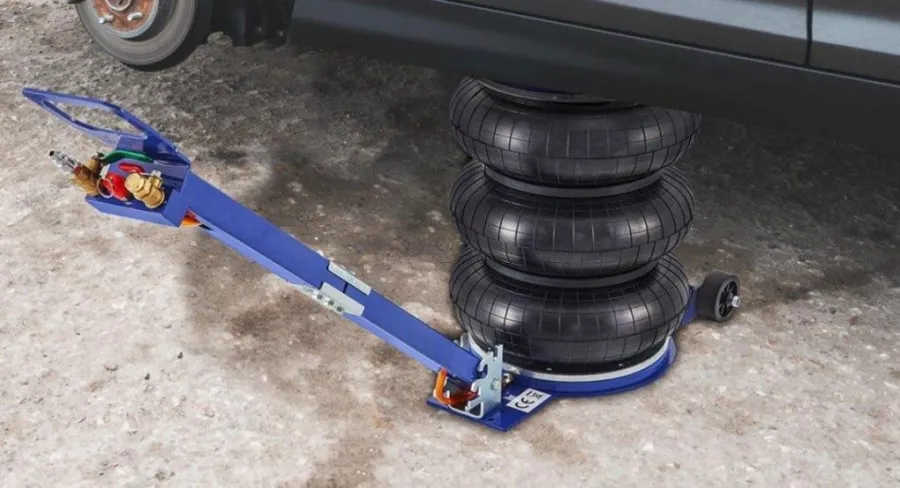
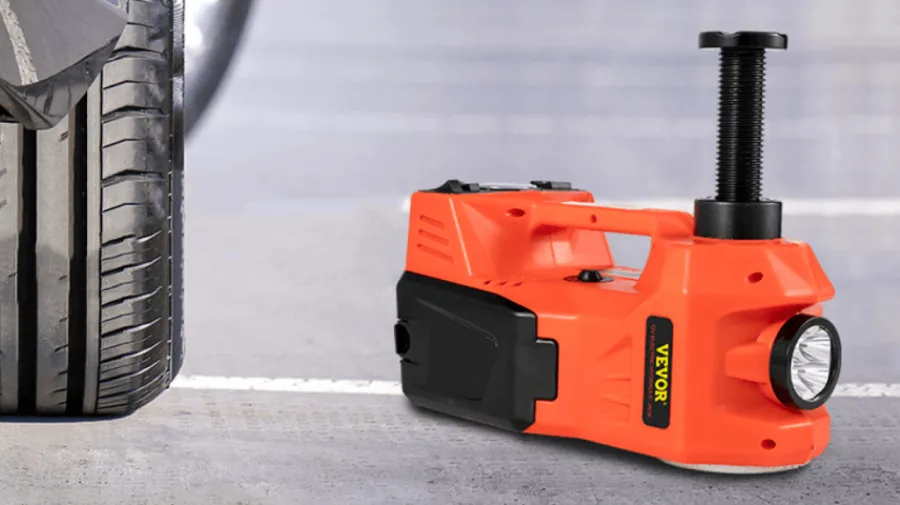
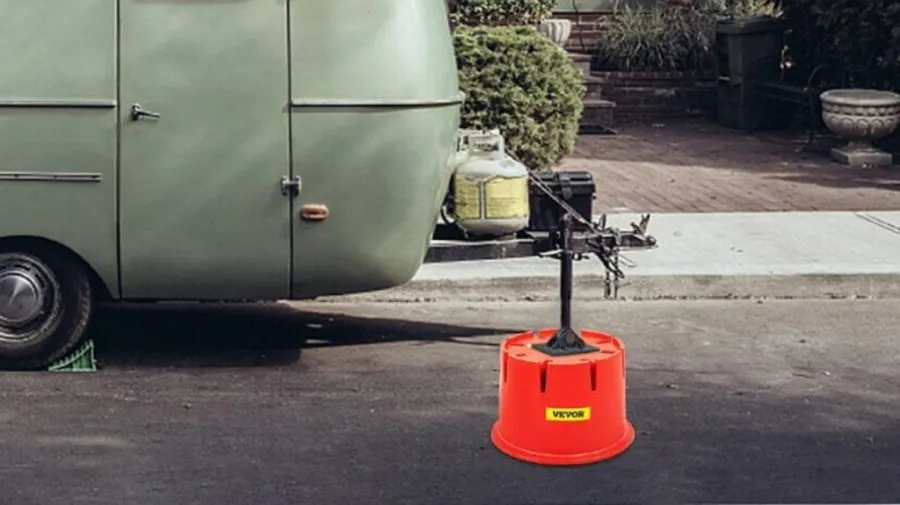
After basic education, start working in a garage or training shop as an intern. Get to know working with tools like socket organisers, crimping tools, jack and axle, and many more. This real-world practice builds confidence rapidly. Mistakes give you chances of learning new opportunities and problem-solving under pressure.
Experience is as much required and valued as education, and many employers prioritise experience over anything. This phase accelerates growth and defines how to become a mechanic in actual settings.
Earn certifications
As a beginner, start with entry-level certificates before any specialisation. These credentials enhance your job opportunities, and they also lead to higher earnings over time.
Certified mechanics are more reliable for high-paying jobs and complex tasks. This step is significant in getting high-ranking jobs.
Apply for entry-level mechanic jobs
As an entry-level mechanic, you can have positions like an assistant or a junior mechanic. You can open your own workshop and buy some basic tools like magnetic sockets, crimping tools, socket sets, and more.
These initial jobs provide mentorship, and with time, you get to learn new skills and progress in how to become a mechanic professionally.
How long does it take to become a mechanic?
We can not specify a particular time duration for this skill. The time varies depending on the path chosen. Trade school graduates may start their profession in two years, while apprenticeships can take three to four years.
Learning is not stopped even after employment. You keep learning and experiencing new challenges in this job. Ongoing training is a key aspect of how to become a mechanic in a rapidly growing field.
Career paths and specialization
An expertise and specialisation allow mechanics to focus on specific vehicles or equipment. Each path has its own challenges and potential. If you choose early, it helps you guide training decisions.
It is crucial to understand the options when learning how to become a mechanic with long-term goals.
Auto mechanic
This is a branch of mechanics that works on cars and light trucks. They deal with engine repairs, routine maintenance, and diagnostics. It is the most common specialisation.
Diesel mechanic
In this specialization, the mechanics services on trucks, buses, and heavy industrial vehicles. The work is complex, involving heavy components and advanced systems. Due to the complexity of work, the demand and salaries are also high.
Motorcycle mechanic
This branch deals with two-wheeled vehicles. In this learning, balance and precision are necessary skills. This field is suitable for enthusiasts and niche markets.
Heavy equipment mechanic
This field involves repair work on construction and agricultural machines. The work is demanding physically but also rewarding in terms of earnings. With the correct knowledge of tools and equipment, you can work like a pro in this career. These types of jobs are common in infrastructure projects.
FAQs
Do you need college to become a mechanic?
No, it is not required for most mechanic jobs. Apprenticeship and trade schools are highly demanding rather than college education. College is only needed when you want to learn how to become a mechanical engineer, as it is a different path.
How much do mechanics make?
The income of a mechanic depends on the location, specialization, and expertise. Entry-level mechanics earn simple wages, but experienced ones earn significantly more. If you have certificates, they increase the chances of earning more.
Can you become a mechanic without experience?
Yes, after proper training and education, you can become a mechanic. However, you have to be experienced with learning to get rapid solutions to your vehicle problems.
What tools do beginner mechanics need?
Beginners require basic handy tools like socket sets and safety equipment. With time, the need for specialized tools arises, and sometimes employers provide large or costly tools for workers.
Conclusion
Learning how to become a mechanic in 2026 is a useful skill and profession in the coming era of automobiles. A career in auto mechanics is not just a job, it is a skilled trade that keeps the automotive industry moving.
For simply changing your vehicle oil or doing a complex engine repair, you will be solving challenging problems and providing a helping hand to people to stay safe on the journey.
Only with the right training, experience, dedication and mindset, you will be able to achieve long-term success in this evolving field. Keep learning and exploring your knowledge!