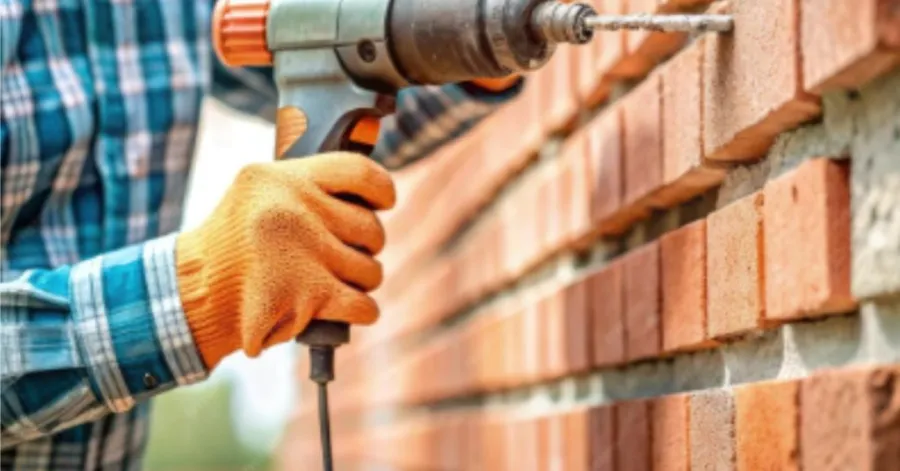
You must have the correct tools and techniques to safely and efficiently drill into brick. How to drill into brick correctly starts with preparation and the right approach. For drilling brick, you will need a hammer and masonry bits. Always drill into brick and not mortar. Wearing safety gear is a good way to protect yourself. By following the steps to drill into brick, you can reduce the chance of damage.
You can use a brick to drill for outdoor fixtures, frames, or shelves. Using the correct tools and techniques, you can master drilling into brick with practice. When you are prepared, drilling into brick is easy. Confidence is key when drilling into brick.
Tip: Check the surface of the brick before drilling into it to ensure there are no weak areas.
Essential Tools and Equipment for Drilling into Brick
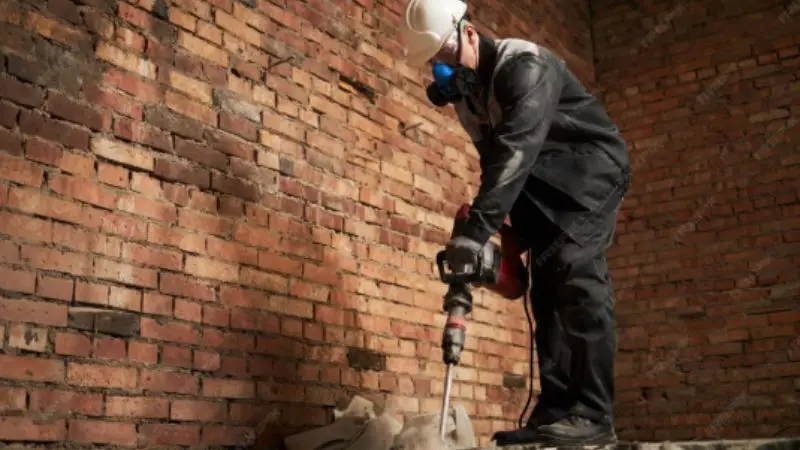
You need to have the proper equipment before you begin drilling. Having the tools needed to drill into brick helps you work faster and reduces the risk of mistakes. The right equipment will help you to work faster and keep you safe. Always check your equipment prior to starting.
Recommended Drill Types
A brick hammer drill is required. This tool will give you the power needed to crack through tough masonry. The regular drill is not effective on masonry. The hammer drilling uses a pounding motion. You can easily drill holes into masonry with this action. Use a corded hammer drill or a cordless one. Both types are suitable for masonry work. Be sure that your drill features a variable-speed setting. You can control the speed of your drill for different surfaces.
Tip: When working with masonry, use a hammer-drill with a side handle to improve control.
Best Drill Bits for Brick and Masonry
Bricks must be drilled with masonry bits. These bits are designed with a special tip to cut through masonry. Masonry drill bits are available in various sizes. The right size should be chosen for your project. You can damage masonry if you choose the wrong bit. Masonry drill bits will last longer if you use the correct equipment. Most hardware stores carry masonry drill bits. Check the label to ensure that they are meant for masonry.
| Drill Bit Type | Best For | Notes |
| Masonry drill bits | Brick, stone | Use with a hammer drill |
| Carbide-tipped bits | Hard masonry | Last longer on tough jobs |
Safety Gear You Should Always Wear
When working with masonry, you must take precautions. Protect your eyes with safety glasses. Wear ear protection as masonry drilling is loud. Protect your hands by wearing gloves. Dust masks protect you from inhaling masonry particles. You can stay safe by wearing good shoes. Use safety precautions when working with masonry equipment.
Note: Never skip safety gear. Even a small mistake can lead to serious injury.
Step-by-Step Guide to Drilling into Brick Safely
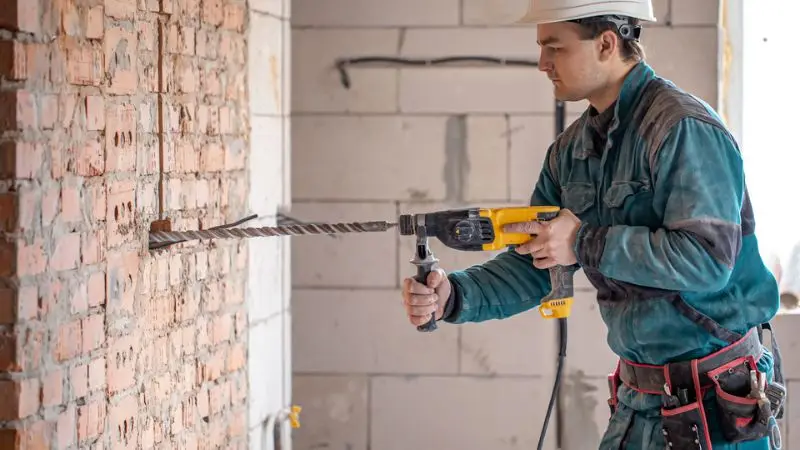
This step-by-step guide to drill into a brick wall explains how to prepare, drill correctly, and protect the brick surface from damage. This section will teach you how to prepare, use the correct technique, and protect bricks from damage.
Preparing the Surface and Workspace
Prepare the surface of the bricks. Remove dust and dirt from the brick surface using a brush. Mark the area where you plan to drill with a pencil or tape. This will help you to keep the drill steady. Remove any furniture or objects from your workspace. Spread a dropcloth to catch dust. Before you start, make sure that you have your safety equipment and tools ready. By preparing for the drill, you can avoid making mistakes and keep your area safe.
Tip: Do not drill into brick without double-checking your measurements. You will save time and avoid errors.
Proper Drilling Techniques
For better control, hold the drill with two hands. Drill at low speed first to make a small hole for the guide. As the drill bit penetrates the brick, increase the speed gradually. Apply steady pressure and keep the drill straight. Don’t force the drill. Let the drill do its job. Remove the drill every few seconds, and the dust will be removed from the hole. This guide will also help when learning how to drill a hole in brick for a screw while keeping the hole clean and precise.
How to Avoid Cracking or Damaging Brick
Choose a place away from the brick’s edge. Drilling too close to the edge can cause cracks. Understanding how to drill into brick without cracking requires patience, proper selection of a bit. and steady pressure. Use steady pressure and a sharp masonry drill bit for best results. Use a sharp masonry bit for best results. If you encounter resistance, stop and inspect your bit. It is not recommended to drill into bricks that are damaged or older. If the drill becomes too hot, let it cool. With the right technique and preparation, you can ensure that your bricks will be strong and safe.
Note: Stop drilling immediately if you notice any type of cracks.
Tips for Drilling Efficiently into Brick
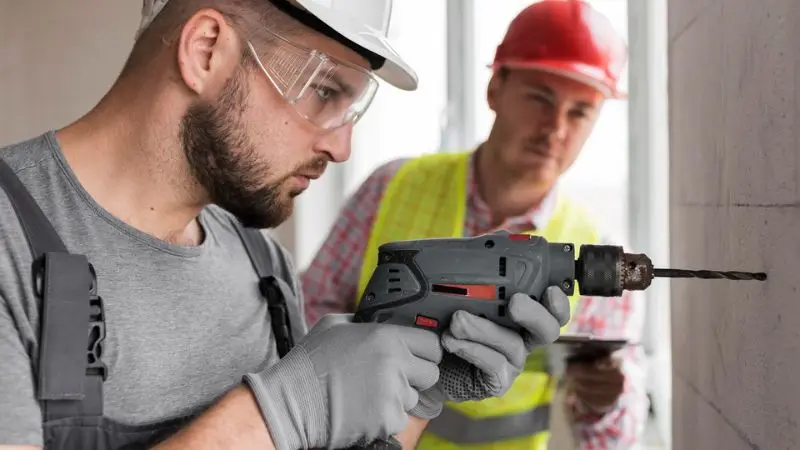
Efficient brick drilling depends on the right approach and careful handling. Proper planning and small adjustments help minimize damage and ensure smoother progress.
How to Choose the Right Drill Bit Size
Your project will determine the size of the drill bit that you need. The size of the drill bit you choose depends on your project. If you plan to use wall anchors or plugs, check the packaging for recommended sizes. This information is printed on most plug labels. The screw size should be matched to the anchor, not the screw.
This simple table will help you.
| Anchor Size | Drill Bit Size |
| 1/4 inch | 1/4 inch |
| 5/16 inch | 5/16 inch |
| 3/8 inch | 3/8 inch |
Tip: Test the bit size before drilling the brick.
Using Anchors and Plugs Correctly
Anchors and plugs secure screws into the brick. Metal or plastic anchors can be used for many home improvement projects. Push the anchor in place after drilling. If it feels loose, use a bigger anchor. Metal anchors are best for heavy objects.
Follow these steps to get started:
- The correct depth to drill the hole is.
- Use a small brush to remove dust or an air blower.
- Install the anchor so that it is flush against the brick.
- The anchor will be secured by the screw.
Note: Please do not hammer in the anchor. This could crack the brick.
Maintaining Your Drill and Bits for Longevity
Maintaining your tools is essential to their proper functioning. Clean your drill bit after each use. You can remove dust and debris with a dry, clean cloth. Store bits in a container to prevent rust. Check your drill before each job for loose parts. If your manual suggests it, oil moving parts.
- Replace worn-out or dull parts immediately.
- After each use, charge cordless drills.
- Keep your tools dry.
Maintaining your tools properly will help them last longer and make every project easier.
Troubleshooting Common Drilling Problems
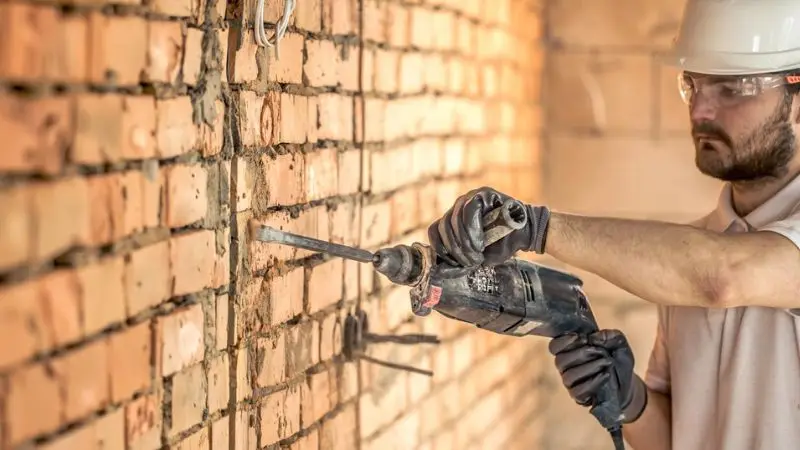
Brick drilling requires attention and the right approach. Minor drilling issues can affect performance. Recognizing these challenges early improves overall results.
Drill Bit Won’t Penetrate the Brick
Sometimes, the drill bit will not go into the brick. This can happen if you use the wrong bit. Verify that you are using the correct masonry bits. Replace dull or worn bits with brand new ones. Also, check your drill. Use the hammer setting. Standard drills may not provide enough power. Follow these steps:
- Check your bit for any damage.
- If necessary, switch to a different masonry bit.
- Hammer drill the setting.
- Do not force the drill. Just apply steady pressure.
Tip: Try drilling a pilot hole first if you are still having trouble.
Brick Cracking or Chipping During Drilling
You may see cracks or chips while drilling. This can happen if you apply too much force or drill too near an edge. The first step to preventing bricks from cracking is good planning. Drill a minimum of an inch away from the edge. Let the drill do the work. If you see cracks, stop immediately. Check the angle of the drill and the bit. Use masking tape to reduce the chipping.
| Problem | Solution |
| Cracking | Move the hole away from the edge |
| Chipping | Use tape and a sharp bit |
Dealing with Dust and Debris
Dust is created when drilling into brick. Dust can make your work area messy and difficult to see. Vacuuming or using dust collectors can help control dust. Keep the vacuum close to the hole as you drill. Tape a bag over the area to catch any debris that may fall. Always wear a dust mask to protect your lungs.
Note: Keep your workspace and tools safe by cleaning up the dust immediately after finishing the work.
Conclusion
When you know how to drill into brick then it becomes a simple and easy task. You can drill bricks with confidence. Wear your safety gear and gather the correct tools. To avoid making mistakes, follow the instructions. The correct drill bit and drill for the job. Check the Troubleshooting section to find quick solutions if you encounter problems. Planning and using the correct technique will help you achieve the best possible results.
FAQ
What type of drill should you use for brick?
You should use a hammer drill for brick. This tool gives you the power to break through tough surfaces. Regular drills do not work well on masonry.
Can you drill into mortar instead of brick?
You should avoid drilling into mortar. Mortar is weaker than brick. Anchors in mortar may loosen over time. Always drill directly into the brick for a stronger hold.
How do you reduce dust when drilling into brick?
Tip: Hold a vacuum nozzle close to the drill site. You can also tape a small bag under the hole to catch falling dust. Always wear a dust mask to protect your lungs.
What should you do if the drill bit gets stuck?
Stop drilling right away. Reverse the drill slowly to remove the bit. If it stays stuck, gently wiggle the drill while pulling back. Do not force it, or you may break the bit.
How do you know which drill bit size to use?
Check the anchor or wall plug packaging to confirm the recommended drill bit size before starting. Always match the drill bit to the anchor rather than the screw to ensure a secure fit. If you are unsure, testing the drill bit on a piece of scrap material can help avoid mistakes.