Weather observation will make you know what is going on in the air around you. Weather monitoring uses real-time information about temperature, humidity, wind speed, and rainfall to provide you with a live image of shifting conditions. When it is sunny in the morning and then a storm hits, these updates will make sure you are ready and safe. With the help of modern weather stations and sensor devices, you may trace the trends, design your own day, and even secure your home or garden. As a student, hobbyist, or professional, understanding how to keep track of the weather correctly will assist you in making smarter decisions on a daily basis.
Understanding the Basics of Weather Monitoring
The weather affects almost every part of our daily lives. When we know what is happening in the atmosphere, we can plan better, be it choosing our attire or planning our day out. These days, you can track weather conditions from anywhere in your home or school due to modern gadgets and the internet.
What Is Weather Monitoring?
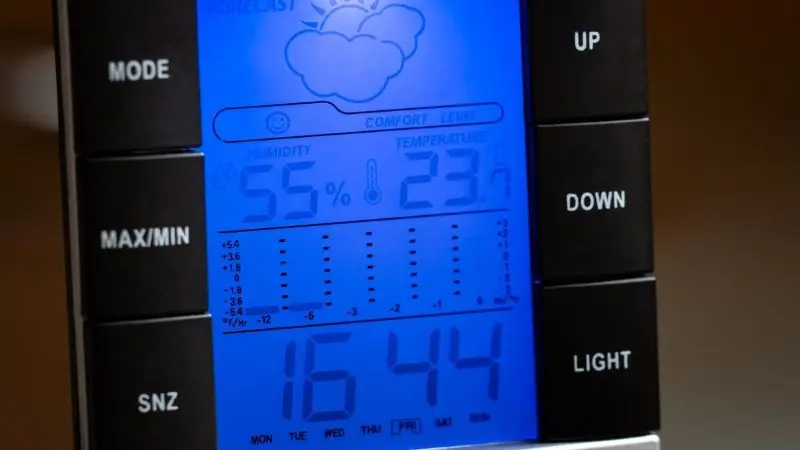
Weather monitoring involves monitoring weather conditions to observe changes over time. It involves the use of sensors and instruments to measure key parameters such as temperature, humidity, wind speed, and rainfall. With the help of the best weather monitoring devices or even digital systems, you have the opportunity to watch these changes in real time.
The data collected proves useful by helping you understand how weather patterns change every hour or each day, making it easier for you to schedule your activities. Whether it’s real-time weather tracking apps or actual weather stations, you can get precise updates on storms, heat waves, or cold fronts – staying informed about your environment.
Why Is Weather Monitoring Important?
It is not all about being curious but about being safe and making intelligent choices. The farmers rely on the weather system used by farmers to safeguard their crops against frost, drought, or excessive rain. Weather reports help pilots to have safe flights, and forecasts help city workers to plan how to respond in case of storms or flooding.
Another advantage of having schools equipped with weather monitoring school weather stations is that students learn about the impacts of weather on life and the environment. At home, on farms, in classes, observing the weather at home or in bigger townships is important to keep everybody safe, informed, and prepared in the event of any weather change.
How Weather Monitoring Works
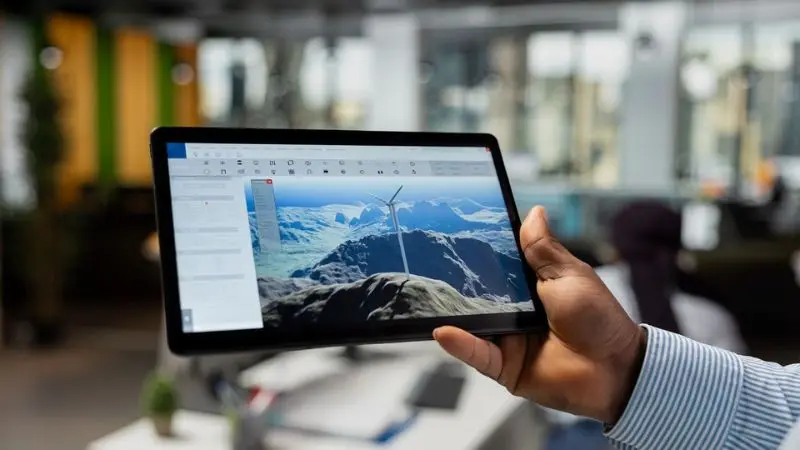
Weather monitoring is a fascinating mix of science and technology. It gathers data from the air and ground to help people understand weather changes as they happen. With real-time weather monitoring apps and advanced sensors, this process has become faster, more accurate, and easier to access from anywhere.
The Science Behind Weather Monitoring
The science of weather monitoring involves gathering information about the atmosphere with the help of special sensors and instruments. These tools include temperature, humidity, wind speed, and rainfall measurements. Many online weather monitoring tools and automatic weather stations collect this information for themselves and transmit it to computers for analysis.
Radiosonde sensors float on weather balloons, which rise more than 20 miles above the ground to measure the air above the atmosphere. Satellites orbit around the Earth and take pictures of clouds, storms, and patterns of movement. Radar systems have been used to track rain, snow, and severe weather in motion. Together, these tools provide a full picture of what’s happening in the sky — helping keep you prepared with accurate updates.
The Role of Meteorology in Weather Monitoring
Meteorology is the science behind the hows and whys of weather change. Forecasting the temperature, fluctuations in air pressure, and humidity is based on the data collected from the best weather monitoring devices. They use high-powered computers to publish maps that indicate where storms, rain, or wind may drift next.
This process helps transform data into useful and real-world predictions. And even farmers, pilots, and schools benefit from these insights. For example, weather monitoring systems for farmers enable them to time planting seasons, whereas weather monitoring stations for schools inform school students on climate science and predictions. Meteorology is where technology and human knowledge come together – keeping everyone safer and more informed of what’s next.
Exploring Different Types of Weather Monitoring Systems
The weather can be monitored through the ground devices and satellites in space, among many others. Every system has distinctive tools and technologies that gather data on the atmosphere. Knowing about these systems enables you to make more sense out of reports and observe how the weather monitoring systems serve farmers, schools, and cities to be safe and connected to be aware.
Ground-Based Weather Monitoring Systems
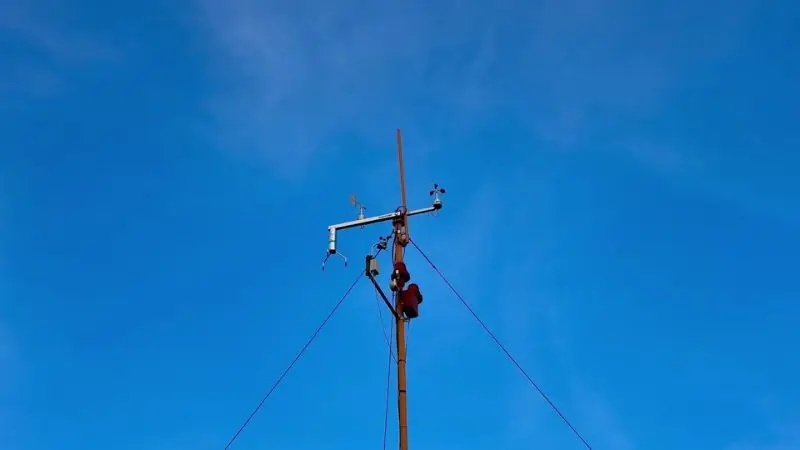
Ground-based systems are the most common type of weather monitoring stations, being most common at schools, farms, and airports. These sensors stay in a specific spot on the ground and monitor temperature, humidity, rainfall, and wind speed. These systems deliver correct and local data and updates in real time.
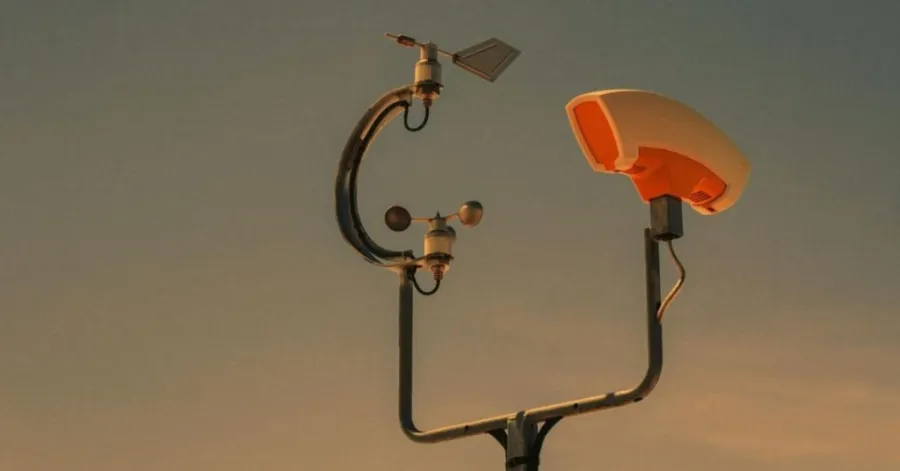
If you’ve spotted little towers or boxes with rotating cups or antennas in parks or on campus, those are most likely ground-based weather sensors. They report changing conditions throughout the day to keep the community informed and safe.
Satellite Weather Monitoring Systems
Satellite weather systems will be able to see the weather from far above the Earth, providing a big picture of what is going on. These satellites circle the Earth and take detailed pictures of the clouds, storms, and giant events such as hurricanes, typhoons, and wildfires.
The data they gather is sent back to weather stations, where the data is analyzed by experts using internet weather monitoring tools and weather forecasting software. By integrating the satellite data with real-time weather tracking applications, users can use up-to-the-minute weather data from space right on their phones or computers.
Radar and Remote Sensing Systems
Radar and remote sensing systems use radio waves to detect rain, snow, and storm movement. They provide valuable insights into storm direction, intensity, and timing. Remote sensing allows scientists to study atmospheric layers and track conditions from a distance.
These technologies help farmers, pilots, and emergency teams make informed decisions. For instance, weather monitoring systems for farmers can use radar data to anticipate heavy rainfall or drought conditions — protecting crops and improving farm management.
Automatic Weather Stations (AWS)
Automatic Weather Stations (AWS) are the best weather monitoring instruments that measure data automatically. They are on 24/7 mode, with the help of sensors that log changes in temperature, wind, the pressure of air, and rainfall every few minutes. The data is passed into computers for immediate processing.
AWS systems are extensively used in research, education, and agriculture. Whether it’s for a student learning to track weather from home or a scientist looking to track climate change, these automated stations offer simple and reliable weather tracking.
Key Weather Monitoring Instruments and Tools
Different instruments are used for weather monitoring that gather information about temperature, pressure, humidity, wind ,and rainfall. With the help of these tools, we can make accurate predictions and maintain a weather monitoring system for farmers, schools, and homes. The best weather monitoring device can allow anyone to track these elements. This can help one better understand weather changes in real time.
Temperature Sensors and Thermometers
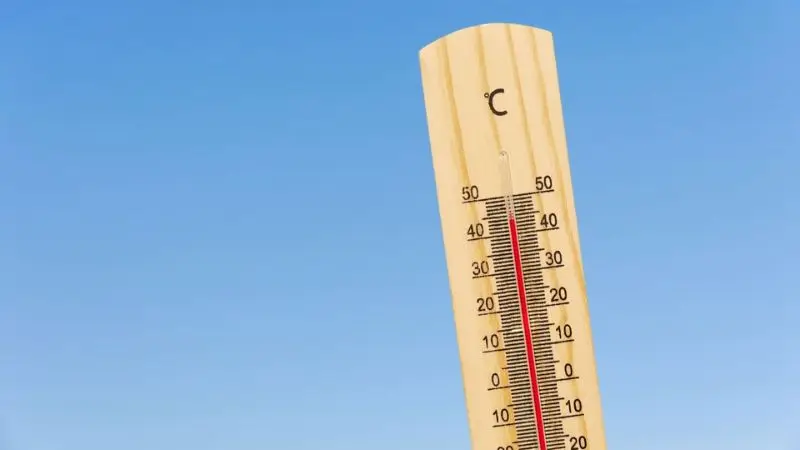
Temperature sensors and thermometers measure how hot or cold the air is. These devices are found in automatic weather stations, on rooftops, and even in weather monitoring stations for schools. They provide real-time readings that help you see if the air is getting warmer or cooler.
Before heading out, checking temperature updates through real-time weather monitoring apps can help you decide what to wear or how to plan your day. These small tools play a big role in predicting larger weather trends.
Barometers and Pressure Sensors
Barometers and pressure sensors measure air pressure: the force of the air that is being exerted on the surface of the earth. When air pressure is low, it also means that a storm or rain is likely in the area. High pressure, on the other hand, indicates that the skies are clear.
These instruments are components of online weather monitoring systems and automatic weather systems to enable forecasters to determine changes early. Understanding pressure trends helps you know the weather long before it makes itself known in the sky.
Hygrometers and Humidity Sensors
These instruments monitor the moisture levels present in the air. When the humidity goes up, it feels muggy and warm. When it goes down, it feels dry and cool. Sensors that are used for monitoring rain and irrigation are necessary sensors used in monitoring weather systems for farmers.
Humidity readings can reveal when it is about to rain and whether indoor air needs moistening. These sensors are used in farms, labs, and schools to ensure a precise forecast while keeping comfort levels in check.
Anemometers and Wind Vanes

Anemometers are used to measure wind speed, whereas wind vanes indicate the wind direction. Together, they are an important combination for the best weather monitoring devices. These sensors are placed at airports, coastal regions, and weather stations to monitor air flow over the land.
Wind speed and direction are very valuable to many activities – from agriculture to aviation. Through real-time weather monitoring apps, you can even see wind patterns that are occurring in your area at any time.
Rain Gauges and Precipitation Sensors
Precipitation sensors (also called rain gauges, rainfall water gauges) are used to measure the quantity of rain, snow, or hail deposited over some period of time. Farmers and city planners who observe water supply, the risk of floods, and droughts cannot live without weather monitoring systems.
They are common in automatic weather stations and can transmit the data straight to weather centres. Knowing the quantity of falling precipitation, communities can become more prepared for the storms, manage the waters, and safeguard crops or infrastructure.
Data Collection and Analysis in Weather Monitoring
Weather monitoring today is a combination of high-tech devices, satellite technology, and AI to provide an accurate forecast. Through online weather, weather monitoring applications, and automatic weather stations, the real-time weather information is collected, evaluated, and shared in real time in order to assist individuals in managing their day and remaining safe.
How Weather Data Is Collected
Weather data is highly dependent on the collaboration of many sources. Ground sensors: They are temperature, humidity, rain, and wind speed sensors. Satellites are used to look at Earth and capture pictures of clouds, storms, and changes in the atmosphere. Radar systems observe weather systems and their movements, while weather balloons make it up into the upper part of the sky to collect data from the upper layers of the air.
The best weather monitors, like automatic weather stations, record every minute and transmit directly to computers for analysis. Each instrument contributes a piece of the weather puzzle, forming the predictions that you see on your phone or in daily weather reports.
How Weather Data Is Analyzed and Interpreted
Once such data is gathered, the meteorologists and computers work together to provide meaning to it. New software saves millions of readings and looks for patterns such as rising temperatures or shifting air pressure. Meteorologists then combine those numbers into forecasts by using graphs, charts, and models.
This process provides the backbone for weather monitoring systems for farmers, schools, and city planners that allow them to make knowledgeable decisions. Better predictions mean better analysis, and this in turn delivers better information to people, telling them when to expect storms, rain, or clear skies.
The Role of Artificial Intelligence in Weather Forecasting
Artificial intelligence (AI) is changing the way that weather is studied and predicted. AI systems can process enormous amounts of weather data in seconds, uncovering patterns that might be too subtle for humans. This technology facilitates real-time weather monitoring apps and sophisticated forecasting platforms, ensuring faster and more accurate predictions.
Using historical weather data, AI is able to learn and better predict future events. It enables early detection of storms, droughts, or heat waves, allowing people more time to prepare for them. Whether for weather monitor stations for the schools or global forecasting centers, the AI makes modern weather monitoring smarter, faster, and more trustworthy than ever.
Applications of Weather Monitoring
There are numerous significant applications of weather monitoring in various industries. In farming and aviation, to disaster response, it assists people to make safer and smarter decisions in their daily lives. Using real-time weather monitoring apps and online weather monitoring tools, everyone is able to get an accurate forecast and plan in advance with a lot of confidence.
Agriculture and Crop Management
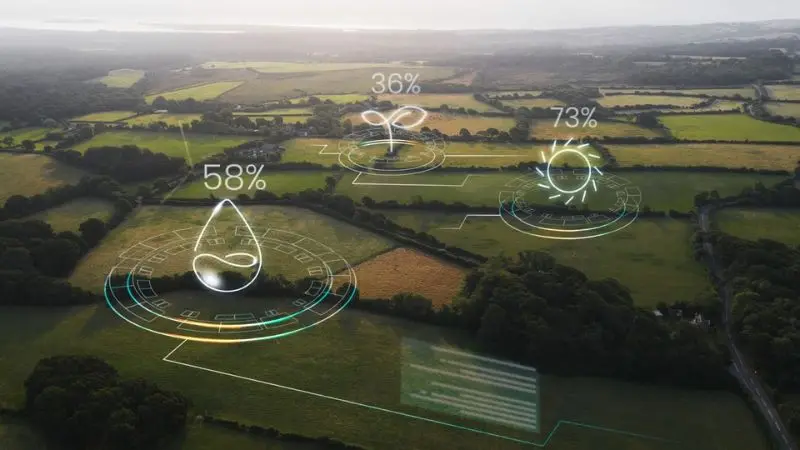
In farming, weather monitoring systems for farmers are needed for healthy crops and efficient use of resources. By monitoring temperature, rainfall, and humidity, farmers can make informed decisions about when to plant or harvest their crops. Soil sensors measure moisture content to make sure fields receive the optimal amount of water, saving both time and money.
With the best weather monitoring gadgets, farmers are alerted before approaching storms, so they can cover crops or move animals to safety. Smart farming technologies are now on the hook with real-time weather monitoring apps, with which it is now easier to adapt quickly and protect crops during frost, drought, or heavy rain.
Aviation and Marine Navigation
Monitoring of the weather is an important part of both air and sea transportation. The information from the weather monitoring station and radar is used by pilots and ship captains to ensure safe navigation. Ground sensors identify wind speed, visibility, and temperature at the airports, and the ships rely on satellite data to keep track of the storms or huge waves.
Investigating this real-time information, flights can escape turbulence, and ships can escape hurricanes or heavy winds. By having access to online weather monitoring equipment and live weather data, users can plan their travels a little smarter, keeping passengers, crews, and cargo safe in case of abrupt weather changes.
Disaster Management and Early Warning Systems
In times of natural disasters, good weather data can save lives. Governments and emergency personnel use weather monitoring technology to monitor extreme weather conditions like floods, hurricanes, and wildfires. These systems trigger early warning systems that are sent to people via phones, radios, and televisions.
With real-time weather tracking apps, communities can now get early warning to seek shelter or evacuate. Towns also use this information to create better flood defenses and plan their rescues. Increased accuracy of weather information means faster response on the part of people, minimizing loss, and keeping families safe.
Wrap Up
Monitoring the weather is an important activity that keeps people aware, secure, and ready to face any condition. Through applications such as real-time weather monitoring apps, online weather monitoring tools, and the most effective weather monitoring devices, anyone can monitor temperature, rainfall, and storms from the comfort of their homes. Accurate updates help farmers, students, and travelers plan daily activities and avoid risks. Weather is smarter and easier to study with the help of modern weather monitoring systems for farmers and weather monitoring stations for schools. With technological advancements, we will see quicker and more accurate predictions that will aid in safeguarding communities and informing our decision-making daily.
FAQ
Why is weather monitoring important?
Weather monitoring gives you real-time data on the air. You make use of this data to predict storms and structure your day. It will keep you safe at home, school, or work. Good weather data can help you make good decisions.
How are satellites useful in weather monitoring?
Clouds and storms are visible from space. Sondes upload images and information to weather centres. You receive fast updates on hurricanes and wildfires. Satellites – useful for a quick sight of large events
Can weather monitoring be applied at home?
Yes, you can use weather stations or phone apps. These devices display the temperature, humidity and rain nearby. You can monitor the weather before you leave your home. This will assist you in organizing outdoor activities.
Why do farmers need weather observation?
Farmers use weather monitoring to ensure the safety of crops and animals. They look at weather information so they can schedule planting and watering. This prevents damage due to frost, drought or storms. Farmers use the weather information to safeguard their work.
What is an Automatic Weather Station (AWS)?
An AWS is able to measure weather data independently. It contains sensors for measuring temperature, wind, and rain. The station transmits data to computers for research. You receive accurate weather reports in real time.