Cars are our companions, but even the best ones run into trouble sometimes. Whether you have a brand new car or it’s your daily driver, you need to know the most common car problems and learn how to fix them early. This way, you can save your time, prevent stress, and costly repairs later.
This blog post will guide you through a list of vehicle problems you may encounter, and the easiest possible ways to fix them before they become worse. Let’s start off with the biggest issue you can possibly face:
Engine Problems
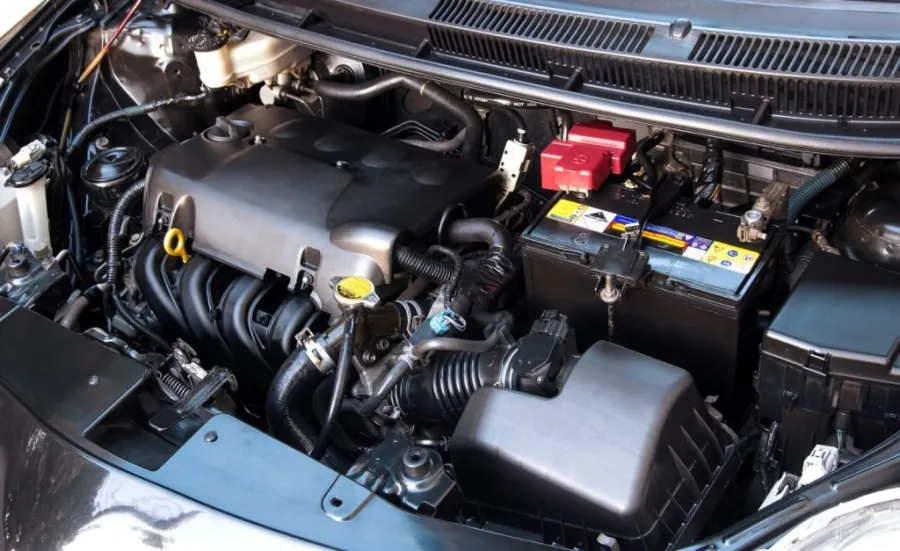
Your engine is the heart of your car, and it’s where most common car issues begin. If you ignore a minor sign, it will lead to an expensive repair down the road. Here are some common car engine issues you may face and their solutions:
Check engine light causes
The check light engine is also called the malfunction indicator lamp or MIL. It is a warning on your car dashboard that signals something is wrong with the engine or the emission system.
When it lights up, it means that your car’s onboard diagnostic system has detected a problem in it.
The engine check light problem can occur because of a range of issues, like:
- Loose gas cap
- Worn-out spark plugs
- Oxygen sensors
- Malfunctioning catalytic converter
You can fix this issue within a few minutes. Firstly, tighten your gas cap, as it is the most common reason your car lights up the engine check. If the light stays on, use an OBD2 scanner or visit a mechanic for a diagnosis.
And if you love doing your own repairs, tools like the Vevor 2-in-1 Z Creeper Seat make garage work comfortable and efficient.
Engine overheating
An overheating engine is one of the most common car problems during long drives, especially in summer. It happens when your cooling system fails to regulate temperature.
Some common reasons for engine overheating:
- Low coolant levels
- Broken water pump
- Radiator leaks or blockages
Engine overheating is a common problem, but you can easily fix it by checking your coolant regularly. You must inspect your engine for visible leakage and ensure that your radiator fans are working properly.
One of the best ways to avoid engine overheating is to avoid driving when your temperature is high.
In this case, you must pull over and let the engine cool before checking anything. When working under the hood, using the Vevor Z Creeper Seat can make inspecting your engine from below much easier and safer.
Poor fuel efficiency
Sometimes your car starts using more gas than usual, and you just ignore it for a moment. Poor fuel economy is one of the most common car issues faced by every second driver.
Unfortunately, most of them ignore it and understand it quite later. Poor fuel efficiency is not a coincidence; it means something is off with your car, and you must be vigilant.
Poor fuel economy points to dirty air filters, faulty oxygen sensors, and low tire pressure. However, improving your fuel efficiency is not rocket science. You can easily do it by regularly replacing your air filters and keeping the tires properly inflated.
You can use this tire changer and balancer set to get the job done quickly and without tiring your body. These simple steps can improve mileage and prevent unnecessary strain on your car engine.
Battery and Electrical Issues
Batteries and electrical components are the core parts of the car engine. Electrical problems are frequent among the list of vehicle problems. A weak battery or a bad connection can leave you stranded. Your car can’t start smoothly with an old, rusty, and dried battery.
Dead battery or slow start
When you turn the key to start the car, nothing happens on the other side. It’s a clear sign of a dead battery.
Car batteries slow down when you leave lights on overnight or due to corroded terminals. You can fix car battery issues by regularly cleaning your battery terminals. Furthermore, you must replace the battery every 3 to 5 years to avoid repeated issues.
Alternator not charging properly.
If your headlights flicker or your dashboard dims, your alternator might not be charging the battery. In this case, you should check your sprinter belt for beer and also test your alternator.
A failing alternator is one of the most common car problems that can be solved quickly if caught early. In this situation, you should check your serpentine belt for wear and also test your alternator.
Tip: A failing alternator is one of the most common car problems that can be solved quickly if caught early.
Brake Problems
Driving your own car has plenty of benefits, but it also carries significant risk and responsibility. The World Health Organisation has reported 1.19 million people die each year as a result of road traffic crashes. The most common reasons for these crashes are brake failures and engine problems.
Here are some common indicators that can help you fix brake issues early and prevent any accidents.
Squeaking or grinding noises
If you hear squealing or grinding when breaking, it means your brake pads are worn out. Brake pads bear a lot of friction and heat from the rotor and have an average lifespan of 25000 to 70,000 miles.
However, this lifespan can vary significantly based on your driving style, the brake pad material, and the weight of your vehicle.
Bad brake pads will damage your rotor. You should replace them to avoid future repairs.
Reduced braking performance
Sometimes your brake pedal feels softer than usual, and your car takes longer to stop. It can cause a severe accident on the road, along with risking others’ lives on the road.
In this situation, you must repair or replace your brake pads without wasting more time.
Transmission Troubles
Transmission problems are the most expensive repair problems among other common car problems. However, all of them can be avoided by paying attention to small issues earlier.
Rough or delayed shifting
You must have noticed that your car jerks or hesitates when you shift gears. This problem occurs because of the transmission fluid.
In order to avoid this problem, you must replace our top it up if it’s dirty or low. Furthermore, a regular fluid check can help avoid bigger issues down the road.
Transmission fluid leaks
Another common car problem occurs due to transmission fluid leakages. If you notice any red or brown puddle under the car, it is often a sign of transmission leakage.
You must replace the war gaskets and seal them promptly to avoid any problems. Always address leaks early because this is one of the most common God issues faced by drivers that are quickly ignored for a long period of time.
Tire and Wheel Issues
Tires and wheels are the most underrated components of a car. They are critical for your safety and comfort, but they are the most often neglected.
Problems with tires and wheels can be easily noticed and fixed.
Uneven wear or low pressure
Poor wheel alignment is one of the reasons for uneven wear, which makes handling your car a headache. Uneven pressure or low pressure also causes uneven wear and affects the traction on the road.
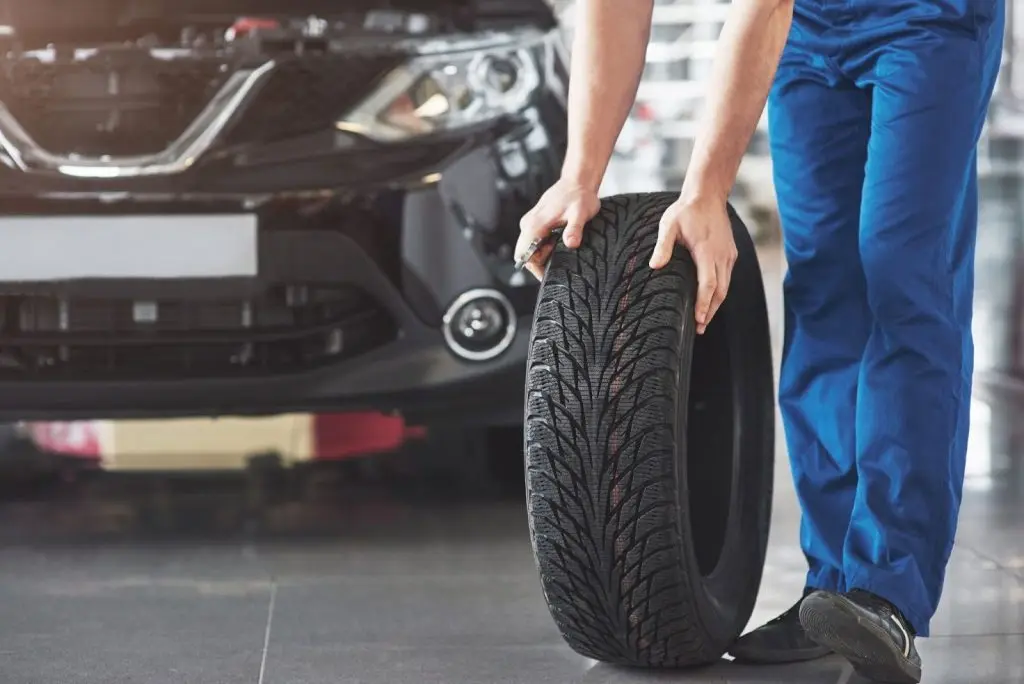
You can avoid this problem by regularly rotating tires, aligning your reels, and keeping them properly inflated. If you are planning for replacement tools like an electric tire changer and balancer can make the process super easy, even for DIYers.
When to replace your tires
A list of car problems and solutions often starts with simple time maintenance. While it’s certainly useful to know the average lifespan of tires, those numbers may overstate or understate the lifespan of your car tires.
The average lifespan for tires is typically 5 to 6 years or about 55,000 to 80,000 miles. However, this isn’t a fixed number, this way is significantly based on the maintenance driving habits and road conditions where you drive your car.
Most experts suggest, you must replace tires when one tread depth drops below 2/ 32 of an inch. To make it simple, you can use a penny test. If you see the top of Lincoln‘s head, it’s time for new ones. Please watch this YouTube short for more ease.
Air conditioning and heating failures
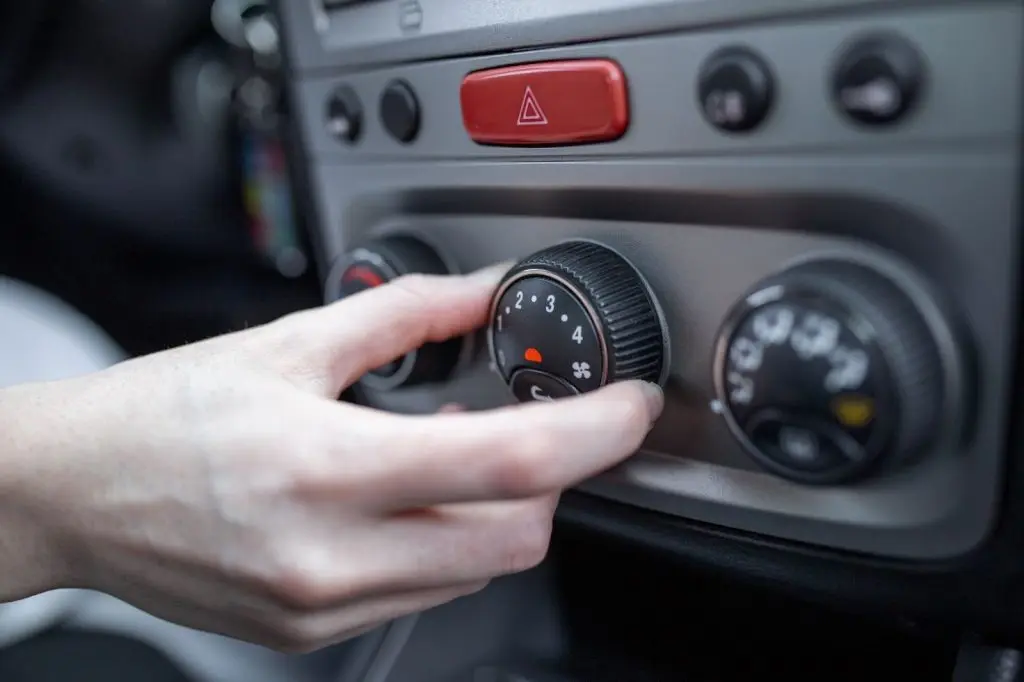
A car’s air conditioning and heating system is as important as its engine. A failing AC or heater can make driving miserable, especially in extreme weather.
AC is blowing warm air
This is one of the most common car problems reported by people around the world. There are three reasons why your AC blows warm air instead of cold:
- You may have low refrigerant
- The condenser could be clogged
- The compressor might be malfunctioning
The only way to fix your AC is to make sure that your refrigerant levels are normal and keep your condenser clean. The condenser is the most important part of the AC, which produces most of the heat. Therefore, it corrodes quickly.
Heater not working in winter
Nothing is more frustrating than a heater in your car that never works in winter. This is one of the most common car problems in winter.
Your car heater stops working either because of the low coolant or a clogged heater. You can fix your car heater by refilling coolant and making sure your thermostat works properly. Insured regular maintenance before cold weather helps avoid this problem altogether.
Warning lights you shouldn’t ignore in Common car problems
Most people think that dashboard warning lights are for decoration, but they are not. They are your car’s way of communicating the problem with you.
So, if you notice any unusual light on your dashboard, do not ignore it.
Check engine light
As its name indicates, it’s a checklist for your engine’s problems. When the check engine light is on, it’s a signal of a loose gas cap and a misfiring engine.
Oil pressure light
If the oil pressure light appears, stop immediately and check your oil levels. If you keep running your engine with low oil pressure, it can cause irreversible damage.
Battery warning light
The battery warning light indicates issues with the battery charging. Battery charging issues are often linked to the alternator.
Flat Tires and Bead Problems
Few situations are more inconvenient than a flat tire on the road. Bead damage happens when the tire separates from the rim, and it’s a common car problem reported by many people. Bead damage is more common in trucks and off-road vehicles than in daily drivers.
If you have a small car, you can quickly and safely repair it with tools like Vevor Tire Slide Hammer Bead Breaker. It’s a handy tool that makes removing and reseating tires effortless. It’s a must-have for mechanics and DIY repair enthusiasts alike.
Common Car Problems by Model
Every vehicle model has its own specialities and tendencies. A recent study by Niall McCarthy about which car brand has the lowest repair cost has shown that Asian car brands dominate in reliability and affordability when it comes to repair.
It further added that Acura ranks highest for reliability, followed by Honda and Toyota. Hyundai offers the lowest average repair cost at around $306, with Mazda and Kia close behind. Among individual models, the 2013 Honda Civic stands out as the most reliable used car in the US.
Suspension and Steering Issues
Suspension or the reason for a smooth ride when they fail your ride feels like a rollercoaster. Suspension issues often cause uneven tire wear that leads to other common car problems.
Uneven Ride or Drifting
If your ride feels bumpy, and your steering wheel vibrates, it means that your suspension is not in good condition and needs replacement. Check shocks, struts, and bushings. If you notice anything off, get them replaced immediately.
Clunking or Rattling Sounds
These are signs of bad shock absorbers or loose steering components. Regular maintenance and a rolling shop seat like the VEVOR Auto Mechanic Creeper can make inspections and repairs much easier.
Exhaust System Leaks
Exhaust system leakage can reduce engine performance and fuel efficiency by disrupting the proper airflow. They may allow harmful gases like carbon monoxide to enter the cabin, which would risk your health. Over time, leaks can also damage nearby components and accelerate the rust and corrosion.
Loud Noises and Strange Fumes
One of the most common reasons for exhaust system leakage is a cracked exhaust manifold or a loose connection. When you notice any strange fumes or are noisy engine, you must cover the small hole with exhaust repair tape. If the damage is major, replacement is safer and more eco-friendly.
Common Car Problems in Winter
Cold weather or nightmares are not just for your body, but also for your car engine. Winters often bring a list of car problems and solutions for riders.
The car fails to start
In extreme cold, wiper blades and fluid often freeze, which makes starting a car a headache. In addition, thick engine oil adds to the fire. Another common car problem in winter is low tire pressure and battery failure.
The freezing winter makes removing stubborn tires difficult for everyone. But with a hydraulic bead breaker, it’s a breeze.
FAQs
What is the most common car issue?
Engine trouble, dead batteries, brake wear, tire issues, and transmission leaks top the list of vehicle problems most drivers face.
What damage to cars is most common?
The most common car damage includes dents, scratches, bumper damage, and cracked windshields. They are usually caused by minor accidents or parking mishaps.
What is the most common car repair?
The most common repairs are for brake pad replacement, oil changes, and battery replacement.
What part of a car fails the most?
Batteries, brake components, and tires are the parts most likely to fail over time due to regular wear and tear.
Why is my AC not blowing cold air?
Your AC might not blow cold air because of low refrigerant levels, a clogged filter, a faulty compressor, or a refrigerant leak.
Conclusion
Cars are great to own, but they come with their share of common car problems. If you have basic knowledge about these problems and have the right tools, you can prevent costly repairs. This guide helps you identify these problems and provides easy ways to fix them before they turn into irreversible damage.
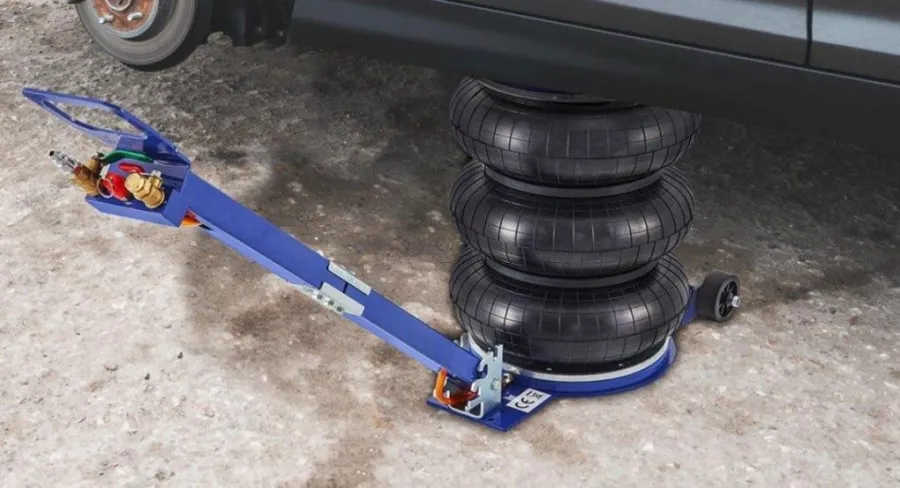
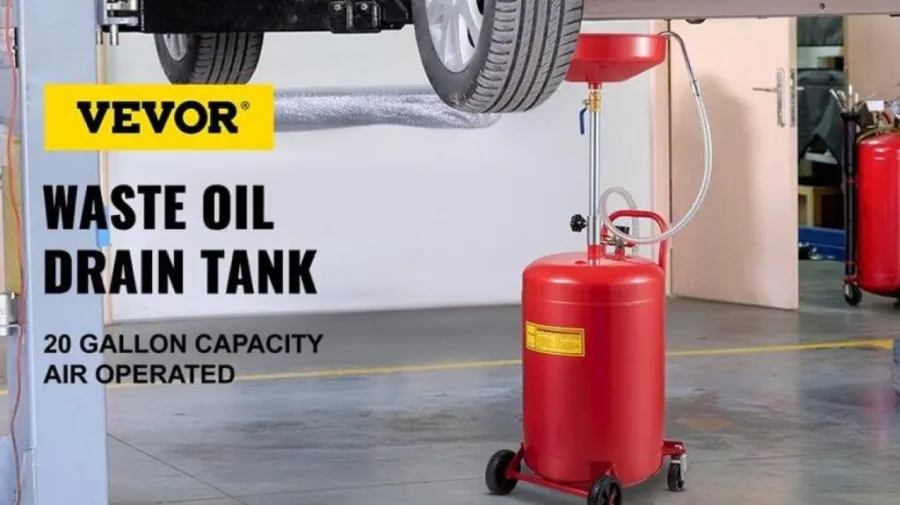
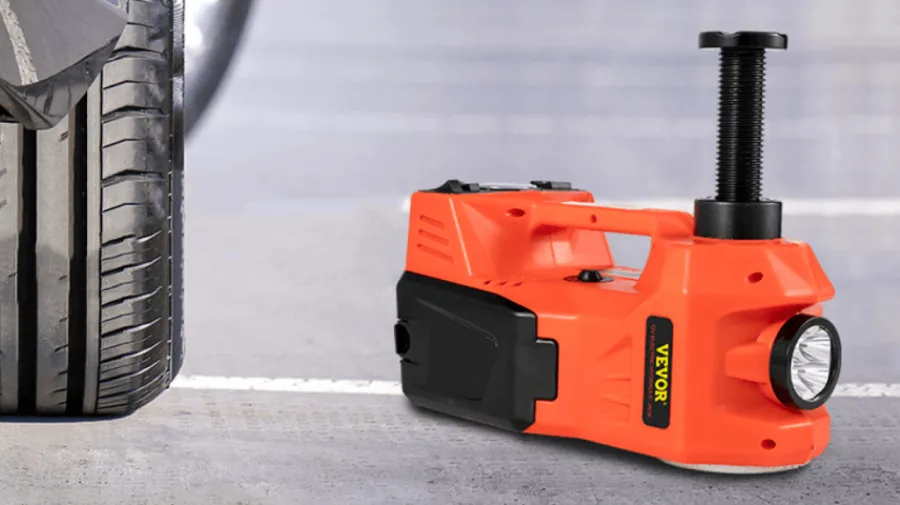
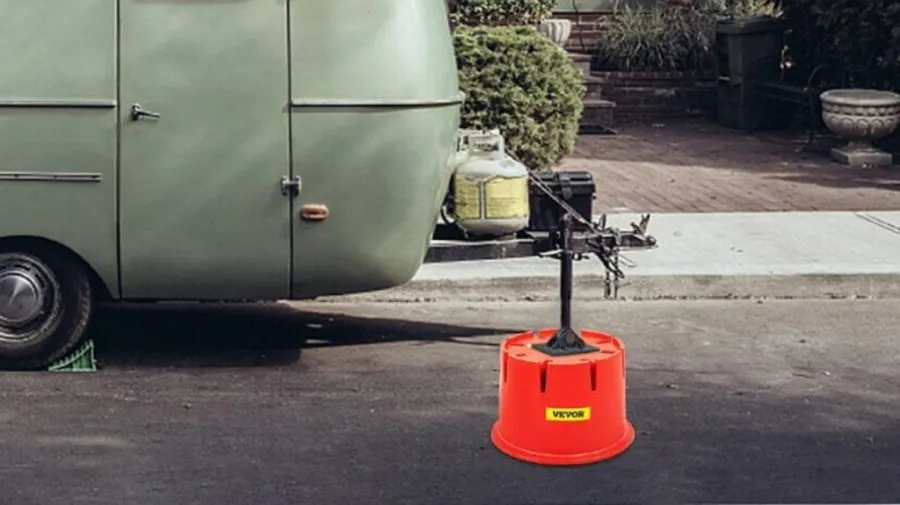
VENOR makes car repair a breeze for you. VEVOR offers reliable tools and equipment to make car maintenance easier, safer, and smarter for every car owner.