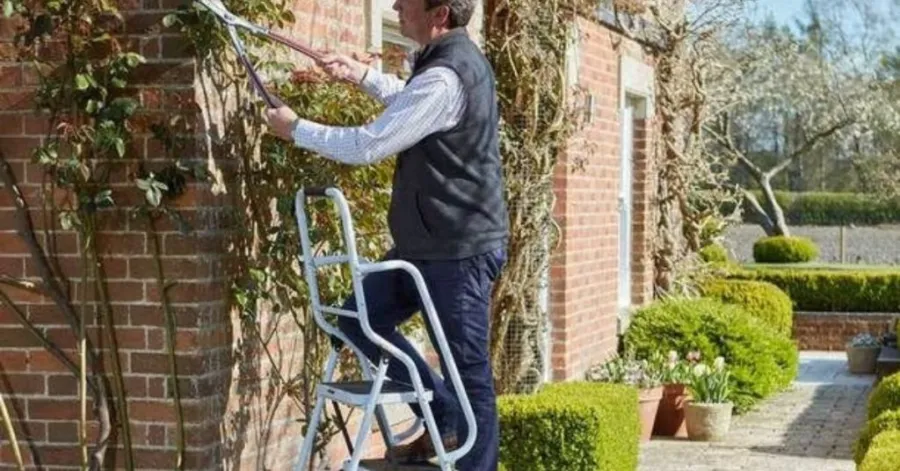
You want ladder safety at home, especially as you get older. Many seniors face higher risks when using ladders, but you can lower those risks with a few simple habits. Choose safe ladders for seniors, ask for help if needed, and always focus on preventing falls. Stay safe and confident!
Ladder Safety for Seniors
Common Causes of Falls
You might think using a ladder at home is easy, but many things can go wrong. Most falls happen when you rush, lose your balance, or use a ladder that is not steady. Sometimes, you might stand on the top step or reach too far to grab something. Wet floors, loose rugs, or clutter around the ladder can also make you slip. Did you know that more than 60% of fall-related injuries in the home involve ladders? These accidents can lead to broken bones, sprains, or even more serious problems. If you pay attention to your surroundings and take your time, you can avoid many of these dangers.
Why Seniors Need Fall Prevention Assistance
As you get older, your body changes. You may notice your balance is not as strong as it used to be. Your muscles might feel weaker, and your vision could be less sharp. These changes make it easier for you to lose your footing. Seniors are more likely to suffer from fall-related injuries because their bones are more fragile. Even a small slip can cause a big problem. You do not have to do everything alone. Ask a family member or a friend to help you when you need to use a ladder. Sometimes, just having someone nearby can make you feel safer and more confident.
Safe Ladders for Seniors
Choosing the Right Ladder
You want to feel steady and secure every time you climb. Picking the right ladder makes a big difference. Not every ladder works well for everyone. Some are too tall, too heavy, or just not stable enough. When you look for safe ladders for seniors, check the height first. You should avoid stretching or reaching too far. A step ladder with wide steps helps you keep your balance. Make sure the right ladder is easy to move but strong enough to hold your weight. If you feel unsure, ask a store worker or a family member for advice. They can help you find safe ladders for seniors that fit your needs.
Ladder Features for Safety
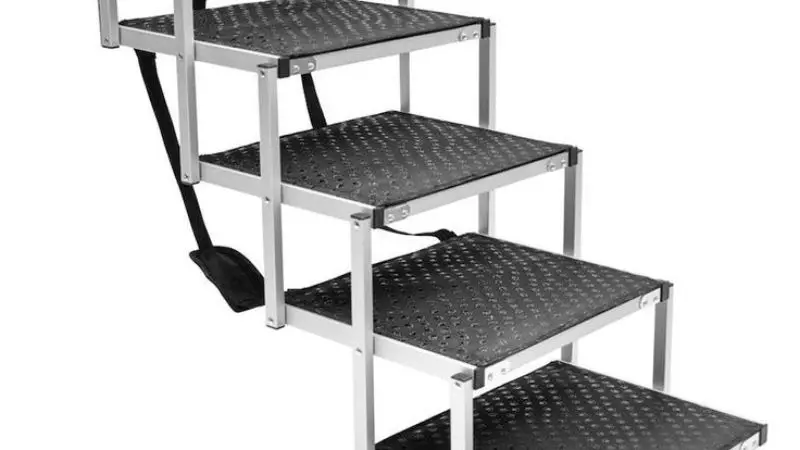
You can spot safe ladders for seniors by looking for special features. Non-slip feet keep the ladder from sliding on smooth floors. Handrails give you something to hold as you climb. Some safe ladders for seniors have locking mechanisms that stop the steps from folding up by accident. Wide steps give your feet more room and help you feel steady. You might also see bright colors or markings that make the edges easy to see. > Tip: Always check the label to make sure the ladder can hold your weight. When you choose safe ladders for seniors with these features, you lower your risk of falls and feel more confident every time you use them.
Ladder Setup and Inspection
Stable Surfaces and Locked Steps
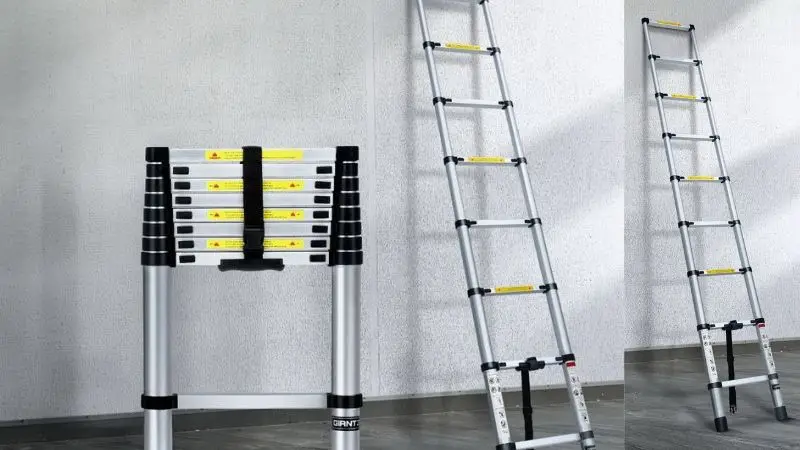
You want your ladder to stay steady every time you climb. Place your ladder on a flat, dry surface. Avoid soft ground, wet floors, or uneven spots. If you set up your ladder on carpet, make sure it does not wobble. Before you step up, check that all the feet touch the ground. Lock the steps in place. Most ladders have a locking bar or latch. Snap it shut so the ladder does not fold while you climb. You can also use the best step ladder for elderly with handrails. If you use a step ladder, open it all the way. Listen for the click that means it is locked. You can ask someone to check the setup if you feel unsure.
Checking for Damage
You want to keep your ladder in good shape. Look for cracks, bent steps, or loose screws before you use it. If you see rust or worn-out parts, fix them or get a new ladder. Damaged ladders can cause falls, especially for seniors. Run your hand along the rails to check for sharp edges. Make sure the rubber feet are not missing. If you spot anything wrong, do not use the ladder. You can write a note or put tape on it to remind yourself and others. Regular inspection keeps you safe and confident.
Climbing Techniques and Fall Prevention
Three Points of Contact
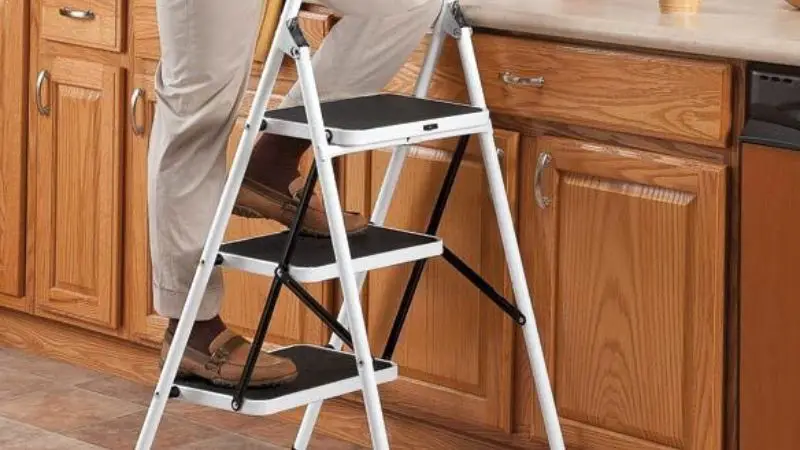
You want to climb safely every time you use a ladder. The best way to do this is by keeping three points of contact and also choosing safest ladder for elderly to use at home. This means you should have either two hands and one foot or two feet and one hand on the ladder at all times. When you move one hand or foot, make sure the other three stay in place. This simple rule helps you stay steady and lowers your risk of falls. If you carry something, keep it light so you can still hold on with at least one hand.
Avoiding Top Rungs
You might feel tempted to step on the top rung to reach something high. Try not to do this. The top rungs are not made for standing. They do not give you enough support. If you stand there, you can lose your balance and fall. Most ladders have a warning label near the top. Pay attention to it. If you cannot reach what you need, use a taller ladder or ask for help. Seniors should never risk their safety just to grab something out of reach.
- Check the ladder for a safe standing height.
- Stop climbing when you reach the second or third step from the top.
- Use both hands to hold on when you work.
Wearing Closed-toe Shoes
Your shoes matter when you use a ladder. Choose closed-toe shoes with non-slip soles. These shoes protect your feet and help you grip the steps. Avoid sandals, slippers, or shoes with smooth bottoms. They can slip off the ladder and cause accidents. Before you climb, check that your shoes are clean and dry. Wet or dirty shoes can make the steps slippery. Good shoes give you more confidence and help you climb safely.
Fall Prevention Assistance
Having Someone Hold the Ladder
You do not have to climb alone. When you use a ladder, ask someone you trust to stand nearby. This person can hold the ladder steady and watch for any problems. You feel safer when you know someone is there to help. If you start to lose your balance, your helper can react quickly. Remember, only one person on the ladder at a time. Your helper should stay on the ground and keep both hands on the ladder. This simple step gives you extra support and confidence.
Asking for Help
You might feel like you should do everything yourself, but asking for help is smart. Fall prevention assistance is not just about equipment. It is also about teamwork. If you feel nervous or unsure, call a family member, friend, or neighbor. Many seniors find that having help makes tasks easier and safer. You can also hire a professional for jobs that seem risky. Fall prevention assistance keeps you safe and lets you enjoy your home with peace of mind.
- Make a list of people you can call for help.
- Keep your phone nearby when you plan to use a ladder.
- Do not rush. Take your time and ask for support when you need it.
Alternatives to Ladders
Safety Step Stools
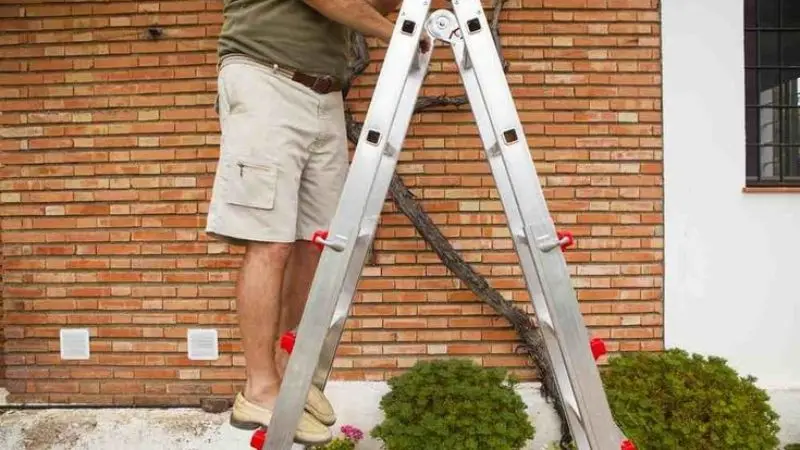
You might not need a tall ladder for every job at home. Safety step stools can help you reach shelves, cabinets, or light fixtures without climbing too high. These stools have wide steps and sturdy handles. You feel more stable when you use them. Some step stools even fold up for easy storage. Look for models with non-slip feet and a strong frame. You want a stool that stays in place and supports your weight. If you need to change a light bulb or grab something from a high shelf, a safety step stool makes the task easier. Never forget to choose lightweight step ladder with handrail for seniors.
Here are some features to look for:
- Wide, slip-resistant steps
- Easy-to-grip handles
- Lightweight design
- Rubber feet for stability
Professional Services
Sometimes, you face tasks that seem risky or hard to reach. You do not have to do everything yourself. Professional services can help with jobs like cleaning gutters, changing smoke detector batteries, or hanging curtains. You stay safe while experts handle the work. Many companies offer home maintenance for seniors. You can call and schedule help for big or small tasks. This option saves you time and gives you peace of mind. If you feel nervous about climbing, let a professional take care of it.
Home Organization Tips
Storing Items Within Reach
You want your home to feel easy and safe. Place everyday items where you can grab them without stretching or climbing. Store dishes, cleaning supplies, and favorite snacks on shelves at waist or chest level. You can use baskets or bins to keep things neat. If you have high cabinets, move less-used items up there. Label boxes so you know what’s inside. This simple change helps you avoid using a telescope ladder for small tasks. You save time and lower your risk of falls.
Reducing Ladder Use
You can cut down on ladder use with smart planning. Place hooks or racks at reachable heights for coats, towels, and keys. Use step stools only when you must, and pick sturdy ones with handles. Try to keep seasonal decorations, heavy pots, and extra blankets in low storage spaces. If you need to change a light bulb or reach a smoke detector, ask for help. Many seniors find that organizing their homes this way boosts safety and confidence.
- Keep a small grabber tool handy for picking up dropped items.
- Use drawer organizers to keep things visible.
- Move furniture so you can reach outlets and switches easily.
You make your home safer when you reduce the need for ladders. Small changes add up to big results.
Conclusion
If you are wondering what is the safest ladder for seniors? Keep these tips in mind to stay safe:
- Choose the best ladder for you
- Look for any broken parts
- Hold on with three points of contact
- Get help if you need it
You keep yourself safe when you are careful. Seniors can feel sure at home by putting safety first.
FAQ
What kind of ladder is safest for seniors?
You want a step ladder with wide steps, handrails, and non-slip feet. These features help you stay steady and feel secure.
Should you climb a ladder alone?
You should ask someone to help or stand nearby. Having support makes you safer and gives you more confidence.
How often should you check your ladder for damage?
- You should inspect your ladder before every use.
- Look for cracks, loose screws, or worn parts each time.