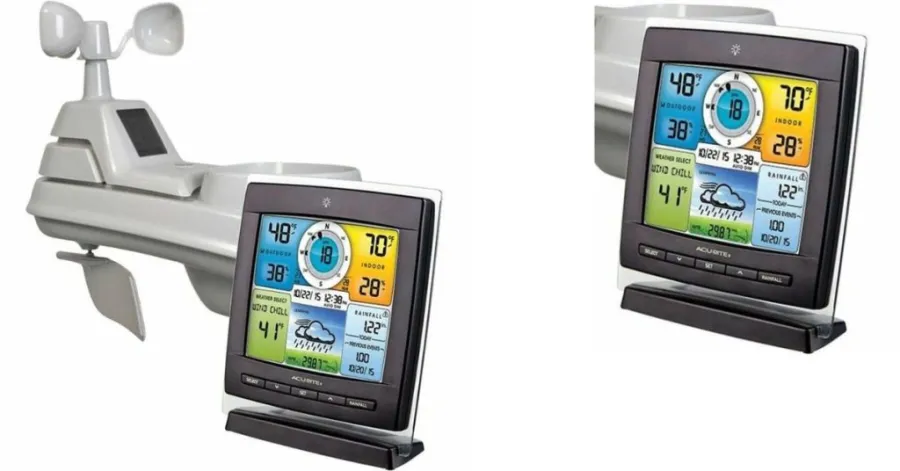
You might be wondering, “What is an automatic weather station?” An automatic weather station makes it easy to get weather data. You don’t have to do it by hand. You place the station in your area, and it operates independently. The station features sensors that monitor temperature and humidity. It also examines other aspects of the weather. Automatic weather station technology is a reliable method for tracking the weather. It helps you get to know your neighborhood better. You can see changes as they happen with real-time monitoring. You can make choices that will keep your area and climate safe.
What Is an Automatic Weather Station
Automated Weather Monitoring
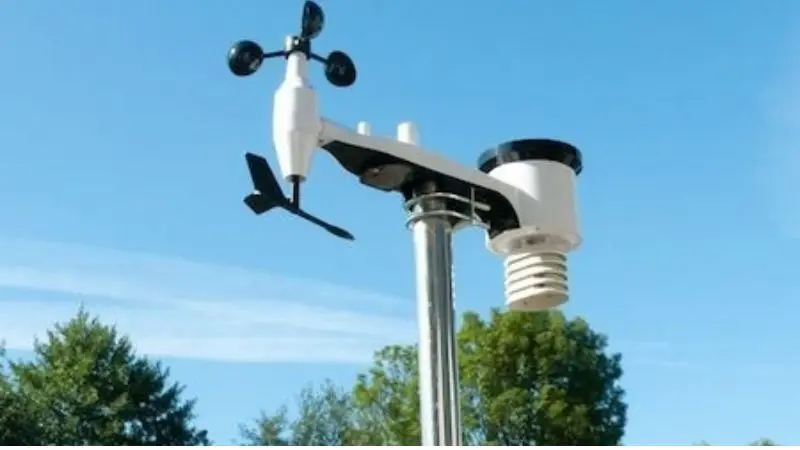
What is an automatic weather station, and how does it help you? This technology provides a convenient way to monitor the weather without having to do the work yourself. You set up the station in your area. The sensors begin collecting data immediately. You get updates on temperature, humidity, and other weather changes. You do not need to check the readings manually. The station sends the data to your computer or phone. You see the results in real time.
Many people use these stations for weather monitoring. You can see how the weather changes over time. You learn about rainfall, wind speed, and sunlight. The station continues to operate even when you are not present. You get a clear picture of your local weather. This makes weather monitoring easy and reliable.
How AWS Works
When you ask, What is an automatic weather station, you also want to know how it works. The station uses sensors to measure different weather factors. Each sensor collects data about temperature, humidity, wind, and rain. The station stores this data and sends it to you. You do not need to visit the station to get the information. Here is a simple table that shows what each sensor does:
| Sensor Type | What It Measures | Why It Matters |
| Thermometer | Temperature | Tells you how hot or cold it is |
| Hygrometer | Humidity | Shows moisture in the air |
| Anemometer | Wind Speed/Direction | Helps you know wind changes |
| Rain Gauge | Precipitation | Tracks rainfall amount |
| Barometer | Air Pressure | Predicts weather changes |
You can use the automatic weather station to collect data every minute or hour. The station sends the data through wireless signals or cables. You get the information on your device. This makes weather monitoring simple for you. You do not need to worry about missing essential weather changes.
Key Features of an Automatic Weather Station
Sensor Types
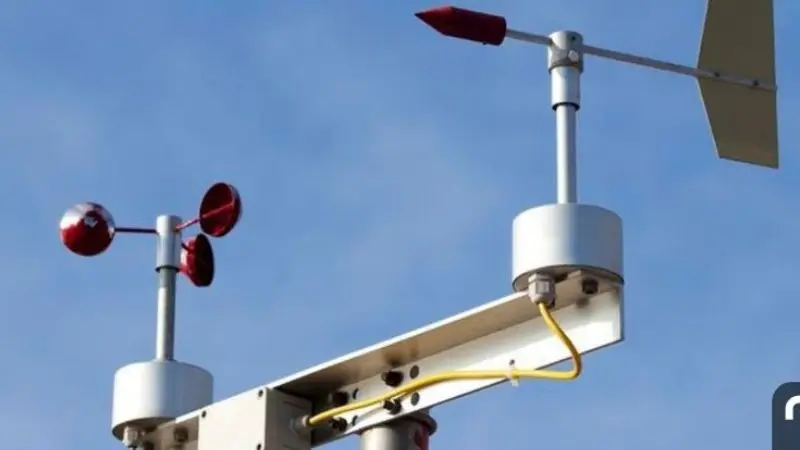
When you use an automatic weather station, you depend on sensors to collect weather data. Each sensor checks a different weather factor. You can find sensors for temperature, humidity, wind speed, wind direction, precipitation, barometric pressure, and solar radiation. These sensors help you know the weather in your area. Here is a table that shows the main sensors and types of automatic weather stations:
| Sensor | Meteorological Parameter | Purpose |
| Thermometer | Temperature | Measures how hot or cold it is |
| Hygrometer | Humidity | Shows moisture in the air |
| Anemometer | Wind Speed/Direction | Tracks wind changes |
| Rain Gauge | Precipitation | Records rainfall |
| Barometer | Barometric Pressure | Detects air pressure changes |
| Pyranometer | Solar Radiation | Measures sunlight |
Data Transmission
You do not have to go to the station to get weather data. The automatic weather station sends the data to you. You can get updates on your computer, tablet, or phone. The station utilizes wireless signals, cellular networks, or satellite links to transmit the data.
Many stations save the data in a built-in logger. This means you can examine historical weather data and observe patterns over time. You can also set up alerts. If temperature or humidity changes rapidly, you receive an immediate warning. This helps you act quickly when the weather changes.
- You can see real-time weather data from anywhere.
- You can download old data for research or reports.
Durability and Power
Want to know what an automatic weather station is and how it works? Most stations have strong cases that protect the sensors from rain, wind, and sunlight. The materials are resistant to rust and breakage. This ensures your weather data remains accurate, even during storms.
You do not need to worry about power. Many stations use solar panels to charge their batteries. Some use regular batteries or plug into an electrical outlet. Solar power enables the station to operate in remote locations where wires are not feasible. The station operates continuously, 24/7, so you never miss important weather data.
Weather Data and Applications
Collecting Data
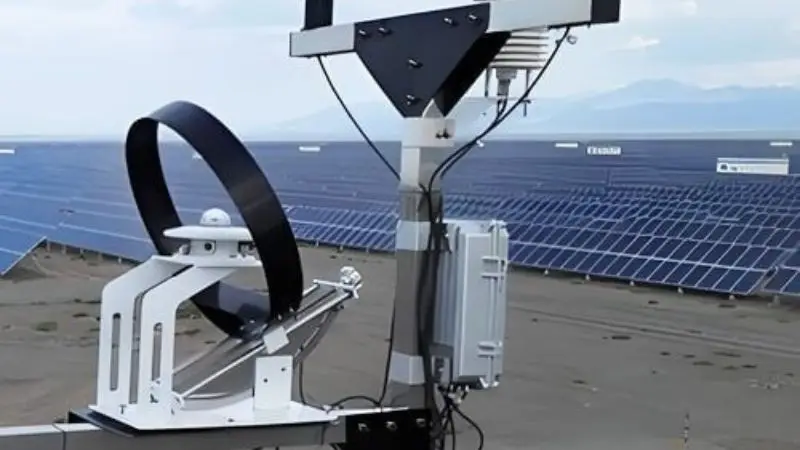
You can trust automatic weather stations to give you good data. Every minute, these stations gather weather data. You can see the temperature, humidity, wind speed, and amount of rain. The sensors work together to get weather data. You can see changes in your neighborhood right away. This allows you to monitor the environment and make informed plans.
Many stations retain data for weeks or even months. You can look up old weather patterns. You use this information to spot patterns and make wise choices. Collecting data is beneficial for both research and weather prediction. You don’t have to go to the station yourself. Updates are sent to your device by the system. You can always obtain the latest weather information for your area.
Forecasting
You use weather data to guess what will happen next. Good data is essential for weather forecasting. Your station helps you with weather forecasting. The sensors check air pressure, temperature, and wind. You see how the weather changes over time. This enables you to get ready for storms or dry days.
Meteorological forecasting support helps you plan your day. You know when it might rain or get windy. You use weather forecasting to keep your family safe. The station provides you with updates immediately. You make wise choices with the latest weather news.
Use in Farming and Research
Farmers use automatic weather stations to help them with their work. You keep track of the rain, temperature, and sunlight. This tells you when to plant or harvest crops. You protect your fields by monitoring the environment. The station informs you about changes in the weather and the moisture level of the soil.
Researchers need stations to gather weather data. You look at weather events and climate patterns. The information will help you learn more about your surroundings. You use the station for long-term tests and checks. This helps with farming and science in general.
Advantages and Limitations
Advantages
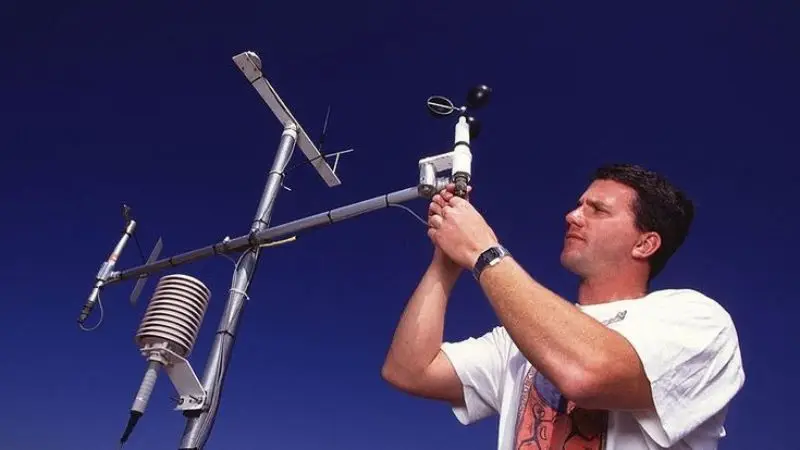
There are a lot of good things that can happen when you use an automatic weather station. The station saves you time because it gets weather data on its own. You don’t need to check the sensors yourself. You always know what’s going on with the weather in your area because the system sends you updates right away. You can check the weather on your phone or computer. This helps you make decisions quickly. Here are some of the main benefits:
- The station operates independently, saving you time.
- You can see changes in the weather right away.
- You can look up weather information from any location.
- The sensors give you accurate information about temperature and humidity.
- You guess what the weather and climate will be like in the future based on the data.
Challenges
Here are some issues with using an automatic weather station. You should check the sensors regularly to ensure they are functioning properly. The sensors can give wrong information if there is dust, rain, or snow. For optimal results, it is essential to clean and maintain the station. Here is a table with some common problems and how to fix them:
| Challenge | Solution |
| Sensor errors | Clean and check sensors |
| Power issues | Use solar panels or backup batteries |
| Harsh climate conditions | Pick strong station models |
| Data loss | Look at data logs and backups |
Conclusion
How does an automatic weather station keep track of the weather? Getting weather data is easy with an automatic weather station. The sensors provide information about the temperature, humidity, and other environmental conditions. You can trust these stations to give you real-time updates. They let you see the weather as it happens. Before you choose a station, consider what is beneficial and what is challenging. Ensure the features are suitable for you.
FAQ
What is the primary job of an automatic weather station?
An automatic weather station helps you get weather data without having to do it by hand. The station provides live updates on temperature, humidity, wind, and rain. This enables you to stay informed about the weather and make informed decisions.
What powers an automatic weather station?
Most stations use solar panels to charge their batteries. Some people use regular batteries or plug them into an outlet. You can put the station in remote areas because it runs on solar power. You don’t have to worry about losing control.
Can you set up an automatic weather station anywhere you like?
You can put up a station in almost any place. Many stations operate in fields, forests, mountains, or backyards. If you plan to use it in bad weather, ensure you choose a sturdy model.
How often do you need to maintain the sensors?
To make sure they work as well as possible, check and clean the sensors every few weeks. The readings can be affected by dust, rain, or snow. Taking care of your station regularly ensures that your data stays accurate and that it runs smoothly.