Every driver should know how to properly jack up a car so that they can do repairs or deal with emergencies safely. If you don’t see what you’re doing, you could use the wrong equipment, lift points, or practices that could hurt you or harm your car.
This article will show you a step-by-step guide to jack up a car. We’ll show you how to pick the right tools, find the safest jacking spots, and use tried-and-true procedures. You can safely raise your automobile for tire changes, brake replacements, or basic maintenance if you know these instructions.
Preparation for Safe Jack Operation
Surface and Parking
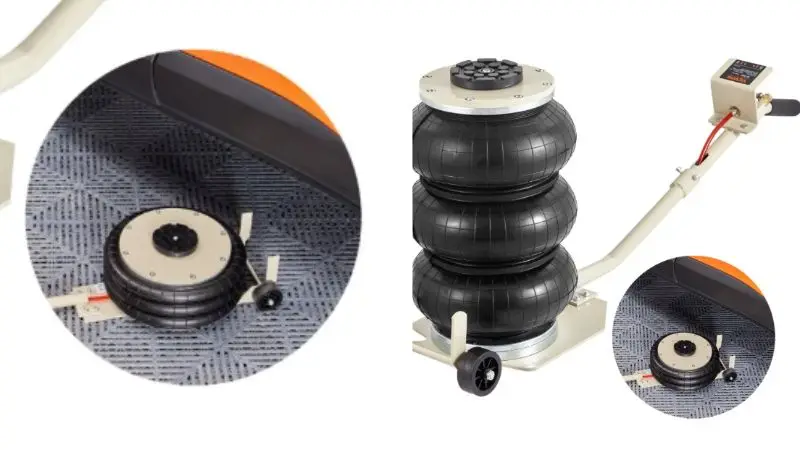
Pick a level, hard surface, such as a concrete driveway or garage floor, before you start. Don’t walk on grass, gravel, or uneven ground. Move your automobile to flat ground if it is on a hill. A stable surface is the first step in lifting a car with a floor jack. This keeps the automobile from moving or tumoring while you lift it.
Tip: If you have to work outside, put a thick piece of plywood under the jack to make it more stable.
Parking Brake and Gear
Set your parking brake as soon as you reach a safe place. This keeps your car from rolling. Put the gear in “Park” if you drive an automatic. If you have a manual, put it in first gear or reverse. These steps are part of essential carjacking techniques that add another layer of safety.
Wheel Chocks
Wheel chocks are blocks that stop your car from moving. Put them in front of and behind the tires that will stay on the ground. If you don’t have anything else, you can use bricks, rubber chocks, or plastic chocks. Always make sure the chocks fit tightly against the tires. Put chocks on both sides of at least one tire, making sure they touch the tire firmly. This basic step is essential for how to safely jack up a car for a tire change, as it keeps the vehicle from moving during the process.
Tools and Safety Gear
Get all your tools together before you start. Here’s a short list:
| Tool | Purpose |
| Jack | Lifts the car |
| Jack stands | Holds the car up safely |
| Wheel chocks | Stops the vehicle from moving |
| Gloves | Protects your hands |
| Safety glasses | Shield your eyes |
Put on gloves and safety eyewear to keep dirt, sharp edges, and flying debris from getting on you. Before you use your tools, always look them over to make sure they aren’t broken. If you want to learn the step-by-step guide to jack up a car, start by gathering the necessary tools.
How to Properly Jack Up a Car
Find Jacking Points
You need to know where your car can safely hold the weight of a jack. There are strong locations under the frame or around the wheels on every vehicle that are called jacking points. Finding these places before lifting is one of the most essential carjacking techniques.
Look in your owner’s manual for a picture or markings. If you don’t have one, search beneath the car for notches or extra metal, which are generally behind the front wheels or in front of the back wheels. Don’t assume where to lift, because doing it from the wrong place will bend metal or create expensive damage.
Choose the Right Jack
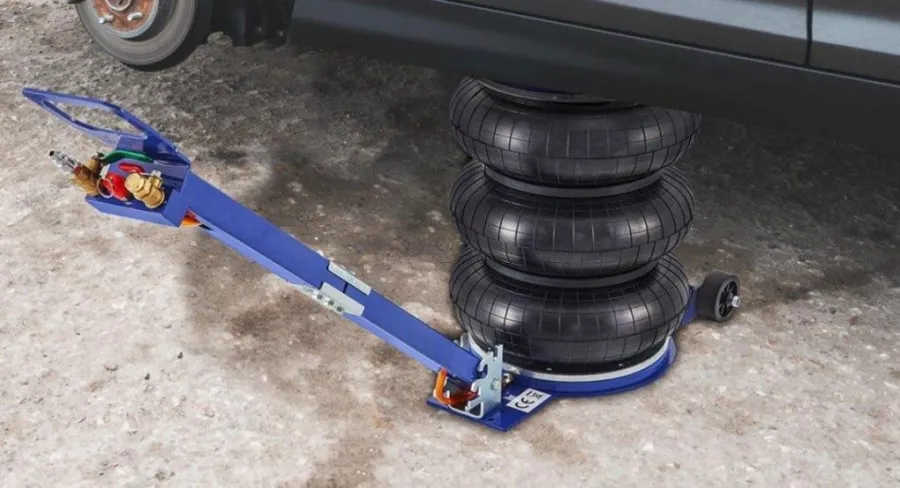
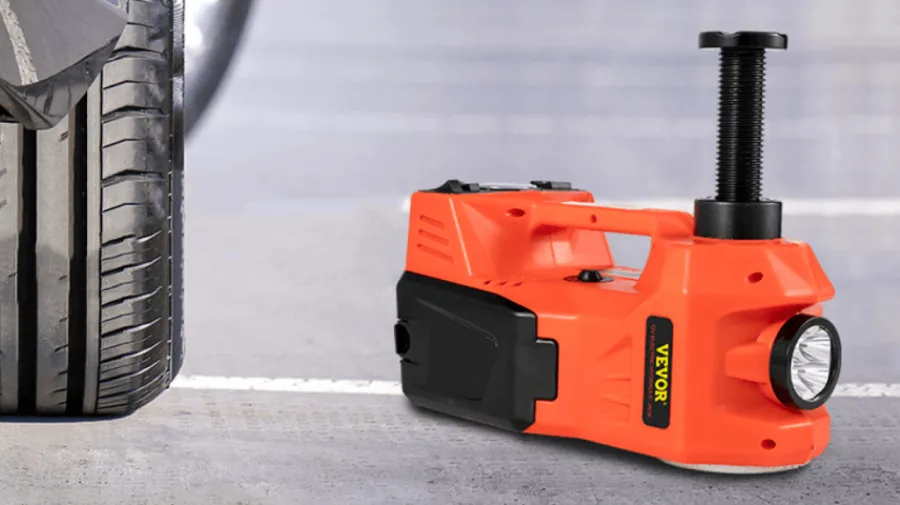
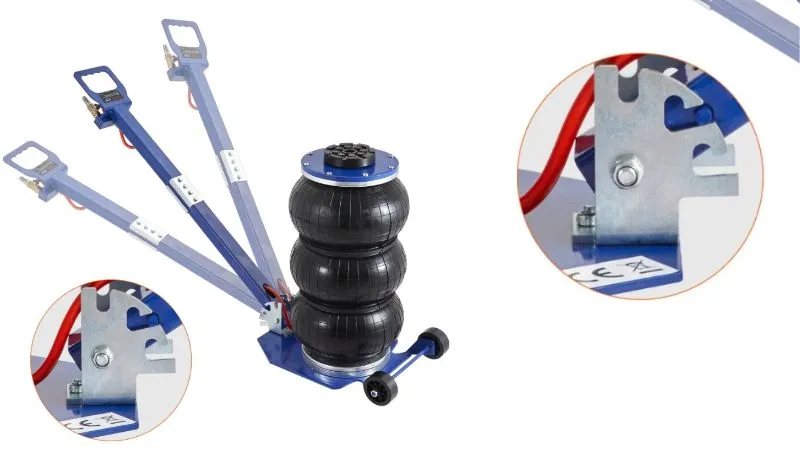
When it comes to jacks, you have a few options. Scissor jacks and hydraulic floor jacks are the two most prevalent varieties. Many cars come with scissor jacks, which look like a metal tool that has been folded. To raise your car, simply turn a handle. Using a hydraulic jack relies on oil and a pump to lift your vehicle with less effort. These jacks are heavy yet work faster.
This table can help you compare quickly:
| Jack Type | Pros | Cons |
| Scissor Jack | Small, easy to store | Slow, less stable |
| Hydraulic Jack | Fast, potent, stable | Heavy, takes up space |
How to lift a car for maintenance safely begins with choosing a jack that’s the right size for your vehicle. Look at the label to see how much weight it can raise. You need a stronger jack if you drive a truck or SUV. Always put the jack on a flat surface and line it up with the location where you want to jack it up. Using the correct jack makes it safer and easier.
Jack Stands
Before you remove your car, make sure it is parked on a flat, sturdy surface and the parking brake is on. Put wheel chocks behind the tires to keep them from rolling. Wear safety clothing and make sure you have the necessary tools, such as a jack and jack stands.
It’s crucial to know how to lift a car for brake replacement appropriately when replacing brake pads. Place the jack under the lift point that the manufacturer suggests, carefully raise the automobile, and then use jack stands to hold it in place before you start working. This keeps you secure and stable as you work beneath your car.
Lifting a Car with Safe Practices

Position the Jack
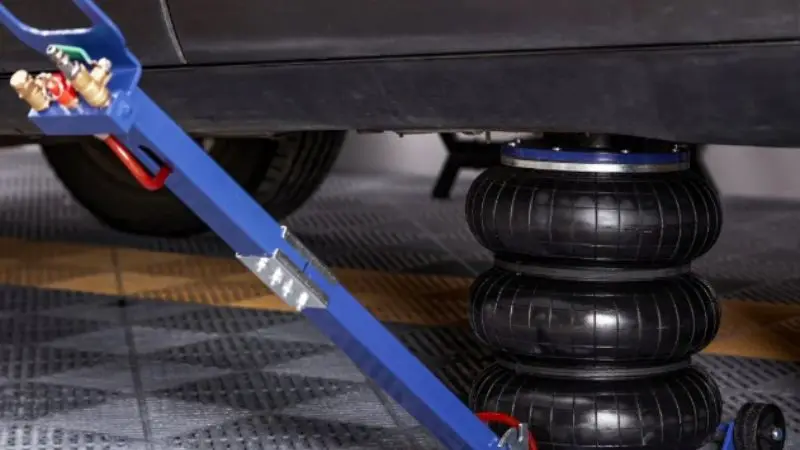
Put your jack beneath the car and line it up with the jacking point you found previously. The jack pad should sit on a substantial piece of metal, not plastic or thin metal. If you’re not sure, look in your owner’s manual again. Proper placement is key to safe carjacking techniques.
Tip: If you can’t see the jacking point well, use a flashlight.
Get rid of anything that can get in your way and clear the area around you. Make sure you have adequate room to spin or pump the handle so that the lift goes smoothly.
Raise the Car
It’s time to lift now. Slowly turn or pump the jack handle and watch the car lift. The automobile should travel smoothly. If you hear weird noises or see the car move, stop right away. Safety comes first, so lower the car and verify your setup. Lift the vehicle till the tire is barely off the ground.
If you need extra room, elevate a little higher, but don’t go above the jack’s maximum. When you raise, keep your hands and feet away from the jack. You might be wondering how to jack up a car without making mistakes. The answer is to take your time and pay attention to every step. You can avoid making mistakes and be safe by following a step-by-step guide to jack up a car.
Check Stability
Once the car is up, give it a light push from the side. The car shouldn’t shake or move. Lower it and try again if it feels wobbly. Make sure the jack is always level with the ground. You can work safely if your car is stable.
Warning: Never get beneath the car when it’s merely on the jack. Before you go under, always use jack stands.
If you take your time at this phase, you can avoid accidents. Following the steps for how to safely jack up a car for a tire change gives you the confidence and care needed to do the job well.
Securing a Car with Jack Stands
Place Jack Stands
It’s time to employ jack stands now that your automobile is up. Take your jack stands and put them under the car. Find the support points close to the jacking points you used before. These places are robust enough to hold the weight of your vehicle. Check that each stand is level with the ground. Change the height so that both stands are the same. You want the car to sit equally. It’s essential to put jack stands in the right place when lifting a car with a floor jack so that it stays balanced and safe.
Always use two jack stands, even if you only need to elevate one side. This keeps your car safe and balanced.
Lower Onto Stands
You may lower the automobile now that the jack stands are in position. Slowly turn the jack handle. Look at the automobile as it settles down on the stands. Pay attention to any odd sounds. The car should rest comfortably on the stands and not fall or move. Stop and recheck the stands if you see the automobile move. First thing is safety.
Lower the automobile until the jack stands are holding all of its weight. Check that the jack stands are locked in position. Take the jack off when the car is safe. When using a hydraulic jack, controlling the lowering process carefully is essential for safety.
Double-Check Stability
Recheck everything carefully before you get beneath the car. Push the vehicle gently from the side. It shouldn’t move or shake. If it moves, lift the vehicle again and change the stands until it seems stable. Before you start working, you need to be sure that the car is stable.
Don’t trust the jack by itself. Always use jack stands to protect yourself.
These safety procedures can help keep you and your car safe every time you work under it.
Lowering the Car in Safe Steps
Remove Jack Stands
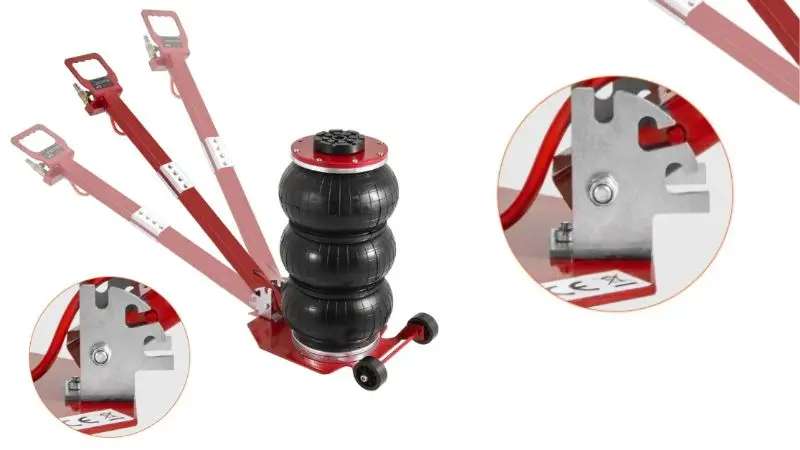
Now that you’ve finished working under the automobile, it’s time to drop it back down. Put your jack back under the same jacking point you used previously. Lift the automobile just high enough so that the jack stands don’t have to hold it up. Take each stand out from beneath the car with care and put them in a safe place. Don’t rush this phase. If you feel any resistance, stop and make sure the automobile is stable.
Tip: When you take the stands down, make sure your hands and feet are not in the way.
Lower the Car
Slowly lower the car by rotating the jack handle after taking off the jack stands. The car should come to a stop on the ground. Stop and inspect your setup if you hear weird noises or see the car move. Lower the vehicle in gradual steps, ensuring that all four tires touch the ground. Take the jack off when the car is level.
Use ramps to make subsequent jobs easier. You don’t have to jack up the automobile to drive up and down. Ramps are helpful for quick checks or oil changes. Following the proper steps of how to lift a car for brake replacement ensures safety and ease during the process.
Safety Check
You finished bringing the automobile down. Now, go around and search for any faults. Make sure the tires are flat and the car feels stable. Check for leaks, loose pieces, or anything else that seems off. If you see a problem, correct it before you leave.
Warning: Always wear safety glasses and gloves, even when you’re done.
You can learn how to securely jack up and lower an automobile by following a step-by-step guide. These last steps help you stay safe and keep your car in good repair.
Conclusion:
Knowing how to properly jack up a car ensures that every step you take is safe and sure. Park on a flat, stable surface first, and then use chocks and the parking brake to keep your wheels from moving. Always find the right places to jack up your car and utilise a jack that fits it. Don’t forget to use strong jack stands to hold up your automobile and confirm that it is stable before you start working under it. If you’re using a hydraulic jack or following a step-by-step guide to jack up a car, you need to be patient and pay attention to the details. Every time you do your car maintenance, it gets safer and easier with these recommendations.
FAQ
How do you know if your jack is strong enough for your car?
Check the label on your jack. It shows the weight it can lift. You want a jack that can handle your car’s weight. You can find your car’s weight in the owner’s manual or on a sticker inside the driver’s door.
Can you jack up a car on gravel or grass?
You should avoid lifting your car on gravel or grass. These surfaces can shift or sink. Always look for a flat, hard spot, such as concrete. If you have no choice, place a thick board under the jack for better support.
Do you need to use jack stands every time?
Yes, you always need jack stands. Jacks can slip or fail. Jack stands keep your car safe and steady. Never trust just the jack, even for quick jobs like changing a tire.
Tip: Always double-check that your jack stands lock in place before you start working.
What should you do if your car starts to slip while lifting?
Stop right away. Lower the car slowly and check your setup. Make sure the jack sits on a flat surface and lines up with the jacking point. Never try to fix a slipping car while it’s in the air.