Want to know how to use a heat press machine for your DIY crafts? You’re in the right place! Whether you’re customizing a T-shirt, tote bag, or mug, a portable heat press makes it super easy—even if you’re just starting out. This beginner-friendly guide shows you exactly how to use a heat press from setup to your first transfer.
Select the design that you like, and start working using your materials, and you will see how quickly and why it is enjoyable to get a professional appearance. You can have your DIY projects mastered in no time with the right steps.
Understanding the Basics of a Portable Heat Press
If you enjoy creating or making custom clothing, you can have a new working method with the aid of a small tool. Whether you need to apply pressure on the go or are in a small office, a portable heat press is adaptable and practical. Additionally, it produces expert results without the need for a large machine. We ought to examine more closely how this handy gadget can function and why it is the best tool for both novices and small enterprises.
What Is a Portable Heat Press?
A portable heat press is a smaller version of a traditional heat press. You can hold it in one hand and use it on any flat surface, like your kitchen counter or crafting table. Often called a handheld heat press, it uses heat and pressure to apply designs to fabric, paper, and more. You simply plug it in, adjust the temperature, wait for it to heat up, and press it down over your design.
Just like a standard press, it transfers images using heat and pressure—but with greater flexibility. It’s ideal for working on t-shirts, bags, hats, and small craft items without needing a dedicated studio space. This makes it one of the best portable heat presses for t-shirts and DIY crafts.
Why Use a Portable Heat Press for DIY Projects?
A portable heat press machine under HTV vinyl or any other fabric is the most convenient thing that crafters, hobbyists, and beginners can enjoy. It is very practical in case you are low on space or have a new set. The best reasons why it is outstanding are as follows:
- Easy to Use – Simple temperature settings make it beginner-friendly.
- Saves Space – Its compact size makes storage easy.
- Quick Setup – Get started with your project in minutes.
- Versatile – Works well for t-shirts, tote bags, pillowcases, and more.
- Great for Small Projects – Ideal for trying new ideas or making personalized gifts.
You can choose to experiment with heat transfer vinyl or whichever way you like to create your shirts using the heat press that is made on the go. It is a very necessary day-to-day tool when one desires to engage in any form of avant-garde personal or professional project at home.
Set Up and Preparation for a Successful Project
However, prior to getting into your creative process, it is recommended to plan and prepare your workplace. With an optimal arrangement, crafting becomes less dangerous, quicker, and more fun. Regardless of whether you are just getting started at making quality crafts or you are operating a portable heat press business to make professional-quality crafts, an easy start will guarantee good-looking results all the time.
Creating a Safe and Functional Workspace
Begin with a flat, stable surface such as the kitchen table or desk. This would be enough space for you to move your heat press machine. Clean up the mess to prevent errors and have a clean workspace. After selecting a location, unpack your portable heat press and ensure that you keep the cord out of traffic so that you do not end up tripping on it or damaging it in the process.
Before you start, allow your press to become hot. Such is essential to even long-duration transfers. When working with portable heat presses in most cases on HTV vinyl, a good, even surface heat will assist with the proper bonding and longevity of the vinyl. It is always good to go through the manual of your machine and read the safety precaution that comes with it.
Choosing the Right Materials and Designs
Now it is the time to pick your materials and design. Most of the heat transfer media, e.g., vinyl, transfer papers, or iron-on sheets, can work with your portable heat press. All the materials require special guidelines; read them well. This will prevent materials from being wasted and will yield good results.
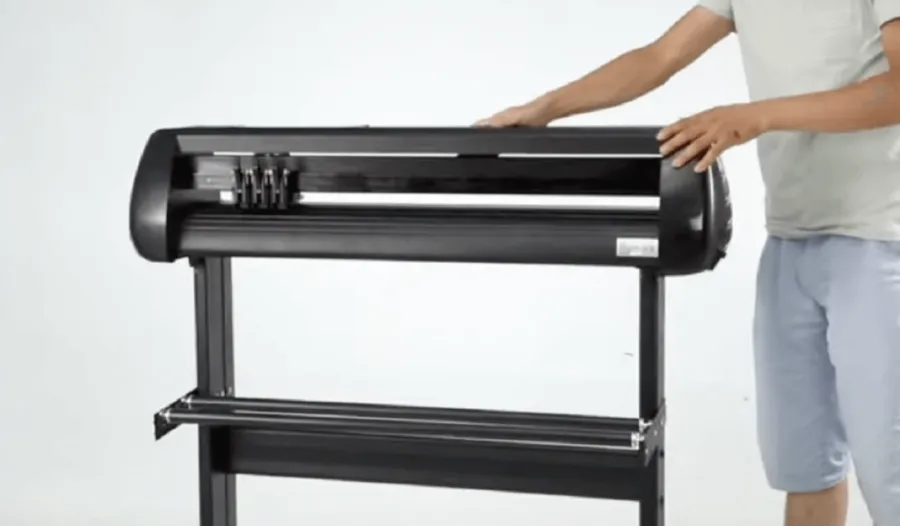
Choose a design that will suit your project and cut a size out of your material. When utilizing a cutting machine, you would want to ensure that your settings are smoother and cleaner. No matter your project, whether it is t-shirts, tote bags, or pillowcases, you should also make use of the proper material in order to enhance your design.
The way to be successful is to prepare. When you understand how to use a portable heat press, it becomes easier to realize that good preparation and a proper setup make your crafting sessions more fun and achieve your desired results quicker and with better outcomes.
Step-by-Step Heat Press Process for DIY Success
When the workspace is set, and materials are at hand, the transfer process should start. Believe me, even if you are new to this, it is quite easy to operate a portable heat press when you go through each step carefully. Eventually, you will know how to design custom patterns on t-shirts, tote bags, and many others. This tutorial will enable you to become comfortable at every step, including the setup and the final peel.
How to Use a Heat Press Machine
To start, plug in your portable heat press and place it on a flat, heat-safe surface. Once it’s turned on, set the right temperature based on your heat transfer material. Wait until it heats up completely before use. Lay your fabric flat and place the design on top, making sure it’s positioned correctly.
Hold the heat press machine firmly over the design. Apply steady pressure and hold for the recommended time. After pressing, let it cool for a few seconds. Then, peel away the backing slowly. If any part lifts, reapply the heat briefly for better results.
Adjusting Temperature and Time Settings
To make proper transfers, one also needs to set the proper heat and time. The setting needed by different materials varies, and each setting is incorrect, which may ruin your project. As an instance, heat transfer vinyl tends to perform better at 305°F for 10 to 15 seconds, whilst transfer paper might require greater heat or a more prolonged duration.
Follow the instructions in your material, and just to start, make sure to test on another piece of fabric first. Undue heat can burn, whereas low heat can lack the transfer of the design. When you learn the reaction of your portable heat press for HTV vinyl, you will get clean and durable results in all your crafty activities.
Pressing and Peeling Techniques
Excellent results, however, are determined by the quality of the pressing and peeling of your design. Apply even pressure, not too hard. Alternately, roll the portable heat presser with little companies or trades in tiny circles when necessary to distribute heat evenly.
Following the transfer, allow the design to cool a little unless you need it to have a hot peel. In case of lifting, simply reheat lightly. Such pressing and peeling techniques will help anyone to understand how to use a portable heat press and produce professional results every time.
Heat Press Tips and Troubleshooting for Better Results
After you understand the principle of applying a portable heat press, the next step is to master the approaches and comprehend the ideas of rectifying the common problems. Minor investments and education can transform your DIY work into magnificent ones. The information above will help you work confidently, whether you are a hobbyist crafter or you intend to grow your portable heat press into a small business.
Tips for the Best Results Every Time
Getting perfect results starts with small, smart habits. These tips can help you improve the outcome of every project using your heat press machine:
- Preheat your fabric before pressing to remove wrinkles and moisture.
- Use a lint roller to clean the fabric surface.
- Double-check your design placement using tape or a ruler.
- Always test on a scrap fabric first.
- Move the portable heat press in slow circles for even heat.
- Let the material cool before peeling, unless your vinyl calls for a hot peel.
- Store your press safely so it’s always ready for your next craft.
By taking these simple actions, you can enhance your performance and prevent errors.
Common Problems and How to Solve Them
Minor problems can still arise even with the best preparation. Don’t worry if your project doesn’t work out flawlessly the first time. Once you figure out what went wrong, most heat press issues for portable crafting are simple to resolve. Here are a few typical ones and how to deal with them:
- Design not sticking – Try increasing pressure or heat time. Make sure you’re using the correct temperature.
- Edges peeling up – Repress the area for a few more seconds using steady pressure.
- Burn marks – Lower your temperature setting. Check the material guidelines.
- Uneven transfer – Apply even pressure and move your handheld heat press in small circles.
Each time you troubleshoot, you learn more about how to use a portable heat press correctly. The more you practice, the more confident you’ll become.
Wrap Up
Making your do-it-yourself projects a reality is easy and enjoyable when you use a portable heat press. Whether you’re creating personalized t-shirts, tote bags, or experimenting with new crafts, this small tool allows you to achieve expert results at home. You can become proficient with a portable heat press very quickly if you have the proper equipment, supplies, and practice.
Beginners, enthusiasts, or anyone launching a small business using a portable heat press will find it ideal. Keep in mind to enjoy the process, apply constant pressure, and follow each step. Over time, each heat press project you finish will showcase your inventiveness.
FAQ
How do you clean a portable heat press?
You can unplug your heat press and let it cool. Wipe the surface with a soft, damp cloth. Avoid harsh cleaners. If you see sticky residue, use a little rubbing alcohol. Always keep your machine dry before plugging it back in.
Can you use a portable heat press on any fabric?
Most fabrics work well, like cotton and polyester. Some delicate fabrics, such as silk or nylon, may melt or scorch. Always check the care label first. Test your heat press on a scrap piece if you feel unsure.
Why isn’t my design sticking to the fabric?
You might need more heat or pressure. Double-check your temperature and time settings. Make sure your fabric is clean and dry. If the edges lift, press again for a few seconds.
Do you need special paper for a portable heat press?
Yes, you need heat transfer vinyl, transfer paper, or iron-on material. Regular printer paper will not work. Always use the right material for your project. Check the instructions on your transfer paper for best results.