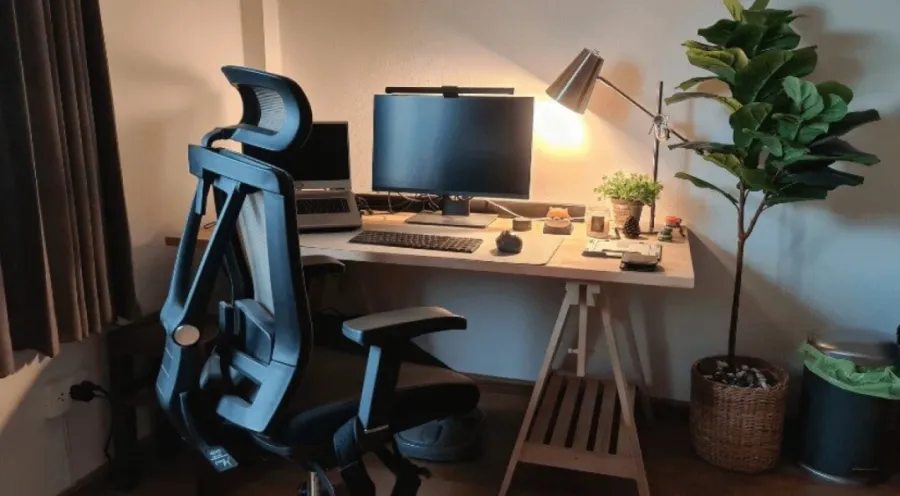
In your leisure office hours, you definitely move to the back of your chair to release stress and tiredness. All of a sudden, your chair is leaning too far back. It’s frustrating when your chair doesn’t stay in place. You might try adjusting the settings, but it still doesn’t seem to help.
This is a common issue that every working person faces with their chair. Over time, office chairs can lose their stability due to worn-out parts. Many people face this problem, but fixing it isn’t always clear.
In this article, you will explore the reasons and techniques of how to prevent office chair from leaning back. So, keep reading to explore it.
Why Does Your Office Chair Lean Back? Five Common Reasons
There are multiple reasons behind the leaning back of the office chair. Many people don’t know why this happens or how to fix it. Most of the time, the problem is simple and easy to understand. Let’s look at five common reasons and then explore a technique to prevent office chair from reclining.
Old Tilt Mechanism or Springs

Most office chairs have a tilt system under the seat. This part helps the chair move back and forth. Over time, the tilt lock or springs can wear out. If they get weak or break, the chair won’t stay upright. It may lean too far back, even when you try to sit straight. You may hear squeaking sounds. This means the tilt part is getting old.
Broken Gas Cylinder or Parts
The gas cylinder is the part that moves your chair up and down. It’s the metal tube under the seat. If this part breaks or leaks, your chair can start leaning backward. You might notice the chair won’t stay at the right height. It may sink slowly when you sit. This shows the gas pressure is weak. Sometimes, the gas lift can also shift and cause the chair to lean one way.
Weak or Broken Chair Base
The chair base is the big part at the bottom with the wheels. It holds the whole weight of the chair and the person sitting on it. If the base is cracked or bent, the chair won’t sit level. It might lean back or to the side.
This often happens when the chair is old or used too roughly. Sometimes, one of the wheels may be missing or not working properly. That can also cause the chair to tilt.
Misaligned or Broken Backrest of Chair
Sometimes the backrest of your chair is loose. If it’s loose or broken, the chair can lean back too far. One of the main reasons behind it is that screws or bolts may fall out or shift over time.
You may hear clicking sounds or feel like the chair won’t stop leaning. Also, if the backrest is tilted and won’t move back to normal, it’s likely misaligned. This puts more pressure on the tilt system, which can break other parts too.
How to Repair the Leaning Back Office Chair? 5 5-Step-by-Step Guide
When your office chair is leaning back, then it’s time to fit it. The overall process is simple and doesn’t need any professional help. Just read the steps below and follow them to know how to fix the office chair leaning back.
Step No. 1: Identify the Problem in the Chair

Before you start fixing anything, figure out what’s wrong with your chair and then collect the tools. Is it leaning back too far? Does it feel wobbly? Look for parts that seem loose or broken. If you find any damaged or worn-out parts, that’s where you’ll need to focus your repair. The first step takes time, and make sure to inspect the whole part of the chair.
Step No. 2: Tighten Loose Screws and Bolts
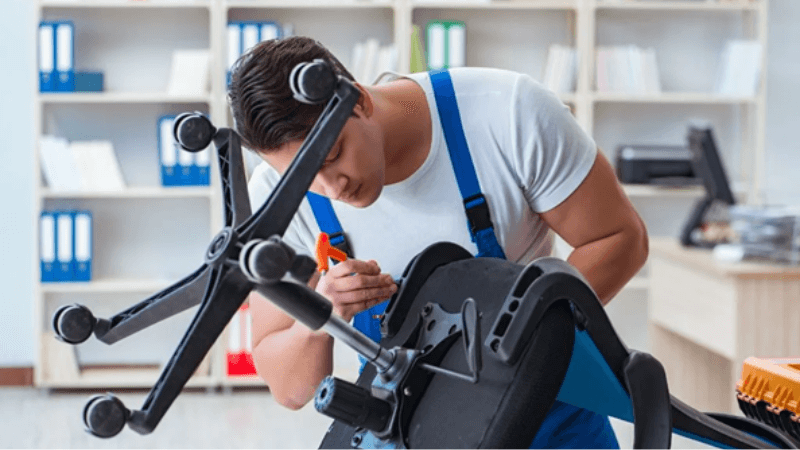
If you figure out the chair screws or bolt losses, it’s time to fix it. You can use a screwdriver to tighten any screws around the seat and backrest. Don’t forget the base of the chair, too.
Tightening everything up can stop the chair from leaning back. This is one of the easiest fixes, and it might just do the trick. Be sure to check for any screws that look rusty or worn out, and replace them if needed.
Step No. 3: Check the Gas Cylinder of the Car
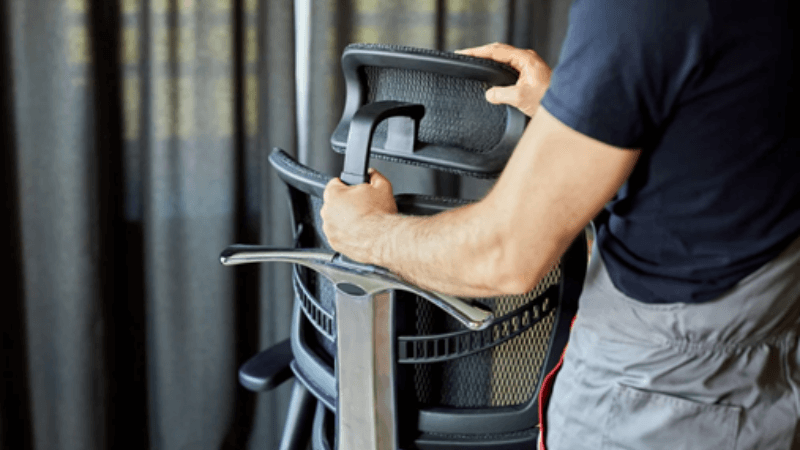
Sometimes, the gas cylinder causes issues, and the chair produces annoying sounds. The gas cylinder controls the height and stability of your chair. If it’s broken or leaking, your chair won’t stay level. To check the gas cylinder, see if your chair keeps sinking lower. If the cylinder is the problem, you’ll need to replace it.
Step No. 4: Fix the Tilt Mechanism Properly
If the tilt mechanism is broken or not locking properly, it can cause your chair to lean back. The tilt mechanism enables you to recline. Over time, parts can wear down, or dirt can build up and cause problems.
Check under the seat for the tilt lock. If it’s dirty, clean it carefully. If it’s broken, you might need to replace it. Replacing it will restore the stability of your chair.
Step No. 5: Replace the Chair Base or Backrest (If Necessary)
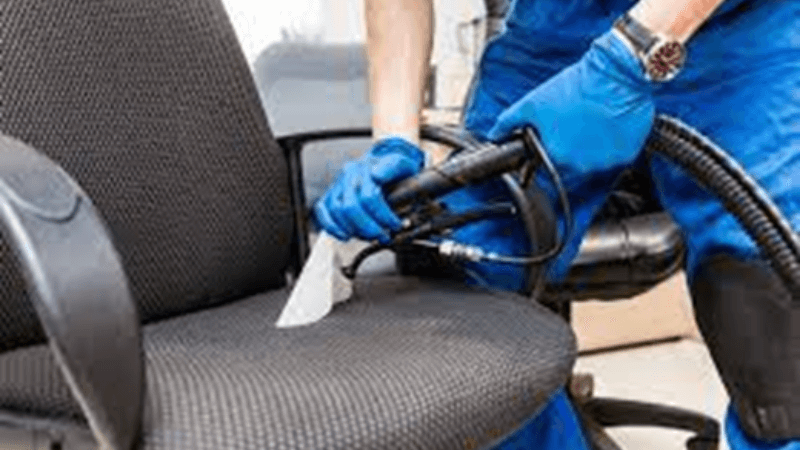
If your issue persists despite applying all the above steps, the problem may be due to the base or backrest. If the base is cracked or bent, it can cause the chair to be unbalanced.
Similarly, a loose or broken backrest can also make the chair lean back too far. To fix this, check the base and backrest for damage. If they are broken or badly worn, you may need to replace them.
How to Stop an Office Chair From Tilting Back? 4 Preventive Measures
It’s important to take preventive measures to save your chair from leaning back. Leaning is not only uncomfortable for you, but it also damages the chair’s working efficiency. Here are a few practical measures that help you prevent the office chair from reclining.
1. Perform Regular Maintenance and Remove Dust
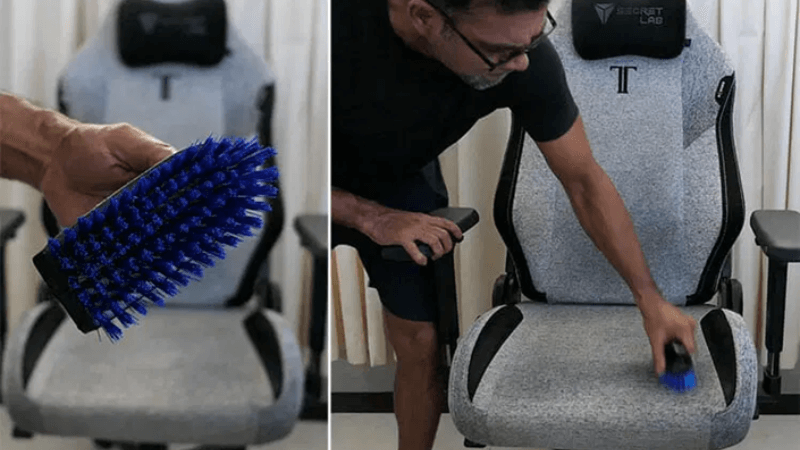
Always regularly inspect the chair and repair it whenever it needs it. If your chair screws loosen around the seat, base, and backrest, then tighten them. Keep the chair clean and free from dust or rust.
Wipe down the moving parts and clear out any dust or hair. If anything feels stiff, a drop of oil on the tilt or height mechanism can help. These small steps go a long way in keeping your chair in good shape.
2. Use an Anti-Slip Mat for Stability
This is an effective technique that prevents your chair from sliding or moving. You can use an anti-slip mat under your chair. It keeps the chair in place and provides grip.
It also helps the chair stay level, which reduces strain on the tilt mechanism. It’s especially useful if your floor is smooth, like wood or tile. It’s a cheap and easy way to make your chair feel more grounded.
3. Avoid Overloading the Chair
Sometimes, your chair requires a few adjustments. The overloading of weight causes the chair to lean back. It’s important to sit evenly and avoid pushing the chair past what it’s built for. Most chairs have a weight limit, and over time, extra pressure can weaken the base or break the tilt lock.
Hanging things off the back or letting kids climb on it may cause leaning back. Treating the chair gently keeps it from wearing out too soon.
FAQS
What tools do I need to fix a leaning office chair?
To fix a leaning office chair, you’ll typically need a screwdriver, wrench, and pliers. These tools help you tighten screws, adjust mechanisms, or replace damaged components. Always buy the tool from a well-known brand that provides affordable equipment without breaking the bank.
Can I fix my chair without replacing parts?
Yes, you can often fix a leaning chair without replacing parts. First of all, tighten all screws and bolts, especially around the base and backrest. Sometimes, the issue is due to loose or worn-out screws that just need securing. Ensure the seat plate and gas lift are properly seated.
How often should I maintain my office chair?
You should maintain your office chair every 3 to 6 months. Regularly check and inspect the gas lift and base for wear to avoid any big problems. You can also lubricate some parts of the chair to ensure smooth operation. If the chair is used heavily daily, consider monthly checks to keep it in optimal condition.
Final Thoughts
To sum up, the process of how to prevent your office chair from leaning back is all about precaution. You just inspect your chair on a regular basis. Make sure to tighten the screws with screw gun and avoid too much pressure on the chair. It’s always better to catch the problem early than wait for something to break.
When your chair starts leaning back, follow the steps mentioned above in the blogs. Make sure to take the suggestion of a professional when you change the gas cylinder. Professionals help you to make valuable purchases that save you costs and ensure safety.