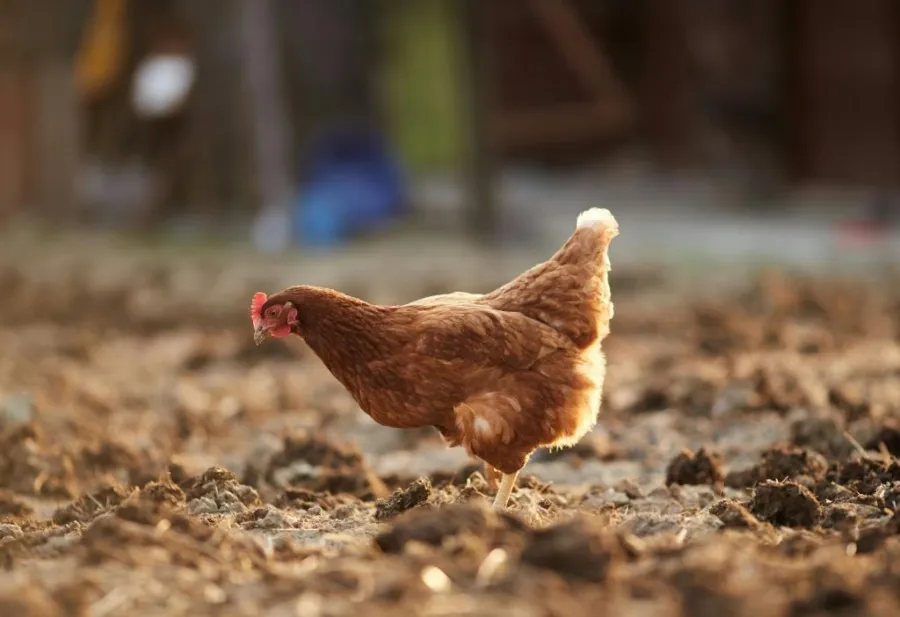
There is nothing quite like the crunch-crunch of frozen muck beneath your boots at 6:00 a.m., only to discover your flock staring at a solid block of ice where their drink should have been. If you’ve ever stood there with a hammer trying to chip out a plastic fount as your fingers went numb, you’ve probably wondered: How do I keep my chickens’ water from freezing?
To begin, having a safe environment is half the battle; a large walk-in metal chicken run with a waterproof cover serves as a key barrier, shielding your waterers from the direct impact of wind and heavy snow. Let’s find out how to keep your chickens’ water from freezing!
Why does chicken water freezes so quickly in winter
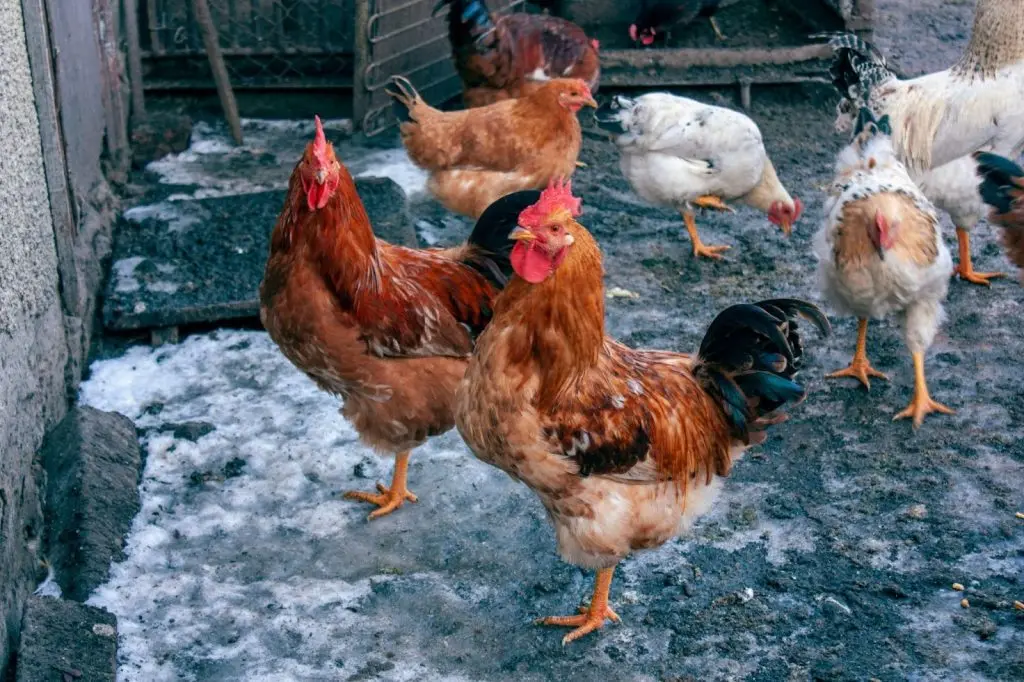
Before we can execute a long-term remedy, we need to understand why chicken winter water freezes so easily. It’s not only about the ambient temperature; it’s about how water interacts with its surroundings and swiftly loses heat via conduction and evaporation.
- Low Thermal Mass: Most keepers use three-gallon plastic fonts with minimal thermal mass to retain heat.
- Surface Area: The open form of chicken founts exposes a considerable amount of water to freezing air.
- Conductivity: Plastic and thin metals provide little natural insulation, allowing cold to permeate quickly.
Because ordinary setups contain such a little volume of liquid, it quickly establishes equilibrium with the freezing outside air. This is the primary reason you are always watering chickens in the winter. Larger bodies of water take days to freeze solid, whereas a little chicken fount can turn to ice in less than an hour during a cold snap.
Cold wind also plays a significant role. Moving air across the surface of a water bowl speeds up cooling. Even if the temperature is over 32°F, a strong breeze can remove enough heat from the water to turn it into ice. This is why understanding how to winterize a chicken coop is essential for keeping water liquid.
Finally, we need to consider ground conduction. Heat always passes from warm to cold. If your waterer is placed right on the freezing floor of the coop, the ground works as a vacuum, sucking warmth out through the bottom. This is a common mistake in chicken care in winter that many people make when preparing their coop for the season.
5 easy ways to keep chicken water from freezing
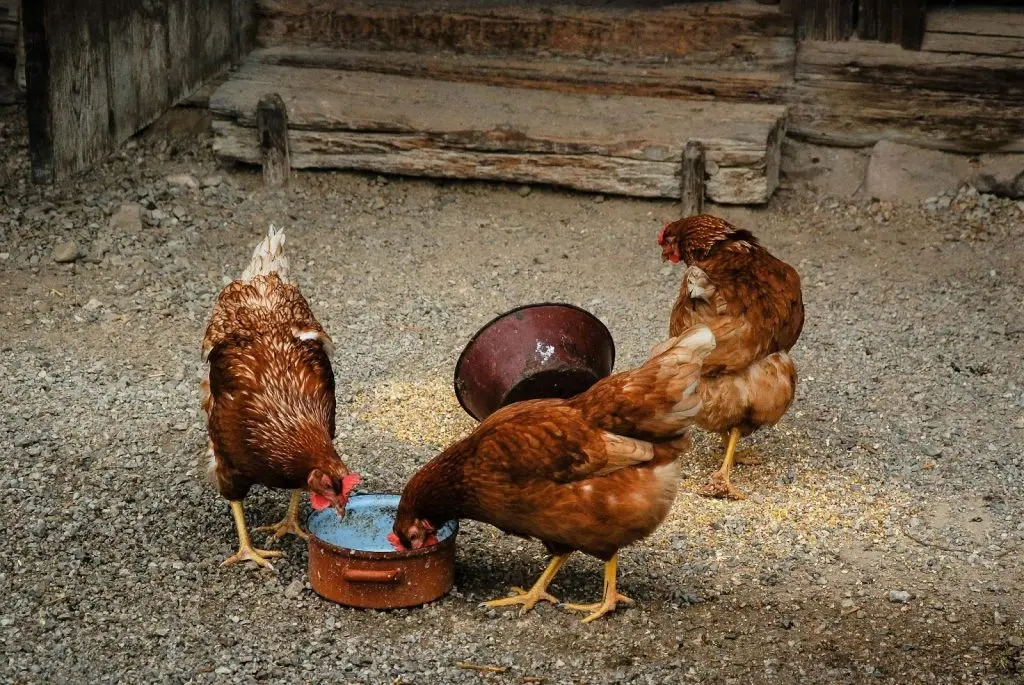
Now that we know what we’re up against, let’s look at the answers. These five solutions range from high-tech equipment to basic homesteading tactics that any guy can use to keep the flock healthy and nourished.
1. Use a heated waterer
If you have access to electricity, this is the gold standard response to the question: How do I keep my chickens’ water from freezing? You can utilise a completely integrated heated unit or a heated foundation that fits beneath your current metal fount. These units usually have a built-in thermostat, so they only use power when the temperature drops.
- Thermostatic Control: Look for units that turn off automatically as the air warms.
- Safety first: Use outdoor-rated cords and keep them away from curious birds.
- Ambient Heat: If the entire coop is freezing, a safe 800W pet home heater with anti-bite protection can keep the air temperature warm enough to prevent flash freezing.
2. Place water in a sunny spot
Passive solar heating is free energy. During the day, place your waterers in the section of the run that receives the greatest sunshine. You can use heavy-duty black rubber tubs, which absorb sun rays far better than white plastic and maintain the water a few degrees warmer naturally.
- Solar Absorption: Black rubber absorbs heat and white plastic reflects it.
- Thermal Rocks: Place dark stones in the water to help retain solar heat.
- Comfort for You: If you’re working outside, a hammered finish propane patio heater will keep you warm while you perform your afternoon checks.
3. Use insulated water containers
Insulation limits heat transfer from the water to the chilly outer air. To make a “thermos” for your birds, place a smaller bucket inside a larger one and fill the gap with straw or foam. This provides a barrier through which cold air must pass first.
- Double-Walling: Insert an air gap or straw between two containers.
- Ping-Pong Balls: Floating balls keep the water surface moving and prevent ice from forming.
- Coop Prep: Learn how to insulate a chicken coop so that the entire area remains warmer, allowing your waterers to stay liquid.
4. Add multiple water sources
Don’t rely on a single water fountain. Having two or three stations ensures that your birds have a backup in case one freezes or is knocked over. It also inhibits dominant hens from “guarding” the sole liquid source, which is a common problem in winter.
- Redundancy: Set up stations in both the coop and the protected run.
- Placement: Experiment to determine the most efficient where to store water on your property.
- Planning: If you’re learning how to build a chicken coop, provide various entrance points to make refilling easy.
5. Refresh water throughout the day
If you lack access to power, constancy is your most effective tool. A guaranteed technique to deal with chicken winter water is to replace the water with a fresh, Luke-warm drink every morning and evening. Warm water buys you extra time before it freezes.
- The Nightly Drain: Always empty your bowls at nightfall to avoid having to smash ice in the morning.
- Warmth: Use lukewarm water to slowly increase the temperature without frightening the birds.
- Backup Jugs: Store filled jugs inside the house for a rapid change during chicken care in winter.
Tips to maintain access to water
Keeping the water liquid is only part of the battle. You must also guarantee that the flock can reach it easily and that your equipment functions well throughout the season.
Check the water frequently
Consistency is essential. Examine the coop every morning, noon, and evening. Frequent checks allow you to break up little quantities of ice before they solidify. If you have a nearby garage, a thermostat-controlled greenhouse heater provides a frost-free place for storing backup jugs.
Keep containers off the ground
Never set your waterer directly on snow. Create a “pedestal” using wooden pallets or bricks. This air gap keeps the frozen ground from stealing heat and is an important part of how do I keep my chickens’ water from freezing. It also prevents bedding from slipping into the water, keeping it cleaner.
Protect from wind exposure
The wind steals heat. If your run is open, place clear plastic or plywood on the windward side to block the breeze. This creates a pocket of motionless air that better retains temperature. More airflow techniques for watering chickens in the winter can be found in How to Keep a Chicken Coop Warm in the Winter.
FAQs
Can chickens drink cold water?
Yes, they can drink cold water, although they drink less when it is near freezing. Proper hydration is essential for digestion and body heat production, keeping it liquid is the primary purpose of how to keep my chickens’ water from freezing.
How often should I change water in winter?
You should refresh it at least twice daily. Even if the water is not frozen, it becomes dirty rapidly as birds spend more time inside. Clean water is an essential component of chicken care in winter and general wellness.
Is warm water necessary?
It isn’t required, but it’s a great hack. Lukewarm water takes longer to freeze than cold water from a hose, giving you more time between morning and afternoon checks.
Do heated waterers use much electricity?
No, most are quite efficient, rated at 100 watts or less. It’s a modest cost on your utility bill compared to the time and effort spent dragging heavy buckets through the snow and ice.
Conclusion
As we said before, there is no excuse to spend your winter mornings fighting the ice. You can finally stop wondering, How do I keep my chickens’ water from freezing? by picking the correct position, adding some insulation, or investing in a dependable heater. Your hens are tough, but they depend on you for the fundamentals. Keeping the water running ensures that your flock is healthy, hydrated, and ready to lay those morning eggs. Take it step by step, remain warm, and enjoy your winterised coop.