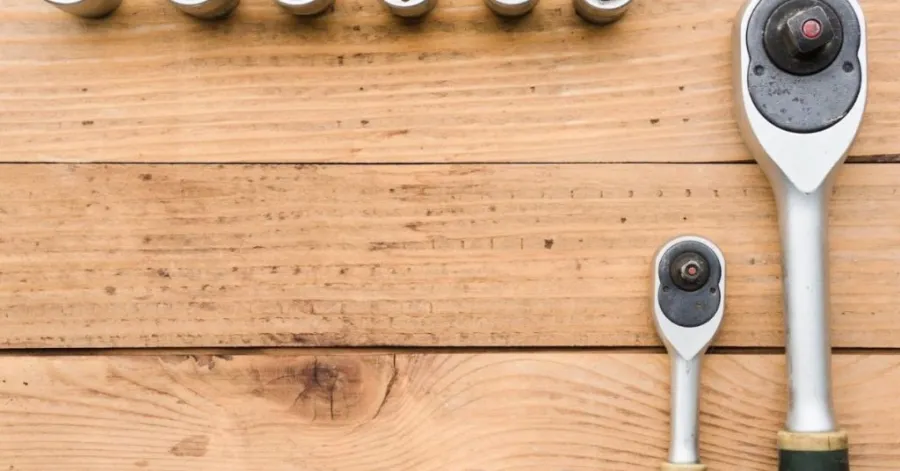
Choosing the right socket set can be confusing, especially when deciding between a 1/4 vs a 3/8 socket set. The 1/4-inch drive is recommended for precision work and small bolts. It fits into tight spaces, making it perfect for electronics, small appliances, and interior car work. The 3/8-inch drive is stronger and makes bigger fasteners with more torque. It is great for auto repair projects, home projects, and medium mechanical jobs. Think about the size of bolts and jobs that you do frequently. Picking the right drive can help you complete jobs safely, quickly, and efficiently.
- Understanding the Basics of a 1/4-Inch Socket Set
- Understanding the Basics of a 3/8-Inch Socket Set
- Major Differences Between a 1/4 Inch and 3/8 Inch Socket Set
- Situations in Which a 1/4-Inch Socket Set Is Best
- Situations in Which a 3/8-Inch Socket Set Is a Better Option
- Can You Use 1/4 Inch And 3/8 Inch Socket Sets Together?
- How to Choose the Right Socket Set for Your Needs
Understanding the Basics of a 1/4-Inch Socket Set
When you start comparing tools, the size of the drive makes a big difference in the performance of the socket set. Many times, beginners ask what the difference is between 1/4 vs 3/8 drive, especially when deciding on their first toolkit.
To understand the popular 1/4 vs 3/8 socket set debate, it helps to first take a close look at how a 1/4-inch socket set works and where it shines.
Key Features of a 1/4-Inch Socket Set
A 1/4 inch socket set is a type that is known for being small and lightweight, as well as easy to handle. The ratchet is attached to a 1/4-inch square drive that fits many small sockets, which are suitable for bolts and fasteners in small spaces. These sets generally come with a compact ratchet, a number of sockets, and are sometimes supplied with extensions for reaching into narrow areas. So, when to use a 1/4 drive socket set tool is often asked by beginners, and the answer is: it is for tasks that require precision and careful handling of delicate parts.
Common features include:
- Small and light ratchet design
- Mini sockets – small sockets for small fasteners
- Easy control for precision work
- Extensions to access inaccessible areas
This makes it ideal for precision repairs where control is more important than strength.
Advantages of 1/4-Inch Socket Sets
A 1/4-inch socket set has several advantages for regular repairs. Its lightweight design makes it comfortable to hold for long projects, and its small size makes it possible to fit into tight spaces. Portability is another plus – you can take the set in a small tool bag, or keep it in a drawer. When we compare 1/4 vs 3/8 socket sets, the 1/4 inch drive is ideal for precision work, where controlled torque is important.
Key advantages include:
- Lightweight design to ease hand fatigue
- Compact size- for small spaces
- Easy control when making delicate repairs
- Convenient storage in small kits
- Reduced the risk of tightening small fasteners too much
This makes it dependable for sophisticated mechanical and domestic activities.
Limitations of 1/4 Inch Socket Sets
A 1/4-inch socket set is very useful, but also limited. Its small drive can not be used for large bolts or high torque jobs. Trying to loosen stubborn fasteners can damage the ratchet or can also break the socket. For heavier jobs, such as engine components, suspension components, or larger bolts, a larger drive will be required. Mechanics tend to switch to a 3/8-inch set for these types of tasks. It helps answer the question of which socket set I should buy, 1/4 or 3/8, depending on whether you need precision or more strength, and understanding these socket set limits.
Understanding the Basics of a 3/8-Inch Socket Set
One of the most widely used tools at home, in the garage, and in professional workshops is a 3/8 inches socket set. It gives the balance between power and control in a way that it can be applied to a variety of tasks.
When individuals are analysing equipment in the 1/4 vs 3/8 socket set debate, the 3/8-inch drive is assumed to be the most multi-purpose. It boasts greater torque and yet is also easy to deal with on routine repair projects.
Key Features of a 3/8 Inch Socket Set
A 3/8-inch drive socket set is not heavy and solid in your hand. It is between smaller precision tools and large heavy-duty sets, being sufficiently strong to work medium bolts, but capable of smooth suspension. Most sets have a comfortable ratchet handle and vary in the different socket sizes that can be used to connect to bolts in cars, bikes, appliances, and household equipment. A number of users can note the distinction between 1/4- and 3/8-inch drives, and the 3/8-inch is found to have higher torque and can be used more often.
Common features include:
- Ratchet – strong with a comfortable grip
- Wide range of socket sizes
- Extensions for deep fasteners
- Durable construction for repeated use
This makes the 3/8-inch drive ideal for general mechanical work.
Advantages of 3/8-Inch Socket Sets
A 3/8-inch drive socket set has many advantages and is thus one of the most popular sizes of tools. Its combination of strength and control enables it to perform various jobs with a wide range of tasks. When comparing a 1/4 vs a 3/8 socket set, many users prefer the 3/8-inch drive as it will work for most repairs, providing a sufficient amount of torque to loosen tight fasteners while still being easy to use.
Key benefits include:
- Versatility in fixing different repair tasks
- Increased torque over smaller drives
- Comfortable grip for long-term use
- Compatible with common bolt sizes
- Reliable for use in automobiles and households
This is why it’s the common motivation behind tool kits.
Limitations of 3/8-Inch Socket Sets
A 3/8-inch socket set is very versatile but has some limitations. Its slightly larger drive cannot fit into extremely tight spaces as easily as smaller tools. In narrow areas, mechanics often use a 1/4-inch drive to do precision work that offers better access around delicate components. Another limitation is that the 3/8-inch drive isn’t designed to withstand extremely heavy-duty work – extremely large bolts may require bigger drives. These factors are why many beginners ask, “Which Socket Set should I buy: 1/4 or 3/8?” Often, both drives are used in conjunction with the 3/8-inch set, doing most of the daily repairs.
Major Differences Between a 1/4 Inch and 3/8 Inch Socket Set
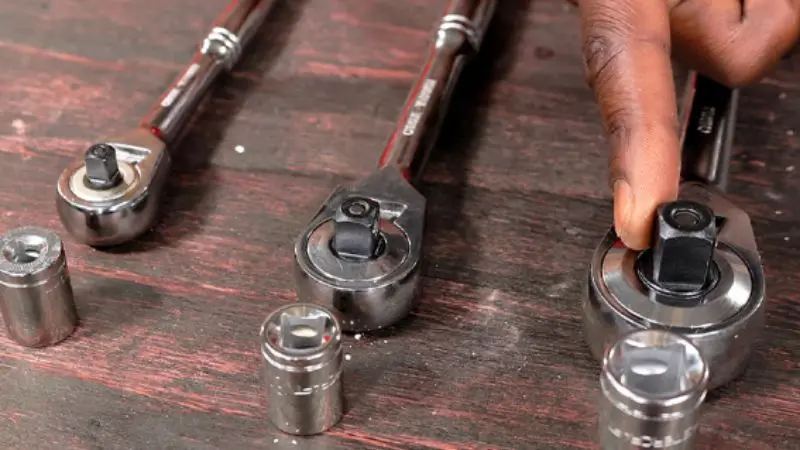
Before choosing a socket set, it is important to understand what is the difference between 1/4 and 3/8 drive. Both drive sizes are useful, but they are designed for different kinds of tasks.
When comparing a 1/4 vs a 3/8 socket set, the major differences come in aspects of size, strength, versatility, and portability. Knowing what impact these features have on the work you will do will help you choose the correct tool for your toolbox.
Difference in Size and Accessibility Between 1/4 and 3/8 Socket Sets
Size is one of the most obvious differences between a 1/4 vs a 3/8 socket set tool. The 1/4-inch drive is small and lightweight, and ideal for small spaces where other, more bulky tools cannot go. It is perfect for electronics, appliances, bicycles, and interior vehicle parts because of its compact design. When it comes to learning when to use a 1/4 drive socket set, it is always for the tasks that require precision and to access narrow areas. The 3/8-inch drive is a bit larger, but still has decent accessibility for most household and automotive repairs. Size is often the first thing that users notice when they are comparing these sets.
Difference in Torque and Strength Between 1/4 and 3/8 Drives
The other significant difference between the 1/4 and the 3/8 socket set tools is torque. Torque is the rotary force that serves to loosen or tighten the bolts. A 3/8 -inch drive is stronger than a 1/4 -inch set; thus, it can perform tougher jobs and loosen tight bolts without damaging the tool. This would make it suitable for medium-duty work, such as automotive work, lawn equipment repairs, and a good share of home work. The 1/4 inch drive would fit better in lighter tasks, using small fasteners that excessive force may otherwise damage. The study of torque can be applied in learning what the difference between a 1/4 and a 3/8 drive is.
Difference in Socket Range and Versatility of Each Socket Set
Another thing that can be used to compare 1/4 vs 3/8 socket set tools is versatility. A socket set of 3/8is normally supplied with a bigger range of sizes, and is thus suitable for most repair work. Mechanics and home workers depend on it in their daily work, handling bolts on cars, appliances, and other home equipment. The 1/4-inch set is made to handle smaller fasteners and is precise to a lesser range. A frequent question of beginners is what socket set to purchase, 1/4 or 3/8. These are used in general-purpose tasks, 3/8 inch set is more flexible, and 1/4 inch set is perfect for delicate and fine jobs.
Difference in Weight and Portability Between 1/4 and 3/8 Socket Sets
Weight and portability are factors to consider when deciding which type of socket set to choose, 1/4 vs 3/8. The 1/4 inch drive is lighter and very easy to carry, making it a great choice for quick repairs and mobile tool kits. Many users keep these small sets in tool bags, drawers, or glove compartments of vehicles. The 3/8-inch drive is a bit heavy but is stronger for difficult applications. While the 1/4-inch set is ideal for its portability, the 3/8-inch set takes tougher bolts and is easier to use on projects.
Situations in Which a 1/4-Inch Socket Set Is Best
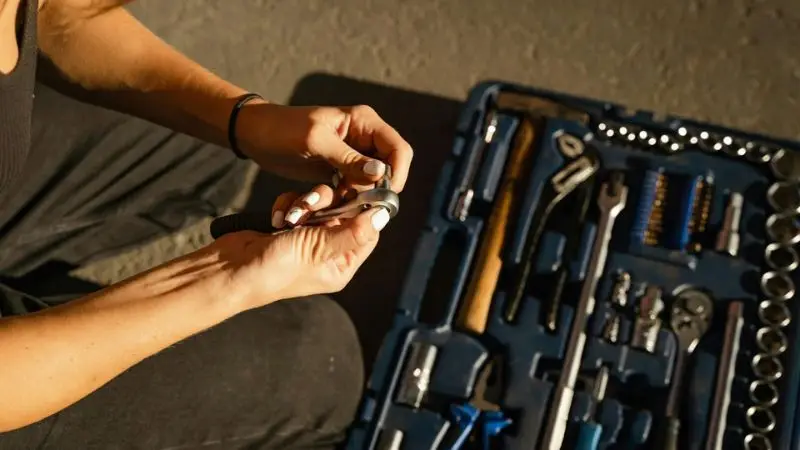
A 1/4-inch socket set is intended for work that requires precision, low torque, and access to tight spaces. Because of its small size, it gives you an opportunity to work carefully and not damage delicate parts.
Many beginners often ask the question of when to use 1/4 drive socket set tools. The answer typically lies in work that involves small fasteners, electronics, and areas that are very hard to access with bigger tools.
Using a 1/4 Socket Set for Small Fasteners and Precision Work
A 1/4-inch socket set is ideal for small bolts and screws and delicate fasteners. Its small drive offers good control, which helps avoid these problems, such as stripped threads or overtightened parts. Lightweight ratchets and sockets permit light pressure and precise adjustments. This set is great for situations where force accuracy is less important than precision, like when doing projects for hobbies, electronics, and light equipment. When learning when to use a 1/4 drive socket set, precision tasks are the first choice.
Typical tasks include:
- Repairing small appliances
- Working on models and kits for hobbies
- Translating small mechanical components
- Assembling delicate equipment
The small drive provides careful and safe work.
Using 1/4 Socket Set for Electronics & Interior Automotive Work
A 1/4 in. socket set is ideal for electronics repair or interior work in vehicles. Its compact design fits where larger sets are unable to, which makes it great for delicate work. Using small drive aids in preventing damage to sensitive components such as circuit boards, stereo systems or dashboard panels. The lightweight ratchet also means that it is easier to work in tight or awkward locations. This is a very common example of when to use 1/4 drive socket set tools in everyday repairs.
Typical tasks include:
- Installing or removing car sound systems
- Making repairs to laptops or electronics
- Working on dashboard panels, interior trims
- Adjusting bicycle brakes and small parts
Due to its precision, it makes it possible to safely handle delicate parts.
Using a 1/4 Socket Set in Tight and Hard-to-Reach Spaces
One of the biggest benefits of a 1/4-inch socket set is its accessibility to tight and hidden spaces. Small sockets and a compact ratchet allow you to reach into corners or behind things to which larger tools just won’t fit. This helps in making repairs faster and avoid damaging the surrounding parts. When comparing a 1/4 vs a 3/8 socket set, accessibility is one of the main reasons why mechanics have a 1/4-inch set in their bag of tools.
Common situations of the smaller drive are:
- Working underneath sinks or behind cabinets
- Reaching concealed bolts in engine bays
- Tightening fasteners when they are behind furniture
- Accessing narrow mechanistic spaces
The 1/4-inch drive is more of a precision motor than a torque motor.
Situations in Which a 3/8-Inch Socket Set Is a Better Option
A 3/8-inch socket set is one of the most versatile tools for all kinds of repair work for everyday needs. It is a good balance of strength and control, which makes it useful in many different tasks.
If you are learning when to use a 3 8 drive socket set tool, the answer usually has to do with medium-duty work like automotive repair, mechanical work, and projects around the house. This is a size of drive that is strong enough to cope with tougher bolts, yet is easy to control.
Using a 3/8 Socket Set in Automotive Repairs & Maintenance
A 3/8 inch socket set is great for car repairs and regular vehicle maintenance. It has a sufficient amount of torque to tighten and loosen medium-sized bolts that are used under the hood. The ratchet provides a comfortable grip and helps you to apply the appropriate amount of force without damaging any parts. This makes the 3/8-inch drive a popular option for when to use a 3/8 drive socket set tool in mechanical work.
Common automotive responsibilities are to:
- Removing and installing spark plugs
- Tightening Battery Terminals or Loosening them
- Replacement of oil filters and engine components
- Spacer Bushing Adjusting Bolts on Engine Compartments
In the hands of the general maintenance person, it is a go-to tool for general daily maintenance.
Using a 3/8 Socket Set for Medium Duty Mechanical Work
A 3/8-inch socket set is ideal for mechanical repairs you want to use to really get at things you are trying to repair. It has no problem handling medium-sized bolts and decreases the risk of slipping or rounding fasteners. When it comes to a 1/4 vs a 3/8 socket set, the 3/8-inch socket set is noticeable for its good torque and sufficient control. This makes it ideal for machines, engines, and equipment that use tougher fasteners.
Typical mechanical occupations are:
- Making adjustments to bicycle components
- Repairing lawnmowers and garden equipment
- Assembling small machinery
- Maintaining mechanical equipment
The sockets deliver a consistent power to the appliances without the risk of damaging the bolts.
Using a 3/8 Socket Set for Household Repairs and DIY Projects
A 3/8 inch socket set is very handy for household repairs and DIY work. It deals with medium-sized bolts that require more leverage than a smaller drive is capable of giving. The ratchet enables you to tighten or loosen bolts fairly quickly, making everyday tasks such as assembling furniture, fixing appliances and plumbing much easier to accomplish. Many beginners ask what socket I should buy, 1/4 or 3/8, and for general repairs around the house, the 3/8-inch set is usually the best choice.
Common DIY tasks include:
- In assembling furniture and shelving
- Repairing appliances
- Tightening bed frame or cabinet bolts
- Fixing plumbing connections
The 3/8-inch drive is an amalgam of strength and versatility for everyday jobs.
Can You Use 1/4 Inch And 3/8 Inch Socket Sets Together?
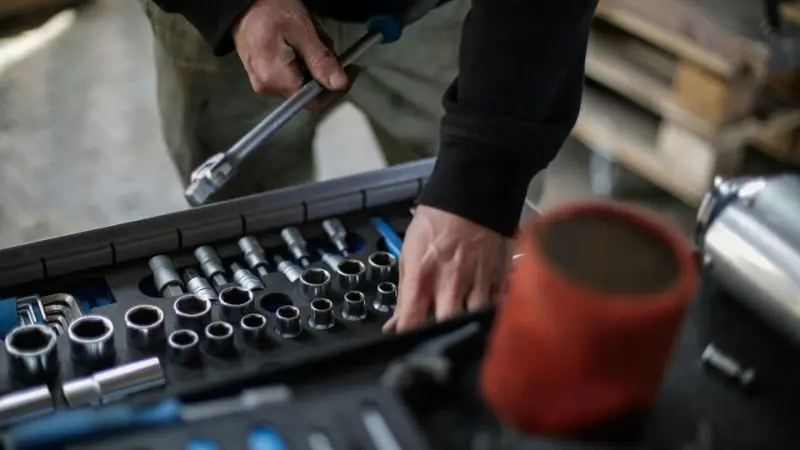
Many people are of the opinion that they have to pick one tab socket set or the other, but this is not always the case. In reality, both the sizes of drives can work together in the same toolbox.
When you know what the difference between a 1/4 vs a 3/8 drive is, it becomes much easier to understand why many mechanics keep both sets. Each drive size has its strengths, and building the two together gives you a greater ability to tackle a greater variety of repair work.
Using Socket Adapters to Connect Different Sizes of Drives
Socket adapters allow you to connect different sizes, which serve as a bridge between ratchets and sockets. Using an adaptor, a smaller socket can be used on a larger ratchet, or a larger socket will work on a smaller ratchet. This makes it easy to keep working without stopping when your tools do not match. Adapters are particularly helpful when you need to compare a 1/4 vs a 3/8 socket set to use them together.
Adapters have the following practical uses:
- Connecting a 1/4 in. socket to a 3/8 in. ratchet
- Attaching a 3/8-inch and a 1/4-inch socket to the ratchet
- Switching rapidly from one drive size to the other
- Reducing the need for multiple ratchets
Small and inexpensive, adapters give you more options in your toolbox.
Why It’s Useful to Own Both 1/4-Inch and 3/8-Inch Socket Sets
Owning both 1/4-inch and 3/8-inch socket sets provides you with more control and flexibility when you make a repair. You can opt for the drive size that will serve the job rather than force one tool to do everything. For smaller parts and tight spaces, use the smaller 1/4-inch drive, which gives you better precision. The 3/8-inch drive is best for medium bolts and applications that require greater strength, such as automotive or mechanical repair.
Advantages of having two sets:
- Handle small and medium-sized fasteners
- Switch tools easily between different jobs
- Refrain from over-tightening (with smaller drives)
- Increase versatility, like repairs
How to Choose the Right Socket Set for Your Needs
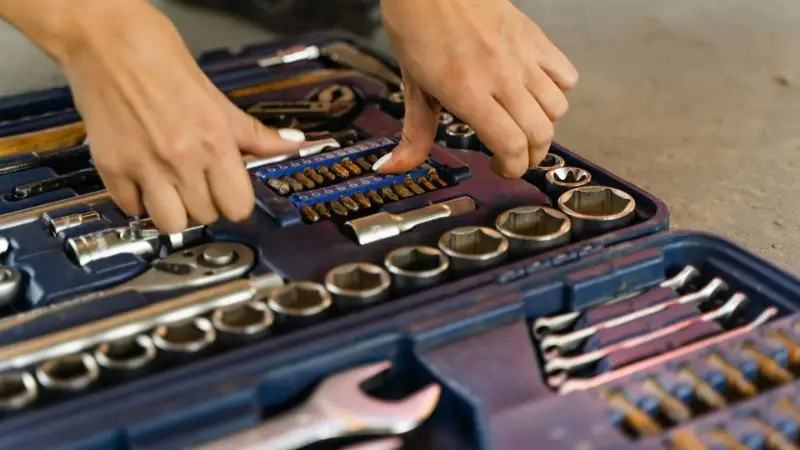
Selecting the right socket set depends on the work style that suits you, the kind of repairs you perform, and the quality of the tools you choose. By paying attention to a few important factors, you can easily find a socket set that works for you.
It also helps you to understand what is the difference between 1/4 vs 3/8 drive to determine which set will work best for your projects too.
Select a Socket Set According to the Work You Perform
The first thing when choosing a socket set is to consider the type of work you perform most of the time. Different repair jobs require different drive sizes.
If your projects feature cars, bicycles, appliances, or home maintenance, a 3/8-inch drive will typically be the best option for you. It can take bolts of medium size and gives adequate torque for most mechanical jobs.
However, if your work involves electronics, small gadgets, or precision equipment, a smaller drive might be more useful. These tools offer better control when working with delicate fasteners.
This is one of the reasons why beginners will often compare a 1/4 vs a 3/8 socket set when purchasing their first tool kit.
Choose Durable Socket Materials and High-Quality Tools
The quality of a socket set is just as important as the size of the drive. Durable materials help tools last longer and perform better when being repaired.
Many good-quality socket sets are manufactured using chrome vanadium steel. This material is strong and resistant to rust and can be used repeatedly mechanically. A polished finish also ensures that sockets are easier to clean and maintain.
When you invest in strong tools, it lessens the chances of slipping, cracking or damaging fasteners. Good-quality sockets will also give a better grip on the bolts, which means safer and better performance.
Because of these benefits, many professionals suggest purchasing a trusted set of tools that can be used frequently.
Pick a Complete Socket Set Including the Right Accessories
Another important factor when selecting a socket set is completeness. A complete kit generally contains several different socket sizes, extensions, and often adapters so that various bolts can be worked with without having to temporarily stop work. Many sets also come with metric as well as standard sockets, which has its advantages in terms of flexibility. For beginners wondering which socket set to buy, a 1/4 or a 3/8 complete 3/8-inch kit is often the best choice for day-to-day tasks.
A complete set often contains:
- Different socket sizes for different bolts
- Extensions for Difficult-to-Access Fasteners
- A sturdy ratchet handle
- Both the metric and the standard options
With this set, you can confidently and efficiently repair them.
Wrap Up
Choosing between a 1/4 vs a 3/8 socket set will depend on what type of work you want to do. A 1/4-inch set is ideal for precision work, tiny fasteners, and small spaces, whereas a 3/8-inch set offers more power for automotive repairs, household repairs, and general mechanical work. Understanding the difference between 1/4 and 3/8 drive helps you to work with the right tool for the right job. If you are still thinking what socket set to buy, 1/4 or 3/8, many of the beginners choose to start off with 3/8 inches and later add a smaller one. Together, both sets produce a versatile toolkit for nearly any repair project.
FAQ
Can I use 1/4 inch socket set for car repair?
You can use a 1/4 inch for small bolts within your car, such as the dashboard screws. For engine or suspension work, you require a 3/8-inch set. The bigger set will provide you with more strength.
Do I need 1/4” and 3/8” socket sets?
Yes, having both sets helps you to handle more jobs. Use the 1/4-inch set for tight spots and delicate work. Get the 3/8-inch set for larger bolts and more difficult tasks. You stay ready for anything.
Will a 3/8-in. socket set fit small bolts?
A 3/8-inch adjustment set will fit most medium bolts. With tiny bolts, the sockets could feel too big. You might strip the fastener. Use a set of small bolts that are 1/4 inch to prevent damage.
How do I know which socket I should use?
Check the size of the bolt and the space around it. If you see a tiny bolt that is in a small space, use a 1/4-inch socket. For a bigger bolt or more torque, pick 3/8 inch socket. Trust your hands and eyes.
Are socket adapters safe to use?
Socket adapters are suitable for most jobs. They allow you to combine the socket sizes along with different ratchets. Use them for light and medium work. For heavy-duty jobs, make sure you use the appropriate drive size so as not to break the adapter.