A 1/2-inch socket wrench is a powerful tool designed to handle big jobs with larger bolts and nuts with minimal effort. It is commonly used for heavy-duty tasks in which more force is needed, such as repairing automobiles, building and maintaining machines, and constructing strong structures. Many mechanics and DIY enthusiasts use the 1/2 inch drive socket wrench because it is used to fit the larger size of fasteners that the smaller wrenches are not able to handle. To obtain the best results, always look at the size of the socket and make sure that it fits the bolt or nut you are working with. A proper socket set can make your work faster, safer, and more efficient.
What Is a 1/2 Inch Socket Wrench Used For?
A 1/2 inch socket wrench is a general-purpose wrench for use on larger nuts and bolts. It is commonly employed in the auto industry and in homes. Learning how to use it correctly means that you can use more force safely without damaging fasteners. With the right socket sizes, this tool has the ability to make tough jobs faster and easier. Whether you are working on a car, a machine, or a DIY project, a 1/2 inch socket wrench gives you the control and power that you need. Understanding its uses helps in picking the right one and getting the work done efficiently.
Automotive Repairs and Maintenance
A 1/2 inch socket wrench is ideal for auto projects where larger fasteners are common. Cars and trucks, for example, often contain nuts and bolts that require more torque than smaller tools can provide. You can use it for things such as changing the tires, tightening suspension parts, and removing the engine mounts. By taking proper care in choosing the right socket sizes, you prevent stripping the nuts or putting strain on threads. Lug nuts, brake calipers, and other parts of any automobile require proper fit. As a mechanic, using a 1/2 inch socket wrench set helps ensure that you have the right sockets on hand to help you complete the repairs efficiently and safely every single time.
Heavy-Duty Mechanical Work
For industrial and heavy-duty mechanical work, a 1/2 inch socket wrench gives the strength required for handling large bolts. Machines, tractors, and industrial machinery frequently contain fasteners that smaller wrenches are unable to handle. Using the correct size of socket helps in preventing slipping and rounding of the bolts, and the use of a wrench helps in delivering the torque required to complete the work. Professionals depend on the best 1/2-inch socket wrench sets for reliability and durability in tough environments. Having a full range of sockets allows you to adapt to a different range of bolts so you can accomplish any mechanical task with confidence and precision.
Construction and Industrial Uses
Construction and industrial projects require tools that are strong and versatile. A 1/2 inch socket wrench is good for building steel frames, scaffolding, and huge construction. You may change socket sizes rapidly to fit bolts and nuts of different sizes. This flexibility supports faster work and will not compromise safety. Using the correct socket will ensure that fasteners are tightened correctly, and it minimizes the risk of injury. Understanding what a 1/2 inch drive socket wrench is can help you select the proper tool for construction or industrial work to make your workflow more fluid and efficient.
DIY Projects at Home
Even as a beginner, you can also use a 1/2 inch socket wrench for home projects. Tasks such as building decks, repairing fences, or assembling furniture may require larger bolts too big for smaller wrenches. A collection of varying socket sizes allows you versatility in a lot of projects around the house. You can do your job safely and efficiently by matching the socket to the bolt. Learning how to use a 1/2 inch socket wrench correctly means you are able to apply the proper amount of force without damaging the fasteners. Keeping a 1/2 inch socket wrench set for a mechanic at home is a great idea to tackle both routine repair and larger DIY jobs for homeowners.
1/2 Inch vs 3/8 Inch vs 1/4 Inch Socket Wrenches
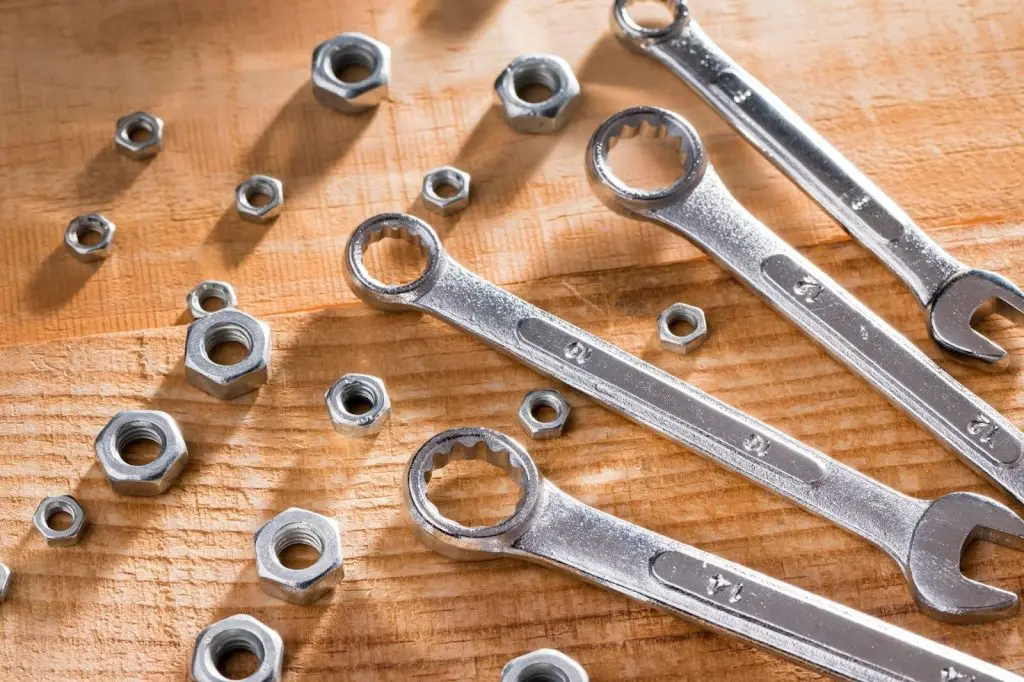
Different types of socket wrenches are available for different types of tasks based on the size and torque of the bolt. Understanding the differences helps you select the right tool for the job. The 1/2 inch socket wrench gives more torque to larger bolts and heavy-duty work. The 3/8 inch socket wrench is best suited to medium-sized jobs such as engine repairs or home maintenance needs. Smaller tasks, electronics, or constricted spaces all work best with a 1/4 inch socket wrench. Matching the correct drive size to the task is important to keep your fasteners safe and to work efficiently and accurately.
Key Differences Between Size And Torque
Each size of socket wrench drive is akin to:
- 1/2 inch socket wrench: Used for handling large bolts, wheels, and heavy machinery; High torque.
- 3/8 inch socket wrench: Ideal for medium-sized bolts, engine parts, bike repairs; medium torque
- 1/4 inch socket wrench: Best used for small screws, electronics, and with limited space; Low torque.
And you can mix and match metrics with standard sockets for any of these drives. Always ensure the size of the socket fits the size of the bolt, to avoid stripping or damaging it. Using the proper size also helps to make your work faster and more comfortable.
When to Use Each Drive Size
Deciding which drive size to get depends on the job:
- Use a 1/2 inch socket wrench for car wheels and large machinery, or heavy-duty jobs.
- Use a 3/8 inch socket wrench for engine work, home repairs, or general automobile work.
- Small bolts, electronics, and tight spaces can be worked with by using a 1/4 inch socket wrench.
Other tips for efficient use of different drives:
- For quicker jobs, try a ratchet wrench with a 3/8 inch socket.
- Use a combination wrench with a 1/2 inch socket to unstuck bolts.
- For delicate work, use a combination wrench with a 1/4 inch socket.
Advantages and Disadvantages of a 1/2 Inch Socket Wrench
The 1/2 inch socket wrench has several advantages:
- Provides high power to be used with large or tough bolts.
- Works with many different sizes of sockets
- Compatible with both the metric and standard sockets.
- Can be used with a ratchet or a combination wrench.
- Handles heavy-duty mechanical or automobile jobs in an efficient manner.
Some limitations to consider:
- It may feel like a lot to do during a long project.
- It does not fit nicely in tight or small spaces.
- Not ideal for light-duty jobs where smaller wrenches are sufficient.
Keeping several different socket wrench sizes in your toolbox means that you will always have the right tool for the job. This results in work that is safer, faster, and more precise without putting unnecessary strain on tools or fasteners.
Types of 1/2 Inch Socket Wrenches
When you explore 1/2 inch socket wrenches, you will learn that different types have different purposes for them. Understanding the principal types helps you to make the right choice when it comes to providing the correct tool for any task. Different styles are made to handle specific jobs, bolt sizes, and torque levels. Knowing these differences makes sure that you are working efficiently and safely, whether it is automotive, industrial, or DIY projects.
Manual Ratchet Wrenches
A manual ratchet wrench is the common type that is used for everyday tasks. It allows you to rotate a socket without having to remove it from the bolt, saving you time and effort. You can easily switch between tightening and loosening with the help of a simple lever. These wrenches are compatible with many different socket sizes, making them very versatile for most jobs. Manual ratchet wrenches are found in most 1/2 inch socket wrench sets for mechanics, and are excellent for home repairs or as vehicle maintenance tools. Learning how to use a 1/2 inch socket wrench with a ratchet increases the speed of things and also reduces strain on your hands.
Breaker Bars
Breaker bars are made to provide additional power for stubborn or rusted bolts. Well, their long handles give you more power to use than a standard ratchet wrench. Unlike ratchets, breaker bars lack a ratchet mechanism, and therefore, you have to remove and reset the socket each time after it is turned. These are compatible with a lot of sockets and are great for heavy-duty automotive or industrial work. Using a breaker bar with a 1/2 inch socket wrench allows you to loosen tight fasteners without having to damage the bolt or the socket.
Torque Wrenches
Torque wrenches are crucial if you are trying to tighten the bolts to a specific force. They ensure that no over-tightening or under-tightening occurs, which can damage machinery or vehicle parts. You set the amount of torque needed on the wrench, then you set the appropriate size socket to be used for the job. Torque wrenches are available in different styles and sizes, making them useful for automotive, industrial, and DIY uses. Understanding a 1/2 inch socket wrench with a torque wrench is the key to having your fasteners properly tightened and tightened with accuracy and safety every time.
Impact Wrenches (Air & Electric)
Impact wrenches are air or electricity-powered and spin sockets at high speed. They are perfect for heavy-duty work requiring a large amount of torque, as well as fast-moving applications. You can use them with both deep and standard sockets, but always use sockets that are designed to be used for impact, as regular sockets may crack when used with all this force. These types of wrenches are typically used in auto shops, industrial settings, and large construction projects. Knowing what a 1/2 inch drive socket wrench is and using it together with an impact wrench, you are competent to deal with tough bolts in an efficient way while saving time and effort.
Commons 1/2 Inch Socket Sizes and Sets
Choosing the right socket sizes is essential in effectively using a 1/2 inch socket wrench. Different bolts and fasteners need different sockets to work, and if you have a general idea of which socket to use, then it saves time as well as hurting them. Socket sizes are divided into two major systems, metric and SAE, and other options, such as standard and deep sockets. Understanding these differences will ensure that you have no problem with an automotive, industrial, or DIY project. A well-organized set with correct sizes makes all of your jobs faster, safer, and more efficient.
Metric vs SAE Socket Sizes
When using a 1/2 inch socket wrench, you will see two different sizing systems: the metric and SAE systems. The size of metric sockets is measured in millimeters, while SAE sockets are measured by inches. Cars from some other countries use metric sizes – sometimes 10mm, 13mm, or 19mm. American vehicles and machines usually have SAE sizes, such as 3/8″, 1/2″, or 3/4″. Always check the bolt before choosing the socket. However, using the wrong size could strip threads or cause damage to the fastener. Keeping both metric and SAE sockets in your toolbox will ensure that you are prepared for any project, from automotive repairs to home maintenance.
Deep vs Standard Sockets
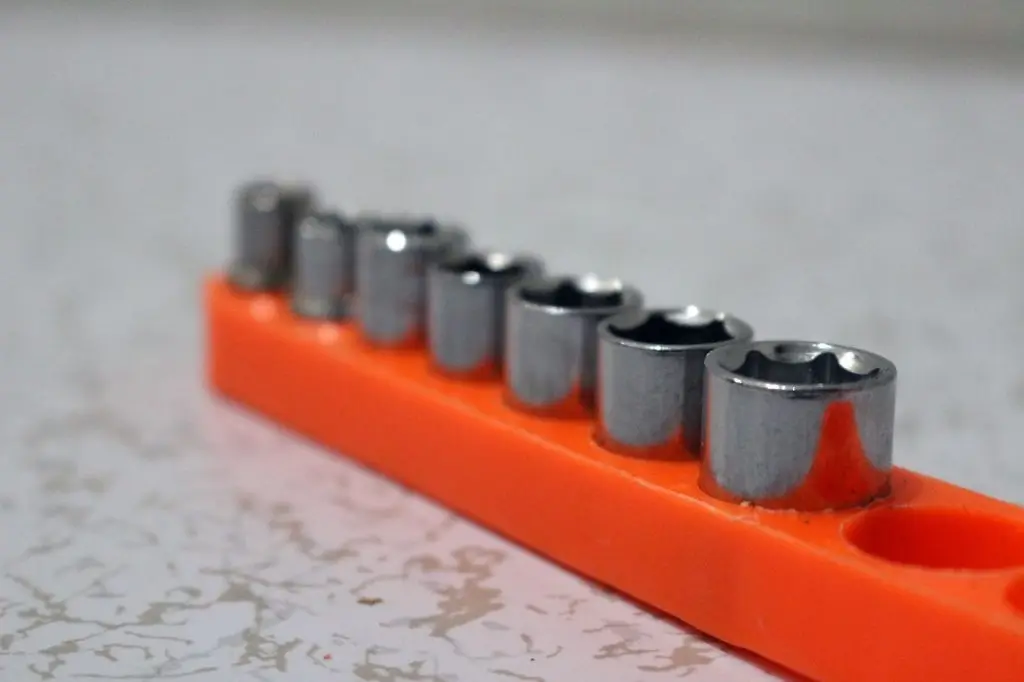
A 1/2 inch socket wrench may have either the standard or deep sockets, depending on the task. Standard sockets are ideal for sticking out bolts or easily accessible ones. Deep sockets are used to reach recessed bolts, long threads, or fasteners such as lug nuts and suspension components. Having both types in your set provides you with the flexibility to deal with a wide range of tasks without having to switch tools over and over again. Using the right type of socket makes your work more efficient, less wear and tear occurs on bolts, and makes your work safer. Choosing a combination of deep and standard sockets is a good idea for getting the most out of your wrench.
Popular Socket Set Configurations
Socket sets are available in a variety of configurations to meet different needs. Some only contain standard sockets, while others have both standard and deep types as well. Many sets are a combination of metric and SAE sockets, ratchets, and extension bars in order to be the most versatile. Storage cases are useful to keep sockets tidy and easy to locate, which is a major time-saving strategy when working on projects. When you are trying to buy the best 1/2 inch socket wrench set, you should choose a cheap socket wrench set that covers the most commonly used sizes for your projects. A complete and well-organized set can ensure that you can efficiently handle the same automotive, industrial, or DIY tasks without having to search for the right socket every time.
How to Choose the Best 1/2 Inch Socket Wrench
Choosing the right 1/2 inch socket wrench makes your projects easier, faster, and safer. A good wrench is longer lasting and fits your hands properly, and you need the right sockets for your job. This buying guide helps you to choose which tool is best for you in terms of material, handle design, and budget. Whether you are a beginner performing repairs on your home or a professional mechanic, it is important to know what you are looking for to save money and avoid damaging bolts in the future. With the proper choice, a 1/2 inch socket wrench set for mechanics is an indispensable part of your toolbox.
Material and Build Quality (Chrome Vanadium vs Chrome Molybdenum)
The material out of which your 1/2 inch socket wrench was produced will have some influence on the strength, durability, and performance. Chrome vanadium steel is highly and widely used in normal work and is resistant to rust, and has a long life. The impact tools are made of chromolybdenum steel since it can withstand much torque and heavy usage without fracturing. In case you use air or electric impact wrenches, you need to use chrome molybdenum sockets. Find a finished or painted finish to avoid rust. It is important to know what a 1/2 inch drive socket wrench is and what it is composed of to prevent the possibility of stripped bolts and broken sockets. Good materials ensure that your wrench is high quality and can last long, no matter the challenging usage.
Handle Length and Grip Comfort
Handle length and grip are important factors when using a 1/2 inch socket wrench effectively. Longer handles provide greater leverage for difficult bolts and shorter handles for tight spaces. Grip design is also important – rubber or textured handles prevent slipping and fatigue in the hands. When selecting a wrench, there are some things to keep in mind:
- Long Handle: Best for high-torque jobs; high medium comfort
- Short Handle: Conveyor for tight spaces; high comfort
- Textured Grip: Ideal for prolonged use; high comfort
The appropriate selection of the handle and socket size is important to ensure safe, precise, and efficient work. Comfortable grips allow you to work longer without strain.
Budget vs Professional Use
Deciding between a basic or professional 1/2 inch socket wrench will depend on your needs. For home projects, a simple set with common sizes is sufficient. Professionals, or frequent mechanics, benefit from premium sets with more sockets, stronger materials, and longevity. High-quality sets are more expensive but will be worth it for heavy-duty or repeated-use sets. Always look for the size of the sockets that are available in the set to fit your projects. Following this guide makes sure you are getting the best 1/2 inch socket wrench for your requirements in terms of reliability, safety, and efficiency for every task.
How to Use 1/2 Inch Socket Wrench Safely
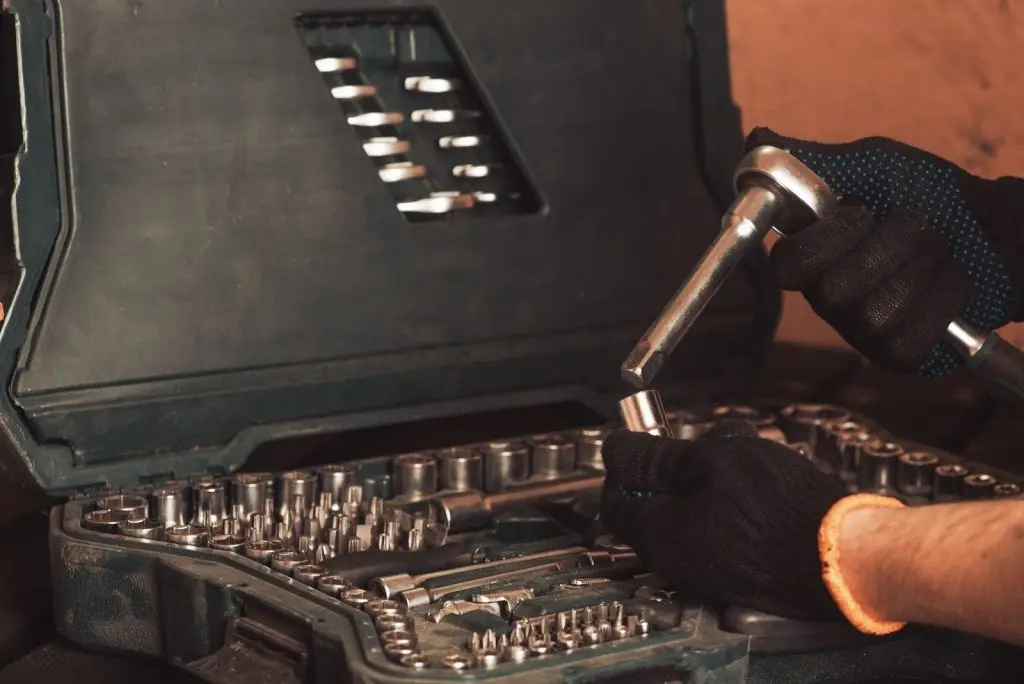
Using a 1/2 inch socket wrench correctly is important for safety and efficiency. Knowing how to use a 1/2 inch socket wrench step by step helps you to avoid injuries and is the way to avoid damaging bolts and tools. This tool can be versatile if used incorrectly, causing stripped fasteners, slipping sockets, or hand strain. By following proper technique and selecting the correct size of socket, you can get automotive, mechanical, or DIY projects completed faster and in a safer manner.
Step-by-Step Usage Guide
In order to possess a 1/2 inch socket wrench:
- Choose the right socket in terms of size; your bolt or nut.
- Get the socket to the square drive, and be sure to cling.
- Insert the socket over the fastener and rotate the handle to make it tight or loose.
- Select a longer handle to gain a greater lever; select a deep socket when the bolt is recessed.
- Depending on the direction required, flip the ratchet lever.
- Take out the socket once it is finished and store it along with your set.
Doing these steps with different sizes of sockets will allow you to become familiar with the tool and become competent.
Safety Tips to Avoid Injury
Using the 1/2-inch socket wrench safely will ensure that accidents are avoided and you and your equipment will remain safe. The main safety practices are:
- Wear gloves so that you do not get cuts and scrapes in your hands.
- Ensure the socket is properly attached to the bolt to avoid falling.
- Pull the handle, but do not push it to have greater control.
- Clean and dry your workspace to prevent falls.
- Check for cracking or damage to the sockets used.
- Wear safety glass unless you are using an impact tool.
The above precautions will lower the likelihood of injury as well as ensure that you have your socket set in nice condition.
Common Mistakes to Avoid
Simple errors that can be made by many beginners using a 1/2 inch socket wrench are numerous. Common errors include:
- The wrong size socket would be used, resulting in rounded bolts.
- Working with ordinary sockets – impact tools.
- Trying to attempt to force a socket on a bolt that does not fit.
- Insertion in cracked, rusted-out, or damaged sockets.
It is important to check the socket against the fastener and ensure that the size matches before applying force. In case the socket slips, change and select the correct size. The correct technique will not only help in saving your tools, but also in ensuring that you do not lose fasteners, and guarantee that all your projects become a lot safer and easier to finish.
Wrap-Up
The 1/2 inch socket wrench is a handheld and useful tool to possess when doing automotive repairs, industry jobs, and DIYs. The knowledge of what is 1/2 inch drive socket wrench, the correct socket sizes, and the use of this is easy, safe, and more accurate. You can handle bolts of any size with ease with the right choice of the available sockets, metric or SAE, deep or standard. Regardless of whether you have manual or torque-pressing wrenches, whether welding by hand or using impact forming machines, classic training in method and correct use of sizes is the only way to remain safe, prevent disruption, and guarantee a positive outcome. A complete 1/2 inch socket wrench set of the mechanical type is a nice addition to any toolbox.
FAQ
Which size bolts will work with a 1/2 inch socket wrench?
The bolts of diameter approximately 10mm to 32mm or even 3/8 inch to 1-1/4 inch can be loosened with a 1/2 inch socket wrench. Most of the large bolts that are being used on cars, machines, and even home projects fall within this range.
Is 1/2 inch socket wrench effective for small bolts?
The 1/2 inch socket wrench should not be used with small bolts. The tool gives too much force. You might strip the threads or foul up the bolt. The drive of small bolts can be 1/4 inch or 3/8 inch.
Is there a general understanding of whether you need a deep socket?
You want a deep socket where the bolt is low, or that has many threads; Deep sockets reach bolts that shallow sockets do not reach. Checking your bolt before real application, one way that can be utilized is by determining whether you have more than a single thread; select a deep socket.
What is the distinction between Impact and Regular Socket?
Impact sockets are made of stronger steel, and socket walls are made thicker. You apply them to power tools like impact wrenches. Hand tools are compatible with regular sockets. Impact tools should never be used on regular sockets. They can crack or break.
What is your socket set storage method?
You may use a storage case, socket rail, or magnetic tray. Label each socket by size. Deeply drop the sockets and use them again. This practice is time-saving, and you also have time to keep your tools in good condition.