Um die Sicherheit und hohe Qualität von Speisen, Getränken und frischen Zutaten zu gewährleisten, ist es wichtig, die richtige Temperatur der Lebensmittel einzuhalten. KühlschrankZu warme Kühlschränke können das Bakterienwachstum fördern, zu kalte hingegen können empfindliche Lebensmittel einfrieren und deren Konsistenz verändern. Viele fragen sich daher, was der richtige Kühlschrank ist. bester Kühlschrank Die richtige Temperatur für Lebensmittel und wie man sie konstant hält. Die richtige Temperatur trägt dazu bei, Lebensmittel frisch zu halten, Lebensmittelverschwendung zu minimieren und die Effizienz von Haushaltsgeräten zu verbessern. Dieser Ratgeber beschreibt die optimale Kühlschranktemperatur, die besten Einstellungen für verschiedene Lebensmittel, die häufigsten Temperaturprobleme und einige einfache Tipps, wie Sie die einwandfreie Funktion Ihres Kühlschranks sicherstellen.
Inhaltsverzeichnis
- Was ist die ideale Temperatur für einen Kühlschrank?
- Optimale Kühlschranktemperatureinstellungen für verschiedene Lebensmittelarten
- Was ist die ideale Gefrierschranktemperatur für die Lagerung von Lebensmitteln?
- Wie man die richtige Kühlschranktemperatur überprüft und aufrechterhält
- Häufige Temperaturprobleme im Kühlschrank und wie man sie behebt
Was ist die ideale Temperatur für einen Kühlschrank?
Um Lebensmittel frisch, sicher und genießbar zu halten, ist die richtige Kühlung entscheidend. Die optimale Temperatur reduziert das Bakterienwachstum und trägt zum Erhalt von Geschmack und Qualität der gelagerten Produkte bei. optimale Temperatur eines Kühlschranks wird Ihnen helfen, Lebensmittelverderb zu vermeiden und einen gesünderen Kühlschrank zu Hause zu haben.
Empfohlen für Ihr Projekt
Empfohlener Kühlschranktemperaturbereich für die Lagerung von Lebensmitteln
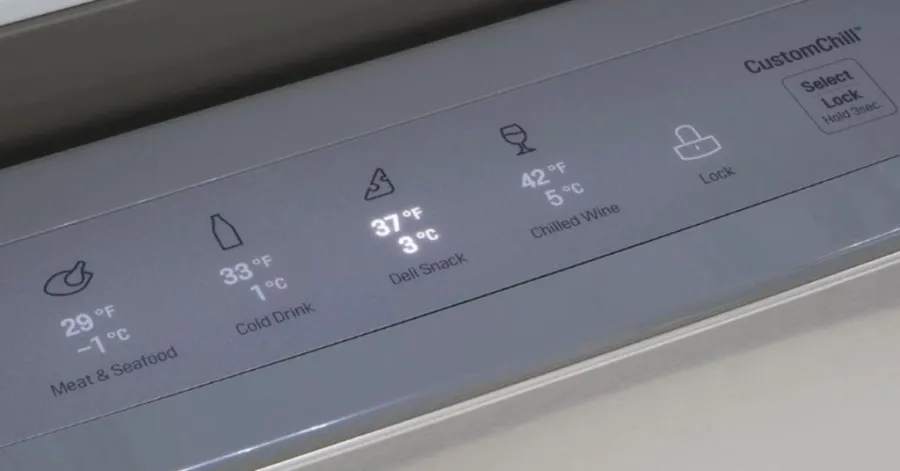
Die meisten Kühlschränke sollten eine Temperatur zwischen 1.6 und 3.3 °C (35 bis 38 °F) aufweisen, wobei 3 °C (37 °F) als allgemein empfohlene Temperatur gilt. Dieser Bereich hält Lebensmittel kühl, verlangsamt das Bakterienwachstum und verhindert Gefrierschäden, die frische Lebensmittel verderben könnten. Es ist wichtig, die optimale Kühlschranktemperatur zu kennen, da bereits geringe Temperaturschwankungen die Lebensmittelqualität beeinträchtigen können. Kühlschrank Die richtige Temperatur sorgt für das optimale Verhältnis zwischen Frische und Sicherheit. Es ist wichtig, den Kühlschrank regelmäßig zu überprüfen, um sicherzustellen, dass Milch, Gemüse, Fleisch und andere Lebensmittel richtig gelagert werden.
Warum die Kühlschranktemperatur unter 40°F bleiben sollte
Experten für Lebensmittelsicherheit raten dazu, Kühlschränke bei Temperaturen unter 40 °C zu halten, da sich Bakterien bei höheren Temperaturen schneller vermehren können. Der Bereich zwischen 40 °C und 140 °C wird gemeinhin als Temperaturgefahrenzone bezeichnet, in der sich schädliche Bakterien rasant vermehren können. Kühlschrank Die richtige Temperatur kann lebensmittelbedingte Krankheiten verhindern und die Gesundheit Ihrer Familie schützen. Ein gut belüfteter Kühlschrank verlangsamt das Bakterienwachstum und verlängert die Haltbarkeit verderblicher Lebensmittel. Es empfiehlt sich, die Temperatur regelmäßig zu überprüfen und die Einstellungen gegebenenfalls anzupassen, um sicherzustellen, dass Ihr Kühlschrank weiterhin ein sicheres Umfeld für die Lagerung von Lebensmitteln bietet.
Optimale Kühlschranktemperatureinstellungen für verschiedene Lebensmittelarten
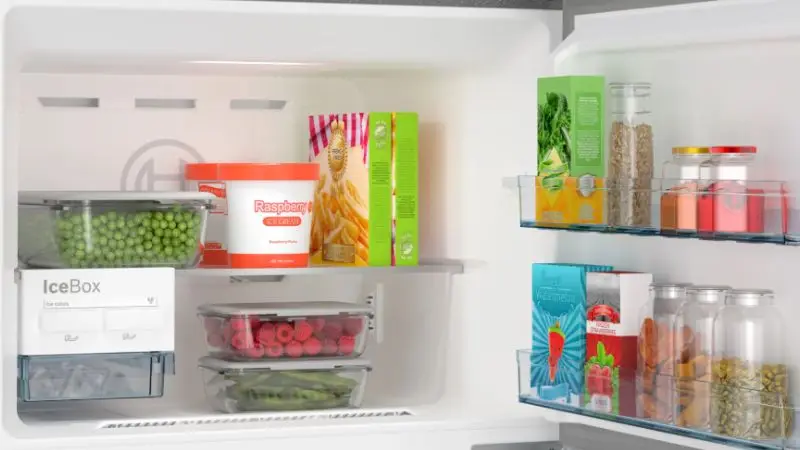
Verschiedene Lebensmittel benötigen geeignete Lagerbedingungen, um ihre Frische, Konsistenz und ihren Geschmack zu bewahren. Die meisten Lebensmittel können bei normaler Kühlschranktemperatur gelagert werden; einige Lebensmittel benötigen jedoch spezielle Lager- und Kühlbedingungen. Die optimale Kühlschranktemperatur gewährleistet die Lebensmittelsicherheit, verlängert die Haltbarkeit und reduziert Lebensmittelverschwendung.
Ideale Temperatur für Milchprodukte und Eier
Milch, Käse, Joghurt und Eier sind Milchprodukte, die regelmäßig gekühlt werden müssen, um ihre Frische und Sicherheit zu gewährleisten. Die Kühlschranktemperatur sollte zwischen 35 °C und 38 °C liegen. Dies verlangsamt den Verderb und hemmt das Wachstum unerwünschter Bakterien. Die Kühlschrankfächer sind der Tür vorzuziehen, da die Temperatur dort konstanter ist. Käse und Joghurt behalten zudem ihre bessere Konsistenz und ihren Geschmack, wenn sie bei der richtigen Temperatur gelagert werden. Kühlschrank Die richtige Temperatur trägt dazu bei, die Qualität von Milchprodukten zu erhalten und sie während der empfohlenen Lagerdauer sicher zu halten.
Optimale Temperatur für die Lagerung von Fleisch, Fisch und Geflügel
Rohes Fleisch, Fisch und Geflügel sollten kühl gelagert werden, da sie bei höheren Temperaturen leicht verderben. Die Lagerung dieser Lebensmittel im Kühlschrank bei Temperaturen unter 40 °C reduziert das Bakterienwachstum und verringert das Kontaminationsrisiko. Rohe Proteine müssen auf der untersten Ablage aufbewahrt werden, damit kein Saft auf andere Lebensmittel tropft. Die Lagerung von Lebensmitteln im Kühlschrank bei der richtigen Temperatur trägt dazu bei, die Frische zu erhalten und Verderb zu verhindern. Durch die richtige Kühlung bleibt Fleisch zudem bis zum Garen fest und behält seinen Geschmack.
Empfohlene Temperatur für Obst und Gemüse
Um frisch zu bleiben, benötigen Obst und Gemüse ein optimales Gleichgewicht von Kühlung und Luftfeuchtigkeit. Die meisten Produkte bleiben frisch, wenn sie in Kühlschubladen mit Feuchtigkeitsregulierung gelagert werden. Sehr niedrige Temperaturen können bestimmte Obst- und Gemüsesorten verderben lassen, während höhere Temperaturen den Verderb beschleunigen können. Kühlschrank Die richtige Kühlschranktemperatur trägt dazu bei, Lebensmittel frisch zu halten und ihre Knackigkeit, Farbe und ihren Nährwert zu bewahren. Wenn man die Produkte in die richtigen Fächer einteilt und diese nicht überfüllt, kann die kalte Luft zirkulieren. stabile Kühlschranktemperatur Sie konserviert frische Lebensmittel besser und hilft, Lebensmittelverschwendung durch vorzeitigen Verderb zu vermeiden.
Was ist die ideale Gefrierschranktemperatur für die Lagerung von Lebensmitteln?
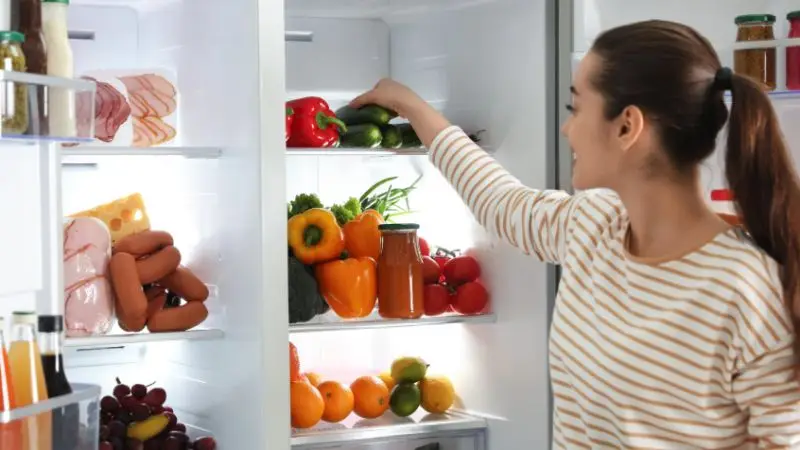
Das Gefrierschrank Der Gefrierschrank muss kälter sein als das Kühlschrankfach, um Lebensmittel über längere Zeiträume haltbar zu machen. Die richtige Gefriertemperatur beugt Verderb vor, erhält die Konsistenz der Lebensmittel und minimiert Qualitätseinbußen durch Temperaturschwankungen. Die Kenntnis der korrekten Gefriertemperatur ist ein wichtiger Aspekt der allgemeinen Lebensmittelkonservierung.
Empfohlene Gefriertemperatur für die Langzeitlagerung
Die empfohlene Temperatur für den sicheren Betrieb eines Gefrierschranks liegt bei 0 °C (-18 °C) oder darunter. Bei dieser Temperatur bleiben Lebensmittel gefroren, und das Wachstum von Bakterien, Schimmelpilzen und anderen Mikroorganismen wird stark gehemmt. Obwohl das Einfrieren Qualitätsveränderungen im Laufe der Zeit nicht vollständig verhindert, trägt es bei sachgemäßer Lagerung dazu bei, Lebensmittel monatelang haltbar zu machen. Die richtige Gefriertemperatur minimiert zudem den Feuchtigkeitsverlust und gewährleistet, dass die Tiefkühlprodukte in gutem Zustand bleiben. Stabile Gefrierbedingungen konservieren Fleisch, Gemüse, Fertiggerichte und andere Tiefkühlkost, ohne sie unnötig zu beschädigen, und bewahren ihren ursprünglichen Geschmack und ihre Textur.
Wie sich eine falsche Gefrierschranktemperatur auf die Lebensmittelqualität auswirkt
Falsche Gefriertemperaturen können die Qualität von Tiefkühlkost beeinträchtigen, selbst wenn diese gefroren ist. Wenn die Gefriertemperatur regelmäßig schwankt und zu hoch wird, kann es zu Gefrierbrand kommen, der durch Feuchtigkeitsverlust zu trockenen, verfärbten Stellen führt. Obwohl gefrierbrandgeschädigte Lebensmittel in der Regel noch genießbar sind, können sich Textur, Geschmack und Qualität verändern. Eine konstante Gefriertemperatur verhindert die Bildung von zu vielen Eiskristallen und konserviert die Lebensmittel. Die richtige Gefrierschrankpflege ergänzt die sichere Lagerung. Kühlschrank Durch die Wahl der Lagertemperaturen entsteht ein komplettes Lebensmittelkonservierungssystem für Ihre Küche.
Wie man die richtige Kühlschranktemperatur überprüft und aufrechterhält
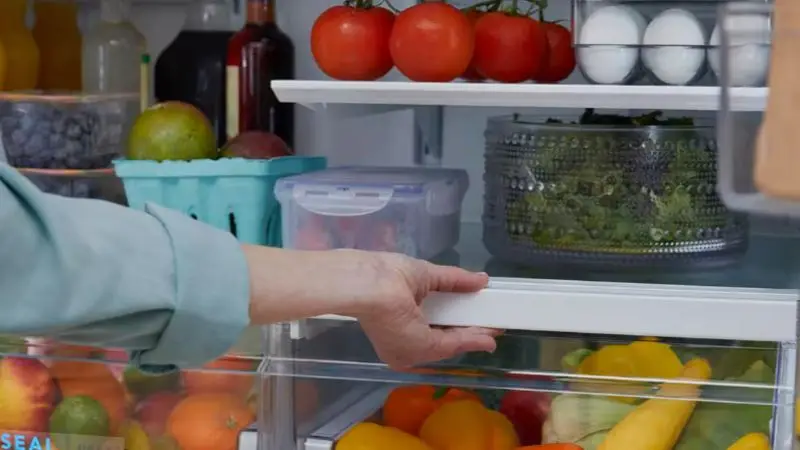
Selbst ein guter Kühlschrank kann durch den täglichen Gebrauch, häufiges Öffnen der Tür oder unterschiedliche Lagerungsmuster die Temperatur verändern. Die regelmäßige Kontrolle der Innentemperatur ist eine gute Möglichkeit, die Frische und Sicherheit Ihrer Lebensmittel zu gewährleisten. Sie hilft außerdem, die optimale Kühltemperatur beizubehalten, um Lebensmittel sicher zu lagern und unvorhergesehenen Verderb zu vermeiden.
Verwenden Sie ein Kühlschrankthermometer für genaue Messwerte.
Eine der sichersten Methoden, die tatsächliche Innentemperatur Ihres Kühlschrank Verwenden Sie ein Kühlschrankthermometer. Temperaturanzeigen für den Innenbereich geben nicht unbedingt die genauen Bedingungen im Kühlschrank wieder, da sie oft die Lufttemperatur im Raum messen und nicht die Innentemperatur des Kühlschranks. Platzieren Sie das Thermometer mittig im Kühlschrank, nicht vor Lüftungsschlitzen oder der Tür, um eine genauere Messung zu erhalten. Regelmäßige Temperaturkontrollen helfen sicherzustellen, dass Ihr Kühlschrank optimal kühlt. Diese einfache Vorsichtsmaßnahme gewährleistet, dass die eingestellte Temperatur für die Lagerung und Aufbewahrung verschiedener Lebensmittel geeignet ist.
Vermeiden Sie es, den Kühlschrank zu überfüllen.
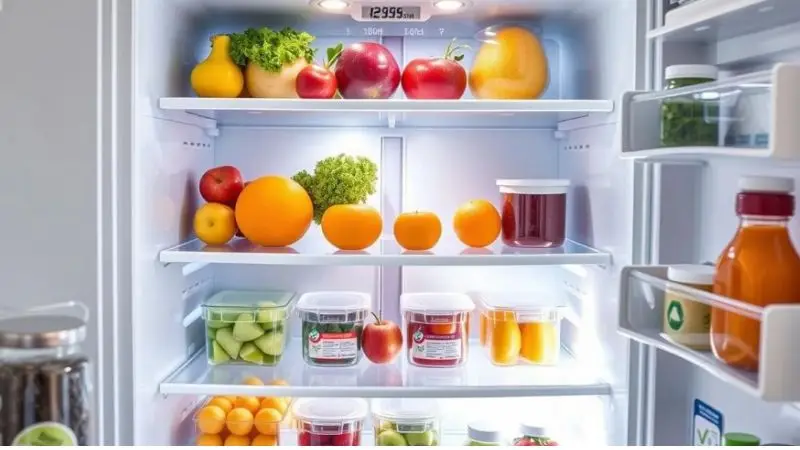
Ein vollgepacktes Kühlschrank Wenn die Regale zu eng beieinander stehen, kann die kalte Luft nicht frei zirkulieren, wodurch manche Bereiche des Kühlschranks wärmer werden als andere. Das Gerät muss mehr leisten, um eine gleichmäßige Temperatur zu halten. Es empfiehlt sich, zwischen den Lebensmittelbehältern etwas Abstand zu lassen, damit die kalte Luft ungehindert zirkulieren kann und alle Lebensmittel die gleiche Temperatur haben. Eine gute Organisation erleichtert zudem die Einhaltung der Mindesthaltbarkeitsdaten und verhindert, dass Lebensmittel vergessen werden. Eine gute Luftzirkulation trägt außerdem zu einer gleichmäßigen Temperatur bei. Kühlschranktemperatur für frische Lebensmittel und trägt dazu bei, dass verderbliche Waren nicht ungleichmäßig gekühlt werden oder verderben.
Kühlschranktüren ordnungsgemäß geschlossen halten
Es ist wichtig zu behalten Kühlschrank Die Türen sollten geschlossen bleiben, um eine konstante Innentemperatur zu gewährleisten. Jedes Mal, wenn die Tür offen bleibt, dringt warme Luft ein und das Gerät muss mehr Energie aufwenden, um die gewünschte Temperatur wieder zu erreichen. Wiederholte Temperaturschwankungen können die Lebensmittelqualität beeinträchtigen und den Energieverbrauch erhöhen. Überprüfen Sie regelmäßig die Türdichtungen, um sicherzustellen, dass keine kalte Luft durch Risse oder Beschädigungen entweicht. Eine ordnungsgemäß geschlossene Tür fördert eine effektive Kühlung und trägt zu optimalen Lagerbedingungen bei. Neben der regelmäßigen Temperaturkontrolle Ihres Kühlschranks tragen gute Gewohnheiten beim Schließen der Tür auch dazu bei, dass Ihr Kühlschrank zuverlässig funktioniert und die darin gelagerten Lebensmittel länger haltbar sind.
Häufige Temperaturprobleme im Kühlschrank und wie man sie behebt
Temperaturprobleme können die Qualität Ihrer Lebensmittel beeinträchtigen, mehr Energie verbrauchen und die Effizienz Ihres Geräts verringern. Obwohl Ihr Kühlschrank Obwohl die Einstellungen korrekt zu sein scheinen, können verschiedene Probleme eine konstante Kühltemperatur verhindern. Kenntnisse über die typischen Ursachen und Abhilfemaßnahmen helfen Ihnen, den Normalbetrieb wiederherzustellen und das Verderben von gelagerten Lebensmitteln zu verhindern.
Der Kühlschrank ist trotz korrekter Einstellungen zu warm.
So ein Kühlschrank Trotz korrekter Einstellungen kann es im Kühlschrank zu warm werden, wofür es mehrere mögliche Ursachen gibt. Verstopfte Lüftungsschlitze verhindern, dass kühle Luft andere Teile des Geräts erreicht, und verschmutzte Kondensatorspulen können die Kühlleistung beeinträchtigen. Auch defekte Temperatursensoren oder ein fehlerhaftes Kühlsystem können die Leistung mindern. Achten Sie auf ausreichende Luftzirkulation, saubere Spulen und eine gute Belüftung rund um den Kühlschrank, um die Kühlleistung zu verbessern. Bei zu hoher Innentemperatur sollten Sie die Gerätekomponenten überprüfen. Um Lebensmittelverderb zu vermeiden und verderbliche Lebensmittel frisch zu halten, muss der Kühlschrank auf der richtigen Temperatur gehalten werden.
Der Kühlschrank friert Lebensmittel ein, anstatt sie richtig zu kühlen.
Wenn eine Kühlschrank Wenn Lebensmittel im Kühlschrank gefrieren, anstatt gekühlt zu werden, liegt das Problem meist an falschen Einstellungen, defekten Thermostaten oder einer unzureichenden Luftzirkulation. Die Temperatur darf nicht zu niedrig sein, da sonst Lebensmittel in der Nähe der Lüftungsschlitze gefrieren können, insbesondere empfindliche Lebensmittel wie Gemüse und Milchprodukte. Auch ein defekter Thermostat kann verhindern, dass der Kühlschrank die Kühlleistung richtig anpasst. Eine leichte Erhöhung der Temperatur und die Überprüfung der Lüftungsschlitze können das Problem beheben. Die richtige Kühlschranktemperatur sorgt dafür, dass die Lebensmittel kühl bleiben, ohne zu gefrieren, und ihre Qualität erhalten bleibt.
Die Temperatur im Kühlschrank schwankt häufig.
Tägliche Temperaturschwankungen können durch Überladung, häufiges Öffnen der Tür, defekte Dichtungen oder mechanische Probleme entstehen. Wenn dem Kühlschrank wiederholt warme Luft zugeführt wird, muss das Gerät mehr Energie aufwenden, um die optimale Kühltemperatur wiederherzustellen. Zu eng gestapelte Regale können aufgrund mangelnder Luftzirkulation ebenfalls zu ungleichmäßigen Temperaturen im Kühlraum führen. Durch regelmäßige Reinigung, die richtige Anordnung der Lebensmittel und die Überprüfung der Türdichtungen lässt sich eine stabile Temperatur gewährleisten. Sie können die sichere Lagertemperatur Ihrer Lebensmittel im Kühlschrank überprüfen, indem Sie die Temperatur kontrollieren. So lassen sich Probleme frühzeitig erkennen und verhindern, dass Lebensmittel gefährliche Temperaturen erreichen. Regelmäßige Wartungen gewährleisten die optimale Funktion Ihres Kühlschranks und schützen die Qualität Ihrer Lebensmittel.
Einpacken
Eine der einfachsten Maßnahmen zur Gewährleistung der Lebensmittelqualität und -sicherheit ist die Aufbewahrung Ihrer Kühlschrank Die richtige Temperatur ist entscheidend. Optimale Bedingungen verlangsamen das Bakterienwachstum, erhalten die Frische und verhindern Verderb. Mit der Kenntnis der empfohlenen Kühlschranktemperatur können Sie Milchprodukte, Fleisch, Gemüse und andere Lebensmittel optimal lagern. Regelmäßige Temperaturkontrollen, eine gute Organisation und die richtige Pflege verbessern die Leistung und Energieeffizienz Ihres Kühlschranks. Durch das richtige Einfrieren von Lebensmitteln im Kühlschrank verlängern Sie deren Haltbarkeit, reduzieren Lebensmittelverschwendung und schaffen einen sicheren Aufbewahrungsort für Ihre Familie.
Häufig gestellte Fragen
Welche Kühlschranktemperatur ist optimal für einen Lebensmittelkühlschrank?
Die optimale Temperatur im Kühlschrank liegt zwischen 35 °C und 38 °C. Wenn Sie Ihren Kühlschrank bei etwa 37 °C lagern, bleiben Lebensmittel länger frisch und die Vermehrung schädlicher Bakterien wird reduziert.
Welche Temperatur muss ein Kühlschrank haben?
Der Kühlschrank sollte eine normale Temperatur von 37°F haben. Diese Temperatur bietet einen Kompromiss zwischen Lebensmittelsicherheit, Frische und Energieeffizienz, ohne dass empfindliche Lebensmittel eingefroren werden müssen.
Warum sollte die Kühlschranktemperatur unter 40 Grad gehalten werden?
Durch die Einhaltung niedriger Temperaturen (unter 40 °C) wird das Bakterienwachstum minimiert und lebensmittelbedingten Erkrankungen vorgebeugt. Ein heißes Klima kann hingegen die rasche Vermehrung von Bakterien und damit den Verderb von Lebensmitteln begünstigen.
Was ist die maximal zulässige Temperatur in einem Kühlschrank?
Der sichere Temperaturbereich im Kühlschrank liegt bei 40 °C oder darunter. Dadurch werden verderbliche Lebensmittel länger haltbar gemacht und ihre Lagerfähigkeit verlängert.
Wie kann ich die Temperatur meines Kühlschranks messen?
Um korrekte Temperaturmessungen zu gewährleisten, sollte ein Kühlschrankthermometer im mittleren Bereich verwendet werden. Eingebaute Displays spiegeln möglicherweise nicht die tatsächliche Innentemperatur der Lebensmittellagerbereiche wider.