Ultralydsrensning er yderst effektiv til at fjerne snavs, fedt og affald fra sarte genstande og er meget præcis. Den anvendte vandtype bestemmer i høj grad rengøringsprocessens effektivitet. De fleste bruger destilleret vand til ultralydsrensesystemer, fordi det ikke indeholder mineraler eller urenheder. Dette hjælper med at rengøre mere effektivt og beskytte genstande og maskinen. Denne vejledning diskuterede principperne for destilleret vand, dets overlegenhed i forhold til postevand og dets effekt på en ...s ydeevne. ultralydsrensningstank til smykker, elektronik og præcisionsinstrumenter.
Hvad destilleret vand er, og hvorfor det bruges til rengøring
Destilleret vand er meget rent vand, der finder en bred vifte af anvendelser inden for rengøring og tekniske aktiviteter. Det er især afgørende i systemer som ultralydsrensetanke, hvor vandkvaliteten har direkte indflydelse på rengøringsydelsen. Da det er fri for mineraler og urenheder, hjælper det med at levere renere resultater, samtidig med at det bevarer skrøbelige genstande og forlænger rengøringsudstyrets levetid.
Hvordan destilleret vand fremstilles
Destilleret vand fremstilles ved at koge normalt vand, indtil det bliver til damp. Ved kogning forbliver alle mineraler, salte og urenheder i den originale beholder. Derefter opsamles dampen og afkøles, hvorefter den bliver til væske. Slutresultatet af denne proces er meget rent vand, der kaldes destilleret vand.
Denne proces ligner den naturlige vandcyklus, hvor vand fordamper, danner skyer og vender tilbage som regn. I dette tilfælde sker det dog i et ordentligt miljø for at være rent og sikkert. Store virksomheder er masseproducenter af destilleret vand, og der findes også små hjemmedestillatører, der bruges til privat brug. Det er på grund af denne høje renhed, at destilleret vand anbefales kraftigt til brug i ultralydsrensningsprocesser.
Egenskaber og anvendelser af destilleret vand
Destilleret vand bruges til rengøring og følsomme applikationer på grund af flere vigtige egenskaber. Disse egenskaber forbedrer direkte rengøringsevnen og forhindrer skader eller ophobning af udstyr.
- Meget ren: Den indeholder ingen mineraler, salte eller urenheder, og derfor er den meget ren.
- Neutral smag og lugt: Den er fuldstændig neutral, hvilket indikerer dens forurening.
- Ikke-ledende: Det er ikke en god leder af elektricitet, hvilket er gavnligt i elektronik og skrøbelige produkter.
- Ingen rester: Den tørrer uden pletter, pletter eller kalkaflejringer.
- Udstyrssikkerhed: Det hjælper med at forhindre ophobning i udstyr, såsom en ultralydsrensetank.
I betragtning af disse fordele er spørgsmålet, som mange brugere stiller: Hvorfor skal vi bruge destilleret vand i ultralydsrensesystemer? Dette skyldes primært, at det blokerer mineralaflejringer og opretholder rengøringsevnen. Det sammenlignes også ofte i spørgsmål som om destilleret vand er bedre i ultralydsrensere, og om jeg kan bruge postevand i en ultralydsrenser i stedet for destilleret vand? I de fleste tilfælde giver destilleret vand renere, sikrere og mere pålidelige resultater, især til præcisionsrengøring.
Hvorfor destilleret vand er vigtigt til ultralydsrensning
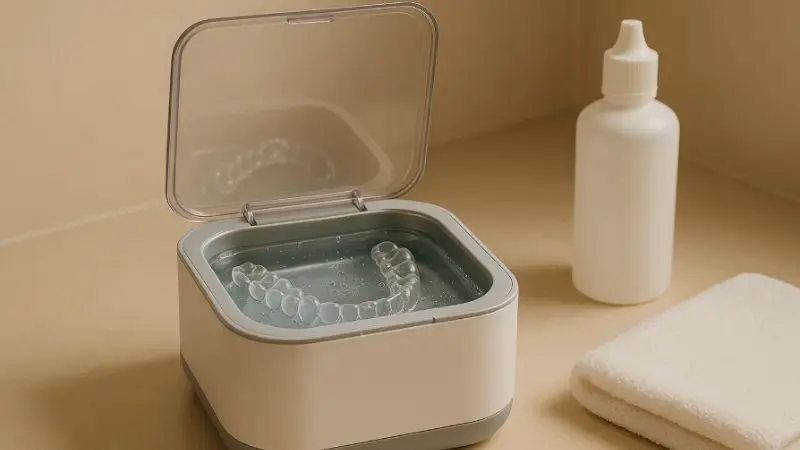
Destilleret vand i en ultralydsrensetank forbedrer renligheden, maskinbeskyttelsen og eliminerer restproblemer. Da ultralydsrensning i høj grad er afhængig af vandets renhed, kan valg af den rigtige vandtype have betydelig indflydelse på resultaterne og udstyrets levetid. Derfor tiltrækkes mange brugere af at bruge destilleret vand i ultralydsrensesystemer for at sikre høj stabilitet i ydeevnen.
Ingen hvide mærker, ingen rester og ingen kalkaflejringer
Postevand indeholder mineraler som magnesium og calcium. Når vandet fordamper, efterlades disse mineraler og danner hvide pletter, pletter eller kalkaflejringer på rengjorte overflader som smykker, briller og værktøj.
Disse mineraler findes ikke i destilleret vand; derfor er overfladerne rene og skinnende ved afslutningen af hver cyklus. Det forhindrer også ophobning af stoffer i tanken over tid, hvilket sikrer ensartet rengøringsydelse. Det er blandt de primære grunde til, at destilleret vand i en ultralydsrenser anbefales kraftigt både derhjemme og i professionelle omgivelser.
Længere levetid for din ultralydsrenser
Ultralydsrensere er meget fine maskiner, og deres drift kræver rene indre forhold. Mineralaflejringer ophobes gradvist i tanken og de indre komponenter, når der bruges gentagne gange postevand. Dette kan forsænke effektiviteten og i sidste ende resultere i skader eller dyre reparationer.
Disse aflejringer undgås ved at bruge destilleret vand. Det opretholder maskinens renlighed og minimerer slid. På arbejdspladser som laboratorier, tandklinikker og værksteder kan destilleret vand bruges i ultralydsrensere for at forbedre ydeevnen og forlænge udstyrets levetid.
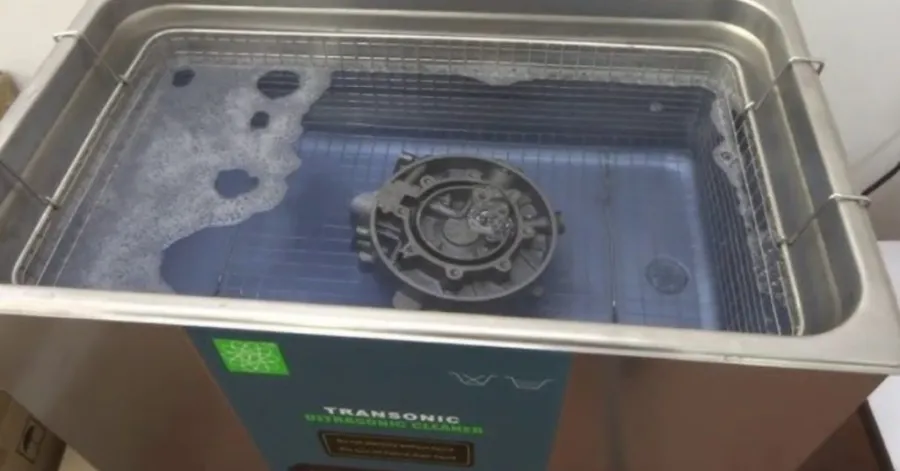
@small.engine.repa Ultralydsrenser til butikken #butik #garage #lillemotormekaniker #reparere #tatovering #tatoveringsbutik #lægekontor
♬ original lyd – lille motorværksted
Bedre rengøringsydelse og resultater
Ultralydsrensning udføres ved at generere lydbølger, der producerer små bobler i vand. Disse bobler rengør overflader ved at fjerne snavs og fedt. For at denne proces skal være effektiv, skal vandet være rent og uden mineraler.
Ultralydbølger bevæger sig bedre gennem destilleret vand, hvilket forbedrer rengøringsevnen og effektiviteten. Det bruges også til at undgå efterbehandlingseffekter eller striber.
Derfor spørger mange, hvorfor man skal bruge destilleret vand i en ultralydsrenser. En nemmere løsning er højere rengøringsydelse og mindre risikable resultater for skrøbelige genstande. Destilleret vand er også bedre til smykker, laboratorieglas og elektroniske komponenter, som kan rengøres og kontrolleres mere præcist.
Destilleret vand vs. postevand i ultralydsrensesystemer
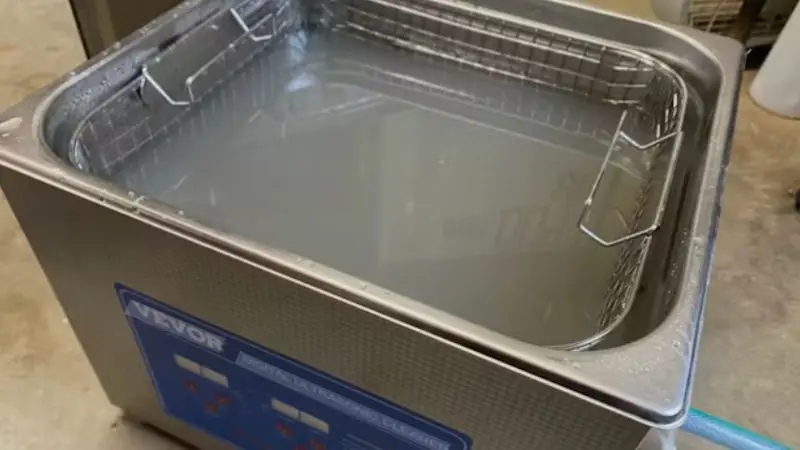
Brugen af destilleret vand eller postevand vil direkte påvirke rengøringskvaliteten og effektiviteten af en ultralydsrensetank. Selvom de kan være ens, er deres indre strukturer ret forskellige. Forskellen påvirker dine genstandes renlighed, maskinens levetid og den hastighed, hvormed du oplever vedligeholdelsesproblemer. Derfor foretrækkes destilleret vand af mange brugere i ultralydsrensesystemer for at sikre gode resultater.
Fordele ved at bruge destilleret vand
Destilleret vand er en bedre og sikrere rengøringsmetode på grund af dets fravær af mineraler, salte og andre urenheder. Dette kan bruges til at forbedre rengøringsevnen samt forlænge levetiden på dit udstyr.
Det har en række store fordele:
- Der er ingen mineralaflejringer eller kemiske rester på rengjorte genstande.
- Ingen af de hvide pletter, striber eller vandmærker efter tørring.
- Opbevares sikkert, f.eks. i smykker, briller og elektronik.
- Fjerner kalkaflejringer i ultralydsrensetanken.
- Hjælper med at sikre maskinens levetid.
I betragtning af disse fordele spørger mange, hvorfor vi skal bruge destilleret vand i ultralydsrensere. Dette skyldes primært, at det garanterer renere ydelse og beskytter genstande og maskine. Det tages også ofte i betragtning, når brugere sammenligner, om destilleret vand er bedre til ultralydsrensere i deres daglige brug.
Problemer med at bruge postevand
Postevand er en kilde til naturlige mineraler som magnesium og calcium. Disse mineraler er harmløse at drikke, men forårsager problemer i ultralydsrensningssystemer. Disse mineraler aflejres, når vandet fordamper, og efterlader synlige rester eller hvide pletter på vaskede produkter.
Med tiden kan maskinen også blive påvirket af postevand:
- Ophobning af mineraler i tanken forringer ydeevnen.
- Kalk kan tilstoppe interne komponenter og forringe ydeevnen.
- Der er en uoverensstemmelse i rengøringsresultaterne over tid.
- Sarte genstande kan have pletter eller fedt.
Selv lejlighedsvis brug af postevand kan starte denne ophobningsproces. Derfor tøver selv mange brugere med at spørge: Kan jeg bruge postevand i en ultralydsrenser i stedet for destilleret vand som en langsigtet løsning, især når der kræves større præcision eller professionel rengøring?
Almindelige myter om vandvalg
Brug af vand i ultralydsrensere har en række misforståelser. Der er en myte om, at alt vand er lige. Faktisk bidrager vandets renhed betydeligt til at forbedre udstyrets ydeevne og sikkerhed.
Den anden myte er, at postevand er tilstrækkeligt til normal rengøring. Selvom dette kan være produktivt på kort sigt, ophobes der stadig aflejringer over tid. Nogle mennesker tror også på, at destilleret vand ikke er så let at finde eller for dyrt. Det er let tilgængeligt i de fleste tilfælde og er meget billigere end at reparere et beskadiget rengøringsmiddel.
Og en af myterne er, at det ikke betyder noget, hvornår man bruger postevand for første gang. Bare én cyklus kan efterlade mineraler, der begynder at danne rester. Derfor er det altid bedre at bruge destilleret vand til at arbejde med ultralydsrensere for at garantere stabil og langvarig drift og rengøringsresultater.
Anvendelse af destilleret vand i ultralydsrensning
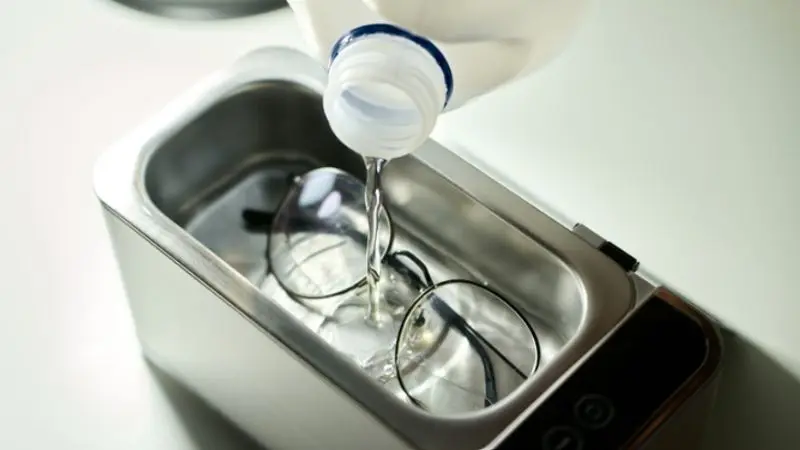
Destilleret vand, der almindeligvis anvendes til ultralydsrensning, giver sikre resultater uden rester. Det fungerer særligt godt i en ultralydsrensetank, hvor selv mindre urenheder kan have en indvirkning. Brugen af destilleret vand til ultralydsrensere foretrækkes af mange brugere på grund af den højere rengøringskvalitet og beskyttelse af sarte genstande.
Rengøring af smykker med destilleret vand
Destilleret vand er meget nyttigt til rengøring af smykker, fordi det ikke efterlader pletter og fjerner snavs, olie og støv. Det gør smykker skinnende og giver en vis beskyttelse til sarte overflader.
Det bruges til:
- Halskæder, armbånd og ringe.
- Små tilbehør og ure.
- Genstande lavet af guld, sølv og ædelsten.
En god mængde rengøringsopløsning tilsættes også for at forbedre glansen. Dette kan bruges til at fjerne genstridigt snavs og holde smykker rene og sikre.
Rengøring af elektronik og præcisionsdele
Destilleret vand er vigtigt til rengøring af elektronik, fordi det mangler mineraler, der kan forårsage skade. Det hjælper med at beskytte sarte dele under ultralydsrensning.
Det anvendes hovedsageligt i:
- Kredsløb
- Kameralinser
- Urdele
- Laboratorieudstyr og -apparater.
Det kombineres normalt med en uskadelig rengøringsopløsning for at fjerne støv og olie. Dette er grunden til, at man bruger destilleret vand i en ultralydsrens er et hyppigt spørgsmål, når det kommer til rengøring af elektronik.
Brug af destilleret vand med rengøringsopløsninger
Afhængigt af opgaven kan destilleret vand bruges som det er eller kombineres med rengøringsopløsninger. Det forbedrer rengøringseffekten, da det giver en ren base, som opløsningen kan virke på.
Almindelige anvendelser omfatter:
- Rengøring af smykker med en let opløsning.
- Sikker løsning til rengøring af elektronik.
- Dup på isopropylalkoholblandingen.
En sådan blanding hjælper med at fjerne fedt og snavs mere effektivt. Den sikrer også, at der ikke efterlades rester under rengøringsprocessen.
Wrap Up
Forskellen mellem at bruge det korrekte vand til ultralydsrensning og udstyrets resultater og levetid er betydelig. Destilleret vand hjælper med at forhindre pletter, rester og kalkaflejringer og forbedrer rengøringseffektiviteten. Det er især praktisk, når man arbejder med følsomme varer, såsom smykker, elektronik og laboratorieudstyr. Postevand kan virke praktisk, men det kan forsinke ydeevnen på lang sigt på grund af mineralaflejringer. At forstå, hvorfor du bruger destilleret vand i ultralydsrensningssystemer, kan hjælpe dig med at opnå sikrere, renere og mere professionelle resultater. For at sikre ensartet drift af maskinen og forlænge levetiden er destilleret vand den sikreste løsning til alle typer ultralydsrensning.
Ofte stillede spørgsmål
Er det muligt at bruge postevand i en ultralydsrenser?
Det er okay at bruge postevand, men det efterlader mærker. Det kan også forårsage kalkaflejringer. Destilleret vand er mere effektivt og sikrere for din maskine.
Hvad er hyppigheden af udskiftning af destilleret vand i din ultralydsrenser?
Skyl vandet hver gang det er rengjort. Pletter og ophobning forhindres med frisk destilleret vand.
Kan alle smykker bruges med destilleret vand?
De fleste smykker tåler kun destilleret vand. Perle eller sarte sten: Tjek plejeanvisningerne inden rengøring.
Hvor får man destilleret vand fra, når man rengør ultralydsrensere?
Destilleret vand sælges i butikker eller på internettet. For at finde den bedste type flasker, skal du se på etiketten, der angiver ordene "destilleret".