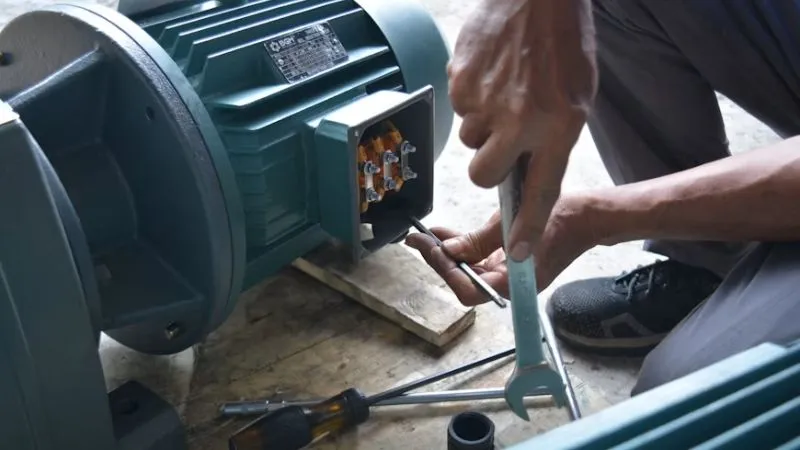
Du kan klare reparation af swimmingpoolpumper og holde din pool ren og sikker. Mange poolejere føler sig usikre, når deres pumpe går i stykker, men tips til reparation af swimmingpoolpumper kan guide dig gennem hvert trin. Hvordan reparerer man en swimmingpoolpumpe? Pas på svømmehallen pool pumpe reparation hjælper dig med at løse problemer og forhindre fremtidige problemer. Din pool har brug for regelmæssig pleje, og at lære at reparere en swimmingpoolpumpe giver dig ro i sindet, samtidig med at du holder din pool kørende problemfrit.
Med de rigtige værktøjer og et par enkle trin kan du klare mange reparationer selv og undgå unødvendige reparationsomkostninger. Denne vejledning forklarer, hvordan du diagnosticerer almindelige problemer. pool pumpe problemer, udfør grundlæggende reparationer og vid, hvornår det er tid til at udskifte din pumpe. Uanset om du er ny poolejer eller har mange års erfaring, vil disse praktiske tips hjælpe dig med at holde din swimmingpool kørende problemfrit gennem hele sæsonen.
Indholdsfortegnelse
Værktøjer du har brug for til reparation af swimmingpoolpumpe
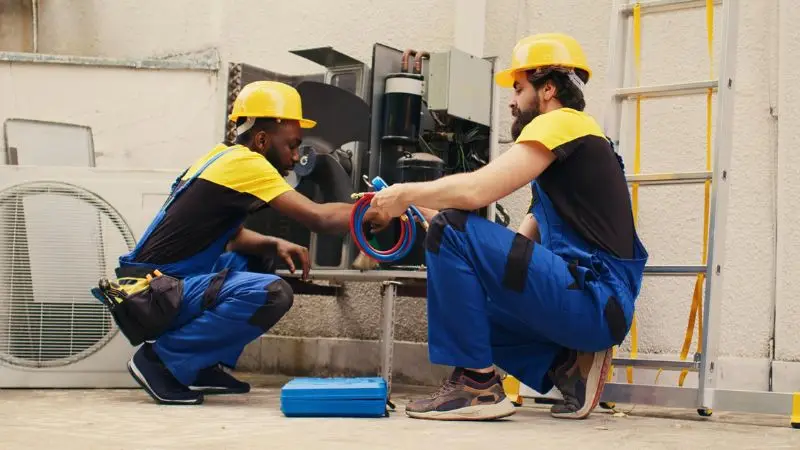
Før du forsøger nogen form for filter reparation af pumpe På din pool har du brug for det rigtige værktøj. Det rigtige udstyr kan gøre arbejdet lettere, mere sikkert og hurtigere. Der er ikke behov for smarte gadgets. De fleste reparationer involverer simple ting, du måtte have i dit hjem. Brug sikkerhedsudstyr, og sluk for strømmen til pumpen, før du udfører reparationer, for at sikre en sikker og vellykket reparation.
Anbefalet til dit projekt
Grundlæggende reparationsværktøjer
Hvordan reparerer man en swimmingpoolpumpe? Der findes adskillige enkle værktøjer, som de fleste husejere allerede har i deres garager. Disse vil hjælpe dig med at undersøge pumpen, udskifte eventuelle beskadigede komponenter og reparere pumpen sikkert. At have det rigtige værktøj til rådighed inden arbejdet hjælper dig med at komme hurtigt i gang og forhindrer, at poolpumpen ikke starter. Brug en lille værktøjskasse eller spand med værktøj. Dette gør det nemt at transportere alt til din pool.
Her er en liste over værktøjer, du skal have ved hånden, før du kan begynde at reparere din poolfilterpumpe:
- Skruetrækkere (fladhoved og Phillips)
- Justerbar nøgle
- Tænger
- Sokkelsæt
- Hobbykniv
- Smøremiddel (til O-ringe og pakninger)
- lommelygte
Reservedele
Under reparation af en poolfilterpumpe kan det være nødvendigt at udskifte slidte eller ødelagte dele. Hvordan reparerer man en swimmingpoolpumpe? Alle poolpumper har en levetid, der kan forringes ved regelmæssig brug, udsættelse for vand, poolkemikalier og vejrforhold. Udskiftning af dele efter behov giver din pumpe optimal ydeevne, forlænger dens levetid og holder poolen ren og flydende.
- O-ringe: Bruges til at forsegle samlinger og forhindre lækage af vand og luft.
- Pumpekurv: Filtrerer blade, snavs og andet affald, der kan komme ind i pumpen.
- Pakninger: Forhindrer vand i at sive ind i pumpen, hvilket hjælper med at bevare de indre dele.
- Impeller: Dette er det, der skubber vandet gennem pumpen, holder den i gang.
- Pakninger: Sørg for god tætning mellem pumpekomponenterne for at forhindre lækager.
Væsentligt sikkerhedsudstyr
Der skal også tages hensyn til sikkerheden. Elektricitet og vand kan bruges til reparation af poolfilterpumper. Sluk altid for strømmen til poolpumpen, før du rører ved nogen del af poolfilterpumpen, der lækker vand. Dette vil holde dig sikker og forhindre ulykker. Med det rigtige værktøj og sikkerhedsudstyr kan du klare de fleste poolproblemer. filterpumpe reparationer med lethed. Dette sikrer, at din pool fungerer korrekt og ikke fører til alvorlige problemer i fremtiden.
Brug altid beskyttelsesudstyr:
- Sikkerhedsbriller beskytter dig mod stænk.
- Kemikalier skader ikke dine hænder, da du bruger gummihandsker.
- Lukkede sko beskytter dig mod skader, hvis du taber værktøj.
Trin-for-trin guide til reparation af swimmingpoolpumpe
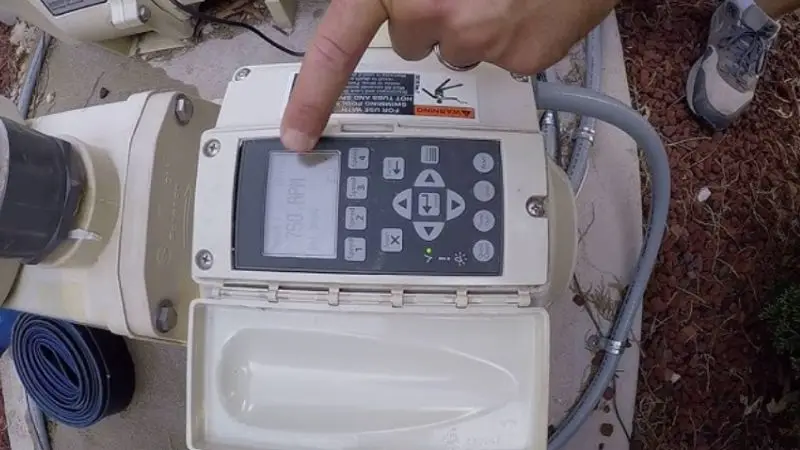
Udfør en systematisk proces for at reparere poolpumpen sikkert og effektivt. Sluk først for strømmen, og kontroller, rengør og udskift derefter beskadigede komponenter som impeller, O-ringe og pakninger. Til sidst skal du kontrollere og teste pumpen for at bekræfte, at vandet flyder korrekt, og for at forhindre yderligere problemer.
Sluk for strømmen
Før du begynder at filtrere poolen reparation af pumpe, bør strømmen være slukket. Find afbryderen til din swimmingpool. Sluk den. Dette hjælper dig med at forblive sikker. Når du kontrollerer, om poolpumpen får strøm, skal du gå til poolpumpen, slukke for el-boksen og bruge spændingstesteren. Når der ikke er strøm, er det sikkert at starte reparation af swimmingpoolen på en pumpe. At slukke for strømmen ved el-boksen forhindrer elektrisk stød og giver dig mulighed for nemt at kontrollere og fejlfinde pumpen sikkert. Dette enkle trin kan forhindre usikre hændelser og skader, der kan koste dig mange penge og føre til en alvorlig ulykke. Dette er især nyttigt, når du ser problemer som en poolpumpe, der lækker vand, mærkelige lyde, lavt vandtryk eller en poolpumpemotor, der brummer og ikke starter.
Undersøg pumpen for synlige skader
Tjek din poolfilterpumpe. Kig efter revner, rust eller ødelagte dele. Inspicer huset og ledningerne. Hvis der observeres skader, skal du markere det. Udskiftning af dele eller reparation af en poolpumpe kan være nødvendigt. Et af de vigtigste trin i reparation af en swimmingpoolpumpe er at kontrollere pumpen for synlige skader. Det er vigtigt at foretage en grundig inspektion for synlige skader, før du udskifter dele eller endda demontering af pumpenStart med at undersøge pumpens yderside. Undersøg pumpehuset for revner, buler eller slid. En utæt pumpe kan skyldes et beskadiget hus eller vand, der lækker ind i det omgivende elektriske udstyr, hvilket påvirker pumpens effektivitet. Utætte poolpumper skyldes typisk beskadigede pakninger, løse samlinger eller synlige revner, der kan opdages ved en grundig inspektion af pumpen.
Rengør pumpekurven og filteret
Tøm pumpekurven. Fjern blade, snavs og affald. Skyl kurven med vand. Kontroller filteret. Rengør/udskift efter behov. Dette vil holde din pool ren og din pumpe kørende korrekt. Den første barriere mod affald er pumpekurven. Den er designet til at forhindre store genstande i at trænge ind i pumpens indre struktur. Hvis kurven er fuld, kan vandet ikke passere frit. gennem pumpenDette kan mindske vandgennemstrømningen og dermed pumpens effektivitet. Nogle gange, når kurven er tilstoppet, kan det påvirke pumpens anfyldning, forårsage overophedning eller forhindre den i at fungere. Regelmæssig rengøring af kurven lader vandet strømme frit gennem systemet uden blokeringer og hjælper pumpen med at opretholde sin effektivitet.
Tjek for luftlækager
Luftlækager forårsager dårlig ydeevne ved reparation af swimmingpoolens filterpumpe. Kontroller låg, O-ringe og forbindelser. Vær opmærksom på eventuelle gispende lyde. Spænd løse fittings. Udskift slidte pakninger. Din pool kan miste vand på grund af luftlækager. Utæt luft opstår typisk på pumpens "sugeside", hvor vand trækkes fra poolen og ind i filteret. Dette er typisk de områder, hvor luft kan trænge ind i pumpen: pumpelåg, O-ringe, rørforbindelser, ventiler og fittings. Ofte vil de samme slidte pakninger eller løse forbindelser, der tillader luft at komme ind i systemet, også lade vand ud af pumpen og mindske pumpens effektivitet endnu mere. Uanset hvor lille en åbning er, kan den suge luft ind i systemet og forårsage problemer. Luftlækager kan opdages og håndteres, før de vokser sig større.
Inspicer pumpehjulet
Åbn pumpedækslet. Undersøg impelleren. Fjern snavs eller ophobning. Hvis impelleren ser ud til at være beskadiget, skal du udskifte den. Din poolfilterpumpe bruger en ren impeller til at cirkulere vand i din pool. Ved at kontrollere, at impelleren er i god stand, kan du opdage problemer tidligt, optimere pumpens ydeevne og undgå dyre reparationer. Blade, hår, snavs, små sten og andet affald kan over tid komme ind i pumpekurven og sætte sig fast i impelleren. Hvis vandgennemstrømningen aftager, kan din pool blive uklar, da filteret ikke kan filtrere vandet ordentligt. En anden årsag til, at en poolpumpe laver en høj lyd, er en tilstoppet impeller. Hvis impelleren er tilstoppet eller beskadiget, skal motoren arbejde hårdere for at pumpe vand gennem systemet, hvilket igen kan forårsage en høj lyd. Regelmæssig inspektion af impelleren vil give dig mulighed for at fjerne enhver blokering, før den forårsager mere alvorlige problemer.
Udskift beskadigede O-ringe eller pakninger
Undersøg O-ringe og pakninger. Udskift eventuelle revnede eller slidte. Brug smøremiddel til at hjælpe med at installere nye dele. Gode pakninger forhindrer lækager og gør poolfilteret nem reparation af pumpenNår O-ringen bliver slidt eller beskadiget, kan den ikke længere forsegle. Dette kan medføre, at der kommer luft ind i systemet, eller at vand slipper ud, hvilket forringer pumpens effektivitet. En ny O-ring vil sætte pumpen i drift igen og genoprette normal drift. Inde i pumpen udfører pumpens tætninger en lignende funktion. De forhindrer vand i at lækker rundt om motorakslen og andre bevægelige dele. Disse tætninger, som forringes over tid, tillader vand at sive ind på steder, hvor det ikke burde være. Dette vand eller fugtighed kan skade motoren og andre dyre dele, hvis det ikke tages hånd om.
Test poolpumpen
Tænd for strømmen igen. Overvåg poolens filterpumpe. Lyt efter mærkelige lyde. Kontroller vandgennemstrømningen. Hvis den virker, har du repareret din pool pumpeNår alle reparationer er afsluttet, skal du tænde for strømmen til pumpen igen og køre den i et par minutter. Hold øje med pumpen, når den starter. Den burde starte uden tøven eller mærkelige lyde. Hvis pumpen starter normalt, var reparationen vellykket. Men hvis den starter svagt eller fungerer anderledes, end den skal, kan yderligere undersøgelse være nødvendig. Et af de sidste, men mest afgørende, trin i reparation af en swimmingpoolpumpe er at teste pumpen. Når pumpen er rengjort, dele er udskiftet, eller et problem er løst, skal du teste pumpen for at sikre, at den fungerer korrekt, før du erklærer arbejdet for udført.
Overvåg ydeevne efter reparation
Tag aldrig øjet fra din pool. Vær opmærksom på lav vandgennemstrømning, lækager og støj. Regelmæssige kontroller giver dig mulighed for at identificere problemer tidligt. Nu ved du, hvordan du reparerer en poolfilterpumpe trin for trin. Denne poolvedligeholdelsesrutine vil holde din pool ren og sikker. Hvis du lige har haft en swimmingpoolpumpe, der ikke fungerede korrekt, er det vigtigt at overvåge ydeevnen. Hvis pumpen genoptager driften, skal du sørge for at overvåge den i de næste par dage. Dette vil hjælpe med at sikre, at reparationen løste det oprindelige problem, og at pumpen fungerer nu uden problemer eller nedlukninger. Registrer hvert trin, du tager. Denne registrering vil hjælpe dig med at overvåge vedligeholdelse og lettere finde reparation af swimmingpoolpumpen i fremtiden.
Sådan løser du specifikke problemer med swimmingpoolpumpen
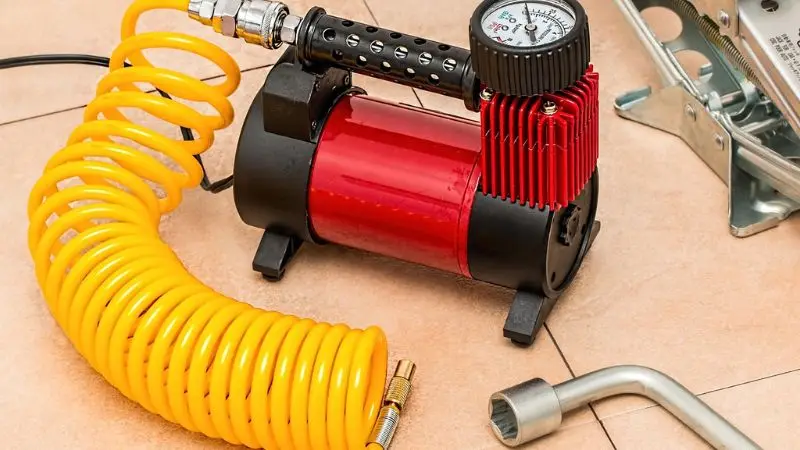
Fejlfinding af swimmingpoolpumper kan løse almindelige problemer, herunder en pumpe der ikke starter, mærkelige lyde, lavt vandtryk, svømmepøl lækager og tab af primer. Korrekt strømforsyning, rengøring af tilstoppede komponenter, udskiftning af slidte pakninger og tilspænding af forbindelser kan genoprette korrekt ydeevne. Regelmæssig vedligeholdelse og diagnosticering af din poolpumpe kan hjælpe med at sikre, at du ikke behøver at betale for reparationer, og at den kører effektivt.
Reparation af en poolpumpe, der ikke vil starte
Et problem med poolfilterpumpen er, hvis den ikke vil tænde. Kontroller først strømforsyningen. Kontroller, at afbryderen er "tændt". Kontroller ledningerne for løse forbindelser. Hvis pumpen ikke kører efter at have hørt et klik, kan kondensatoren være defekt. En spændingstester kan bruges til at teste en pool pumpe der ikke vil starte, og find ud af, hvordan du reparerer pumpen. Hvis motoren brummer, men ikke drejer, kan det være et problem med, at motoren brummer, men ikke drejer poolpumpen. Dette trin kan bruges til at reparere en filterpumpefejl og til at løse typiske problemer med poolpumpen. Det første trin er at køre en test for at afgøre, om pumpen får strøm. Ofte er det et udløst strømkredsløb, en sprunget sikring eller en løs forbindelse.
Reparation af en støjende poolpumpe
Hvis du hører mærkelige lyde, har du sandsynligvis brug for reparation af pumpeFejlfinding af mærkelige lyde i en poolpumpe kan gøres ved at lytte efter skurrende og/eller hvinende lyde. Disse kan skyldes slidte lejer eller snavs inde i impelleren. Tag pumpedækslet af, og rengør impelleren. Smør om nødvendigt lejerne. Løsningen på en støjende poolfilterpumpe er at udskifte de beskadigede dele. Dette vil hjælpe med at forhindre de hyppigste problemer med poolpumpen og gøre din pool stille. Hvis du ikke handler baseret på disse advarselstegn, kan det resultere i endnu mere alvorlig skade, muligvis endda en poolpumpe, der ikke starter. En fordel ved at reparere en larmende poolpumpe er, at du kan opdage problemer, før de bliver dyre. De fleste lyde, der følger med pumpen, er mindre problemer som løse dele, snavs eller snavs inde i impelleren, slidte lejer eller fastklemt snavs.
Løsning af problemer med lavt vandtryk
Utilstrækkeligt vandtryk kan resultere i dårlig vandcirkulation i poolen. Lavt vandtryk kan diagnosticeres ved at undersøge for tilstoppede filtre eller blokerede rør. Hvordan reparerer man en swimmingpoolpumpe for at undgå problemer? Rengør filteret og fjern snavs. Kontroller pumpekurven for ophobning. Du kan løse problemer med svag poolvandcirkulation ved at sikre, at alle ventiler er åbne. Dette er et af de vigtigste trin, når du reparerer en pool. filterpumpe og er nødvendig for at holde poolen ren. Rengør regelmæssigt pumpekurven, og vask eller udskift filteret for at genoprette normal vandgennemstrømning og pumpeeffektivitet. Lavt vandtryk kan også skyldes tilstoppede rør eller lukkede ventiler. Når et rør delvist tilstoppes med snavs, eller en ventil ikke fungerer korrekt, kan vandet ikke strømme effektivt gennem poolsystemet.
Stopning af lækager fra poolpumper
Den hyppigste årsag til reparation af poolfilterpumper skyldes lækager. Kontroller alle pakninger og O-ringe for lækager, og lær, hvordan du finder og reparerer dem. Udskift dem, hvis de er slidte eller revnede. Spænd alle fittings. Du kan forhindre lækager i poolpumper ved at påføre et silikonebaseret smøremiddel på alle nye pakninger. Dette vil spare vand og holde din pool sikker. utæt poolpumpe er typisk resultatet af slidte O-ringe, beskadigede pakninger, revnet pumpehus, løse VVS-forbindelser eller dårlige pakninger. Delene er konstant udsat for vand, poolkemikalier, temperatur- og vejrforandringer, så de slides med tiden.
Reparation af en pumpe, der bliver ved med at miste primer
Når pumpen ikke er i topform, kan der komme luft ind i systemet. Der er måder at rette op på en poolpumpe, der mister topform, f.eks. at lede efter luftlækager i låget eller fittings. Fyld pumpehuset med vand, før du genstarter. Spænd alle forbindelser. Dette trin vil hjælpe dig med at holde din pool i god stand og er afgørende for reparation af poolfilterpumpen. Når der lækker vand ud af poolpumpen, skal du skrive hvert problem og dets løsning ned. Denne optegnelse vil gøre det lettere at huske, hvordan man løser almindelige problemer med poolfilterpumper, og vil gøre fremtidige reparationer nemmere. For at lære, hvordan man reparerer en poolfilterpumpe trin for trin, skal du bruge løsningerne nedenfor til at løse hvert problem. Reparation af swimmingpoolpumper er et job, du kan udføre med selvtillid. Du har lige lært, hvordan du foretager fejlfinding af almindelige problemer med poolfilterpumper og opretholder korrekt poolvedligeholdelse.
Hvornår skal man reparere vs. udskifte en swimmingpoolpumpe
At vide, hvornår du skal reparere eller udskifte en swimmingpoolpumpe, kan spare dig tid og penge. I nogle tilfælde kan mindre skader udbedres; i andre tilfælde kan en alvorlig motorfejl, et revnet hus eller dyre reparationer betyde, at udskiftning er den bedre løsning. En sammenligning af reparationsomkostninger, pumpens alder og generelle tilstand vil hjælpe dig med at træffe det rigtige valg og sikre, at din pool fungerer effektivt.
Tegn på, at en reparation er nok
Problemer med poolfilterpumpen kan muligvis løses uden at skulle købe en ny filterpumpe til poolen. Hvordan reparerer man en swimmingpoolpumpe? Hvis du ser disse problemer i poolen, er det tid til at reparere poolpumpen. Almindelige problemer med poolfilterpumpen kan diagnosticeres ved at inspicere de forskellige komponenter. Du sparer penge og vedligeholder din pool i god stand. Før du udskifter pumpen, skal du forsøge at reparere problemer, der ofte er forbundet med poolfilterpumpen. Mange simple reparationer koster mindre.
Hold øje med disse indikatorer:
- Pumpen starter, men udsender mærkelige lyde.
- Der observeres lækager omkring pakninger eller O-ringe.
- Vandgennemstrømningen falder, men en filterskylning er effektiv.
- Pumpen mister sin primning og kan repareres ved at stramme forbindelserne.
Tegn på, at det er tid til en ny poolpumpe
I nogle tilfælde, pool reparation af filterpumpe er ikke effektiv. At kende advarselstegnene vil hjælpe dig med at spare penge på gentagne ture til poolpumpeværkstedet, der kunne gøre mere end blot at reparere problemet – det kunne forhindre det. Det er også vigtigt for at opretholde en effektiv pooldrift og sikre vandkvalitet og sikkerhed til svømning. En ny poolpumpe gør din pool ren og sikker. Du behøver ikke at gentage reparationer og oplever forbedret ydeevne.
- Hvis du kan observere disse tegn, har du et problem med din pumpe, og du bør udskifte den med en ny.
- Selv efter at have sikret strøm og ledninger, vil motoren ikke starte.
- Der er en høj skurren eller stønnen, men den forsvinder ikke.
- Pumpehuset har alvorlige revner eller kraftig rust.
- Reparationsomkostningerne er mere end 50 % af omkostningerne ved udskiftning af pumpen.
Prissammenligning: Reparation vs. udskiftning
Vil du vide, om reparation eller udskiftning af poolfilterpumpen er omkostningsbesparende? Du tager ikke risici ved små problemer og vælger i stedet reparation – udskiftning ved større problemer eller ved en gammel pumpe. Det rigtige valg hjælper med at holde din pool i god stand. Hvordan reparerer man en swimmingpoolpumpe? Tjek altid alderen på den. din pumpe. Hvis pumpen skal udskiftes for at forhindre fremtidige problemer, er dette også nødvendigt. Med regelmæssig pleje og vedligeholdelse kan din pool forblive ren og sikker. Din pool er sikker, og du har problemfrit vand hele året rundt.
- Reparere: Prisen er $50-$200, kan hjælpe pumpen med at holde 1-3 år, og er velegnet til små problemer.
- Erstatte: 300-800 dollars; giver pumpen 5-10 års levetid og fungerer bedst til alvorlige skader eller ældre poolpumper.
Disse trin vil hjælpe dig med at holde din pool i topform. Rengør regelmæssigt poolpumpens kurv og filter. Undersøg for lækager og defekte komponenter. Hold øje med din pool for eventuelle problemer. Følg denne vejledning for at rette almindelige poolproblemer sikkert. Hvis du ikke er sikker på, hvordan du reparerer poolpumpen, skal du søge hjælp fra en tekniker.
Wrap Up
Hvis du følger de korrekte trin og udfører regelmæssig vedligeholdelse, swimmingpool pumpe Reparation kan være en simpel opgave. Ofte kan mindre problemer som pumpekurven, lækager, slidte O-ringe og impellerens tilstand undgås ved simpel vedligeholdelse. Tidlig fejlfinding kan også spare dig penge på reparationer og redde levetiden på dit pooludstyr. Når swimmingpoolpumpen ikke fungerer korrekt, eller selv efter rudimentære reparationer, kan du beslutte, at den er for dyr eller for alvorligt beskadiget til at reparere, og det er bedst at udskifte pumpen. Regelmæssig kontrol af din poolpumpe og håndtering af mindre problemer, før de bliver alvorlige, kan give dig rent, klart og godt cirkulerende poolvand hele sæsonen. Hvis du ikke kan reparere den, er du velkommen til at ringe til en professionel pooltekniker for sikker og pålidelig assistance.
Ofte stillede spørgsmål
Hvor mange gange om ugen skal du skifte din poolfilterkurv?
Du bør rengøre din pool pumpe kurven en gang om ugen. Dette vil bevare poolvandets klarhed og forbedre effektiviteten af din poolpumpe. Fjern blade og snavs for at forhindre tilstopninger.
Hvad forårsager, at en poolpumpe mister priming?
Pools mister fyldeevne, når der er en lækage i luften eller lav vandstand i poolen. Undersøg vandstanden, fittings og låg. Fyld pumpehuset med vand, før du tænder dit poolsystem igen.
Har du evnerne til at reparere en poolpumpemotor?
Enkle problemer med din poolpumpemotor, såsom løse ledninger eller en fastklemt aksel, kan løses. Hvis det er et kompliceret problem, skal du søge råd hos en professionel. Når du betjener poolmotorer, er sikkerhed en vigtig faktor.
Hvad er det for lyde, du hører din poolpumpe lave?
Hvis din poolpumpe støjer, kan det skyldes snavs i impelleren eller slidte lejer. Rengør og inspicer impelleren og lejerne. Hold din pool stille ved at udskifte beskadigede dele.
Hvordan kan du afgøre, hvornår det er tid til at udskifte din poolpumpe?
Hvis poolpumpen ikke starter, skurrer højlydt, eller pumpehuset er revnet, kan det være nødvendigt at udskifte pumpen. Sammenlign reparations- og udskiftningsomkostninger, før du beslutter dig.