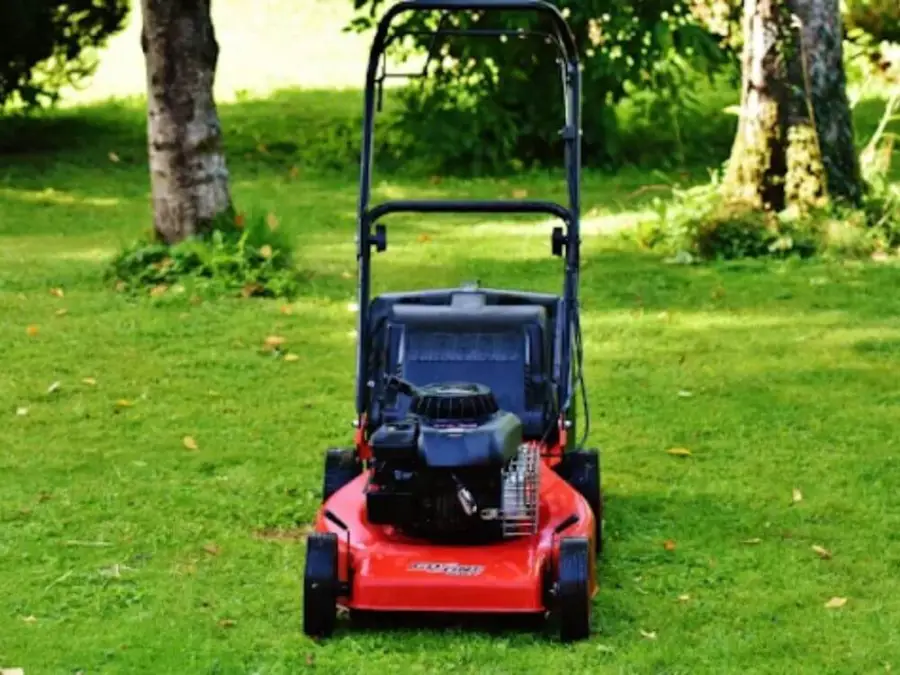
A dull mower blade shreds grass instead of cutting it. Within days, the grass becomes ragged, and the tips brown. A lawn mower blade grinder will fix the problem in minutes. It re-sharpens the blade and maintains a precise angle on each pass. Not every shop requires a benchtop lawn mower blade sharpener. A little electric lawn mower blade sharpener may suffice for lighter labor. In this guide, we cover what a lawn mower blade grinder is, what to look for before you buy one, and how to sharpen a blade.
What Is a Lawn Mower Blade Grinder?
A lawn mower blade grinder takes metal off the cutting edge of a mower blade. A reliable mower blade grinder always gives a sharp edge at a fixed angle. You can use a bench lawn mower blade grinder or a handheld manual tool. Both methods remove nicks, dents, and rounded edges that appear after months of cutting. The tool matters: a dull blade shreds grass instead of cutting. Torn grass dries out and is susceptible to disease. A sharp edge cuts smoothly, helping your lawn recover faster after each mow.
Rekommenderas för ditt projekt
Electric Mower Blade Sharpener vs. Manual Tools
An electric mower blade sharpener quickly sharpens steel with a spinning wheel or belt. A manual tool relies on your own strokes with a file or carbide cutter. Each style suits a different shop and skill level. Bench grinders, remslipmaskiner, angle-grinder attachments, hand files, and specialist jigs are available.
If you have multiple blades running each season, a grinder for mower blades is worth having on the bench. The best grinder for mower blades is a bench-mounted ceramic-wheel model. This is also a perfect choice for most users because it holds a steady 30- or 40-degree angle. It also takes standard, mulching, high-lift, and gator blades in one setup.
What are the drawbacks of handheld rotary sharpeners versus bench grinders for mower blades?
A handheld rotary sharpener builds heat if you linger in one place, and setting the angle by hand leaves the edge uneven from pass to pass. A bänkkvarn swings the other way; it strips metal so fast that a beginner can take off too much before noticing. Handled with care, though, both bring a mower blade back to a clean edge.
| Typ av produkt | Sharpener Material | Mångsidighet |
|---|---|---|
| Bench or belt grinder | Aluminiumoxid | Most cutting and digging tools; belt lawn mower blade grinder also suits woodworking |
| Electric grinder attachment | zirconia | Most cutting and digging tools |
| Manual file | Stål | Lawn mower blades and other cutting tools |
| Manual sharpener | Carbide or corundum | Gräsklipparblad |
| Angle grinder jig kit | Aluminiumoxid | Standard, mulching, and high-lift mower blades |
Multi-grind sharpening jig kits and mower blade grinders are designed specifically for mower blades. General-duty grinders can handle mower blades. They can also handle other cutting and digging tasks. A manual file is cheap and keeps the steel cool, but it takes patience; an electric bench grinder grinds metal away in seconds, but it needs water to prevent overheating; a drill attachment falls somewhere in between.
How Does a Blade Grinder for Lawn Mower Blades Work?
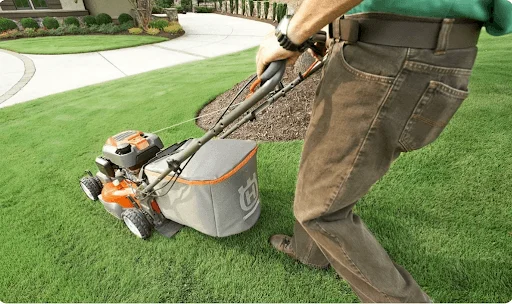
A blade grinder for lawn mower blades is a lawn tool that restores a dull cutting edge. It grinds it against a fast-spinning abrasive wheel. The wheel does the cutting: it rotates rapidly and lifts steel off the edge in tiny passes, and the angle, pressure, and number of passes you use determine how much comes away. You guide the blade; the lawn mower blade grinder does the cutting.
Motor, Grinding Wheel, and Angle Guide
The engine spins the grinding wheel at high speed. That speed is what does the work. Because the wheel sits so you meet it face-on rather than from the side, the sparks throw away from you, and the stone reaches full speed before the blade ever touches it. With the blade held on the end opposite the side being worked, the grinder keeps the steel steady against the wheel.
Laid flat with the grass side down and the cutting edge parallel to the wheel, the blade meets the stone at the same line on every pass. It means each pass takes an even bite of material. A decent lawn mower blade grinder keeps that angle constant pass after pass; that’s exactly what the angle guide is for.
Set to the 30- or 40-degree position, the electric lawn mower blade sharpener holds the bevel to match your blade while the wheel clears the nicks and dull spots. It brings the edge down to about .030 to .045 inch, thick enough that it won’t chip on hard soil, and because both ends get roughly the same number of passes, the blade stays even from tip to tip.
Balancing the Blade After Grinding
With the lawn mower blade grinder off, the blade goes onto a balancer, where an uneven grind shows itself: a balanced blade sits level, while a heavy end tips down. That imbalance sends vibration through the mower, damages bearings, loosens bolts, and leaves an uneven cut, so taking a little metal off the heavy side and checking again settles both ends level.
Du kan alltid cut more metal off, but you can never put it back, which is why the grinder works in small passes rather than big bites. Sharpening, balancing, and reinstalling make one routine together, and that cycle is what keeps mower blades sharp and the lawn healthy all season long
How to Choose a Good Lawn Mower Blade Grinder?
Ocuco-landskapet best lawn mower blade grinder depends on the blades you grind, your skill, and your shop. A few important features distinguish a tool you will use every season from one that sits on the shelf.
Motor Power and Wheel Size
The speed at which a lawn mower blade grinder grinds off metal depends on the motor’s power and the wheel size. A beefier lawn mower blade grinder keeps the wheel spinning under load, and a bigger wheel runs cooler on steel. You don’t need top power for a blade or two a year. A small motor does a fine job on touch-ups.
If you have numerous blades or operate a small lawn business, a more powerful lawn mower blade grinder will save you time. A 7-inch wheel fits into narrow places on mulching blades, while a 9-inch wheel covers more edge with each pass. A small shop can use a little electric lawn mower blade sharpener that fits in a drawer.
Sharpening Angle and Blade Compatibility
Power isn’t the only factor; the grind angle matters just as much. A good mower blade grinder maintains that angle on every pass, so the setting. It matches your edges, lasts longer, and takes less metal. Mower blades do best with a consistent bevel. Regular blades are flat, and mulching blades are curved, so make sure you get an electric lawn mower blade sharpener that will work with your blades.
The better machines let you set 30 or 40 degrees and handle high-lift, low-lift, gator, and flat blades in the same setup. If you want one tool for every job, a bench lawn mower blade grinder or a belt sharpener with a general-purpose wheel is the best multi-purpose sharpener that can handle lawn mower and garden tool blades, since the same wheel also sharpens knives, shears, and beskärningsverktyg. Clamp-style sharpening works for mower blades, but it won’t do your pruners any good.
| Modell typ | Styrka | Avvägning |
|---|---|---|
| Angle-grinder attachment | It works with any angle grinder; holds a consistent angle | It needs an angle grinder; has a learning curve; can overheat the blade |
| Multi-tool / tool and knife sharpener | It sharpens knives, tools, and blades; adjustable angle guides | Not purpose-built for mower blades; needs more skill; slower than a dedicated lawn mower blade grinder |
| Manual pocket sharpener | It is affordable; compact; good for touch-ups | It is hard to hold the angle; results vary with skill |
A specialized blade Kvarnen holds the blade and controls the angle. It makes the work faster, easier, and more accurate. It works better than hand sharpening. One blade a season works for a file or a jig kit. That consistent direction pays dividends across many blades.
Balancer, Safety Features, and Budget
You already have a balancer to check the blade. If a blade isn’t balanced, it will shake too much, ruin the machine’s bearings, and cut the grass unevenly. So buy the balancer with your electric sharpener now, instead of waiting.
Therefore, the clamp-and-guide bench grinder, guided jig, and basic hand file are the best blade sharpeners for beginners who have never sharpened mower blades before, because each one holds the angle for you. First, avoid freehand angle grinders: high-speed tools will overheat and damage blade steel if you hold them in one place too long.
VEVOR Lawn Mower Blade Sharpening Machine Review
@jeromy_henson_bfss VEVOR CIRCULAR SAW BLADE SHARPENER, 370W, 3600 RPM, SAW BLADE GRINDING SHARPENER MACHINE WITH 6 SAW CENTERINGS, 5″ GRINDING WHEEL. #vevor #bladesharpener #sharpener #grindingwheel #tiktokshopskaparval @Vevor Handla i USA @Vevor Butik i USA @CreatorCollab_Mabel @Haidee_Collab
♬ originalljud – JEROMY HENSON-BFSS☑️
A lawn mower blade sharpening machine is a bench grinder. It sharpens blades with a powered wheel at a set angle, so each edge comes out even. VEVOR offers four motor sizes, and each larger one adds more power or a handy extra. It means you can match the machine to your blades and workload.
Models and Key Specs
A lawn mower blade grinder has a base model with a 7” ceramic wheel and a 1/3 HP motor. The 1/2 HP lawn mower blade grinder has a 7-inch flap wheel. It also has a 9-inch ceramic wheel for fast metal stripping.
The 2/3 HP lawn mower blade grinder features a balancer for a 7-inch ceramic wheel, while the top 1 HP lawn mower blade grinder has a 9-inch ceramic wheel, a grit collector, and a balancer. All the blade sharpening machines in this series sharpen at 30 or 40 degrees and are compatible with high-lift, low-lift, gator, and flat blades.
| Motor | Hjulinställning | Extra |
|---|---|---|
| 1 HP | 9″ ceramic wheel | Grit collector + balancer |
| 1 / 2 HP | 7″ flap wheel + 9″ ceramic wheel | Ingen |
| 1 / 3 HP | 7″ ceramic wheel | Ingen |
| 2/3 HP (500 W) | 7″ ceramic wheel | gunga |
Alla tillgångar på ett och samma ställe
- The lawn mower blade grinder comes in several motor sizes, so the wheel keeps spinning at full speed even when you sharpen one blade after another; the motor won’t bog down under heavy use.
- The machine sharpens standard, mulching, and gator blades, and lets you lock in a 30- or 40-degree edge. That means one grinder covers every blade in your shed instead of a separate tool for each.
- The two larger models come with a built-in balancer, so you can check and fix an uneven blade right at the bench instead of reaching for a second tool.
- The top model adds a grit collector that catches metal dust while you grind, so shavings don’t pile up all over your bench.
A grit collector keeps your bench tidy, but that’s only half of good blade care. The other half is keeping the deck and underside free of packed-on grass, so it’s worth cleaning lawn mower parts properly alongside sharpening.
Nackdelar:
- The lawn mower blade grinder takes up permanent bench space and needs a solid, stable surface, so it’s not ideal for a cramped shop.
- The smallest 1/3 HP motor slows down on thick, heavy steel, so that model suits lighter touch-up work better than big grinding jobs.
- The flap wheel cuts fast, which is handy, but that wheel can shave off too much and round over your edge if you’re not paying attention.
Slutsats
Om du vill ha best lawn mower blade sharpener for home use, you need to know that it depends on your workload and workspace. For example, if you only sharpen a mower twice a season, a simple file will do. Buy a guided bench unit if you work on many blades and want repeatable results. Especially if you are a beginner, start with a simple file or clamp-style jig before moving to faster power equipment. Whatever you choose, remember the golden rules: sharpen both sides uniformly, always balance each blade, and avoid overheating the steel.
FAQ
How to sharpen lawn mower blades?
The best way to sharpen a lawn mower blade is to clamp the blade and make light, uniform strokes along the existing bevel. Once it seems smooth, stop at the edge and balance the blade before putting it back in.
What can a mower blade grinder do that a file can’t?
A mower blade grinder removes metal quickly. It also keeps a consistent angle. A file gives you control, but it takes more work and practice. If you have to sharpen many blades every season, speed matters.
Can you burn off a mower blade on a bench grinder?
Yes, if you push too hard or hold a bench mower blade grinder in one place too long. Keep the blade moving and immerse it in water frequently. If the steel turns blue, you’ve overheated it and ruined the edge.
How often do you need to sharpen a mower blade?
You could expect to sharpen around every 20 to 25 hours of cutting time. Typically twice yearly. Sooner or later, you’ll have to do it if you hit a rock or a stump.
Why is blade balance important after sharpening?
If the blade is out of balance, the mower will vibrate, damage bearings, and leave an uneven cut. Always inspect the blade on the balancer before reinstalling. Heavy end: if one end falls, trim off the extra metal.