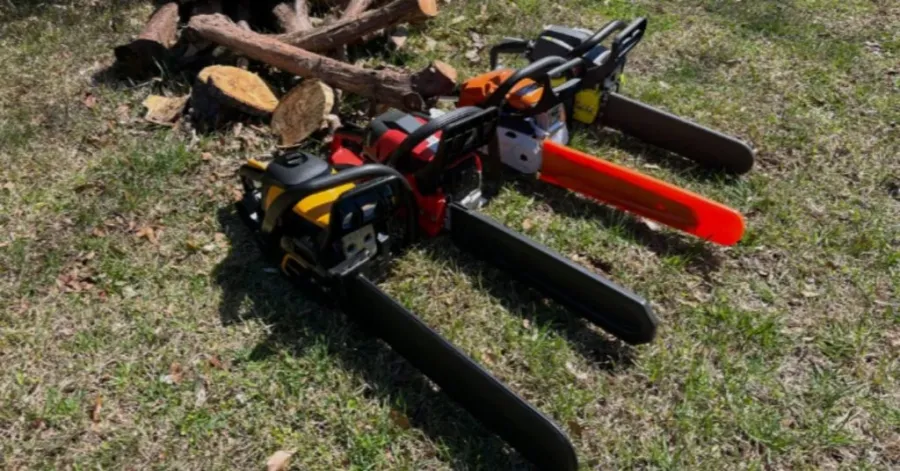
Ocuco-landskapet heavy-duty gas chainsaw is a comfortable tool for cutting thick wood, preparing firewood, cleaning fallen trees, and operating large branches. These chains usually have greater capabilities for outdoor operations than smaller models. However, it is not merely engine power that requires proper choice of the right engine. The length of the bar to drive, weight to work, safety features, fuel performance, and service requirements affect performance. Brands such as VEVOR, Husqvarna, STIHL, and ECHO provide different options for different users. This guide explores important features, popular chainsaw models, and practical buying tips in order to choose the right chainsaw.
What Is a Heavy-Duty Gas Chainsaw?
A kraftig motorsåg is designed to work hard in cutting, which requires more power and endurance than normal yard operations. It can help with tasks such as cutting thick trunks, preparing firewood, and clearing large branches. However, the correct model depends on the kind of wood, the size of the trees, and the variety of tasks you saw. Understanding the main features and their applications will help you choose whether this type of equipment will fit your needs.
Rekommenderas för ditt projekt
What Can a Heavy-Duty Gas Chainsaw Cut?
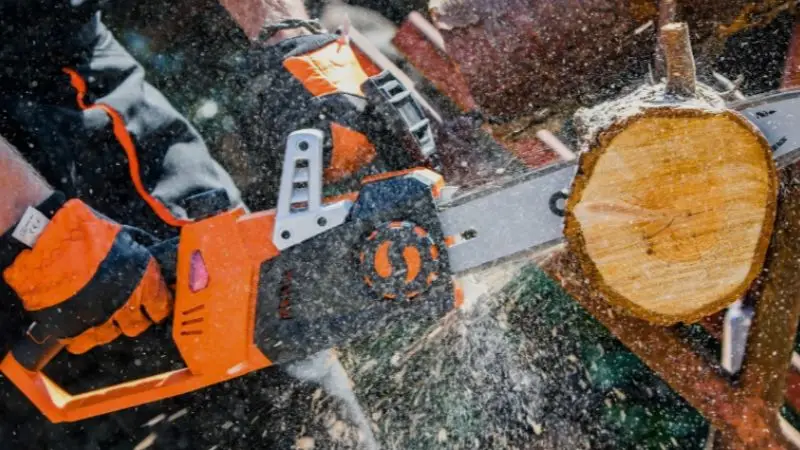
A high-performance gas chainsaw can cut thick trunks, fallen trees, large branches, and firewood depending on the engine power and bar length. For mature trees, a heavy-duty gas saw can cut large trunks. But the saw has to be adequately designed for wood. Models suitable for heavy-duty gas chain saws for firewood cutting should provide consistent performance during the handling of logs in manageable pieces. The heavy-duty gas saw to remove trees could help cut the tree under proper conditions to carry out more difficult operations. Always match the tool to the task, follow the manufacturer’s instructions, and use appropriate protective equipment.
Who Needs a Heavy-Duty Gas Chainsaw?
A heavy-duty gas chainsaw suits homeowners, farmers, forestry workers, and tree care professionals who regularly handle demanding cutting tasks. Homeowners can use one to remove storm-damaged branches, manage wooded land, or prepare firewood for winter. Professionals often need the best heavy-duty gas chainsaw for professional use, which can withstand frequent use and provide reliable cutting power. Forestry workers may also need a heavy-duty gas chainsaw for logging to process timber efficiently. A heavy-duty gas chainsaw can offer a longer cutting range with a long bar if the engine is properly matched for thicker-stem tasks. Training and safe handling will remain essential for each user.
Best Heavy-Duty Gas Chainsaws to Consider
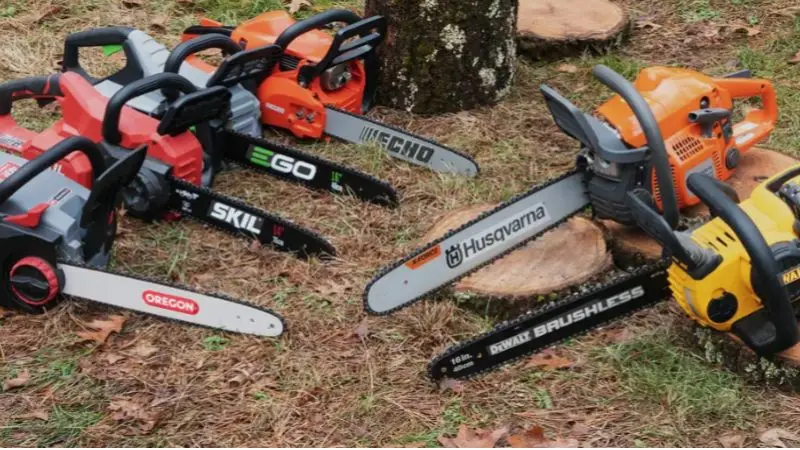
Various chainsaw brands offer models for property maintenance, firewood preparation, and cutting operations. Comparing their engine power, guide bar options, safety features, and maintenance demands may help you find an appropriate option. The correct heavy-duty gas chainsaw should correspond to your level of experience and the kind of work you do most. Look at the following brands and compare each individual model specification before buying.
VEVOR Heavy Duty Gas Chainsaw
VEVOR provides gas-powered chainsaws for outdoor work and wood-handling tasks. The engine capacity, rated power, guide length, and fuel volume are important. Safety features shall be verified when assessing heavy-duty gas chainsaws at VEVOR. Specifications contain information to see if a specific model can handle thick branches, fallen trunks, or regular firewood preparation. Also take into account the weight of the saw and the starting system, especially since you expect to use it for a longer time. Compare the possibilities that are indicated by the manufacturer to the estimated workload instead of choosing a model based on price or appearance only.
Husqvarna Heavy Duty Gas Chainsaw
Husqvarna is offering gas chainsaws for homeowners, landholders, and forestry workers, using models to satisfy different demand levels. When comparing a heavy-duty gas chainsaw from this brand, consideration is given to the engine output, power-to-weight ratio, vibration check, and the guide bar dimensions available. While others are more suitable for occasional maintenance of property, some models are designed for demanding professional work. Before using the recommended applications for the specific model on thick trunks or expanded timber cutting lines, check it. Access to maintenance, spare parts, and the availability of local services are also worth considering, as they may affect the experience in long-term ownership.
STIHL Heavy Duty Gas Chainsaw
STIHL manufactures gas-powered chainsaws in different performance categories, including agricultural options and professional forest management. In dealing with a STIHL heavy-duty gas saw, engine specifications, level of bar length, chain braking system, and total capacity shall be compared. The acceptable model must provide sufficient cutting capacity to allow regular operation, not being too heavy or rigid. Users who regularly process wood may make it a priority to be durable and up-to-date, while individual users may prioritize the model which is easier to support. From model to model, Analyse the manufacturer’s guidance for each saw, as the type of use offered by cutting capacity and the estimated use vary.
ECHO Heavy Duty Gas Chainsaw
ECHO offers gas chainsaws for property maintenance, wood cutting, and professional use. When choosing a heavy-duty ECHO gas chainsaw, compare engine displacement, cutting performance, guide bar compatibility, and the weight of the entire saw. These details help determine if a particular model is appropriate for cutting firewood, removal of fallen limbs, or handling of larger wood. Think about how often you use this equipment, and if you will have backup chains, spare parts, and licensed maintenance services in your area. Reading manufacturer specifications for each model could help you to compare practical characteristics, and not just trust the brand reputation.
How to Compare Heavy Duty Gas Chainsaw Models
Comparing specifications side by side will make it easier to identify a chainsaw that matches your workload and experience. Begin with the engine displacement, output, approved bar length, and weight of the saw. Then check the fuel consumption, start assistance, vibration, chain brake characteristics, and maintenance requirements. A heavy-duty gas chainsaw, designed for regular business use, may provide various advantages for occasional household use. Before deciding, check the recommended applications from the manufacturer and the available service support. Price matters, but a good comparison should also consider operating costs, spare parts, comfort, and safety features for your typical cutting tasks.
Key Features to Look for in a Heavy-Duty Gas Chainsaw

Next, compare technical features once you have a few brands on your shortlist. Engine power alone does not determine how well a chainsaw works under real working conditions. Bar length, handling, convenience start, and safety systems affect their usefulness. Focus on the properties that fit your routine cutting work so that you can choose the heavy-duty gas chainsaw that can work and be supported.
Engine Displacement and Cutting Power
Engine displacement, usually measured in cubic centimeters (cc), indicates the engine size of a gas chainsaw. A larger engine can often support demanding cutting, although the real performance depends on engine design, power, chain condition, and wood type. When selecting a heavy-duty gas chainsaw, compare the manufacturer’s power specifications with the thickness and quantity of wood you expect to cut. More power can help with difficult work, but it can also increase weight and fuel use. Select a model with enough capacity to meet your workload instead of automatically choosing the biggest engine available.
Guide Bar Length and Chain Compatibility
The Guide bar supports and guides the chain when it cuts wood. Longer bars can cut through big logs, but they can also add weight and require more power to operate effectively. A heavy, long bar chainsaw can fit with certain large Timber rates if the engine is designed in a way that supports this bar length. Always use a manufacturer-approved bar and chain combination. Chain pitch, gauge, and drive-link count should correspond to the saw and guide bar. Selecting compatible components helps to preserve the cutting efficiency and mitigate the risk of equipment problems during operation.
Weight, Balance, and Ergonomic Design
A chainsaw’s weight and balance affect how comfortable and safely it can be handled. Heavy models can provide the power that is required for sophisticated cutting operations, but they may also cause fatigue during longer use. When selecting a heavy-duty gas chainsaw, consider the service weight with the guide bar, chain, and fuel. Look for well-positioned handles, effective vibration reduction, and a design that can be used to move in a controlled manner. Major balance is especially important when cutting for long periods of time or working around great logs. Select a saw you can manage confidently, and never take the risk just to increase the engine power.
Starting System and Fuel Capacity
A reliable starting system facilitates work, especially in the case of frequent use of chainsaws. Depending on the design, gas models may include features like decompression valves, primer lamps, or simplified startup control systems. The capacity of the fuel tank also influences how long the saw can work between refills, even though the actual lifetime depends on the engine load and cutting conditions. When comparing a kraftig motorsåg, check the initial instructions, fuel mix requirements, and maintenance requirements. A larger tank may decrease refueling interruptions, but it could also add weight. Follow the manufacturer’s directions for fuel preparation, storage, and refueling.
Chain Brake and Other Safety Features
Safety characteristics are essential when operating a powerful gas chainsaw. The chain brake is designed to prevent chain movement under certain conditions. The throttle lock is intended to avoid inadvertent acceleration. Additional useful features can be a chain catcher, hand guard, and anti-vibration system. Read the operator’s manual before using a heavy gas chainsaw and confirm that its safety systems are available and functioning properly. Wear suitable protective equipment, including chainsaw-rated leg guard, gloves, eye protection, hearing protection, and robust shoes. Learn the right cutting technique and kickback prevention, and find professional training before undertaking dangerous tree-felling or removal work.
How to Choose a Heavy-Duty Gas Chainsaw for Your Needs
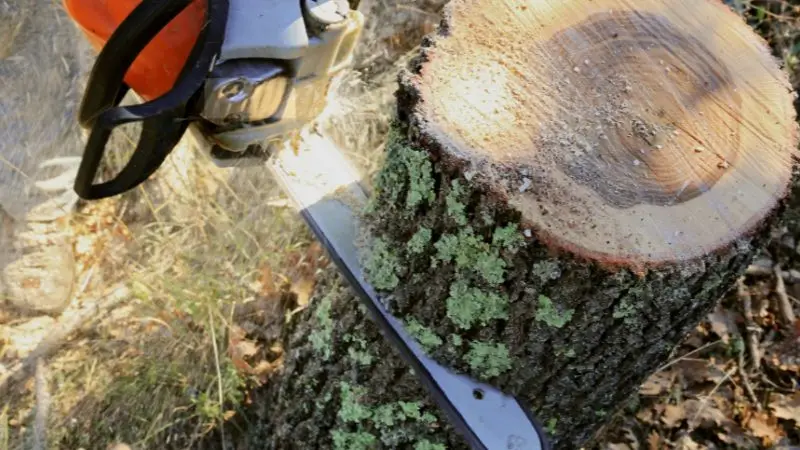
Choosing the right chainsaw begins by understanding the work you intend to do. Tree size, wood type, cutting frequency, and your experience level will affect which model is most suitable for you. For example, the VEVOR 62cc Gas Chainsaw (CN-62G) comes with a 20-inch guide bar and a 3.8 HP engine so that it can handle heavy-duty cutting and maintenance. Before making your decision, compare its specifications to your workload. The following factors may help you in selecting equipment that suits your needs without adding unnecessary weight or operating costs.
Choosing a Chainsaw for Cutting Large Trees
Cutting large trees requires a chainsaw with sufficient power, an appropriate guide bar, and reliable safety equipment. The diameter of the trunk, wood density, and type of cuts required shall be considered when choosing a heavy-duty gas saw for cutting large trees. The VEVOR 62cc Gas Chainsaw (CN-62G) has a 20-inch guide bar, a 3.8 HP engine, and a maximum diameter of 18 inches listed. These specifications make it worthwhile to have for certain large-log cutting jobs, provided the task falls within the recommendations of the manufacturer. Always evaluate the condition of the tree and possible dangers before cutting. Use skilled professionals to cover sophisticated logging or disposal of hazardous trees.
Choosing a Chainsaw for Thick Logs and Firewood
When preparing Firewood regularly, select a chainsaw that can cut your usual logs without undue difficulty. A heavy-duty gas chainsaw for firewood cutting should provide sufficient power for the species of wood and for wood diameters that you often process. The VEVOR 62cc Gas Chainsaw (CN-62G) features a 3.8 HP engine and a 20-inch bar-led drive, allowing users to cut average and large logs within the recommended transmission capacity. It has a 550 ml fuel tank and a 260 ml chain-oil tank. Check the condition and tension of the chain regularly, safely log before cutting, and follow the manufacturer’s instructions.
Choosing a Chainsaw for Farms and Large Properties
High-powered chainsaws are often used to clear fallen branches, trim damaged trees, cut fence-line growth, and prepare firewood. If it is used with thick wood or is operated at a distance from electrical outlets, a heavy-duty gas chainsaw may be useful. VEVOR 62cc Gas Chainsaw (CN-62G) relates to timber, tree cutting, and land treatment. While the 3.8 HP engine provides strength for heavy-duty work over many small homeowner saw tasks, the 20-inch guide bar offers useful range for suitable cutting tasks. Before purchasing, take into account the 7.3 kg product weight mentioned, your level of experience, and whether you can handle it comfortably during routine property maintenance.
Choosing a Chainsaw for Professional and Frequent Use
Professional users need equipment that can handle heavy workloads while maintaining reliability over time across multiple operations. The best heavy-duty gas chainsaw for professionals should be equipped with suitable cutting performance, long-lasting components, effective vibration control, and accessible maintenance points. VEVOR 62cc Gas Chainsaw (CN-62G) has a 3.8 HP engine, a 20-inch guide bar,r and a maximum cutting diameter of 18 inches. These specifications may suit some demanding woodcutting and property-maintenance tasks. But frequent commercial users should also evaluate long-term durability, service availability, and replacement-part support. Before choosing machinery for the daily harvest or for the comprehensive removal of trees, compare it with professional forest models.
Heavy Duty Gas Chainsaw vs. Standard Gas Chainsaw
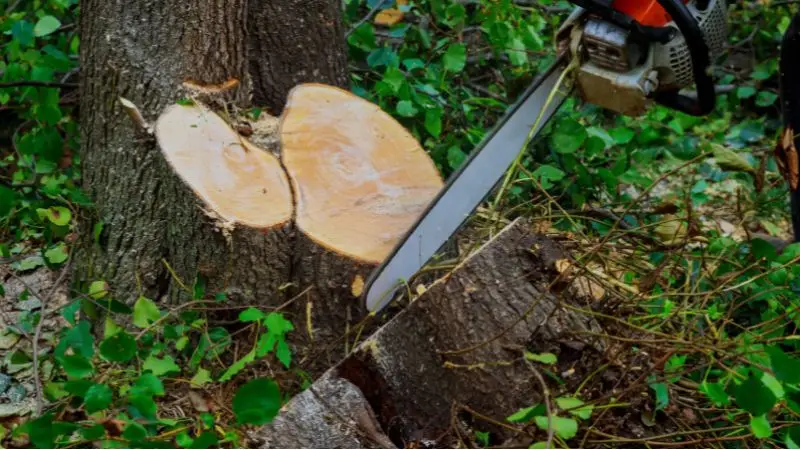
Heavy-Duty and standard gas chainsaws are identical in basic features, but they are designed to cover different work levels. Their differences can have effects on cutting speed, comfort, maintenance, and long-term operating costs. Comparing these characteristics will help you decide whether you need a larger saw or a standard model to complete your tasks efficiently.
Differences in Engine Power and Cutting Capacity
Heavy-duty chainsaws offer generally higher engine power and performance, which can be used for demanding cutting applications. They may be better equipped to handle thick logs, thick wood, and long working periods, when used within the limits established by the manufacturer. Standard gas chainsaws are often suited for cutting smaller plots and routine property care. When comparing the two, look beyond displacement of the engine and consider power output, recommended length of bar, chain speed, and targeted applications. Your real workload will determine your best choice. A larger engine can offer useful additional capacity for frequent heavy cutting. But it is not necessary when your task will include only small branches and occasional firewood.
Differences in Weight, Handling, and Durability
Heavy-duty chainsaws have often been built with broader components and can weigh more than standard models. While cutting at awkward angles, this additional weight can make them more difficult to maneuver, particularly during longer sessions. Standard saws are usually easier to carry out on lighter tasks, although design and comfort vary from model to model. Durability also depends on component quality, maintenance, and how the equipment is used. Before you buy, compare duty cycle, weight, handle design, vibration control, and service requirements. A robust model might be worthwhile when you regularly process large wood. Without unnecessary filling for occasional gardening, a lighter chainsaw can offer better handling.
Which Type Is Better for Your Workload?
The right chainsaw depends on the amount of cutting you do and on the size of the wood. Standard gas-chain saws are often sufficient to cut branches, to clean small limb cases, and to make modest amounts of firewood. A heavy-duty gas chain saw can be better suited for cutting thick logs, larger wood, or advanced soil maintenance. Think of your experience, storage costs, maintenance, and safety expenditure when using your saw. Avoid buying more power than you need only because a bigger model looks more suitable. The control of the equipment can increase comfort, control, and overall cost due to your usual tasks.
Gas Chainsaw vs. Battery Chainsaw for Heavy Duty Work
Both gas and battery chainsaws can perform useful cutting tasks, but their strengths are different. Gas models often favour demanding work away from charging equipment, while battery models offer convenient starting-up and quieter operation. The amount of cutting you do, your available power sources, and maintenance preferences can help you decide which option is more appropriate.
Advantages of Gas-Powered Chainsaws
Gas-powered chainsaws are popular for demanding outdoor work as they can be refuelled quickly and used in places without a socket. Depending on the model, they can deliver the necessary power for large logs, firewood processing, and other important cutting tasks. A gas chainsaw can be particularly useful for users working in remote areas or cutting wood for a longer period. However, the actual running times and performance of the engine will depend upon engine design, fuel consumption, and operation. Gas models require proper treatment of fuel, maintenance of the engine, and emission controls. Pick one that meets your cutting needs and follow the safety instructions that are provided by the manufacturer.
Limitations of Gas-Powered Chainsaws
While gas chainsaws can offer powerful cutting performance, they need more regular maintenance than most alternatives in battery settings. Users should manage the fuel, inspect the air filter, maintain the spark plug, and keep the chain lubricated and sharpened correctly. Gas engines also produce exhaust emissions and usually generate more noise, so use adequate hearing protection and operate responsibly. Starting may require various steps, especially if the engine is cold or badly maintained. The weight of the saw may also contribute to fatigue in long sessions. Consider these factors prior to purchasing, especially if you use mainly short cutting jobs around a home or garden.
When a Battery Chainsaw Is a Better Choice
A battery chainsaw can be a practical option for homeowners who are obliged to cut branches, cut smaller logs, or occasionally clean up. It starts with a button or trigger, does not produce exhaust emissions at the application point, and typically requires less engine-related maintenance. Battery models can be more user-friendly, even in residential areas sensitive to noise, though they still can be loud. Check the instrument power, the bar length compared, battery strength, and anticipated operating times for larger jobs. You may need spare batteries for extended work. A good battery model can meet many day-to-day needs without having to prepare gas machines for fuel.
Wrap-Up
Valet av det lämpliga heavy-duty gas chainsaw depends on your workload, experience, and needs. Owners may need a sound model for firewood and property maintenance, while professional users may well give high priority to durability and consistent productivity. Before making your decision, compare engine specifications, compatibility of the directional bar, weight, start systems, and safety features. The VEVOR 62cc Gas Chainsaw with 20-inch guide bar is also an option for evaluating sophisticated woodcutting tasks, alongside models from Husqvarna, STIHL, and ECHO. Of equal importance are regular maintenance and adequate protective equipment. Always choose the chainsaw that suits your needs and follow the manufacturer’s safety instructions.
FAQ
What is the best way to use the heavy-duty gas chainsaw?
The heavy-duty gas chainsaws are suitable for cutting thick trunks, for manufacturing firewood, for clearing fallen trees, and for handling demanding property maintenance tasks when well designed for heavy loads. Which is the best heavy-duty gas chain to have for homeowners?
Which is the best heavy-duty gas chain to have for homeowners?
Well, the best choices depend on tree size, cuts, and experience. Homeowners have to prioritize manageable weight, proper engine performance, safety features, and simple maintenance.
Is VEVOR 62cc Gas Chainsaw suitable to cut large logs?
VEVOR 62cc Gas Chainsaw has a 20-inch guide bar and a 3.8 HP motor, which makes it worthwhile to consider for woodcutting tasks, according to the recommendations made by each manufacturer
What length of bar should a heavy-duty gas chainsaw have?
On the diameter of the wood and the requirements of the saw, the length of the bar depends. Select a manufacturer-approved bar that suits your task, and avoid using a bar longer than the motor.
How can I handle a heavy-duty gas chain saw?
Maintain a hard and correctly tensioned chain lubrication device, clean up the air filter, check the ignition light, and follow the manufacturer’s fuel and maintenance instructions on a regular basis.