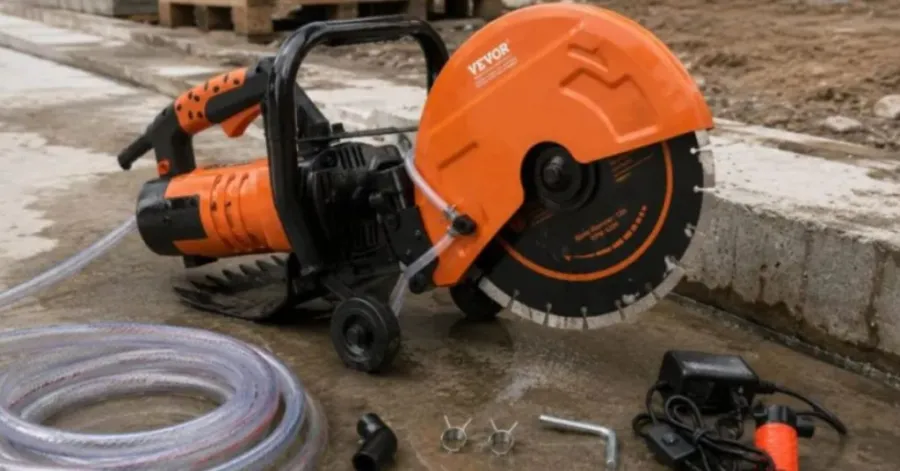
On construction sites, crews rely on a concrete cutting saw when they need a power tool that can chew through hard materials. You will also hear it called a road saw or a consaw. During building or repair jobs, it easily cuts through brick, concrete, asphalt, masonry, and tile. Rather than slicing like a knife, the saw grinds through hard surfaces with a diamond-edged blade.
Using gear like this demands serious attention to safety. Wear appropriate protective equipment and stick to safe cutting methods. Crews turn to these saws whether they are working on walls, floors, or roadways. If you have a patio, driveway, or general repair project, renting one of these concrete cutting sågar as a homeowner is always an option. Matching the saw and blade correctly to the task keeps the work safer and far less difficult.
What Is a Concrete Cutting Saw?
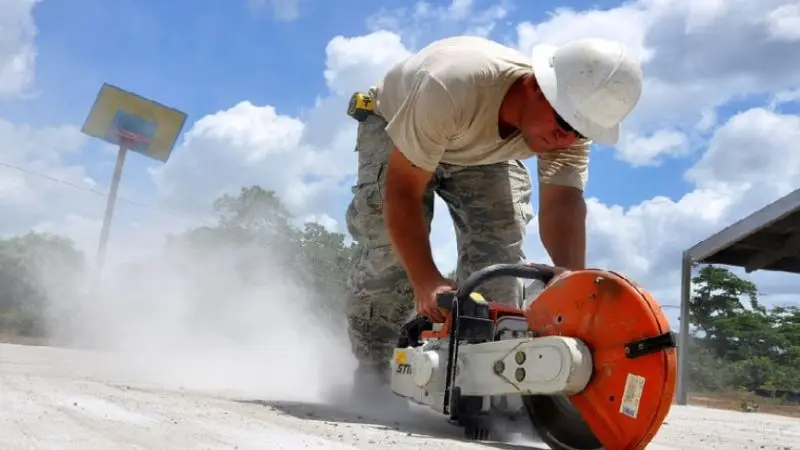
On construction sites, tradespeople use this powered tool to slice through hard surfaces. In the field, it is frequently referred to as a consaw or road saw. It works across a spread of dense materials, including tile, asphalt, brick, and concrete. The machine does not slice into the workpiece; a diamond blade grinds directly into the material instead. Using the proper blade on the proper concrete cutting såg yields cleaner, faster cuts. It pays to know the materials a tool handles and the jobs it usually gets picked for before you buy or rent one.
Rekommenderas för ditt projekt
What Materials Can a Concrete Cutting Saw Cut?
Dense construction materials of many kinds yield to a concrete cutting saw. Concrete shows up most often, turning up in everything from foundations and slabs to driveways and walls. Brick, asphalt, tile, and certain stones can also be cut with the saw. Tiny diamond particles embedded along the blade grind directly into hard surfaces. The bond of the blade makes a difference too. Hard materials like concrete usually call for a soft bond, whereas a hard bond tends to suit softer materials like asphalt better. Matching the blade to the job gives you cleaner cuts and keeps it from wearing down as quickly. Before settling on a blade, always take a close look at the material.
Working with hard materials demands good safety habits as well. Put on safety glasses, gloves, hearing protection, and appropriate respiratory gear whenever conditions call for it. Because concrete dust damages lung tissue, run water on the cut whenever the job allows for wet cutting. Clear out the work area and stick to the directions provided by the saw’s manufacturer. Simple precautions like these keep the cut under control and lower the risks.
Where Are Concrete Cutting Saws Used?
Du får se betongsågar regularly across construction, repair, and renovation jobs. Highway teams rely on them to put expansion joints into roads and other paved areas. On a jobsite, workers might use one to rough out spaces for doors, windows, plumbing pipes, or wiring runs. They also come in handy on concrete slabs, driveways, outdoor patios, and worn-out steps.
On small domestic jobs, a residential concrete saw helps whenever an ordinary handheld tool simply lacks the power. Bigger jobs might call for dedicated construction saws, like walk-behind units. Handheld saws handle confined quarters and smaller cuts neatly, while bigger machines chew through broad expanses with less wasted time. Gas engines make sense on remote job sites, but electric concrete cutting saws suit spaces where you need lower noise levels and must cut indoors. Base your pick on what you are cutting, how deep you need to go, the scale of the job, and the physical workspace.
How Does a Concrete Cutting Saw Work?
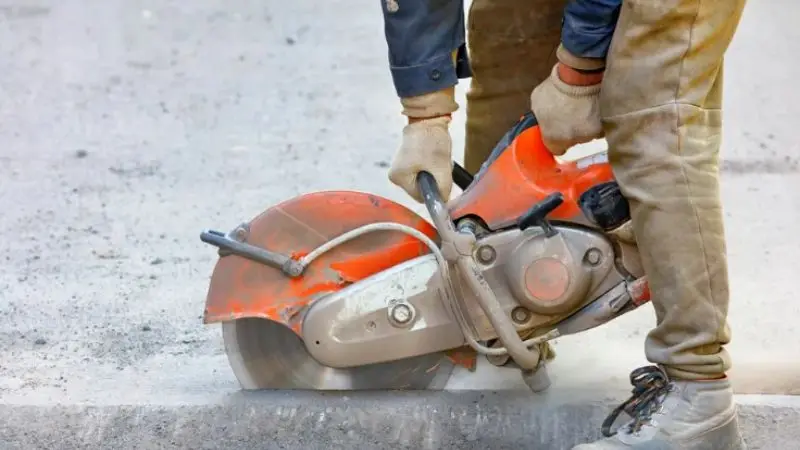
These saws use diamond-grit blades spun at high RPMs to grind their way through hard surfaces. It does not slice its way through concrete the way a knife cuts. What really happens is the blade grinds the surface away bit by bit as you guide it along the cut line.
How the cut goes comes down to your blade choice, the material under it, and how fast the blade turns. Running water over the cut can also tamp down the dust and keep operating temperatures down. When you grasp blade mechanics, selecting the right one and running it without incident becomes much simpler.
How Does a Concrete Saw Blade Cut Concrete?
Thousands of tiny diamond crystals are embedded across a concrete blade. Because diamond is exceptionally hard, those crystals have no trouble grinding through concrete and dense substrates. With the blade turning, tiny surface fragments get scratched loose and cleared away by the diamond particles. Every individual particle acts as its own tiny cutting edge.
Running the blade also gradually abrades the metal matrix holding the diamonds. Fresh diamond grit gets uncovered as a result, keeping the blade cutting cleanly. You need to pair the hardness of that bond to the hardness of whatever you are cutting. Hard concrete generally calls for a softer bond, whereas softer stock like asphalt is often better tackled with a hard bond.
Good saw work on concrete begins with getting your prep work straight. Start by laying down an unmistakable cut line right on the slab. After that, check the blade over for fractures, structural damage, or severe wear. Running a compromised blade creates serious hazards on the job. Square the blade up with your guide mark before you begin cutting.
Put on the right protective gear before you ever start the saw. Safety glasses shield your eyes against flying debris, and wearing gloves can give you a better grip. Ear protection helps cut down on loud noise exposure. If dust is in the air, you may also need respiratory protection. Make sure you always follow the instructions for the specific concrete cutting såg du har.
Why Is Water Used When Cutting Concrete?
When you cut concrete, water serves two primary purposes. Blade cooling and dust control are its two functions. Heat builds up during concrete grinding because the blade never leaves the hard surface. Excess heat can ruin the blade and shorten how long it lasts. Running a constant stream of water over the blade helps it stay cooler when cutting wet.
Water also aids in keeping fine silica dust contained. Cutting dry can throw microscopic dust into the air, creating a real breathing hazard. Water knocks down a lot of this dust while rinsing debris out of the cut.
To cut wet, you need an unbroken water feed aimed straight at the blade. Managing both dust and heat makes it a practical method across a lot of concrete cuts. Cutting dry can make sense if you cannot haul water to the site or use it there. Still, it kicks up more dust, so you might need extra measures to keep that dust down.
Before deciding between wet and dry methods, always read the guidance from the saw’s manufacturer. Match the blade to the job and stick to the cutting procedure laid out for it. Setting things up right, wearing appropriate safety gear, and using sound cutting techniques will all help you work more cleanly and safely.
Types of Concrete Cutting Saws
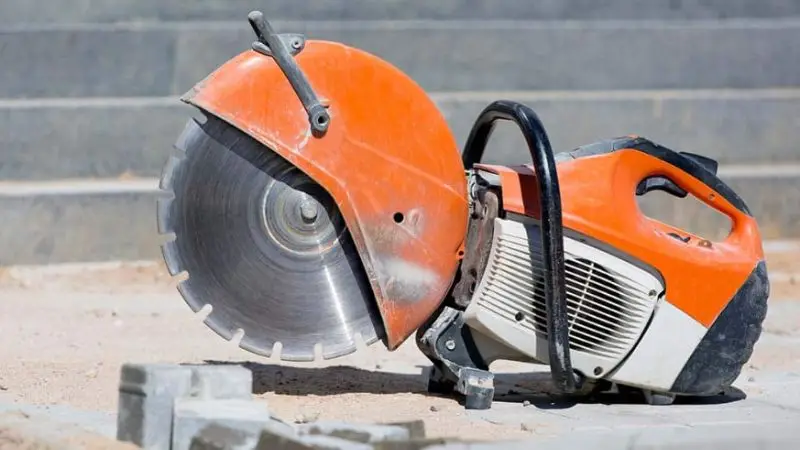
Manufacturers build betongsågar in several styles to suit different kinds of work. Most people end up choosing between handheld and walk-behind saws. They differ in overall size, how deep they can cut, and how much control you have over them.
What you should pick comes down to how big the job is, where you have to cut, and what material is under the blade. In cramped spots, handheld units are simply easier to maneuver. For broad, level expanses of concrete, walk-behind saws are the better fit.
Handheld Concrete Cutting Saw
If you have to cut in awkward spots or tight confines, a handheld concrete saw keeps the tool under close control. The motor drives a diamond blade while you steer the saw straight along your mark. For minor repairs and remodel work, whether at a jobsite or around the house, handheld saws are handy tools.
A homeowner’s betongsåg will handle chores like edging a driveway, slicing through a garden path, or knocking out small cutouts. You will find both electric versions and gas-powered ones on the market. If you have adequate power and ventilation, an elektrisk betongsåg works well for indoor tasks. Working outside or far from an outlet is easier with gas saws, which offer greater mobility.
Keep a firm grip on the saw with both hands while it runs. Do not push the blade hard through the cut; simply keep it tracking along your marked line. Put on safety glasses, ear protection, and gloves before cutting. Put on an appropriate respirator or dust mask whenever the work kicks up dust.
- Safety goggles keep flying fragments out of your eyes.
- A pair of gloves gives you a firmer, more reliable hold on the tool handles.
- Wearing ear protection helps shield your ears from the tool’s heavy racket.
Whenever maneuverability and steady handling take priority over cutting deep, handheld saws make good sense.
Gå-bakom betongsåg
Walk-behind concrete saws are built to tackle bigger cutting projects across level ground. It rolls along on wheels, carrying its blade either toward the front or right in the middle. Instead of bearing the weight yourself, you push and steer the unit ahead of you. Because of how it is built, the saw stays steady and helps you pull off straight, extended cuts without as much effort.
People often turn to walk-behind saws when working on roads, driveways, sidewalks, slabs, and similar expansive areas. Operators also use it to carve trenches for electrical runs and plumbing. On many units, you set the cut depth before you get to work. Fitting a bigger blade gets you down deeper and speeds up work across broad expanses.
Crews usually hook these units up to water to knock down dust and keep the blade from overheating. For contractors tackling broad footprints where a handheld would drag the job out, this setup makes practical sense.
Think about the scale of the build and the physical workspace before picking a saw. Handhelds make the most sense for quick tasks and cramped corners. When you are working across extensive, flat slabs, a walk-behind setup does a better job. What you should buy or rent simply comes down to what you have to cut.
What Are the Main Parts of a Concrete Cutting Saw?
A concrete cutting saw relies on quite a few working elements, but none matter more than the diamond blade and whatever powers it. Driving the rotation of that blade comes down entirely to the motor.
Once spinning, the blade grinds away at concrete along with other dense masonry. Knowing how these components function ensures you pick the right tool, check it properly, and run it safely. Always look over both components for cracks, thinning, or other wear before firing the tool up.
Motor eller motor
The engine or motor supplies the drive needed to turn the blade at high RPM. Electric versions rely on a motor plugged into a power source, whereas gas versions run on an engine that burns fuel. Because electric saws typically run quieter and create zero exhaust fumes, they work well for certain indoor jobs. Gas-powered units come in handy outside or wherever there is no electrical outlet within reach.
The blade gets its power from the motor via a direct shaft or a drive belt. You regulate the motor using either a switch or a throttle. Picking out the best concrete cutting saw means looking at motor type, the power source, and how big the job is. Look over the tool for worn belts, loose fittings, or any other visible damage before you turn it on. Staying on top of these routine checks keeps the tool running smoothly and safely.
Diamantblad
Direct contact with the concrete happens right at the diamond blade. Its cutting rim is lined with tiny diamond fragments embedded in a metal matrix. Instead of slicing into the concrete, the spinning blade uses these particles to grind it down.
You need a blade bond that suits whatever material you plan to cut. Hard concrete usually calls for a soft bond, which wears down quickly enough to bring new diamonds to the surface. Softer materials like asphalt, on the other hand, can be better matched with a hard bond. Whenever you are choosing the best saw for concrete work, always confirm that the blade suits the specific material and how you plan to cut it.
Check the blade each time before starting a job. Check closely for any cracked metal, missing segments, or patches of uneven wear. Never run a damaged blade, since the spinning force can cause it to shatter. Swap out old, worn-down blades so your cuts stay clean, and you remain safe.
Wet Cutting vs. Dry Cutting Concrete
You can cut through concrete either wet or dry. Which way you should go comes down to the workspace, the specific task, what tools you have on hand, and what the blade demands.
Running water over the cut keeps the blade from overheating and knocks the dust down. Because dry cutting requires zero water, it tends to be the easier choice on sites where running a hose is not an option. Both approaches bring their own upsides alongside distinct safety considerations.
What Is Wet Cutting?
In wet cutting, a constant stream of water runs across the blade as it turns. That water cools the metal down and keeps dangerous heat from building up. Holding down the finest concrete grit this way keeps heavy dust out of the air. Because it controls dust so well, wet cutting suits plenty of concrete applications where airborne mess is a real issue.
You will have to arrange a proper water source, whether that means hooking up a hose or relying on an onboard tank setup. Water needs to keep hitting the blade the entire time you are making the cut. On top of clearing out some debris, it cuts down on heat stress, which can make your blades last longer. For big jobs like roadways and heavy slabs, a construction-grade concrete cutting saw with wet-cutting capability comes in handy.
Running water while cutting also leaves you with runoff and thick concrete slurry. Those wet areas get slick fast, so put on good waterproof boots and stay on top of housekeeping. Keep all electrical hookups shielded from water. Always stick to what the manufacturer outlines for cutting wet safely.
What Is Dry Cutting?
Rather than running water, dry cutting relies on ambient air to keep the blade cool. When you are working out on remote sites with no water hookup, it can be very practical. Skipping the water also means no runoff or slurry to deal with, which can simplify your cleanup. For minor patching at home, a residential concrete cutting saw works fine, provided both the saw and blade are rated for dry cuts.
Dust is the primary issue here. Running a saw through dry concrete can throw tiny silica particles straight into the air. Put on appropriate breathing protection and run proper dust controls whenever conditions call for them. You generate more heat when dry cutting, so let the tool work rather than shoving it through the cut.
If you are just starting out with a betongsåg, begin with the manufacturer’s manual and verify that your blade is rated for dry use. Making a few shallow passes instead of one deep run can keep the heat from building up. Keep an eye on the blade, checking it often for damage or any sign that it is getting too hot. Stick to the manufacturer’s stated dry-cutting limits at all times.
Sammanfatta
Hard materials get ground away by a betongsåg‘s revolving diamond blade. The blade is not actually slicing through the material. It grinds away the surface instead, taking it off bit by bit. Which saw makes sense comes down to what you are working on. Handheld saws suit cramped spots, whereas walk-behind machines are built for large slabs and flat expanses.
Water helps cool the blade and control dust, while dry cutting can work where water is not easy to supply. To get the most out of a concrete cutting saw, pair the bond of the blade with the material you are cutting. Put a soft bond on hard concrete, and switch to a hard bond whenever the material is softer. Put on the proper PPE every time and stick to what the manufacturer instructs. Check in with a rental yard or an experienced professional if the job is large or something you haven’t tackled before.
Vanliga frågor
How do gas-powered concrete saws compare to electric concrete saws for heavy jobs?
Because they deliver high power, travel freely, and run without a cord, gas saws are well suited to big outdoor projects. Electric saws run quieter, produce no exhaust, and handle more cleanly indoors, though they do require an adequate power source.
Vilka är för- och nackdelarna med gångsågar jämfört med handhållna betongsågar?
Walk-behind models cut deeper and track straighter without tiring the user as quickly, which makes them well suited to slabs. Hand-held saws are light and easy to move around, though they demand more physical effort and steady handling.
Hur står sig diamantsågar för betong i jämförelse med slipande hjulsågar – lista skillnader och exempel?
Diamond blades make quicker work of concrete, hold up longer, and cut through reinforced slabs. Abrasive wheels are cheaper up front, but they wear down much faster. The Hilti DCH 300-X fitted with diamond blades and abrasive wheels meant for metal cutting serve as an example.
Compare wet cutting vs dry cutting concrete saws — which models are top for each?
Because it suppresses dust and keeps the blade cool, wet cutting is best for deeper, sustained cuts; the Hilti DCH 300-X and Husqvarna K770 both handle wet cutting. Dry cutting works best for brief runs; the Hilti DCH 300 handles this via vacuum dust extraction.
Which concrete cutting saws come with water attachments for dust control and which are best?
Water-fed operation is supported on units like the Stihl TS 410A/420A, Husqvarna K770, Hilti DCH 300-X, and DEWALT DCS690. Introducing water knocks down concrete dust while keeping diamond blades cool.
What are the safest concrete cutting saws for beginners and what features should I compare?
Anyone starting out ought to focus on easy-to-handle electric or cordless models fitted with safety switches, blade guards, depth guides, low vibration levels, and either water or vacuum dust management. Look closely at how much the tool weighs, how deep it cuts, how easily it handles, and which blades it accepts.