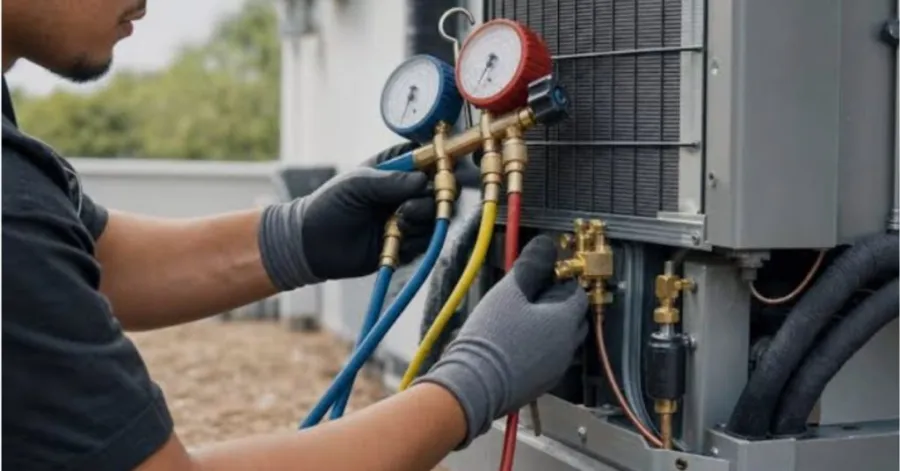
A Vákuové čerpadlo je kľúčový krok, ktorý treba urobiť pred pridaním chladiva do akéhokoľvek chladiaceho systému. Odstránenie vzduchu a vlhkosti zlepšuje ochranu kompresora, chladenie a životnosť chladničky. Či už ste majiteľom domu, milovníkom domácich prác alebo technikom HVAC, bude pre vás prínosom vedieť, ako používať vákuové čerpadlo počas opráv chladničky, aby ste predišli nutnosti robiť drahé chyby. Táto príručka popisuje, čo používať, ako správne vysávať, akým chybám sa vyhnúť a približný čas potrebný na vysávanie chladiaceho systému. Tieto kroky zabezpečia bezpečné, presné a spoľahlivé pravidelné opravy chladničiek.
Obsah
Prečo potrebujete vysávať chladničku
Pred naplnením chladničky chladivom je potrebné odstrániť vzduch a vlhkosť z uzavretého systému. Vlhkosť môže zamrznúť v kapilárnej trubici a zachytený vzduch znižuje účinnosť chladenia a zvyšuje tlak. Hlboké vysávanie pomocou vákuového čerpadla pomáha chladničke efektívne fungovať, predlžuje životnosť kompresora a zabraňuje budúcemu poškodeniu systému. Jedným z najdôležitejších opatrení po oprave úniku alebo výmene chladiacej súčiastky je správne vysávanie.
Odporúčané pre váš projekt
Čo sa stane, ak vynecháte proces vákuovania
Nevykonanie vákuový proces môže viesť k neefektívnemu chladeniu, zvýšenej spotrebe energie a poruche kompresora. Vlhkosť v systéme sa spája s chladivom a olejom a vytvára kyselinu, ktorá ničí vnútorné komponenty. Vzduch tiež znižuje účinnosť prenosu tepla, čo spôsobuje, že chladnička pracuje viac, ako by mala.
Kedy by ste mali použiť vákuovú pumpu
A Vákuové čerpadlo by sa mal použiť, ak bol otvorený uzavretý chladiaci systém. To zahŕňa výmenu kompresora, opravu úniku chladiva, výmenu filtračného sušiča alebo inštaláciu nových chladiacich potrubí. Bežné čistenie alebo údržba, ktorá si nevyžaduje otvorenie uzavretého systému, nevyžaduje vákuové čerpadlo.
Nástroje, ktoré potrebujete na vysávanie chladničky
Posledná vec, na ktorú si treba pamätať pred vysávaním chladničky, je uistiť sa, že máte všetko potrebné náradie. So správnym vybavením bude práca bezpečnejšia, rýchlejšia a presnejšia. Taktiež pomáha eliminovať vzduch a vlhkosť, ktoré by v budúcnosti mohli viesť k problémom s chladením. Keď sa učíte používať... Vákuové čerpadlo pri oprave chladničky alebo pri vykonávaní profesionálnej opravy chladničky vám tieto nástroje pomôžu dosiahnuť správne vákuum a pripraviť systém na plnenie chladivom.
Vyberte si správne vákuové čerpadlo
Najdôležitejším zariadením pri evakuácii chladiaceho systému je vákuová pumpa. Odstraňuje vzduch, vlhkosť a iné nežiaduce plyny a potom sa pridáva chladivo. Výber vhodného Vákuové čerpadlo Chladiaci systém účinne chráni kompresor a zvyšuje celkovú účinnosť chladiaceho systému. Dvojstupňové vákuové čerpadlo sa zvyčajne považuje za najúčinnejšie na opravu chladničky, pretože vytvára hlbšie vákuum a účinnejšie odstraňuje vlhkosť. Základné opravy v domácnosti je možné vykonať jednostupňovým čerpadlom, ale dvojstupňový model je účinnejší a poskytuje spoľahlivejší výkon v porovnaní s väčšími alebo staršími chladiacimi systémami.
Použite sadu meradiel rozdeľovacieho potrubia
Rozdeľovač rozchod sada Používa sa na pripojenie servisného portu chladničky k vákuovej pumpe, mp, a zároveň umožňuje meranie tlaku počas procesu evakuácie. Pomáha vám pri riadení vákua, izolácii systému a bezpečnej príprave na plnenie chladivom. Je to kľúčový nástroj pri plnení chladničky s... Vákuové čerpadlo, pretože zabezpečuje, že systém má správny tlak pred pridaním chladiva. Dobrý systém meradiel rozdeľovacieho potrubia sa dá použiť aj na detekciu akýchkoľvek zmien tlaku, ktoré môžu naznačovať únik, a na odstránenie týchto problémov pred dokončením opravy, čím sa zlepší celkový výkon chladničky.
Pripojenie hadíc určených pre vákuum
Hadice určené na vákuové použitie sú navrhnuté tak, aby zabezpečili tesné utesnenie, keď je systém pod hlbokým vákuom. Sú oveľa pevnejšie ako štandardné plniace hadice a minimalizujú riziko vniknutia vonkajšieho vzduchu do chladiaceho systému počas vákuovania. Ďalšou dôležitou súčasťou používania vákuového čerpadla na servis chladničky je použitie kvalitných hadíc, pretože aj najmenší únik môže systému zabrániť v potrebnej úrovni vákua. Dobré hadice tiež urýchľujú a zefektívňujú proces vákuovania a pomáhajú zabezpečiť, aby chladnička zostala čistá a suchá pred pridaním chladiva.
Skontrolujte vákuum mikrónovým meradlom
Mikrónový manometer je oveľa presnejším meradlom skutočnej úrovne vákua vo vnútri chladiaceho systému ako štandardný rozdeľovací manometer. Je isté, že vlhkosť a vzduch boli pred zavedením chladiva úplne odstránené. Preto sa v chladení používa Vákuové čerpadloJe nevyhnutné odstrániť vlhkosť, aby sa predišlo korózii, tvorbe ľadu a nízkej účinnosti chladenia. Mikrónový merač je tiež užitočný pri rozhodovaní o tom, ako dlho nechať chladiaci systém vákuovať, pretože indikuje, kedy bola dosiahnutá požadovaná úroveň vákua a či systém dokáže udržať vákuum bez únikov. Toto konečné overenie zvyšuje účinnosť a spoľahlivosť každej opravy chladničky.
Ako krok za krokom vysávať chladničku
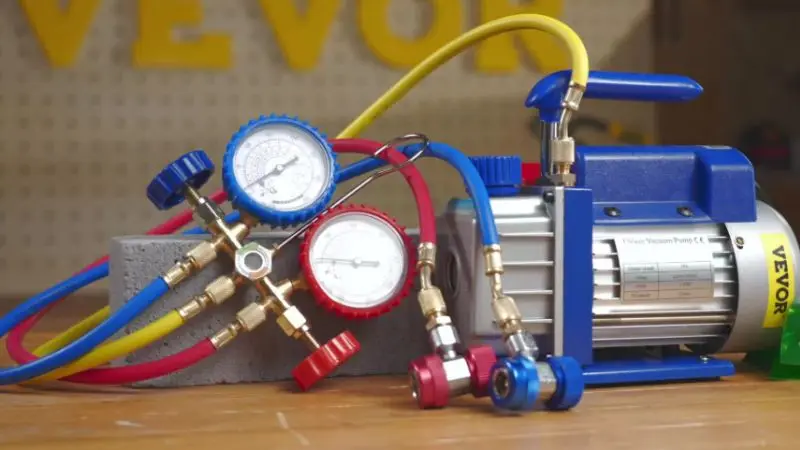
Správne použitie vákuového procesu odstraňuje vzduch, vlhkosť a nečistoty z chladiaceho systému pred zavedením chladiva. Toto patrí medzi najdôležitejšie procesy pri oprave chladničky, pretože chráni kompresor a pomáha systému efektívne chladiť. Pri učení sa používať Vákuové čerpadlo na chladničke starostlivo dodržiavajte každý krok; pomôže vám to dosiahnuť hlboké vákuum a zabezpečiť spoľahlivý a dlhotrvajúci výkon.
Krok 1: Vypnite a pripravte chladničku
Bezpečné pracovné podmienky je možné dosiahnuť najprv odpojením chladničky od elektrickej zásuvky. Pred použitím opravte všetky poškodenia, ako je výmena poškodených dielov alebo oprava únikov chladiva. Vákuové čerpadlo Nastavenie chladničky. Keď je filterdehydrátor znečistený alebo veľmi starý, vymeňte ho za nový, aby ste zvýšili výkon systému. Pred pokračovaním sa uistite, že všetky spájkované spoje a armatúry sú dobre utesnené a bez únikov. Správna príprava chladničky zabráni budúcim problémom a umožní efektívnejšie odstránenie vlhkosti a vzduchu počas procesu odsávania.
Krok 2: Pripojte manometer a vákuové čerpadlo
Nainštalujte sadu manometrov rozdeľovacieho potrubia nasledovne: Pripojte strednú hadicu k Vákuové čerpadlo a potom pripojte sadu manometrov rozdeľovača k servisnému portu chladničky. Zatvorte všetky pripojenia k vonkajšiemu vzduchu, aby ste sa uistili, že sa do systému pri odsávaní nedostane vonkajší vzduch. Pri učení sa používať vákuové čerpadlo na čistenie chladničky sú potrebné bezpečné hadicové pripojenia, pretože aj malý únik môže narušiť vákuum a vyžadovať si viac času na odsávanie. Pred zapnutím zariadenia sa uistite, že sú skontrolované všetky armatúry. Dobre prepojené nástroje pomáhajú systému dosiahnuť nižšie vákuum a pripravujú ho na úspešné plnenie chladivom.
Krok 3: Spustite vákuové čerpadlo a otvorte ventily
Zapnite Vákuové čerpadlo pred pomalým otvorením rozdeľovacieho ventilu. To umožní voľný tok vzduchu, vlhkosti a nežiaducich plynov z chladničky do čerpadla. Ak má chladnička servisné otvory na strane vysokého a nízkeho tlaku, otvorte oba ventily, aby ste zvýšili rýchlosť a účinnosť evakuácie. Vyššie uvedený postup jasne ukazuje, prečo sa vákuové čerpadlo používa v chladení: odstraňuje nečistoty, ktoré môžu znížiť účinnosť chladenia a poškodiť vnútorné časti. Nezastavujte čerpadlo; udržiavajte ho v plynulom chode, aby ste dosiahli čo najvyššie vákuum.
Krok 4: Pokračujte vo vysávaní, kým nedosiahnete správnu úroveň vákua
Spustite Vákuové čerpadlo kým chladiaci systém nevychladne na približne 500 mikrónov alebo na množstvo odporúčané výrobcom. Väčšina ľudí sa pýta na načasovanie vysávania chladiaceho systému a načasovanie závisí od veľkosti systému a množstva vlhkosti vo vnútri. Priemerný čas potrebný vo väčšine domácich chladničiek je 30 až 60 minút, najmä ak sú systémy ponechané otvorené na vzduchu, čo môže trvať ešte dlhšie. Nevypínajte čerpadlo príliš skoro, pretože neúplné vysávanie môže viesť k zvyškovej vlhkosti a zníženiu účinnosti chladenia po pridaní chladiva.
Krok 5: Otestujte, či vákuum drží
Po dosiahnutí požadovaného vákua zatvorte ventily rozdeľovača a nechajte vákuum v systéme zotrvať. Vypnite čerpadlo a sledujte mikrónometer približne 10 až 15 minút. Keď úroveň vákua zostane nezmenená, chladiaci systém bude dobre uzavretý a nabitý. V prípade, že tlak začne stúpať, skontrolujte chladničku, či v nej nie sú nejaké netesnosti alebo zachytená vlhkosť. Vykonanie tohto testu overí úspešnosť procesu evakuácie a pomôže predchádzať budúcim problémom s výkonom alebo úniku chladiva.
Krok 6: Naplňte chladničku chladivom
Po vykonaní testu udržania vákua odstráňte Vákuové čerpadlo, ale pripojte chladiacu fľašu k sade meradiel rozdeľovača. Toto je posledná fáza vákuového čerpadla na plnenie chladničky plynom. Mal by sa pridávať iba druh a množstvo chladiva odporúčané výrobcom chladničky. Správne plnenie zaručuje účinné chladenie, zníženú spotrebu energie a predĺženú životnosť kompresora. Systém nikdy neprepĺňajte ani nedopĺňajte, pretože oboje môže znížiť chladiaci výkon a viesť k nákladnej údržbe. Servis chladničky sa vykonáva bezpečne a efektívne pri správnom plnění.
Bežné chyby, ktorým sa treba vyhnúť pri vysávaní chladničky
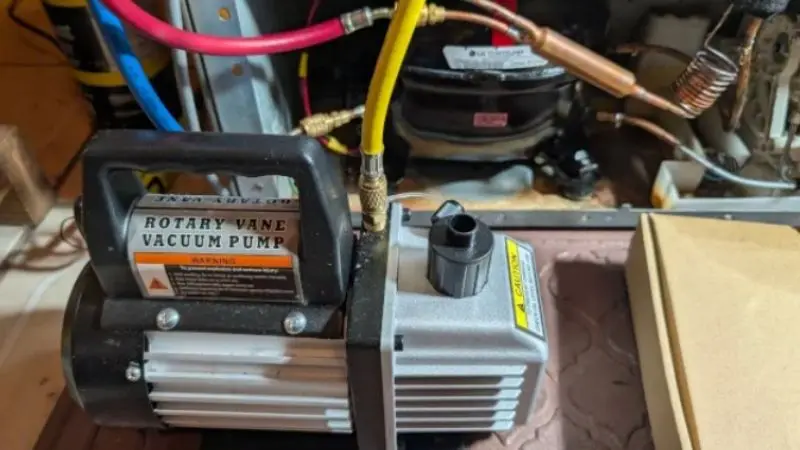
Vysávanie chladničky je veľmi citlivá úloha a akékoľvek drobné chyby môžu ovplyvniť účinnosť chladenia alebo dokonca poškodiť časti systému. Trpezlivosť a dodržiavanie správneho postupu môžu prispieť k úspešnej oprave. Bez ohľadu na to, či ide o pravidelný program údržby alebo o kompletnú opravu systému, nasledujúce chyby sa majú vyhnúť, aby ste dosiahli hlbšie vysávanie a dlhodobejšie výsledky pri vysávaní chladničky.
Pred vysávaním skontrolujte, či nedochádza k únikom
A Vákuové čerpadlo Používa sa na odsávanie vzduchu a vlhkosti, ale nedokáže utesniť úniky chladiva. Pred začatím prác na tom, ako používať vákuové čerpadlo na servis chladničky, vykonajte skúšku tesnosti suchým dusíkom alebo inou schválenou technikou. Pred začatím procesu evakuácie opravte všetky netesnosti. V prípade úniku sa do systému stále dostane vonkajší vzduch, a preto systém nebude schopný dosiahnuť vhodný vákuový stav. Zabezpečenie dobrého utesnenia chladiaceho systému zvyšuje účinnosť evakuácie a eliminuje stratu chladiva po naplnení.
Používajte čistý olej pre vákuové čerpadlo
Na zabezpečenie dobrého výkonu čerpadla a hlbokého vákua je potrebný čistý olej do vákuového čerpadla. Kontaminovaný alebo špinavý olej znižuje výkon čerpadla a v chladiacom systéme sa zadržiava vlhkosť. Taktiež sa uistite, že pred každou údržbou skontrolujete olej a vymeníte ho, keď je zakalený, tmavý alebo mliečny. Nový olej zvyšuje rýchlosť, ktorou bude čerpadlo čerpať, a systém dosiahne potrebný výkon vákua. Čistý olej je tiež jednou z najjednoduchších metód na dosiahnutie dokonalého... Vákuové čerpadlo aby chladnička vyšla čo najlepšie.
Použite mikrónový manometer namiesto iba manifoldových manometrov
Mnoho jednotlivcov sa spolieha výlučne na manometre, ktoré nedokážu merať hlboké úrovne vákua. Mikrónový manometer poskytne presné merania a zabezpečí, že chladiaci systém neobsahuje vlhkosť ani vzduch. Toto je jeden z hlavných dôvodov, prečo sa v chladení používa vákuová pumpa, pretože samotné vytvorenie vákua bez jeho kvantifikácie môže zanechať vlhkosť bez povšimnutia. Mikrónový manometer sa dá použiť aj na kontrolu, či je systém pripravený na naplnenie chladivom, a na minimalizáciu budúcich problémov s chladením.
Nevystavujte vysávanie príliš skoro
Jednou z najčastejších chýb pri servise chladničiek je predčasné ukončenie procesu vákuovania. Väčšina technikov si nie je istá časovým rámcom, ktorý by mali stráviť vákuovaním chladiaceho systému, a správny čas je vtedy, keď dosiahnete požadovanú úroveň mikrónov, nie do stanoveného času. Ak je v systéme prítomná vlhkosť, môže zamrznúť, tvoriť kyseliny a časom zničiť kompresor. Nechajte vákuové čerpadlo bežať, kým sa nedosiahne požadovaná úroveň vákua a úspešne sa neprevedie test udržania vákua, a potom pokračujte v plnení chladiva.
Ako dlho by ste mali vysávať chladničku?
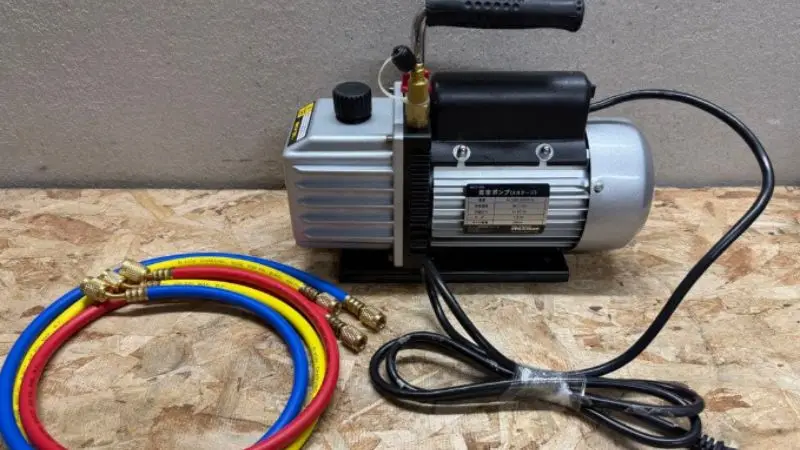
Čas potrebný na vysávanie chladničky závisí od veľkosti systému a jeho obsahu vlhkosti. Je dôležité dosiahnuť správnu úroveň vákua, a nie nechať čerpadlo bežať vopred stanovený počet minút. Znalosť času potrebného na vysávanie chladiaceho systému môže pomôcť zabezpečiť, aby sa pred zavedením chladiva do systému odstránil všetok vzduch a vlhkosť, čím sa zlepší chladenie a ochráni kompresor.
Čas vákuovania pre malé domáce chladničky
Typická domáca chladnička potrebuje na vákuum približne 30 – 45 minút, keď sa chladiaci systém dočasne otvorí, a v chladničke je málo vlhkosti. Napriek tomu by sme sa nikdy nemali spoliehať na hodiny, aby sme zabezpečili dosiahnutie požadovanej úrovne vákua; namiesto toho by sme mali vždy použiť mikrónový manometer, aby sme sa uistili, že je všetko v poriadku. Pri učení sa používať Vákuové čerpadlo Pri oprave chladničky majte na pamäti, že je dôležitejšie dosiahnuť približne 500 mikrónov a prestať, ako pokračovať po určitom čase. Správne odsávanie pomáha efektívnemu chladeniu chladničky a predlžuje životnosť jej častí.
Čas vákua pre veľké komerčné chladiace systémy
Dosiahnutie dobrého vákua v komerčných chladničkách, chladiacich vitrínach a mraziacich boxoch môže trvať najmenej pol hodiny. Je to preto, že ich vyšší vnútorný objem, dlhšie chladiace potrubia a vyšší obsah vlhkosti inherentne predlžujú čas evakuácie. Celkový čas evakuácie sa dá minimalizovať, no hlboké vákuum sa stále dosiahne použitím najlepšieho vákuového čerpadla na opravu chladničky, ako je napríklad dvojstupňové čerpadlo s vysokým prietokom vzduchu. Aj keď sú systémy väčšie, je vždy dôležité skontrolovať úroveň vákua mikrónovým manometrom a až potom systém naplniť chladivom.
Faktory, ktoré ovplyvňujú čas vysávania
Trvanie vákuovania chladiaceho systému závisí od niekoľkých faktorov vrátane veľkosti chladiaceho systému, množstva dostupnej vody, výkonu vákuového čerpadla, priemeru hadice a kvality používaného zariadenia. Dvojstupňový... Vákuové čerpadlo Chladiaci systém zvyčajne dosahuje hlbšie vákuum rýchlejšie ako jednostupňový systém. Vákuové hadice s veľkým priemerom, čistý olej čerpadla a dobre kalibrovaný mikrónový manometer tiež zvyšujú rýchlosť a presnosť evakuácie. Je dôležité venovať pozornosť týmto dôvodom, aby sa po úplnom naplnení systému mohlo spustiť vákuové čerpadlo na naplnenie chladiaceho plynu.
Zabaliť
Vysávanie chladiaceho systému je dôležitým krokom pri každej oprave chladiaceho zariadenia, pretože pred pridaním chladiva odstraňuje vlhkosť, vzduch a nečistoty. Správna oprava chladničky s najlepšou vákuovou pumpou, kvalitným náradím a správnou metódou môže zvýšiť účinnosť chladenia a ochrániť cenné časti systému. Poznanie účelu vákuovej pumpy v chladení vám tiež umožní vykonávať bezpečnejšie a efektívnejšie opravy. Vždy skontrolujte vákuum pomocou mikrónového manometra, vykonajte test udržania vákua a dodržiavajte špecifikácie výrobcu pre nabíjanie. Správne vysávanie a starostlivá príprava povedú k spoľahlivej prevádzke, zníženiu nákladov na opravy a odolnejšiemu chladiacemu systému.
Často kladené otázky
Aký je účel vákuového čerpadla pred naplnením chladničky?
Vákuové čerpadlo odstraňuje väčšinu vzduchu a vlhkosti z chladiaceho systému, aby sa zabránilo korózii, hromadeniu ľadu a poškodeniu kompresora a aby sa chladiaci systém pripravil na bezpečné plnenie chladivom.
Koľko času by vám trvalo vysávať chladničku?
Priemerný čas pre chladničky vo väčšine domácností je 30 až 45 minút a akýkoľvek komerčný systém môže trvať 60 minút alebo viac, kým sa dosiahne požadovaná úroveň mikrónov.
Môžem použiť jednostupňové vákuové čistenie chladničky?
Áno, jednostupňové čerpadlo je s jednoduchým nastavením v poriadku; dvojstupňový model však zvyčajne poskytuje hlbšie vákuum a je voľbou profesionálnych technikov údržby chladničiek.
Musím mať mikrónomer pri vysávaní chladničky?
Áno. Mikrónový manometer je presný spôsob merania úrovne vákua a zabezpečenia úplného odstránenia vlhkosti a vzduchu pred zavedením chladiva.
Aké by boli následky nevysávania chladiaceho systému?
Ak sa nevysáva, v systéme zostáva vlhkosť a vzduch, čo znižuje účinnosť chladenia, opotrebováva kompresor a môže viesť k nákladným poruchám chladiaceho systému.