A kompaktná jurta can serve you well whether you want a place to camp, a glamping setup, a backyard office, or somewhere to live year-round. Because of the circular layout, you get plenty of room inside while leaving a modest footprint on the ground. That makes it a great fit for compact yards or limited outdoor spaces. All the same, picking out the right one takes more consideration than measuring height and width.
You also have to evaluate the frame, fabric cover, insulation, how it handles weather, the windows, flooring, heat sources, and how long assembly takes. Further down, we break down what actually qualifies as a small yurt. We also look at standard sizes and features side by side across various applications. These pointers should steer you to the right pick, whether you need a quick weekend shelter or a place to live permanently.
What Is a Small Yurt and How Does It Work?
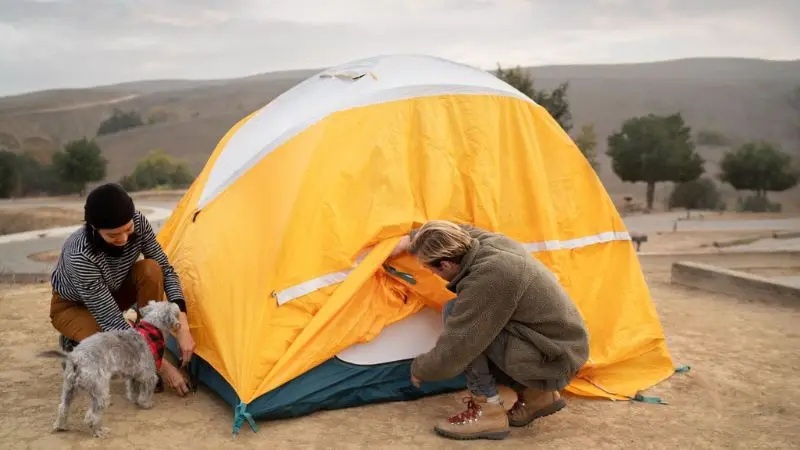
Essentially, a small yurt is just a scaled-down take on the classic circular structure. The frame stays lightweight, and the overall construction is kept basic. It works well pitched in a yard, set up as a spare bedroom, used for an office, or taken out on quick getaways. Because it is round, you end up getting a lot out of the floor area you have. How well a yurt holds heat comes down to what it is made of and how big it is. Those same choices dictate weather resistance, lifespan, and how simple pitching it will be.
Odporúčané pre váš projekt
What Is a Small Yurt Used For?
A malá jurta is a circular shelter designed for living, working, resting, or sleeping. It can serve as a garden office, an extra bedroom, a yoga studio, a craft room, or a place to stay on holiday. Across France, smaller yurts suit back gardens and rural settings particularly well. Going with a full-sized yurt might take up more room than you actually require. Because the layout is circular and completely open, you get full value from the floor space. Some yurts are built exclusively for warm-weather use. Other models include insulation, which lets you get far more use out of them through the year. What you should buy comes down to what you want to do with it, what your local climate looks like, and how much room you have.
Best Small Yurts Under 15m² for a Garden Studio in France
With a garden yurt under 15m², you keep the footprint compact without losing space for a desk, a chair, storage, and your work gear. Square footage is not the sole factor to weigh. Pay attention to the frame, the outer cover, the insulation, the windows, and the ventilation too. Heating and upkeep generally take less effort when the yurt is small. What you will pay swings across a wide range, too. Buying just the basic yurt shell typically runs cheaper than getting a fully outfitted kit with add-ons.
| Veľkosť jurty | Približná podlahová plocha | najlepší | Kľúčové vlastnosti na porovnanie |
| 3 m diameter | 7.1 m² | Solo office or hobby room | Compact frame, basic windows, easy setup |
| 4 m diameter | 12.6 m² | Záhradné štúdio | More workspace, larger windows, insulation options |
| 4.3 m diameter | 14.5 m² | Studio or guest space | Better usable space, improved ventilation, storage room |
Make sure to look up the local planning regulations in France for an outdoor studio before you purchase anything. Take a close look at what the ground and location need, too. Any supplier worth buying from should walk you through every piece included, the materials used, insulation, and how it holds up to weather.
How Are Small Yurts Constructed?
A circular frame wrapped in multiple layers of covering makes up the typical small yurt. A traditional build relies on an expanding lattice wall, roof rafters, a central compression ring, and heavy-duty tension bands to hold everything together. In modern builds, you might find timber framing instead, or prefabricated components. Fabric covers with built-in insulation are used on some as well.
Three layers typically make up both the roof and the walls. They consist of an interior lining, insulation in the middle, and a protective outer cover. You get light, ventilation, and entry through the doors and windows. Ventilation can be boosted further by an opening in the roof. If you understand how a yurt goes together, you can better judge its build quality before you buy. The safety and stability of a yurt come down largely to solid materials and tightly fastened joints.
How to Choose the Best Small Yurt
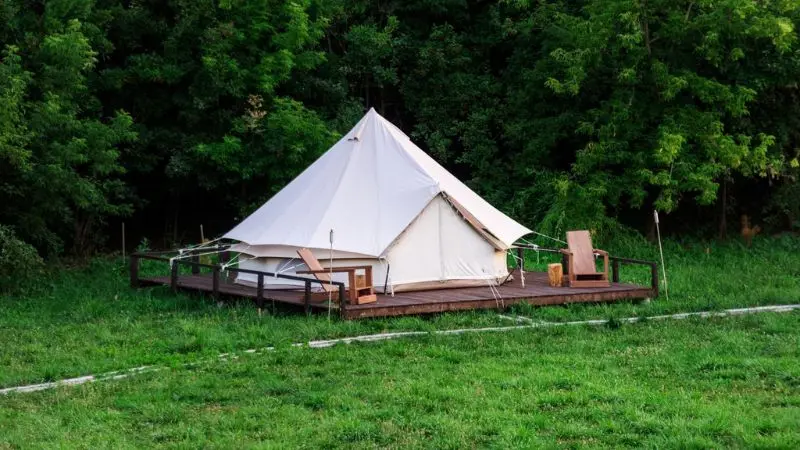
Picking out whatever yurt is smallest or cheapest and leaving it at that just does not work. The structure itself has to fit the location, local climate, your intended use, and the number of occupants it has to accommodate.
Pay close attention to dimensions, framing and fabric, insulation grades, ventilation, and where the doors and windows sit. Daily comfort inside boils down to these practical details much more than curb appeal.
Compare the Best Two-Person Yurt Sizes in France
A kompaktná jurta gives two people plenty of room to sleep, unwind, or stay for the occasional weekend. What actually counts as a small yurt comes down to the interior layout alongside its total diameter. A floor plan of 10–13 m² can handle a basic sleeping setup, but stepping up to 14–15 m² gives a couple real space to move around and add furniture.
| Približný priemer | Podlahová plocha | Výhody | Nevýhody |
| 3.5 m | 9.6 m² | Compact, easier to heat, uses less garden space | Limited furniture and storage space |
| 4 m | 12.6 m² | Good balance for two people, flexible layout | Less spacious for long-term living |
| 4.3 m | 14.5 m² | More comfortable for sleeping and living | Vyššie náklady na materiál a montáž |
Ak vážite two-person yurts in France, think first about how often you will be inside: occasionally or day in, day out. Just two or three extra square metres change everything once you try fitting in beds, chairs, storage, or a desk.
Consider the Number of People
Predtým choosing a yurt, decide how many people will use it. What seems roomy enough for a solo occupant quickly gets cramped once two or three people move in. Take sleeping areas, furniture, storage, and clear floor space into account. Short trips are where a smaller yurt can serve you well. Extra square footage simply makes moving around and finding room for your belongings easier day to day. Go with a bigger yurt if visitors are a regular occurrence. Setting up a distinct sleeping spot just for visitors is another option. Think through how you will actually live in it each day before handing over any money. Doing so keeps you from ending up with a yurt that feels cramped down the road.
Check Yurt Frame and Construction Materials
A 12m² yurt relies entirely on its frame to stay standing. Because of that, frame quality matters a great deal. Typical builds feature wooden lattice walls, roof poles, a center ring overhead, tension bands, and metal hardware.
Make sure the joints feel solid, and the materials will hold up in your climate. You want the frame to distribute the weight of the roof evenly across the base. Wood keeps the appearance classic. Modern framing options might require different maintenance and last for varying lengths of time. Find out from the maker how the frame is sized, how the wood is treated, how joints connect, and how many years it should last. Putting up the yurt goes much more smoothly when the frame is solid. It keeps the whole structure steady through the years, too.
Evaluate Yurt Covers and Insulation
The exterior fabric shields everything inside from rain, gusting wind, sun exposure, and shifting weather. Insulation is what keeps interior temperatures manageable. Make sure the fabric sheds water properly and will not break down in the sun. It must suit your local climate, too.
Insulation is built into the walls and roof of some yurts. If you only use a yurt in warm weather, it might not need as much insulation as one meant for all seasons. Make insulation a priority if you intend to live inside a small yurt. Take time to look into how the outer shell is secured, cleaned, repaired, and replaced, too.
Look for Proper Windows, Doors, and Ventilation
There is far more hanging on windows and doors than just how the space looks. Beyond letting daylight in and getting air moving, they dictate how simple the yurt is to access and live in. Moisture builds up fast from sleeping, cooking, and everyday routines, which makes solid ventilation vital inside a small, round room. Check that the windows open without hazard and sit across from one another to draw a breeze through. Depending on how the yurt is built, heat can also vent out through a central skylight or roof opening. You want a doorway that handles bad weather well and opens and shuts without hassle. When weighing different models for year-round living, look closely at their glazing, insulated doors, bug netting, and adjustable vents.
How to Choose a Small Yurt for Camping
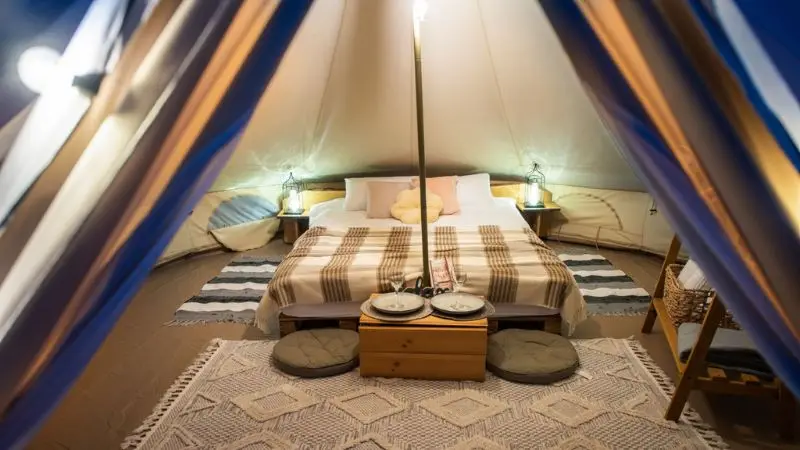
Comfort matters in a kempingová jurta, but it must be practical too. A garden yurt stays put, but a camping model is much more likely to be packed into a vehicle, pitched, taken down, and stowed away on a regular basis.
That makes total weight, packed volume, pitching time, weatherproofing, and internal layout key considerations. Pick the right model and temporary camping becomes simpler, with no need to give up basic comfort.
Which Yurts Are Easiest to Transport and Assemble in France?
If you plan to camp in France, lightweight, modular yurts will usually give you less trouble in transit than big setups with thick insulation and heavy timber or steel frames. Check the packed size, overall weight, total part count, and any tools you will need before committing to a purchase. Going with a smaller build that uses fewer frame sections usually makes both moving and pitching it simpler. Depending on how small it packs down, a kompaktná jurta might also load into a car or onto a trailer with much less trouble.
| Yurt Type | transport | Montáž | Best Camping Use |
| Compact fabric yurt | jednoducho | rýchly | Short camping trips |
| Small timber-frame yurt | Stredne | Stredne | Dlhšie pobyty |
| Insulated small yurt | Menej pohodlné | Stredne | Cooler-weather camping |
Before setting off, look over the manufacturer’s manual, packed size, weather specs, and setup needs for any yurt bought or pitched in France. You will get a far clearer picture from these specifics than from looking at footprint alone.
Consider Easy Yurt Setup and Removal
You should be able to pitch a kempingová jurta without convoluted steps or extra gear you do not really need. Check ahead of buying how many people it takes to put up, the typical setup time, and if you need any specialist tools. Having clear instructions can matter a great deal when you are pitching at a campsite or any temporary spot. Check how easily the floor, frame, roof parts, and cover break down and pack away if you expect to move the yurt often. Figuring out the assembly of a malá jurta ahead of your first outing can save you from errors. Do a test run in your garden or living room if you can, and put labels on the parts so the next pitch goes quicker.
Look for Durable Weather Protection
Because camping puts a yurt through unpredictable weather, shelter performance matters far more than how good it looks or how light it is to carry. Seek out an exterior shell that keeps water out, sturdy tie-down points, robust tensioners, and framing built specifically for outdoor use. The frame and fabrics must also match the wind and rain you expect to encounter where you pitch. Good airflow matters, as damp air easily builds up inside small enclosures. Look into getting an insulated liner or outer cover if you intend to camp through the cold season. In higher temperatures, you can boost airflow by choosing breathable fabrics and vents you can open or close. A tough build saves you from constant patching and keeps the yurt usable trip after trip.
Plan Sleeping and Storage Space
A pleasant yurt gets cramped in a hurry if your bedding and gear swallow all the floor area. Take measurements of the footprint you need for cots, sleeping pads, luggage, seating, and bins before settling on a yurt. You can preserve floor space by using hanging pouches, wall shelves, upright racks, and the gap beneath your bed. Make sure two people can walk through the space without jostling whoever is in bed if the yurt is being shared. Deciding whether small yurts are worth it usually hinges on how well every bit of space gets used. Thoughtful planning makes a small yurt workable, whereas bad storage will crowd an identical footprint in no time.
How to Choose a Small Yurt for Full-Time Living
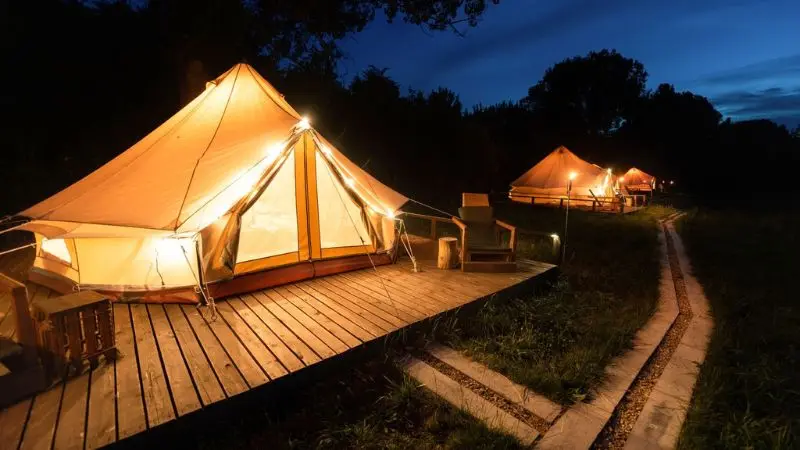
Using a yurt as an everyday home takes significantly more forethought than staying in one for the occasional weekend trip. Every corner of a compact build has to pull its weight.
Look closely at the layout, insulation, utility setup, durability, and upkeep demands before you settle on any model. Whether the yurt stays livable and comfortable over the years often comes down to these details.
Plan an Efficient Small Yurt Floor Layout
Getting the floor plan right can make a tight yurt feel far roomier and much simpler to live in. Begin by mapping out spots for your bed, seating, cooking zone, storage, and workspace. Because round rooms work best with an open middle, keep everyday essentials close at hand and keep heavy furniture out of the center. Fitting built-in shelves, using wall space, and picking dual-purpose furniture will all save valuable floor area. Focus on how you move through your day rather than simply adding up square metres when figuring out how to live in a malá jurta. Sketch out the space before you purchase any furniture so you know doors, windows, and paths will stay completely clear.
Choose Proper Insulation and Heating
You cannot skip regulating the indoor temperature across all four seasons if you intend to live there full-time. Putting solid insulation into the roof and walls helps keep winter warmth inside while blunting summer heat buildup. Select a heating source suited to your yurt’s size, its insulation quality, and the local climate. Electric heat is a fine choice given a steady grid connection, though an appropriately installed wood stove serves as a strong alternative if the setting permits. Air circulation demands attention too, because both routine daily activity and active heating push up indoor moisture. To gauge whether a small yurt will actually be comfortable, treat the heating and insulation as a single unified setup. Pairing sound insulation with adequate airflow and an appropriate heat source delivers a distinctly more stable indoor climate.
Consider Electricity and Plumbing
Bývanie v a comfortable yurt year-round means having a realistic setup for power, fresh water, waste, and any other utilities. Your power could come from the grid, solar panels, a generator, or a mix of these, shaped by your specific site and local rules. Plumbing takes real forethought around incoming water, waste lines, toilet systems, and freeze protection if your winters drop below zero. Run your pipes and wiring along straightforward, reachable lines so fixing a problem later does not mean tearing into the yurt. Remember to factor in your kitchen gear, lights, space heating, and personal electronics when calculating how much electricity you will draw. Before putting anything in, check what the local rules say about building, wiring, water, waste disposal, and zoning. Hiring a qualified tradesperson helps make sure your utility systems are fitted safely and to the right standard.
Check Long-Term Durability and Maintenance
If you plan to live in a yurt or use it often, its materials have to hold up against continuous weather. Before committing to a purchase, look into how many years the frame, outer fabric, insulation, windows, doors, and remaining parts are supposed to last. Routine upkeep might involve washing down the exterior skin, tightening tension hardware, looking over the frame, keeping dampness down, and patching minor wear. Find out, too, how easily you can get hold of replacement skins and spare parts. Factor routine upkeep and anticipated part replacements into your total budget when weighing whether a malá jurta is worth the money. If you find yourself constantly replacing major parts, a low sticker price will not reflect what the yurt actually costs you over time.
How to Choose a Small Yurt for Glamping
Glamping takes the outdoor feel of camping and pairs it with far more comfortable quarters. The circular layout gives you an unbroken space to sleep, unwind, and host people, which makes family yurts a strong fit here.
You want the room to feel inviting without jamming too much into it. Good bedding, sensible furniture, decent light fixtures, and incoming sun can turn a small yurt into something that feels like a private cabin.
Setting Up a Comfortable Sleeping Space
Because the bed tends to be the centerpiece of any glamping yurt, comfort has to take priority here. Choose a bed frame with proportions that suit the room while leaving you plenty of clear walkway on both sides. Setting the bed on an elevated frame creates useful storage underneath for luggage and equipment. How comfortable an overnight stay is can also shift dramatically with a proper mattress, quality bedding, pillows, and blankets. Put bedside tables or compact shelves right next to the bed so guests can set down lamps and personal items. If you have two guests staying, make sure there is enough room for both of them to move about without bumping into one another. Position the bed to suit the circular walls of the yurt, making sure you do not block any vents or doorways.
Put In Lighting and Power Options
Decent lighting makes a glamping yurt fully functional once it gets dark, while also setting the overall mood. Pair overall room lighting with smaller lamps by the seating or bed so visitors can adjust brightness to their liking. Because they draw relatively little power while still lighting the room well, LED fixtures make a lot of sense. You might also add wall outlets, USB ports, or small appliances, depending on how things are set up. Every bit of electrical work must be installed safely and be appropriate for the surrounding conditions. Solar setups paired with adequate battery banks can work well whenever the yurt sits off the grid. Cables should be tied back and covered so nobody catches a foot on them.
Select Functional Furniture for Glamping
Whatever you put inside must keep people comfortable while sparing the limited floor area. Options such as a storage bench, folding chairs, a small table, or a loveseat do double duty while leaving clearance to walk. Built-in storage in furniture makes a real difference, mainly since it spares you from fitting freestanding cupboards. Go with furniture that cleans up quickly between guests and can take plenty of foot traffic. If you decide to rework the floor plan, having lighter furniture makes sliding things around much less of a chore. Measure every piece down to the inch before you drag anything through the door of a small yurt. Leave wide, clear lanes to the entrance, windows, and main areas so no one catches a foot or feels squeezed walking past.
Make the Most of Daylight and Usable Floor Area
Sunlight helps an undersized yurt seem more open and airy. Don’t block windows or skylights with bulky pieces of furniture. That lets the maximum amount of light spill in.
Surfaces finished in light shades help bounce daylight through the entire space. Open shelving and wall mirrors provide practical storage and utility while taking up minimal room. Leave the middle of the floor clear so nobody has trouble walking through. If you find yourself wondering whether small yurts are actually comfortable, keep in mind that how you arrange things matters just as much as square footage. Smart layouts and decent sunlight go a very long way.
Zabaliť
Výber toho najlepšieho malá jurta comes down to what you will use it for, where it goes up, and how many hours you plan to spend inside. A yurt built for camping must stay packable and quick to pitch, whereas a full-time residence demands sturdier fabric, solid insulation, reliable heat, and utility connections. Check the true square footage carefully before spending any money, planning out where your furniture and storage sit in relation to ventilation and windows. Knowing upfront how the yurt goes together and what maintenance it will demand down the road prevents headaches later on. A smaller yurt handles all kinds of uses comfortably and efficiently, provided you think through the floor plan and small details.
Často kladené otázky
What are the ideal dimensions when planning a small yurt?
A footprint of 9 to 15 m² provides practical room to live for one or two people. Your decision comes down to intended use, required furnishings, and how much you plan to store inside.
What yurts do you recommend for camping alone in France? Which models do you have that are small and fairly transportable?
Anywhere from 7 to 12 square meters is a good size for a yurt for solo occupancy. Things to consider when choosing a yurt should include the material used for the outer shell to withstand the elements and to allow for air movement, as well as the ease and speed of assembly and the size and weight of the components.
Which trade-offs occur between less expensive and more expensive yurts when set up in France, and which benefits do they afford?
Inexpensive yurts often use cheaper materials and components and may not last as long as more expensive models, but an inexpensive yurt may still meet your needs for a short-term camping solution.
Of what yurts do you have for sale in France are the best of the 4 season models, and what is the best insulation they offer?
When evaluating 4-season yurts, be sure to check the insulation offered and the materials used for the outer covering of the walls and ceiling. Consider ventilation and the potential for freezing.
Which yurt heaters available in France offer the best value for money — list the choices with price comparisons?
Most owners go with wood-burning stoves, electric heaters, infrared panels, or heat pumps. Before selecting a heating unit, balance the purchase price against installation expenses, fuel or power usage, venting needs, and the yurt’s heat retention.
Rank the top yurt windows and skylights sold in France according to how much daylight they let in.
Base your assessment of windows and skylights on five things: glass area, opening style, thermal insulation, ventilation, and daylight. A large skylight pours daylight directly down from overhead, whereas several windows set around the perimeter distribute brightness evenly and help air move through.