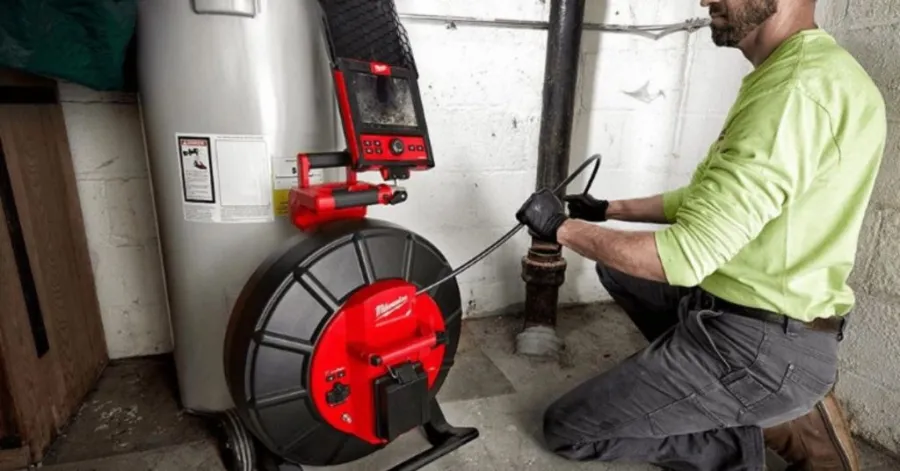
Several pipe inspection tools are available, and choosing the right one can make plumbing, drain, and sewer inspections easier and more accurate. Today’s inspection cameras let you explore pipes without unnecessary digging, cutting, or property damage. Various types of equipment can be used for sewer inspection, each tailored to a specific pipe type and purpose. Knowing what types of kanalizačné kamery are available, how long the cables are, image quality, where to find the features, and durability can help you determine the best system for your jobs. To choose the right pipe inspection equipment for your needs, this guide outlines the types, common uses, selection criteria, and maintenance tips for popular options.
Types of Pipe Inspection Equipment
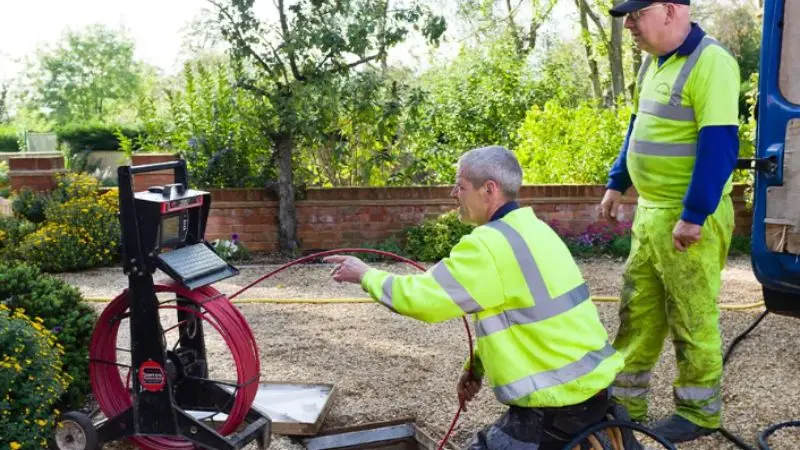
Various types of pipe inspection equipment can inspect pipes of different sizes, in different conditions, and for different plumbing tasks. Knowing these options will help you choose equipment that fits your project and inspection needs.
Several camera types offer varying levels of visibility, control, and locating ability, from basic push cameras to advanced pan-and-tilt models. Here are the primary varieties to choose from.
Pipe Inspection Cameras
Pipe inspection cameras let you view the inside of pipes without disturbing walls, floors, or other surfaces. These often include a waterproof camera, flexible cable, monitor, and built-in lighting. The camera goes through the pipe and relays real-time video to the display, which helps to diagnose blockages, cracks, corrosion, root intrusion, and other issues. Many plumbers use these systems for pipe inspection, which makes drain or sewer inspections quicker and less disruptive. Cameras and cables come in various sizes and lengths, depending on pipe diameter and the distance to be covered. Some models also include recording functions to capture inspection results.
Push-Cable Inspection Systems
Push-cable inspection systems move a camera through pipes and drains via a flexible cable. You physically use force to move the cable in front of the camera and monitor the camera screen. They are user-friendly and will be suitable for residential drains, plumbing lines, and relatively short pipe runs. Their small size also allows them to be easily used in service calls and periodic inspections. When choosing the best equipment for pipe inspection, consider cable length and camera diameter, bending capabilities, and monitor quality. A push-cable system that is the proper size can assist you in evaluating bends and hard-to-reach areas and in seeing the inside of the pipe.
Self-Leveling Camera Systems
Self-leveling camera systems keep the camera image upright as the camera moves through a pipe. When the camera turns in the line, the footage will stay properly oriented to help with easy viewing of inspection footage. These systems are particularly helpful for longer pipe inspections or for documenting pipe structure. Self-leveling technology is useful to help you see cracks, joints, holes, and other imperfections more clearly. One factor to consider when choosing pipe inspection equipment is whether the image orientation needs to stay consistent during inspection work. Self-leveling cameras could be useful for contractors and professional inspectors who require crisp, clear images for reports, maintenance records, or customer documentation.
Pan-and-Tilt Camera Systems
Pan-and-tilt camera systems give more control over the direction of the camera’s lens inside a pipe. You can rotate or adjust the camera head rather than just using the camera’s forward view to look at certain areas in greater detail. These systems are useful for inspecting large pipes, complex drainage structures, and areas that require close visual inspection. Some of the more sophisticated systems also feature zoom capability and strong illumination to enhance visibility. When detailed inspection and camera control are a priority, a pan-and-tilt system may come in handy when looking at which pipe inspection equipment is best. Typically, these systems are used for professional plumbing, municipal, and contractor applications.
Pipe Locators and Sondes
Pipe locators and sondes are used to identify the location of the pipe or izbu and its approximate depth of the pipe in the ground being investigated. A sonde is usually strapped to the camera head and generates a signal that can be picked up on the surface by a matching locator. This will help you determine the location of the camera without having to dig up the whole area. Equipment location is especially helpful if a clog, damaged area, or other issues are detected during an inspection that might necessitate excavation or repair. How does pipe inspection equipment work? It also means knowing how a camera system works in combination with a locating tool to identify underground pipe conditions and their exact location.
Drain Cleaning and Inspection Equipment
Drain cleaning and inšpekčné zariadenie unclogs pipes and lets you view them before and after cleaning. Drain snakes, sectional machines, and water jetting can be used to remove grease, debris, roots, and buildup, and inspection cameras can be used to look at the condition of the pipe. Combining the use of both types of equipment may give a more complete picture of the drainage system. Combined solutions are particularly beneficial for contractors, as they can be used for diagnosis, cleaning, and follow-up inspection in the same service process. A camera inspection may also be performed after cleaning to provide a better view of the pipe issues, cracks, damaged joints, or corrosion.
5 Best Pipe Inspection Equipment Options
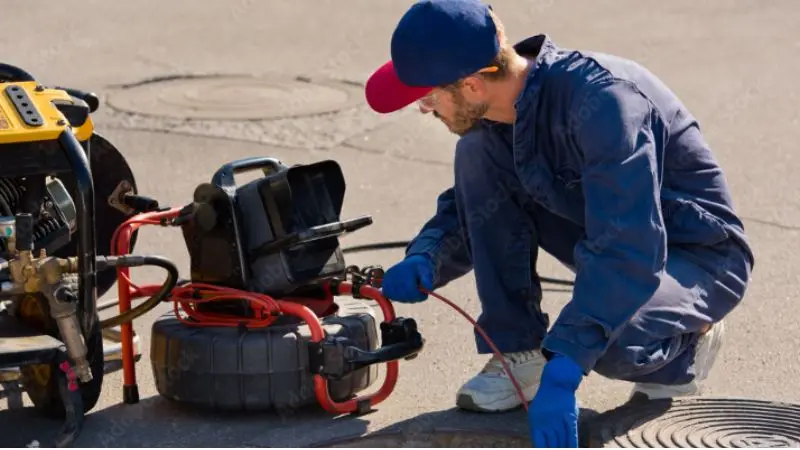
The right pipe inšpekčné zariadenie depends on pipe size, inspection distance, camera quality, and the features you want. Different systems suit different kinds of inspections.
Below are some of the choices available: professional sewer inspection cameras and compact handheld ones. By examining their characteristics, advantages, and disadvantages, you can determine which of them will suit your specific plumbing, maintenance, or contracting tasks.
RIDGID See Snake Compact2 Inspection Camera
RIDGID SeeSnake Compact2 professional pipe inspection equipment is used to inspect lines from 1.5 to 6 inches in diameter. It features a 100ft push cable, a 1-inch self-leveling camera head, and a built-in 512 Hz sonde to locate points of interest. It has a flexible cable for tight turns, and the self-leveling camera keeps the image upright during inspection. The system can also connect to RIDGID’s CS6xPak monitor to take photos and videos. This makes it ideal for professional plumbing, drain, and sewer inspection.
Pros:
- With a self-leveling camera, footage is kept upright.
- The built-in sonde helps locate pipe problems.
- For lines 1 ½” to 6″ in diameter.
con:
- Bigger and heavier than standard handheld inspection cameras.
Bosch GIC 120 C Professional Inspection Camera
The Bosch GIC 120 C Professional is a small inspection camera for inspecting pipes, wall cavities, utility boxes, hydraulic systems, and automotive parts. It includes a 120 cm camera cable, an 8.5 mm camera head, and a 2.7″ display. Its Compass View feature provides spatial orientation, and digital zoom makes smaller details easier to examine. The Quick Connector system also lets you easily swap the camera cable. It is compact, which makes it easier for plumbers and contractors to inspect pipes if they need to bring a portable inspection machine to the job.
Pros:
- Kompaktný a ľahký dizajn.
- Compass View assists with the orientation of images.
- Quick Connector makes quick changing of cables easy.
con:
- The short cable makes it difficult to do deep pipe inspections.
Milwaukee M12 M-SPECTOR 360 Inspection Camera
The Milwaukee M12 M-SPECTOR 360 is ideal for wall cavities, drain pipes, pipes, and other difficult-to-reach areas. It features a 4.3-inch LCD screen and captures video from a 720p camera and a 10 mm camera head for relatively close shots. The 10′ cable is a compromise between stiffness and flexibility, which allows for better placement. One of the most important features is its 360-degree image rotation, which allows you to rotate the view without having to move the cable multiple times. It also has three zoom levels and five brightness settings to help in dark areas. The included SD card can be used to store photos/videos.
Pros:
- 360-degree image rotation for better control of viewing.
- The 720p camera features adjustable brightness.
- Super-compact 10 mm camera head.
con:
- Dedicated sewer inspection reels are longer than 10-foot cable.
Teslong NTS300 Dual-Lens Inspection Camera
The Teslong NTS300 Dual-Lens Inspection Camera offers two viewing angles to reach hard-to-access areas. It captures images up to 1920 × 1080 resolution on its 5-inch display, and the dual-lens probe captures images from both straight-on and side angles. The probe comes in various diameters and lengths, depending on the configuration. It comes with programmable LED lights, a 5000mAh rechargeable battery, and a 32GB microSD card. It has an IP67-rated probe, which can be used in wet inspection environments. This makes the NTS300 suitable for a variety of applications, such as plumbing, maintenance and inspection work, automotive, and HVAC.
Pros:
- Dual-lens for straight and side views.
- 5″ screen for photo and video recording.
- Rechargeable 5000mAh battery.
con:
- The length of the probes is more restricted than dedicated sewer camera reels.
VEVOR 9.8-Inch Sewer Inspection Camera
VEVOR kamera na kontrolu kanalizácie is a practical option for longer drain and sewer inspections. This system comes in various configurations, including a 9-inch display, long push cable, waterproof camera, adjustable LED lights, and DVR recording. Some versions are up to 394 feet of cable length, ideal for long pipe runs. The camera is intended for sewer lines, drains, ducts, and other enclosed spaces. The large screen also makes it easier to see the live footage, and the recording feature can be used to record any findings for later review.
Pros:
- Long cable options for extended pipe inspections.
- Waterproof camera (IP68) and adjustable LED lights.
- Support for large screens and recording.
con:
- Certain setups may not be as easy to maneuver through tight bends.
Pipe Inspection Camera Comparison
Choosing the right pipe camera depends on the type of inspection, pipe length, and level of detail you need. Some models are designed for short, close-range inspections, while others can reach deep into sewer and drainage lines.
The table below compares the five pipe cameras by price, reach, image or video resolution, key functions, and intended use. This makes it easier to see how each model differs and choose one that fits your inspection needs.
| Pipe Camera | Cena | Reachable Length | Image/Video Resolution | Podporované funkcie | najlepší |
| RIDGID SeeSnake Compact2 | Varies by kit | Až 100 XNUMX stôp | Self-leveling camera; video/photo recording with compatible monitor | Self-leveling camera, 512 Hz sonde, flexible push cable, recording | Professional plumbing and sewer inspections |
| Bosch GIC 120 C Professional | Varies by kit | 4 cm | Digital display with digital zoom | Compass View, digital zoom, Quick Connector, interchangeable cable | Short pipe and hard-to-reach inspections |
| Milwaukee M12 M-SPECTOR 360 | Varies by kit | 10 ft | 720p | 360° image rotation, 3 zoom levels, 5 brightness settings, photo/video recording | Drains, wall cavities, and close-range inspections |
| Teslong NTS300 Dual-Lens | Líši sa podľa konfigurácie | Varies by probe | Až 1920 × 1080 | Dual-lens viewing, LED lighting, photo/video recording, IP67 probe, rechargeable battery | Plumbing, HVAC, automotive, and maintenance inspections |
| VEVOR 9.8-Inch Sewer Inspection Camera | Líši sa podľa konfigurácie | Až 394 XNUMX stôp | Varies by model/configuration | DVR recording, waterproof camera, adjustable LED lights, large display, locator on supported versions | Long drain, sewer, duct, and pipe inspections |
How to Choose Pipe Inspection Equipment
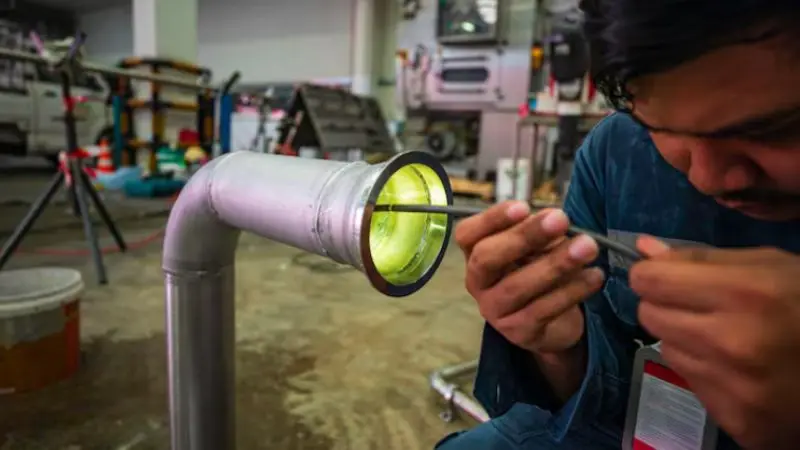
The right equipment can help to make pipe inspections faster, clearer, and more reliable. The best system depends on pipe size, inspection distance, the work environment, and the issues you need to detect.
Pri nákupe pipe inspection equipment, check the camera, cable, display, durability, and recording features. Here are a few factors to consider when choosing the right system for your plumbing, maintenance, or contracting projects.
Skontrolujte veľkosť hlavy kamery a kompatibilitu s potrubím
izbu head must be small enough to fit into the pipe to be inspected. Smaller camera heads work well for smaller household drains, and larger pipes will be able to house larger camera systems that have more equipment. Before you choose a model, check the manufacturer’s recommended pipe diameter. Too large a camera can get stuck in bends or will not fit into the pipe, and too small a camera may offer minimal visibility. Consider the camera head diameter, its flexibility, and how well it can maneuver around corners. When choosing pipe inspection equipment for reliable inspection, matching the camera size to the pipe is important.
Zvážte rozlíšenie fotoaparátu a kvalitu obrazu
Good image clarity helps detect pipe issues such as cracks, blockages, corrosion, root intrusion, damaged joints, etc. If you are looking for the best equipment for pipe inspection, choose one with enough resolution for your inspection needs. For larger pipes or documentation, higher-resolution cameras can provide clearer images. Good built-in lighting is also important because pipes are dark. Some high-tech cameras have adjustable LED lights to improve visibility. When choosing equipment, look at camera resolution and lighting quality, not just the stated resolution.
Choose the Right Cable Length
The cable length dictates the maximum distance the camera can be pushed into a pipe while staying within inspection range. Longer cables suit sewer lines and long underground pipes, while shorter ones suffice for sinks and toilets in homes. Don’t just select a cable because it is the longest they have on offer. Too much cable can cause equipment to be heavier and more difficult to manage. Consider the average length you need, then select a cable that reaches the full length of the project. Contractors can choose various lengths of cable when purchasing professional pipe inspection equipment, depending on the type of inspection they need.
Check the Waterproof Rating
Inšpekčné kamery often operate in wet, dirty, and damp pipe environments, so waterproofing is critical. Before using the camera and the probe in water-filled and wet pipes, verify the IP rating of the camera and probe. The higher the protection rating, the more resistant it is to water and dust, but make sure to adhere to the manufacturer’s operating instructions. Also check the cable connections, camera head, and other components to ensure they suit the environments where you will operate. By ensuring water resistance, the equipment can be protected and continue to function properly. This is particularly crucial when choosing pipe inspection equipment for plumbers who have to inspect drains and sewer lines frequently.
Zvážte zabudovaný lokátor a sondu
When the camera head is in a pipe below ground, a built-in sonde can make it easier to locate the camera from above ground. The sonde transmits a detectable signal to a compatible locator, allowing you to find the camera’s approximate position and depth. This feature can be useful if, during an inspection, you determine that a section has been damaged, blocked, or otherwise compromised and may need excavation. Locating the exact underground defect may be more challenging without this capability. When you routinely maintain buried drains or sewers, you can make follow-up repairs easier by selecting equipment with a compatible sonde and locator.
Evaluate the Monitor and Display
The monitor determines how well you can see and understand the camera’s view during an inspection. Choose a display that provides a clear visual representation and is easy to read in the workplace. But size, brightness, resolution, controls, and viewing angle can affect usability. The bigger the screen, the easier it will be to spot the small defects; a compact monitor might be more convenient for mobile service calls. A few professional systems also supply links to other devices for recording or reporting. The display should provide clear images without making the inspection system impractical to move around.
Check Recording and Photo Features
Video recording can be performed to provide future reference of the inspection video and photos. This can be helpful to record pipe conditions, to explain issues to customers, to compare inspections, or for repair planning. Find equipment that can record video and still pictures, and has a convenient storage capability. Depending on the system, memory or removable storage may be provided, or files may be transferred to a different system. Ensure that controls are easy to use without holding and controlling the camera cable. For professionals who need clear visual documentation of pipe inspections, recording features can add significant value to the best pipe inspection equipment.
Consider Battery Life and Power Options
Battery life is another important factor that indicates how long a kamerový systém can run before the battery needs recharging or plugging into another power source. Consider how long you usually spend on inspections and whether you work at sites without an easy power source. Rechargeable batteries can make equipment easier to use during mobile service calls, and replaceable battery systems may let you keep working with a spare battery. Look at charging time, battery capacity, and estimated run time. For professional inspections, reliable power keeps you working without interruptions and lets you complete long jobs without stopping to recharge.
Assess Portability and Durability
Portability matters when moving pipe inspection equipment between service vehicles, job sites, or properties. Choose something easy to move around and built to withstand the rigors of the job. Consider overall weight, cable reel type, grip, monitor mount, and storage. Equipment should resist harsh job-site conditions and be durable enough to handle regular use, with strong cables and tough housings. Contractors that need to change jobs often may opt for smaller systems, but big sewer inspection jobs may warrant professional equipment. The right combination of portability and durability can make inspections easier and minimize equipment-related interruptions.
Best Pipe Inspection Equipment for Different Applications
The right pipe inspection equipment depends on the pipe type, diameter, inspection distance, and, of course, the working environment. Very different camera systems are used for residential plumbing and large sewer mains.
Selecting equipment to match the application can improve image quality, maneuverability, and inspection efficiency. The following alternatives clarify which features and camera types are typically appropriate for various pipe inspection needs.
Equipment for Residential Plumbing Inspection
Residential plumbing inspections typically cover smaller drain lines, branch lines, and sewer laterals. Compact push-camera systems are practical because they can pass through bends and are easy to transport from service to service. In smaller pipes, the camera head must be slim enough to fit through the pipe and maneuver through fittings.
Another helpful feature for checking bathroom, kitchen, and laundry drains is a flexible push cable. Many residential systems include LED lighting and recording features to capture issues. For plumbers, consider pipe diameter, cable length, camera head size, and portability when choosing pipe inspection equipment.
Equipment for Drain Inspection
Drain inspection equipment must be able to pass through bends, locate obstructions, and view the interior of the pipe. Push cameras can be compact for smaller drains or bigger for professional use and longer runs and larger pipes.
The camera should have a sturdy waterproof head, adequate lighting, and a flexible push cable that can be pushed through the drain without too much effort. It can also be beneficial to have the ability to record a drain before and after it is cleaned. Selecting equipment based on pipe size and inspection length will ensure optimal performance with a system that is not too large.
Equipment for Sewer Inspection
In general, sewer inspection equipment is more extensive than what’s used for household drains, since sewer lines may be longer, wider, and harder to navigate. Professional push cameras can be effective for smaller sewer lateral systems, and pan and tilt cameras on motorized crawlers can be effective in larger sewer mainline systems.
You can also use a camera to locate a defect for repair, and a sonde and locator to pinpoint the camera’s underground location. However, for professional sewer inspection, a self-leveling camera, recording, long reels, and great lighting can help in getting the best results. Match the kamera na kontrolu potrubia to the sewer’s diameter, length, access, and inspection needs.
Equipment for Commercial Plumbing
Commercial plumbing systems may be longer, have larger drains, and be more intricate than household plumbing systems. In these uses, professional push cameras with longer cables and sturdy camera heads offer the necessary reach and flexibility for frequent inspections. Pan and tilt can be helpful when viewing larger sections of pipe, side connections, or specific defects.
Having a sonde built into it can also aid in identifying issues under a floor or a paved area. Contractors choosing inspection equipment for pipes should consider the pipe diameters they will inspect, anticipated inspection distances, the need for recording, and how often the system moves from one commercial job site to another.
Equipment for Large-Diameter Pipes
For large-diameter pipes, special inspection systems may be needed as standard push cameras might not give the proper coverage or stability. For larger pipes such as sewer mains, stormwater pipes, culverts, and other infrastructure, crews generally use motorized crawler systems. These systems can move pan-and-tilt cameras within large pipes, with operators remotely controlling the camera’s movement and positioning.
Other higher-level systems can be compatible with other types of measurement technology for in-depth condition assessment. Properly, very large infrastructure systems can be used to cover much broader pipe ranges than conventional push cameras; for instance, Rausch mentions a crawler system for pipes ranging from 4 to 120 inches. This makes the crawler-type pipe inspection equipment more appropriate for contractors and infrastructure teams for large mainline inspections.
Zabaliť
Výber vhodného pipe inspection equipment hinges on your inspection needs, such as pipe diameter, inspection distance, working environment, and desired features. Residential drains are ideal for compact cameras, while commercial plumbing, sewer lines, and large-diameter pipes are best suited to professional systems.
Features like clear imaging, waterproof construction, long cable length, recording capabilities, and built-in locators can improve inspection efficiency. Routine cleaning, cable tests, battery maintenance, and storage also help prolong the life of equipment. Comparing these elements thoroughly will help you identify reliable tools for more convenient, accurate, and effective pipe inspections.
Často kladené otázky
What is Pipe Inspection Equipment?
Pipe inspection equipment includes cameras, monitors, push cables, pipe locators, sondes, and other equipment used to inspect the inside of pipes for blockages, cracks, corrosion, roots, and structural damage.
What is the operation of pipe inspection equipment?
A waterproof camera with a flexible cable is used in a pipe. The camera transmits real-time images to the monitor to help you view conditions inside without excavation.
What are the factors for considering the selection of pipe inspection equipment?
Before choosing inspection equipment, consider factors such as pipe diameter, camera head size, cable length, image quality, waterproof rating, recording features, battery life, portability, and locating capabilities.
What does a plumber use to inspect pipes?
Plumbers generally need a waterproof camera, a flexible push cable, a monitor, lights, and appropriate recording capabilities. Locators and longer professional camera systems may be needed for larger jobs.