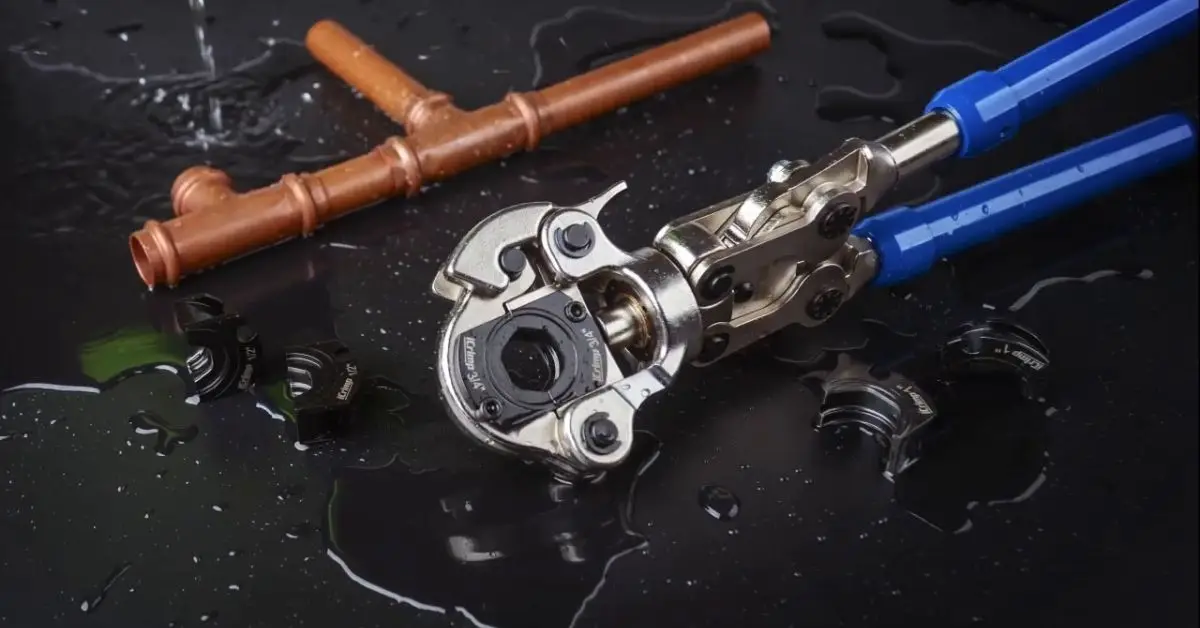
 Pipes can be joined using traditional methods, but such procedures require considerable patience and experience. You are putting yourself in danger of starting a fire, sweating a copper joint, holding a torch, and cleaning up a mess for an hour. All of these things are happening simultaneously. On the other hand, press fittings for HVAC systems fundamentally transform the system. Using a mechanical compression tool, these press-type pipe fittings produce a water-impervious seal. No flame, no solder, and no waiting are required. Make sure the pipe is inserted, and then apply pressure to it.
Tento článok sa týka HVAC press fittings and how they work. You will discover the simple mechanical idea that makes them work. You’ll discover why these pipe fittings are the fastest, safest, and most reliable for today’s plumbing and HVAC systems. They are perfect for both experts and DIYers who repair HVAC systems.
Obsah
HVAC Press Fittings a ich aplikácií
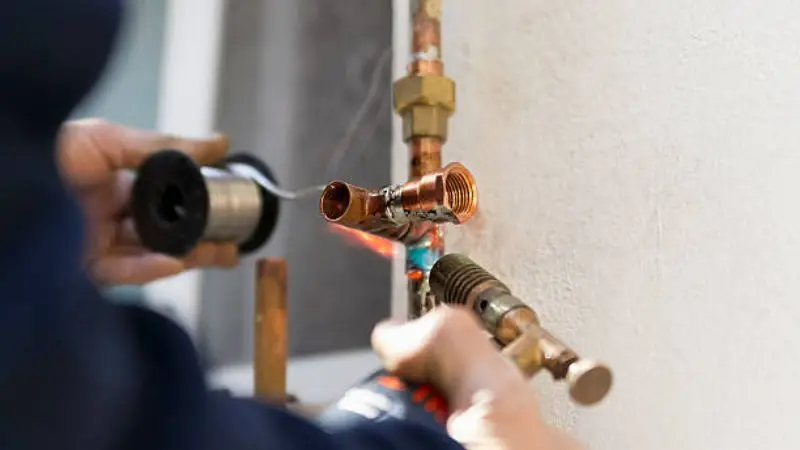
What are HVAC press fittings? Press fittings link pipes mechanically. Pipe fittings replace soldering tools. Insert the end. Then press the tool. The tool compresses the fitting. Heatless press fittings connect lines. They’re common in HVAC. This procedure joins copper pipes well. Saves time. Torch fires are avoided. The press-connect system allows this—simple mechanical action. Strong bonds result from this. Always a reliable joint. No expertise required. Cut the material to length. Insert it into the fitting. The pressing tool is used. Connection takes seconds.
Odporúčané pre váš projekt
What Is an HVAC Press Fitting Made Of?
Ako používať HVAC press fittings? Manufacturers produce copper pipe fittings. Copper pipes and fittings are matched.—stops the joints from rusting. Stainless steel pipe fittings. Stainless steel, anti-rust. It works well in challenging settings. Chemical lines in stainless steel. Fittings consist of three main parts. The outside is grooved. O-rings seal. The inner groove has Most O-rings made of EPDM. Rubber is chemical- and heat-resistant. The pipe fittings utilize HNBR O-rings. HNBR is high-temperature. The metal is hard. O-rings are used for sealing. They have a solid bond. Trust this joint for years. Materials work together to prevent leaks. O-rings are used for sealing. Every rubber has its own temperature range. Select the O-ring for the relevant system.
Kde sú HVAC Press Fittings Používa sa?
Sú press fittings good for HVAC? Pipes in homes: cooling and heating lines. Install refrigerant lines. Boiler water lines. Useful in commercial buildings. Large commercial systems have joints. Pipefitting accelerates work. Costs are lower due to lower labor costs. Jobs end faster. Install them in confined spaces and tough workplaces. No fumes, safer work. Pipe fittings of various sizes are used on fine lines. For strong lines. Copper tubing connects. PEX use. Pipe fittings are new and repaired. Line cut. Push the fitting. This pipe fitting preserves the inner diameter. They allow flow. HVAC needs flow. Smooth interior improves system efficiency. Increased equipment efficiency. System backup. They’re shut. No tightening.
Ako HVAC Press Fittings Create Secure Connections
How do HVAC press fittings work? The basic operation of these pipe fittings is very simple. You put the end of the pipe into the fitting. Then you have to use a special tool to squeeze the fitting. The tool crimps the metal body around the pipe. This mechanical motion forms a permanent link: no heat, no soldering, no waiting for it to cool. The connection is made in seconds.
Step-by-Step: How to Install an HVAC Press Fitting
How to install HVAC press fittings? The installation is a straightforward routine. Cut the pipe to the desired length. Use a tubing cutter to obtain a clean square edge. An incorrect cut can damage the O-ring during insertion. Then deburr the pipe end. Remove sharp edges and metal filings. Such particles can cut the rubber seal, eventually causing leakage.
After cleaning, you indicate the insertion depth on the pipe. Most fittings contain a depth gauge, or you can measure by hand. This symbol indicates that the pipe is fully inside the fitting. Then you shove the pipe into the fitting until it hits the mark. The pipe must butt up against the inner stop.
Teraz umiestnite pressing tool over the fitting. The tool’s jaws enclose the exterior body. You pull the trigger, and the instrument exerts a uniform pressure. The jaws are closed with controlled force. The metal body bends and snaps around the pipe. The whole pressing operation lasts only around three seconds. You do this for every single joint in your HVAC systems. Each connection takes less than a minute.
Why Does a Press Fitting Stay Tight?
Sú press fittings suitable for HVAC? Compression is important. Devices that leave lasting dents on bodies. Dip for pipe fitting. Strong metal-to-metal. O-ring seal. The groove retains the fitting’s O-ring. Good pressure is achieved by tightening the groove. All pipe-fitting body gaps are rubber-deformable. Proof against water and gas. Each side of the rubber compresses. Never softer. It stops seal vibration. Active HVAC systems change often. Refrigerant lines expand and contract. Fans spin—compressors quake. Pipe-to-pipe pieces are held mechanically- the ring is compressed under pressure. These fittings work better than linking copper pipe with a rubber seal and metal grip. Perfect joints for years—all fit. The weaker joints never fail under load.
Aké sú výhody HVAC Press Fittings?
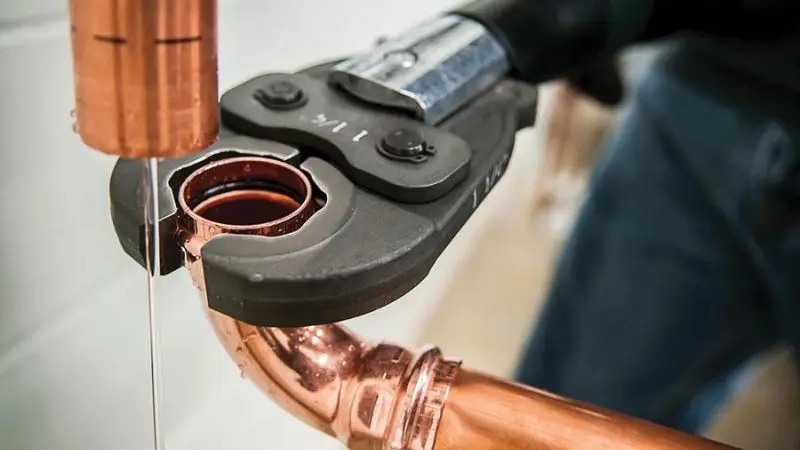
HVAC press fittings installation guide offers some real-world advantages for experts working on refrigerant and HVAC systems. They save installation time, simplify the connection process, and deliver consistent results without an open flame. Here’s a look at the key characteristics that make press fittings a convenient choice for modern HVAC work.
Rýchlejšia inštalácia
What are HVAC press fittings? Time at work matters. Quickly install a press fitting. Traditional soldering takes time. Start burning. Tubing clean. Flux transfer. Heat the joint. Expect soldering. Cool the joint. Many connecting minutes. Stepless press-fittings. Tube cutting. Tube deburring. Match tube and fitting—Utilise tool. Joints end. Save hours on projects. Work styles evolve quickly. Perform faster—cheapens labor. Your customers spend less. More work is possible. Speed helps in tiny spaces. Torch replacement: pipe fittings. Get around obstacles fast. Pipe cooling is useless. Continue joint push. Continue working. Do not cool joints. Untested for solder flow. Press tool joints match.
No Soldering or Open Flame
Ako robiť HVAC press fittings work? Plumbing safety. Fire-preventive. Wood choice—workspace insulation. Fuel stations are fireproof. Not burning. Avoid sprinklers. Fumes harm buildings. Failed firewatching. Work without hot permits. Avoid paperwork and oversight. Fire prevention cleans air. Volatile solder. Smoking damages lungs. Needed air. Sometimes you need respirators. Drain cooling and heating pipes. Crawlspace offices. Loft offices. From home. Air that lasts. Breathe freely. Staying healthy. Gas-free pipe fittings might damage delicate appliances. Computers and electronics are safe. Smoking cessation hurts. Fully frozen pipe. Nature protection. Prevent insulation melt at the pipe joints. Good HVAC. Removed fixtures last decades.
Sú HVAC Press Fittings Better Than Soldered Fittings?
Sú press fittings good for HVAC? It depends on what’s most important to you. Both methods create robust, enduring connections for copper pipe. But they vary in pace, safety, and expertise required. You have to think about these things before you decide.
HVAC Press Fittings vs. Soldered Fittings
| faktor | Lisovacie armatúry | Soldered Fittings |
| Čas inštalácie | Seconds per joint | Minúty na kĺb |
| Otvorený plameň | nikto | Potrebný |
| Úroveň zručnosti | Minimálny tréning | Roky praxe |
| Riziko požiaru | Eliminovaný | Constant hazard |
| Konzistencia kĺbov | Identical every time | Varies with technique |
| Pracovné podmienky | Any environment | Ventilation needed |
How to install HVAC press fittings? Press fittings are faster, safer, and more consistent than traditional soldering on HVAC systems. No torch setup, heating, or cooling is required to complete a connection in seconds. This saves person-hours and lets contractors get more tasks done efficiently. Press fittings reduce fire hazards around insulation, wood, and occupied structures by eliminating open flames. The crimping tool applies even pressure, helping to make reliable connections without the usual soldering faults. The increased first cost of press tools can be mitigated by faster installation and decreased hot-work needs. For common HVAC applications, press fittings offer fast installation, reliable sealing, and predictable operation, reducing frustration.
Aké typy HVAC Press Fittings Are Available?
How long do HVAC press fittings last? Press fittings exist in numerous materials and configurations for a variety of piping systems and installation needs. The selection of the appropriate type depends on the pipe material, the system application, and the connecting requirements. Here are some common HVAC press-fitting options to consider.
Copper Press Fittings
Are HVAC press fittings reliable? Air conditioners use copper pipe fittings. Copper pipe is found in homes and businesses. Copper is a pipe material. Pairs reduce galvanic corrosion at junctions—a long-term partnership—with no decline over 40 years. Install piping for water and refrigerant. Change them routinely on HVAC systems. Copper is operational at ordinary temperature and pressure. O-ring: The vast majority of these fittings are provided with EPDM O-rings. Copper survives. Joint stiffening. Same as pipe. Simple to install. Copper tubing length. Deburr end. Instrument use. Pipe fitting in full swing. Copper press fittings safeguard the pipes. The joint still works. Interior smooths flow and efficiency.
Stainless Steel Press Fittings
Ako používať HVAC press fittings? Corrosion-resistant stainless steel press fittings. The industry has to employ them. Used at sea. Stainless steel resists rust and chemicals. This pipe fitting is suitable for high-pressure and high-temperature applications. Pipe – stainless. Firefighting. The steam pipe. Material selection depends on system needs. Copper is more expensive than stainless steel. Sometimes, less is best. You will need HNBR O-Rings and stainless steel fittings for the hot temps. HNBR is heat-resistant. EPDM is not for extreme sealing. The job gets done fast. Laying pipe. Get a tool. Connect immediately. Long system joints are robust. Two press fittings are convenient . Easy to mount. No flames in the hole. Reliable findings. The fittings can be made from either copper or stainless steel.
Záver
HVAC press fittings are a safe, fast and dependable alternative to traditional connection methods. The goal is to use mechanical compression to create a leak-free, tight junction. You place the pipe in the joint, and you smack the tool, and it’s sealed. Consider fittings for your next HVAC installation. They save time. They cut the risk. The proper selections and installations should be done by a professional specialist. They can assist you in finding the right fit, o-ring and substance for your system. This is a method used in the HVAC industry. Year after year, more and more professionals choose to press fittings for speed, safety and dependable results. You need your HVAC systems to work properly through each and every joint.
Často kladené otázky
Can You Use Press Fittings on Refrigerant Lines?
Yes, press fittings are ok for refrigerant lines. Copper press fittings work great. Refrigerant leakage gas-tight o-ring seals. Choosing the correct O-ring material for your refrigerant is essential. Check specs from the manufacturer before installing.
Do Press Fittings Restrict Water Flow?
Nope. The push fitting does not obstruct the water flow. The pipe is the same as the internal diameter of the fitting body. Smooth inside allows water and refrigerant to run freely. Your HVAC system is joint to joint. No pressure decreases = effective operation.
How Long Do Press Fittings Last?
Properly placed press fittings survive for decades. The body is made of copper or stainless steel and is resistant to corrosion. The seal of the compressed O-ring remains over the time. No need to re-tighten these fittings. The pipe is firmly held by the mechanical grip. Your connection remains leak-proof throughout the life of the system.
Can You Install Press Fittings in Tight Spaces?
Yes, press fits are good in confined spaces. The pressing tool is suitable for tight spaces where a torch cannot go. You prevent the fire hazard of soldering near wood or insulation. You safely work in attics and crawlspaces. The elimination of fumes makes installation safer in enclosed spaces.
Do You Need Special Training to Use Press Fittings?
Jednoduché použitie, press fittings require minimal training. It is a simple set of steps. You cut the pipe, deburr the end, install the fitting and press the tool. The tool applies the same force each time. You will see the same outcomes in each joint. This ease of use makes press fittings a viable option for DIYers and experts alike.