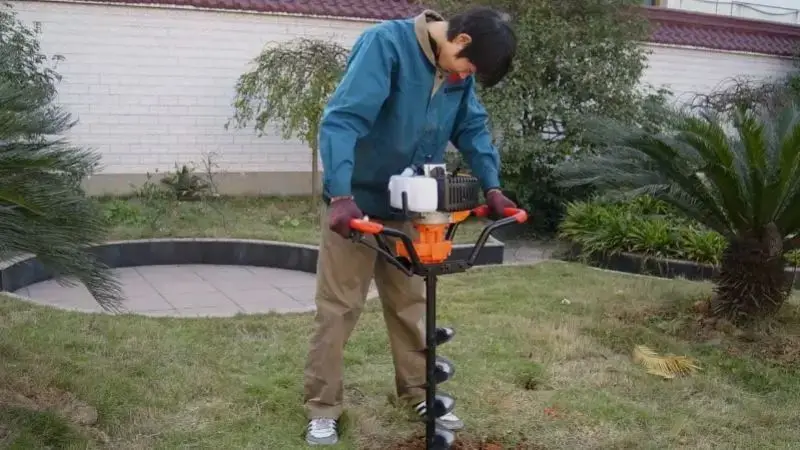
Hand-digging post holes is hard, back-breaking work. Fence post augers change all that. Power augers chew through hard dirt with ease, making a tough job faster. How to safely and successfully use a post hole borer. You will solve, run, and prepare for problems. We put safety first. Call utility locators before you dig. You need the correct safety gear. You control the use of fence-post augers, which handle the hard lifting.
In this article, we’ll review how to properly and successfully utilize a vrták na plotové stĺpiky to drill clean, consistent holes with less physical effort. You’ll also get safety guidelines, proper digging techniques, and guidance on preparing for a successful fence installation.
What You Need Before Using a Fence Post Augers
Ako používať a vrták na plotové stĺpiky? Get the correct tools and learn about your equipment before you start digging. Good preparation keeps you safe and eliminates frustration. You will need more than the machine. A thorough checklist will save you from being in the middle of a project looking for things you’ve misplaced.
Kontrolný zoznam nástrojov a vybavenia
Your primary tool is the motorized auger itself. This equipment is available in gas-, electric-, or battery-operated variants. Both types are good for residential fence construction. You also need the best auger for fence posts attached to the machine. The bit is the metal spiral thing that drills into the ground. Gather a simple tool kit outside the machine. Use a tape measure to get the spacing for the holes right. Mark the fence line using wooden stakes and string. A level helps you make sure each fence post is properly vertical. You will also need a shovel to remove loose dirt from the bottom of each hole. A wheelbarrow is a great tool to get excavated soil away from the work area.
Safety equipment is not negotiable. Personal safety equipment must always be worn. This includes safety eyewear to protect your eyes against flying debris. Wear heavy-duty work gloves to protect your hands from vibration and sharp edges. If the machine slips, steel-toed boots will protect your feet. Ear protection is important too, especially with loud gas-powered machines. You should also prepare the work site before you use the machine. Call your local utility locating service to have the location of subsurface wires marked. This phase takes a few days, so plan. Remove any rocks, roots, or debris from the area that could damage the bit. Spray paint each hole site so you know exactly where to dig.
How to Choose the Right Auger Bit
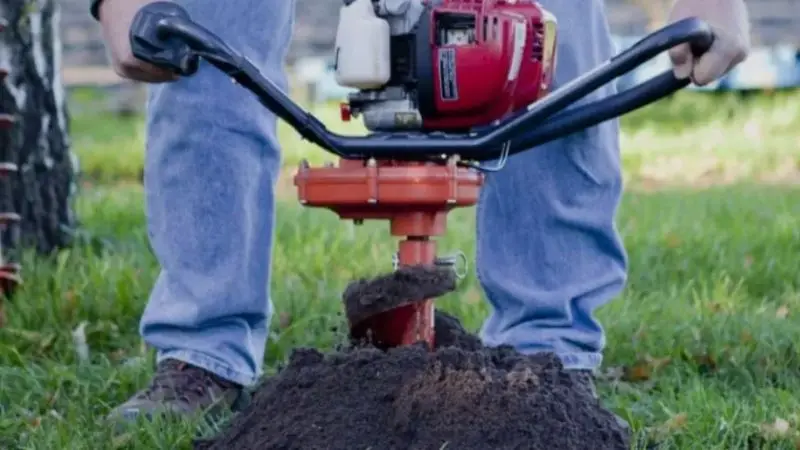
The quality of your machine depends on the auger bit. Bits are available in many different sizes and lengths. The diameter needs to match your fence post. The rule of thumb is to make the hole three times the post’s diameter. If the post is 4 inches in diameter, you’ll want a 12-inch bit. This extra width makes clearance for concrete around the post. The bit length determines how deep you can delve. Most household bits are between 12 and 36 inches in length. Use a longer bit if you need deeper holes for tall fences or gates. Also consider your soil type. Rocky or clay-heavy soil needs to be hardened. These teeth are more wear-resistant and will cut through tough ground more easily. A basic steel bit works well in sandy or loamy soil.
The first rule of learning to use a post hole borer is to use the right bit for the job. If the bit does not match, the machine has to work harder. This slows you down. Test your soil and measure your posts. This one simple action will save you hours of frustration later on. When you use a post hole auger with the appropriate bit, the machine does the hard work for you, and it does it well. The proper arrangement makes a hard job easy. Select carefully, and your best fence post auger will last for years to come.
How to Operate the Auger Safely
Ako kopať fence post holes with an auger? Always put safety first when you operate a fence post auger. Dig, keep your hands on the grips, and keep your balance. Keep others, especially children, away from the spinning bit when the machine is running. Do not touch, clean, or remove dirt from the bit until the auger has stopped. Always switch off the machine before changing parts or making adjustments. The auger may hit roots or rocks, and the equipment may shift abruptly, so be prepared for some sudden resistance. Before use, read and follow the manufacturer’s operating recommendations.
How to Handle Roots and Tough Soil
Not every place you dig has soft, easy-to-drill dirt. The best post hole auger can encounter thick roots, hard clay, compacted earth, gravel, or concealed material that can impede the job or produce surprising resistance. If there is significant resistance, stop and turn off the machine before inspecting the obstruction. With a digging bar or an equivalent cutting tool, break apart thick roots. Work slowly in hard clay, clearing soil from the bit when necessary. Manually remove any loose gravel and concealed debris. Do not force the auger through an impediment.
How to Finish the Hole After Augering
Akonáhle hole is drilled, inspect the hole before putting in the fence post. Depth needs to be measured correctly for your project. Clear away any loose dirt, rocks, and debris from the bottom to support your post. The hole should be the correct size for your post and the equipment you will use to install it. Check the straightness of the hole with a spirit level. Correct the sides and depth before you set it in the post. The preset hole makes installation easier.
Rýchly kontrolný zoznam bezpečnosti
Ako používať a šnekový dopravník? Before you start excavating, it’s important to do a few basic safety checks. This will help you maintain control of the task at hand and reduce the chances of errors. Make sure your personal protective equipment, job location, and equipment are all ready. This is done using the checklist provided below.
| Before Digging | During Digging |
| Check the auger and bit | Keep others away |
| Locate underground utilities | Keep both hands on the auger |
| Mark hole locations | Turn off before adjustments |
| Noste rukavice a čižmy | Stop for rocks or roots |
| Noste ochranné okuliare | Maintain a stable stance |
How Deep Should a Fence Post Hole Be?
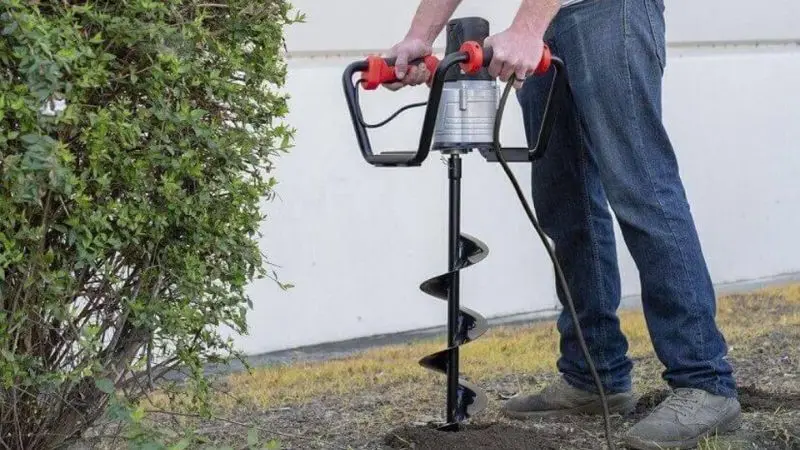
But getting the depth is as crucial as choosing the right bit. How sturdy your fence will be depends on the depth of the post hole. The best fence post auger is set in a shallow hole so that it can tilt or shift over time. If you go too deep, you are wasting work and concrete. Follow the normal principles, but modify them to your soil. This ensures that each post will stand strong for years.
General Fence Post Depth Guidelines
A basic rule governs most fencing projects. You need to have a third of the post’s overall length in the ground. What size auger for fence posts? That requires a 2-foot-deep hole for a 6-foot post. For taller fence or gate posts, increase the depth to one-half the length of the post. These deeper holes offer additional strength where the fence needs it most. Frost depth is also a concern in cold climates. You’ll have to get below the frost line in your area. This prevents the post from being pushed up by the ground during freeze-thaw cycles. Check your local building codes for the minimum frost depth. In various places, the depth ranges from 24 to 48 inches.
Your maximum depth is determined by the bit length you choose. Most household pieces are 12 to 36 inches long. Choose the best post hole auger to reach the depth you need for your project. When you dig a post hole, make sure the bit goes down to the depth you want. You should dig post holes at a uniform depth along the fence line. This maintains the top of the fence level and looks professional.
How Soil Type Affects Hole Depth
Soil types need varied hole depths. Sandy soils are well-drained yet hold less water. For sandy soil, you may need to dig deeper holes to anchor the post securely. Go beyond the typical one-third rule for sandy terrain. But clay soil is different. It swells when wet and shrinks when dry. This motion can loosen a post over time. Dig clay holes broader and deeper than the minimum. This increases the concrete’s surface area, helping it resist movement.
Rocky soil is hard to excavate, yet when found, it is stable. You can utilize the typical depth recommendation for rocky soil. The rocks themselves are inherently stable. You may, however, have to remove huge rocks from the bottom of the hole. This ensures the best auger for fence posts is level and straight. Always test your soil before you begin. First, dig a test hole. This shows you how deep you need to go. It also indicates how the soil responds. Adjust according to your findings. This saves time and prevents difficulties later. Take time to set up post supports appropriately. Your fence will stay straight for decades.
Záver
Now you have a detailed, step-by-step guide to a fencing project. You learned to prepare tools, select bits, and judge depth. The power auger makes hard work faster. Dig each post hole with confidence and precision. Remember the key safety tips. First, call utility locators. Always use safety glasses, gloves, and steel-toed boots. These habits Will Protect You At Work. Practice makes perfect with post hole augers. Each hole teaches you something new. You will soon be operating fence post augers naturally. Now you may use a post hole borer. Well-dug holes make a well-built fence. You have the know-how to do it. Go out there and create something that lasts.
Často kladené otázky
What Should I Do If I Hit a Rock?
Stop the machine immediately. Remove the bit from the hole. Use a digging bar or pry bar to break up the rock. If the rock is too large, move your hole location slightly. You can also use a rock chisel to split it. Never force the auger through rocks.
How Do I Keep the Hole Vertical?
Mark your hole location clearly. Position the auger directly over the mark. Use a level placed against the shaft to check alignment. Adjust your stance and grip to keep the machine straight. Pull the trigger slowly and let the bit find its path. Check the level frequently as you dig.
Can I Use the Power Auger in Wet or Muddy Conditions?
Yes, but proceed with caution. Wet soil can cause the bit to clog or stick. Work slowly and clear the bit often. Avoid operating in standing water. Mud can make the machine slippery and hard to control. Wait for drier conditions if possible. Your safety matters more than speed.
How Should I Maintain My Post Hole Auger After Use?
Clean the bit thoroughly after each job. Remove all dirt and debris with a wire brush. Wipe down the shaft with a light oil to prevent rust. Check bolts and connections for tightness. Store the machine in a dry place. Regular maintenance extends the life of your equipment.
Do I Need a Helper When Using a Fence Post Auger?
A helper makes the job safer and easier. One person operates the machine while the other guides the handles. This teamwork helps maintain control, especially in tough soil. You can manage alone with smaller models, but two people work best. Always communicate clearly before starting.