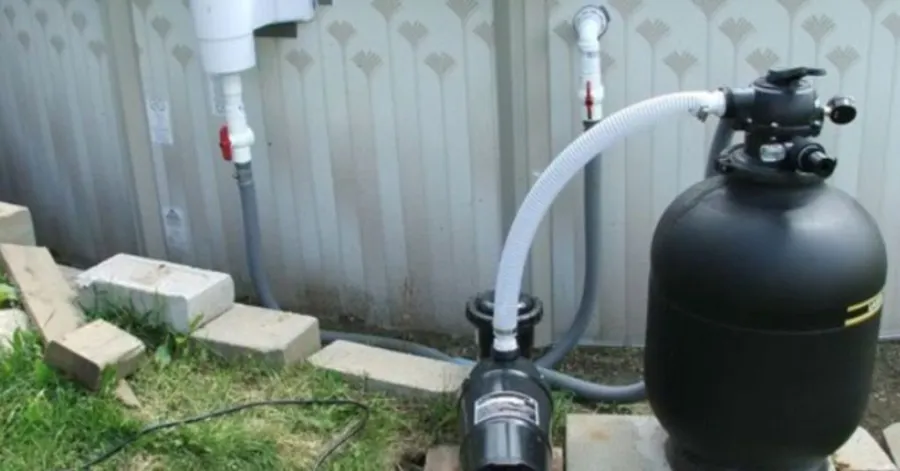
насос для бассейна Насос является центральным элементом системы циркуляции воды в вашем бассейне, помогая поддерживать чистоту, прозрачность и безопасность воды для купания. Тем не менее, многие владельцы бассейнов не знают, как долго нужно включать насос для бассейна, чтобы добиться оптимальных результатов без чрезмерного потребления электроэнергии. Оптимальное время работы зависит от различных факторов, таких как размер бассейна, погода, температура воды и ежедневное использование. Недостаточное время работы насоса может привести к неэффективной фильтрации, в то время как чрезмерное время работы может увеличить затраты на электроэнергию. В этом руководстве описано... Как долго следует включать насос? в течение каждого сезона и при любых условиях, чтобы обеспечить чистоту воды в бассейне.
Содержание
Как долго следует включать насос для бассейна каждый день?
Подходящее время для запуска вашего насос для бассейна Насос имеет решающее значение для получения чистой и здоровой воды. Если насос работает недостаточно долго, в нем могут накапливаться мусор и загрязнения. Работа насоса сверх необходимого времени не приводит к значительному увеличению затрат на электроэнергию.
Оптимальный график работы зависит от размера вашего бассейна, погоды, системы фильтрации и частоты использования. Знание того, сколько времени должен работать насос вашего бассейна каждый день, поможет вам поддерживать надлежащую циркуляцию воды и более эффективно использовать энергию.
Рекомендуется для вашего проекта
Общее время работы для частных бассейнов
Многие владельцы бассейнов задаются вопросом: как долго следует включать насос для бассейна, чтобы вода оставалась чистой и прозрачной? Оптимальная продолжительность работы составляет от 8 до 12 часов в день для большинства частных бассейнов. Это позволит системе фильтрации прокачивать воду и удалять грязь, мусор и другие загрязняющие вещества.
Для повышения эффективности большинство домовладельцев делят время работы насоса на два сеанса: один утром, другой вечером. Это обеспечит регулярную циркуляцию воды в течение дня и поможет минимизировать нагрузку на систему. В случае мутной воды или появления первых признаков водорослей можно временно увеличить время работы, чтобы восстановить прозрачность воды. Один из самых простых способов узнать, сколько времени должен работать насос бассейна в день без потери энергии, — это следовать этому распорядку.
Размер бассейна и время работы насоса в сутки
Один из важнейших факторов, влияющих на продолжительность... насос для бассейна Рекомендуемый режим работы фильтра зависит от размера бассейна. В больших бассейнах больше воды, и, следовательно, требуется более длительный цикл фильтрации, чем в маленьких.
Вообще говоря:
- До 10 000 галлонов: 6–8 часов
- 20 000–30 000 галлонов: 8–10 часов
- 20 000–30 000 галлонов: 10–12 часов
Это лишь отправная точка для данных рекомендаций, и вам необходимо скорректировать время работы в зависимости от прозрачности воды, количества мусора и общего использования бассейна.
Влияет ли тип бассейна на время работы насоса?
Независимо от того, является ли ваш бассейн над землей Для бассейнов, расположенных в земле, рекомендуемое время работы аналогично. Объем воды, качество фильтров, погода и активность купающихся существенно влияют на конструкцию бассейна.
Необязательно сосредотачиваться на типе бассейна, но следует регулярно проверять качество воды. Если вода остается чистой, а химический состав воды ровный, значит, насос, скорее всего, работает оптимальное время. Сезонные корректировки, такие как небольшие изменения в зависимости от сезонных колебаний и ежедневного использования, помогут поддерживать эффективную циркуляцию воды без высоких эксплуатационных расходов.
Что влияет на время работы насоса бассейна?
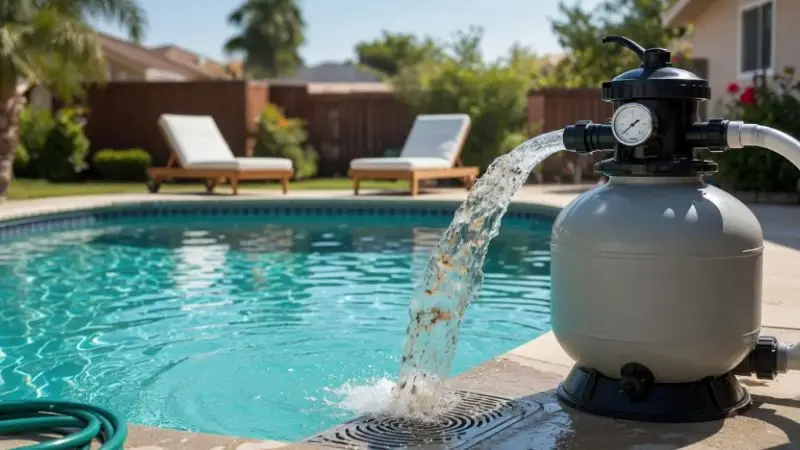
Рекомендуемое время выполнения насос для бассейна Это может зависеть от бассейна. Хотя большинству частных бассейнов требуется несколько часов фильтрации в день, такие условия, как размер бассейна, погода и температура воды, могут изменить оптимальное время. Эти факторы помогут вам экономить чистую воду, не включая насос дольше, чем необходимо.
Вместо того чтобы придерживаться одного и того же графика работы насоса круглый год, корректируйте график работы насоса в зависимости от условий в вашем бассейне. Это улучшит поток воды, повысит эффективность фильтрации и поможет вам определить, как долго должен работать насос для бассейна, чтобы добиться оптимальных результатов.
Размер бассейна
Одним из важнейших факторов при определении Как долго должен работать насос для бассейна? Каждый день работы зависит от размера бассейна. В больших бассейнах больше воды, поэтому системе фильтрации потребуется больше времени для её очистки. В маленьких бассейнах, как правило, требуется меньше времени для работы из-за меньшего объёма фильтруемой воды. Перед планированием дня необходимо оценить объём воды в бассейне и оценить её прозрачность. Регулируя время работы в зависимости от размера бассейна, можно поддерживать чистоту воды, избегать лишних затрат на электроэнергию и минимизировать износ насоса.
Тип и скорость насоса
Тип насос Выбор режима работы также влияет на оптимальное время работы. Односкоростные насосы не меняют скорость вращения и, следовательно, как правило, завершают процесс фильтрации за меньшее время, но потребляют больше энергии. Насосы с регулируемой скоростью могут работать на более низких скоростях в течение более длительного времени при значительно меньших затратах электроэнергии. Хотя они могут работать дольше, они потребляют меньше энергии и эффективно циркулируют воду. Выбор подходящего графика работы для вашего типа насоса повышает эффективность фильтрации и помогает лучше поддерживать ваш бассейн в долгосрочной перспективе.
Температура воды
Температура воды напрямую влияет на график работы насоса. Теплая вода способствует более быстрому росту водорослей, бактерий и других микроорганизмов. В жаркую погоду может потребоваться увеличить время фильтрации, чтобы обеспечить чистоту воды и равномерное распределение химических реагентов. Более низкие температуры естественным образом снижают скорость роста водорослей, что позволяет сократить время ежедневной работы. Сезонная корректировка в зависимости от температуры воды — хороший способ определить продолжительность купания. насос для бассейна Следует продолжать движение и избегать загрязнения или нанесения вреда воде.
Как долго должен работать насос для бассейна летом?
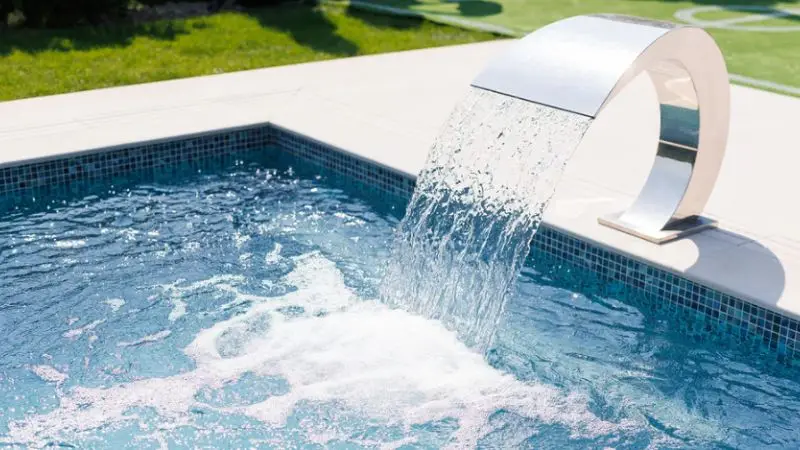
Летом большинство бассейнов наиболее загружены, а это значит, что вашей системе фильтрации приходится работать интенсивнее. Повышение температуры, интенсивность солнечного света и увеличение использования бассейнов приводят к ускоренному росту водорослей и изменениям химического состава воды. Регулярная откачка воды обеспечит чистоту и здоровье воды на протяжении всего сезона.
Вопрос в том, как долго это продлится. насос для бассейна Летом его следует запускать, время работы зависит от погоды и частоты использования бассейна. Частые проверки позволят контролировать время работы и обеспечивать надлежащую циркуляцию воды без лишних затрат энергии.
Время работы насоса в жаркую погоду
В течение всего лета, насос Фильтрация большинства частных бассейнов должна проводиться от 10 до 12 часов в день. Дополнительное время фильтрации поддерживает циркуляцию воды, равномерно распределяет химические вещества и предотвращает рост водорослей и бактерий в условиях высокой температуры.
Для повышения эффективности большинство владельцев бассейнов делят время работы насоса на два периода, например, утром и поздно вечером или днем. Это обеспечивает постоянный поток воды в течение дня и избавляет от необходимости непрерывной работы. В регионах с очень высокими температурами может потребоваться увеличить время работы насоса, пока вода не станет постоянно чистой. Периодический мониторинг качества воды и уровня химических веществ поможет определить оптимальную продолжительность работы насоса летом для конкретного бассейна.
Время работы насоса после интенсивного использования бассейна
В дни интенсивного купания ваша система фильтрации бассейна испытывает дополнительную нагрузку. Каждый пловец добавляет в воду солнцезащитный крем, кожный жир, грязь и другие загрязняющие вещества, поэтому требуется более интенсивная циркуляция. Как правило, достаточно увеличить время работы насоса на один-два часа после вечеринок у бассейна или выходных с высокой интенсивностью использования, чтобы улучшить фильтрацию и восстановить качество воды.
Когда вода становится мутной или уровень хлора начинает снижаться, включите фильтр. насос до тех пор, пока вода не станет чистой, а химический состав не вернется к нормальным значениям. Эти временные корректировки помогают поддерживать чистоту бассейна, улучшают циркуляцию воды и минимизируют вероятность роста водорослей в самый активный период купального сезона.
Как долго должен работать насос для бассейна зимой?
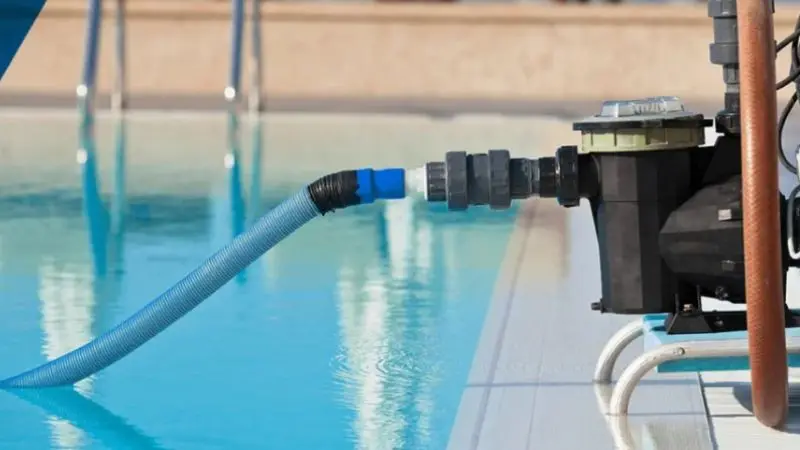
Зимняя погода влияет Как следует ухаживать за вашим бассейномБолее низкие температуры замедляют рост водорослей и снижают потребность в фильтрации, что позволяет сократить количество ежедневных циклов работы насоса и при этом поддерживать чистоту и сбалансированный состав воды.
Понимание продолжительности работы насоса для бассейна зимой — это способ сэкономить энергию и одновременно не ухудшить качество воды. Если в вашем регионе бывают минусовые температуры, вам также необходимо защитить насос и водопровод от повреждений, вызванных холодной погодой.
Рекомендуемое время работы насоса в зимний период
Зимой достаточно запустить только насос для бассейна В большинстве климатических зон фильтрация занимает от 4 до 6 часов в день. Холодная вода, как правило, замедляет рост водорослей и бактерий и сокращает циклы фильтрации. Такое сокращение времени помогает поддерживать качество воды и снижать потребление электроэнергии.
В теплом климате, когда бассейны открыты круглый год, вам может потребоваться немного увеличить время работы насоса. Периодическая оценка прозрачности, химического баланса и наличия мусора в воде поможет определить, как долго насосу бассейна необходимо работать зимой, в зависимости от состояния вашего бассейна.
Как защитить насос для бассейна от замерзания
Когда вода замерзает в вашем насосНизкие температуры могут повредить трубы и другое оборудование бассейна. Один из наиболее эффективных способов избежать дорогостоящего ремонта — поддерживать циркуляцию воды в холодные ночи.
В морозную погоду:
- Включайте насос на ночь, когда ожидается понижение температуры ниже нуля.
- Очистите корзину бассейна и скиммера от листьев и мусора.
- Проверьте насос, фильтр и трубопровод на наличие протечек или трещин.
- Накройте бассейн, если он не будет использоваться в течение длительного периода времени.
Большинство современных насосов для бассейнов имеют функцию защиты от замерзания, которая включает насос при слишком низких температурах. Эта функция и настройка зимнего графика значительно помогут защитить ваше оборудование и поддерживать чистоту воды в бассейне в зимние месяцы.
Следует ли включать насос для бассейна днем или ночью?
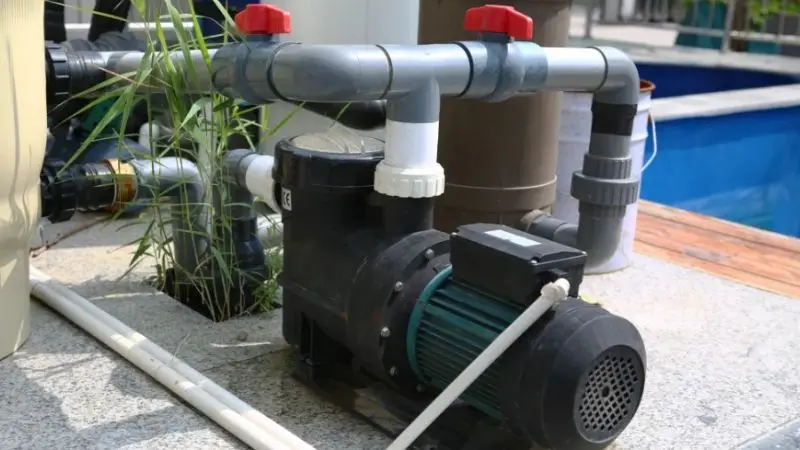
Качество воды, энергопотребление и общее обслуживание бассейна зависят от того, как долго вы используете свой бассейн. насос для бассейнаДневная и ночная работа могут быть оптимальными, поэтому выберите лучшее расписание, исходя из интенсивности использования бассейна, местной погоды и тарифов на электроэнергию.
Если вы спрашиваете, следует ли оставлять насос бассейна включенным на весь день, ответ — нет. Большинству частных бассейнов не требуется много времени работы для надлежащей циркуляции и фильтрации воды. Что касается работы насоса, то выбор подходящего времени для его включения может быть более важным, чем постоянная его работа.
Работа насоса бассейна в течение дня
Рекомендуется включать насос бассейна в течение дня, особенно в жаркие солнечные дни, чтобы поддерживать качество воды. Воздействие солнечного света стимулирует рост водорослей и способствует потере хлора, в результате чего вода высвобождается в течение дня, что помогает равномерно распределить химические вещества и обеспечивает эффективность дезинфицирующего средства. Если у вас большой бассейн, и вы часто пользуетесь им в течение дня, также более эффективно включать насос бассейна в течение дня. насос Одновременно с этим удаляются грязь, солнцезащитный крем, листья и другой мусор. Утренняя прокачка воды с добавлением химикатов также является эффективным способом улучшить циркуляцию воды и поддерживать баланс в бассейне в течение дня.
Работа насоса бассейна ночью
Экономия электроэнергии за счет эксплуатации насос для бассейна Добавление химикатов ночью возможно, если у вашей коммунальной компании действуют более низкие тарифы в непиковое время. Это также обеспечивает эффективную циркуляцию воды, а низкие температуры уменьшают испарение. Если добавлять химикаты ночью, то ночная работа позволит им хорошо циркулировать до того, как дневной свет начнет снижать концентрацию хлора. Многие домовладельцы могут придерживаться этого графика и при этом иметь чистую и здоровую воду в бассейне.
Как выбрать оптимальное время для работы насоса бассейна
Нет бассейнов, подходящих для всех. Ваш насос Насос следует включать в наиболее подходящее время, в зависимости от погодных условий, активности бассейна и тарифов на электроэнергию в вашем регионе. Для обеспечения постоянной циркуляции в течение всего дня многие домовладельцы предпочитают распределять время работы насоса между утром и вечером. Регулярные проверки прозрачности воды и химического баланса помогут вам определить наиболее эффективный график, не задаваясь вопросом, должен ли насос бассейна работать весь день.
Итоги
Зная, как долго насос для бассейна Регулярная ежедневная фильтрация поможет поддерживать чистоту воды и предотвратит превышение затрат на электроэнергию. Большинству частных бассейнов требуется фильтрация в течение 8-12 часов, но оптимальный график зависит от размера бассейна, сезонных погодных условий, качества воды и активности купающихся. Небольшие изменения, внесенные летом, зимой или при интенсивном использовании бассейна, гарантируют хорошую циркуляцию и здоровую воду. Регулярный мониторинг вашего бассейна и выбор оптимального времени работы фильтра позволят повысить эффективность фильтрации, продлить срок службы оборудования и поддерживать чистоту и порядок в бассейне круглый год.
FAQ
Как часто вы проверяете работу насоса вашего бассейна?
График работы насоса бассейна следует проверять еженедельно. Это поможет поддерживать чистоту воды и выявлять проблемы на ранней стадии.
Вы будете использовать насос в бассейне?
Да, насос для бассейна может работать с перегрузкой. Перегрузка – это пустая трата энергии и денег. Не используйте его, кроме как с чистой водой.
Что произойдет, если вы не будете достаточно часто включать насос для бассейна?
Если не использовать насос бассейна достаточно часто, вода в нем помутнеет или приобретет зеленый цвет. Существует риск образования водорослей, что делает купание небезопасным.