Is your mower leaving ragged, brown-tipped grass and wet clumps behind? A dull mulching blade is usually the cause. It tears grass instead of slicing it, and that stress invites disease. The good news is that learning how to sharpen mulching blades is an easy DIY job, and a polizor cu lamă pentru mașini de tuns iarba can make it even faster. Disconnect the spark plug, remove the mower blade, clean and inspect it, file the cutting edge at the factory bevel angle (usually 30 to 45 degrees), balance it, and reinstall it right-side up.
Recomandat pentru proiectul dvs
Cum să ascuți lamele de mulcire pas cu pas
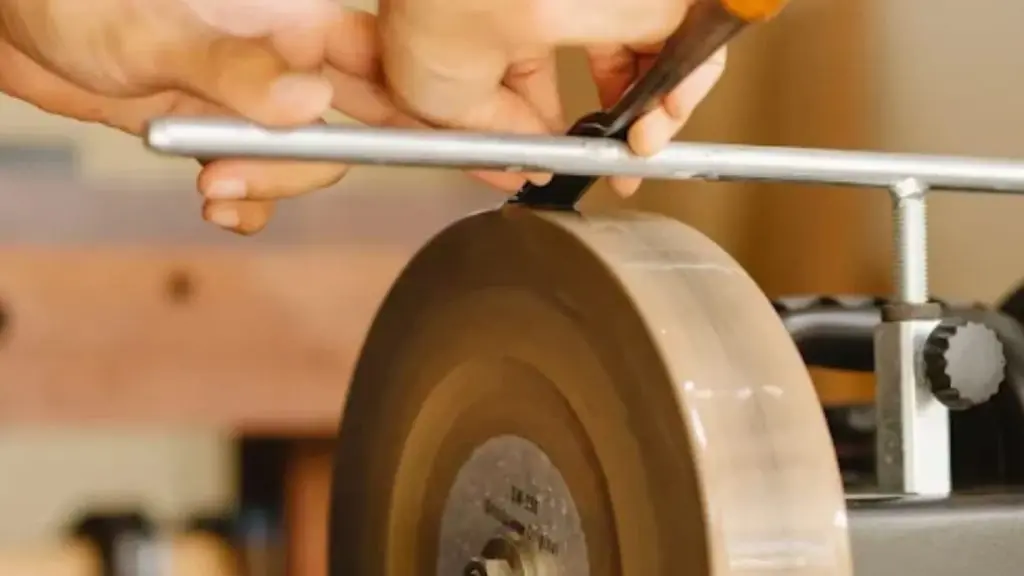
Iată cum se ascuțește o lamă de mulcire în aproximativ 30 de minute. Lucrați pe o suprafață plană cu lumină bună. Veți avea nevoie de o pilă metalică, o clemă sau o menghină, mănuși de lucru și ochelari de protecție. Înțelegerea modului lame de tuns iarba de fapt, munca te ajută să ascuți mai eficient lamele de mulcire.
Step 1: Safety & Disconnect
- Deconectați firul bujiei (mașină de tuns iarba pe benzină) sau scoateți bateria (mașină de tuns iarba electrică).
- Never skip this; a mower can turn over even with the key off.
- Înclinați mașina de tuns iarba pe o parte cu filtrul de aer în sus pentru a preveni inundarea carburatorului cu ulei și combustibil.
Step 2: Blade Removal & Inspection
- Wedge a block of wood against the blade to keep it from spinning.
- Loosen the center bolt using a wrench (usually a 5/8-inch or 15mm socket).
- Draw an arrow or mark the side facing the grass so you don’t reinstall the mulching blade upside down.
- Răzuiți iarba cu o perie de sârmă. Verificați dacă există crăpături, crestături sau îndoituri adânci. Dacă lama de mulcire este crăpată, aruncați-o.
Step 3: Secure & Sharpen
- Secure the sharp mulching blade tightly in a bench vise with the cutting edge facing up.
- Urmați unghiul de înclinare din fabrică (30 până la 45 de grade). Nu creați un unghi nou.
- Push the file in one forward direction, away from the blade. Lift the file on the return stroke. Five to 10 passes are usually enough.
- Încearcă să tai o bucată de hârtie. O lamă ascuțită de mulcire o feliază curat; una tocită o rupe
Pasul 4: Echilibrați lama
- Hang the blade’s center hole on a wall nail or screwdriver.
- If one side dips downward, file a little more metal off that heavy edge until the blade hangs perfectly level. Unbalanced mulching blades cause heavy mower vibrations.
Pasul 5: Reinstalare
- Place the sharp mulching blade back on the mower with your marker sign facing down toward the grass.
- Blocați din nou lama de mulcire cu blocul de lemn, apoi strângeți șurubul central conform specificațiilor de cuplu din manual.
Aceasta este metoda completă pentru ascuțirea mașină de tuns iarba mulching blades at home. Sharpening mulching blades by hand takes patience more than skill.
Când se ascuțesc lamele de mulcire?
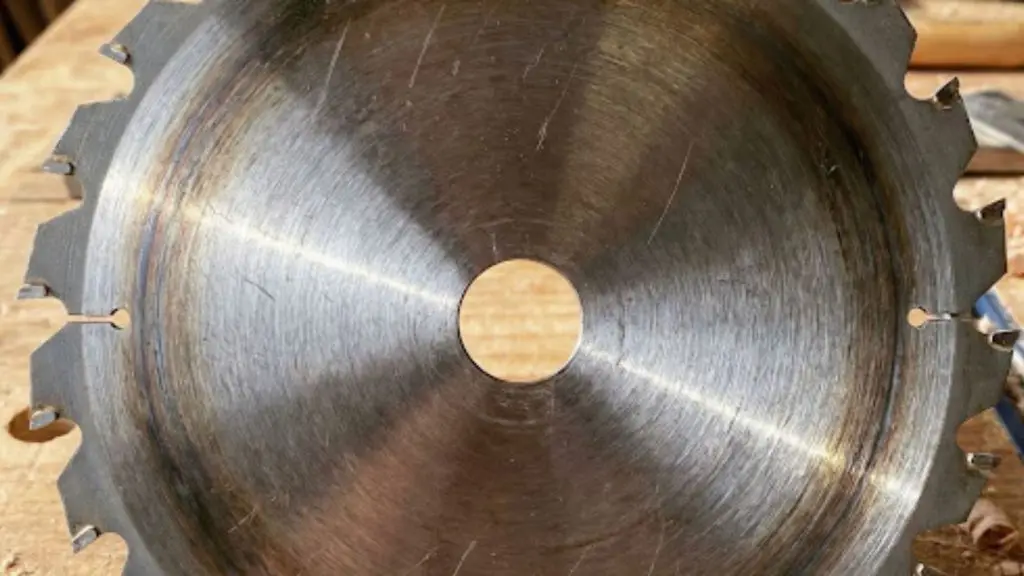
Check for the signs below before sharpening mulching blades. Not sure how to sharpen a mulching blade yet? How to sharpen lawn mower mulching blades is covered in the steps above.
Signs Your Mulching Blade Is Dull
- Vârfuri de iarbă rupte. Coborâți de pe gazon după ce ați tuns iarba. Vârfurile maronii și zdrențuite înseamnă că lama rupe iarba în loc să o felieze.
- Grămezi de resturi de iarbă. A sharp mulching blade recuts clippings into fine pieces. A dull blade leaves wet clumps across the yard.
- Tăiere neuniformă. Dungi ondulate sau neuniforme apar chiar și atunci când tundeți iarba pe linii drepte.
- Shaking and vibration. Vibrațiile puternice prin ghidon indică adesea o lamă a mașinii de tuns iarba tocită, îndoită sau dezechilibrată.
Spotted one of these? Most dull blades can be sharpened. Only a bent or cracked blade needs replacing.
How do you sharpen mulching blades without removing them?
First, disconnect the spark plug, tilt the mower, and file along the factory bevel. You need to know that removal is the better choice. If you still want to try, move on. The problem is that you can’t see the whole edge or check the mower’s balance. Removing the blade gives a safer, more even result, so use the steps above whenever possible.
Bevel Angle and Sharpness Level for Mulching Blade
The angle and the edge decide how well a sharp mulching blade cuts. Get both right, and the rest is easy. Too steep, and the edge chips on the first rock. Too shallow, and the blade never cuts cleanly. A little attention here saves you from sharpening again in a few weeks.
What angle should you sharpen a mulching blade at?
When you learn how to sharpen a mulching blade, match the factory bevel, which usually sits between 30 and 45 degrees. Changing the angle changes how the blade cuts. By using a mașină de tuns iarba cu mașină de tocat iarbaAscuțirea lamelor de mulcire a mașinii de tuns iarba la unghiul potrivit duce la mișcări constante și uniforme. O muchie mai abruptă devine fragilă. O muchie mai superficială lasă lama tocită.
Cât de ascuțită ar trebui să fie de fapt o lamă de mulcire?
Trebuie să înțelegi cât de ascuțită este lama unei mașini de tuns iarba should be. Sharp mulching blades don’t need to be shaved. A thin, mirror-like edge dulls quickly and chips fast on the first rock. A sharp mulching blade is firm and even, not paper-thin. When you learn how to sharpen a mulching blade, don’t chase a razor edge.
Dacă vă întrebați și dumneavoastră, lamele de mulcire ar trebui să fie ascuțite? Da, dar nu ca briciul. Nu le radeți. Marginea ar trebui să taie curat firul de iarbă. Dacă marginea taie ușor hârtia, este cam corect.
Tools for Sharpening Mulching Blades
Sharpening a mulching blade starts with the right tool for your comfort level. Here’s a quick comparison of the best lawn mower blade sharpeners pentru nevoile tale.
| Tip de instrument | Cele mai bune | Punct-cheie |
| Pilă metalică | începători | Full control, slow metal removal |
| Banc de piatră de moară | Lucru rapid | Menține unghiul de înclinare consistent |
| Atașament de găurit | Quick touch-ups | Light passes only |
| Ascuțitor de lame electric | Frequent sharpeners | Holds the angle for you |
Toate cele patru unelte funcționează pentru ascuțirea lamelor de mulcire. O singură pilă metalică este suficientă pentru majoritatea lamelor și costă puțin. banc de piatră de moară economisește timp, dar necesită o mână sigură. Pentru a menține o lamă de mulcire ascuțită, lăsați unealta să se sprijine pe teșitură. Lamele de mulcire au o formă unică, așa că modul în care le ascuțiți nu este chiar același ca în cazul unei lame standard. Înainte de a începe, este util să înțelegeți exact cum diferă cele două.
Mulching vs. Standard Blades
If you are considering mulching blades, you need to understand how sharpening a mulching blade is different from sharpening a standard blade. The answer is simple: sharpening a mulching blade is a bit different from sharpening a standard blade. Mulching blades have a long, curved edge, while regular blades are flat and straight. When you sharpen a mulching blade, you must follow that curved edge carefully. Make sure to sharpen the whole edge evenly. If you miss a spot, the blade will cut the grass unevenly and leave ugly clumps on your lawn.
| Caracteristică | Lama mulcitoare | Lama standard |
| Ultima generație | Longer and curved | Mai plat și mai simplu |
| Bevel | Adesea mai profund | Simpler |
| Cum să ascuți | Follow the full curved edge evenly | Follow the straight edge |
| If you skip a section | Uneven cut and clumps | Tăiere neuniformă |
Can you sharpen mulching blades with an angle grinder?
If your sharp mulching blade has a complex curved design, you can sharpen mulching blades with an polizor unghiularAcest lucru asigură un control mai bun. O polizor unghiular îndepărtează rapid metalul și acumulează căldură. Faceți treceri scurte, păstrați teșitura din fabrică și lăsați lama să se răcească între treceri. Dacă oțelul devine albastru, l-ați supraîncălzit și ați înmuiat muchia. Pentru o ascuțire mai rapidă și mai controlată, o polizor de banc este o opțiune fiabilă.
Balance and Common Mistakes
O treabă decentă necesită o muchie ascuțită și o lamă echilibrată. Orice grabă creează majoritatea celorlalte defecte, iar orice pierdere a echilibrului distruge produsul. Mulți oameni renunță când muchia devine ascuțită. Dar asta e doar jumătate din treabă. Când tai metal, acesta se desprinde neuniform. Chiar și o mică discrepanță poate face mașina de tuns iarba să tremure. Încă câteva minute aici pot salva mașina de tuns iarba și vă pot oferi o tăietură uniformă.
Do you need to balance a mulching blade after sharpening
And the secret to sharpening lawn mower mulching blades is balance. Every. Time. Filing removes metal, and removing it from one side throws off the balance. You can’t safely bypass the balance check. An imbalanced blade makes your mower vibrate and can ruin the spindle.
To check the blade’s balance, hang it on a nail or a balancer. Drop one side, then file a few strokes on the heavy side and recheck until the blade is level. A sharp mulching blade that wobbles still cuts badly.
What mistakes should you avoid when sharpening mulching blades?
Majoritatea problemelor legate de modul de a sharpen lawn mower mulching blades come from a handful of easy errors. Watch for these when sharpening mulching blades.
- Unghi greșit: Schimbarea teșiturii din fabrică va distruge tăietura. Respectați întotdeauna unghiul original.
- Over-sharpening: Prima piatră ciobește o muchie subțire ca hârtia. Oprește-te când lama taie perfect.
- Omiterea verificării soldului: An imbalanced blade will shake the mower and wear down the spindle.
- Montarea lamei în sens invers: Aripa de mulcire trebuie să fie ridicată. Imposibil cu creta ta.
- Blade repair (damaged): A bent or damaged blade can come apart at full speed. Never sharpen any of them.
Keep Your Blades Sharp All Season
Knowing how to sharpen a mulching blade gets you halfway. The other half is habit. Even a perfectly sharpened blade dulls over time from rust, dirt, and rough mowing. A few simple habits slow that down and keep your cut clean from spring to fall. You’ll also spend less time at the bench.
Frecvența de ascuțire și înlocuire
Poți ascuți o lamă de mai multe ori, până când oțelul se subțiază. Planifică să ascuți cel puțin de două ori pe sezon sau după fiecare 25 de ore de utilizare. Chiar dacă știi cum să ascuți bine o lamă de mulcire, unele lame ajung la capătul drumului. O lamă îndoită, crăpată sau uzată grav nu merită salvată. Înlocuiește-o în schimb. Un set nou de lame VEVOR polizor cu lamă pentru mașini de tuns iarba menține tăietura curată, fără a fi nevoie să ghicești.
| Starea lamei | Ce sa fac |
| Dull edge, no damage | Ascuțiți-l |
| Mici zgârieturi sau uzură minoră | Ascuțiți-l și verificați echilibrul |
| Hit a rock or stump | Inspect it first, then sharpen if undamaged |
| Bent or cracked | Inlocuieste-l |
| Missing chunks | Inlocuieste-l |
| Margine uzată după teșitură | Inlocuieste-l |
Quick Maintenance Habits
Sharpening mulching blades is easier when the deck and bolts are in good shape. The following maintenance habits take minutes after every mow. If you really want effective results, make sure to follow them.
- Check blade tightness. Vibration loosens the center bolt over time. If the blade moves, tighten the bolt to the torque in your manual.
- Curățați puntea. Disconnect the spark plug first, then scrape off wet grass from underneath. Caked-on grass traps moisture, rusts the steel, and dulls the edge faster.
- Mow when the grass is dry. Iarba udă se aglomerează și trage marginea în jos.
- Setați înălțimea potrivită. Never remove more than one-third of the grass blade at a time. Cutting too low makes the blade strike dirt, which dulls the edge.
- Store the mower dry. A damp shed rusts a sharp mulching blade between mows.
Feel the edge with a gloved finger every few weeks. Then how to sharpen mulching blades stays a once-in-a-while job.
Concluzie
Keep your lawnmower blade sharp so it cuts grass easily and protects your mower. A sharp mulching blade cuts grass cleaner and puts less strain on your mower. You should sharpen the blade at least twice a year to keep it working well. If you see that your blade is bent or cracked, do not use it and replace it with a new one instead. VEVOR offers solid replacement blades and scule de ascuțit to keep your cut perfect all year.
Întrebări frecvente
Cât de des ar trebui să ascuți lamele de mulcire?
Cel puțin de două ori pe sezon. Tunderea gazonului intens necesită mai multă ascuțire, așa că ascuțiți după fiecare 25 de ore de utilizare. Dacă loviți o piatră sau un ciot, verificați imediat lama de mulcire.
Ce unghi ar trebui să utilizați atunci când ascuțiți lamele de mulcire?
Match the factory bevel, usually 30 to 45 degrees. Clamp the blade securely and file in one direction along that angle. Changing the angle makes the edge brittle or dull.
Ai nevoie de o unealtă specială pentru a ascuți lamele de mulcire?
No, a basic metal file works well. Bench grinders and drill attachments speed things up, and powered lawn mower sharpeners like VEVOR’s hold the angle for you. Whichever you pick, match the bevel and check balance.
De ce trebuie să echilibrați o lamă de mulcire după ascuțire?
Filing removes metal and shifts the weight. An unbalanced blade shakes your mower, wears the spindle, and cuts unevenly. Hang the mulching blade on a nail, file the heavy side lightly, and recheck until it hangs level.
Cum îți dai seama când o lamă de mulcire este tocită?
Look for torn, brown-tipped grass, wet clumps of clippings, and an uneven cut. Extra vibration or engine strain is another sign. If you notice any of these, it’s time to sharpen.