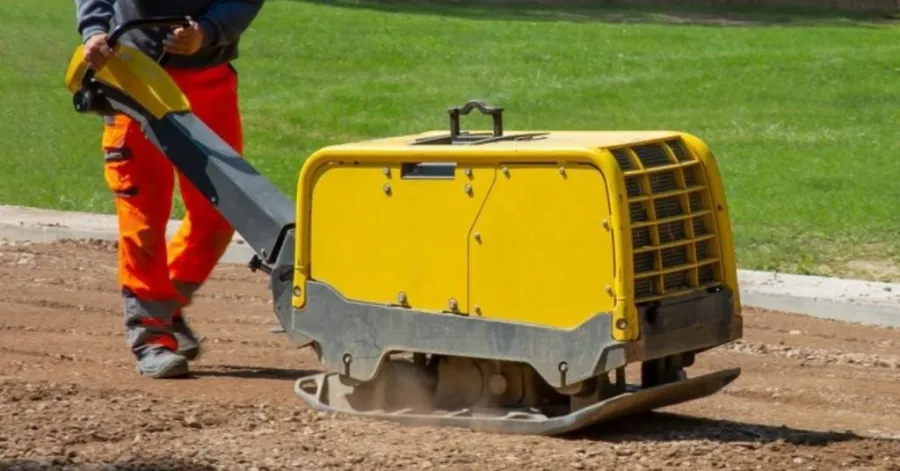
Building a great outdoor project starts underground. You can learn how to compact dirt easily. Build a solid base without high costs. Good compactarea solului needs three main things. You need correct moisture levels. You need smart layer control. You need exact tamping techniques. Skipping good soil compaction causes big problems later. How to compact dirt for a patio? Weak ground makes patio pavers uneven. It creates sunken shed foundations. It causes dangerous structural settling near the home. Luckily, following simple steps gives you control. You easily get pro results yourself. Knowing how to compact dirt protects your work.
The right combination of soil moisture, thin layers, and proper compaction techniques makes a big difference in the final result. You can achieve excellent results using either a hand tamper or a plate compactor, depending on your project size. In this guide, you’ll learn the tools you need, step-by-step compaction methods, moisture tips, common mistakes to avoid, and practical techniques for creating a firm, durable foundation that lasts for years.
Cuprins
Essential Tools and Materials That You Need to Compact Dirt
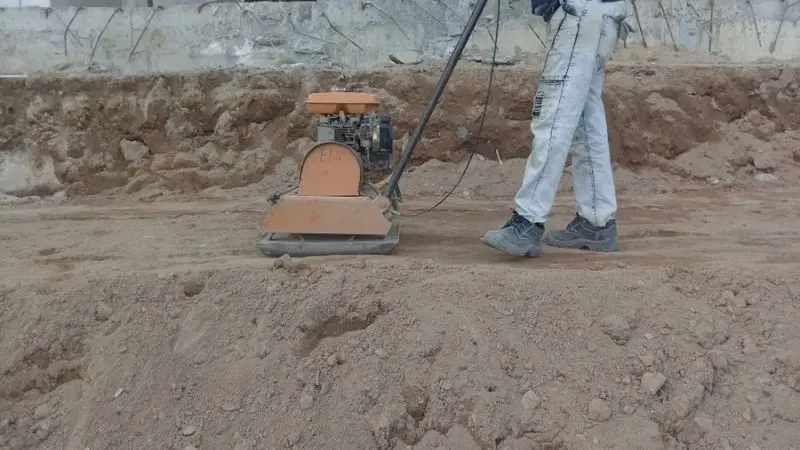
When compacting dirt, make sure you have the proper equipment on hand and prepare the soil correctly. For small areas, use a hand tamper; for larger projects, use a compactor cu plăci. Hand-prepare the surface with a shovel, rake, and garden hose. Proper soil moisture is also critical, as slightly moist soil compacts better and provides a solid foundation. If you have the proper materials on hand, your project will be a lot easier. Physical energy is conserved. You also safeguard your project base from settling.
Recomandat pentru proiectul dvs
Best Tools for Compacting Dirt
Your choice of compaction equipment depends on the job requirements. Simple manual tools are good for small garden pathways. Larger driveways will require stronger equipment. How to compact dirt for a driveway? A good shovel will spread loose ground evenly, and a steel rake will smooth top layers. A garden hose and spray nozzle aid in proper soil preparation. Common safety equipment is used to keep you safe. When operating heavy equipment, wear heavy boots, work gloves,s and ear protection.
- Hand Tamper: Use for small areas (less than 100 square feet). It provides good control and is an affordable option.
- Compactor cu plăci: Suitable for large fields (more than 100 sq. ft.). It offers quick compaction and deep compaction power.
- Furtun de grădină: For any-sized project. It adds the correct amount of moisture to achieve soil compaction.
Do You Need a Plate Compactor or Hand Tamper?
The type of primary compactare equipment you need is based on your job size requirements. The hand tamper is ideal for confined areas. Manual muscle is applied when you’re tamping down dirt within a small trench or around a garden bed. Foundation compaction of the dirt using a simple compaction technique is a very inexpensive process. For large projects, motorised power is required. A gas-powered plate compactor will save you a back-breaking job on a wide driveway or patio base. Vibrating machines expel air from dirt in a short time. The different compaction methods are used at varying depths to meet the objectives. Using a plate compactor speeds up tamping down dirt across vast areas. Both choices will help compact soil to create a hard base. The hand tamper is suitable for flower beds, narrow trenches, fence post holes, garden paths, small patios, and repair work.
How Much Water Should You Use?
Water is like a lubricant in the spaces between small soil particles. How to compact dirt for pavers? When dirt is dry, it does not pack tightly. When wet dirt is compressed, it slides together smoothly. If dirt is well hydrated, it will not crumble or fall apart when pressed into a ball. Soil breaks apart easily if it lacks moisture. Too much water results in sticky mud. Mud will hinder good compaction. Use a spray bottle to add a little water at a time until dirt forms a solid ball.
To check the water level, do a quick ‘squeeze test’:
- Take a handful of wet soil.
- Squeeze the dirt tightly in your palm.
- Open your hands slowly.
How to Compact Dirt Step by Step: The Right Way
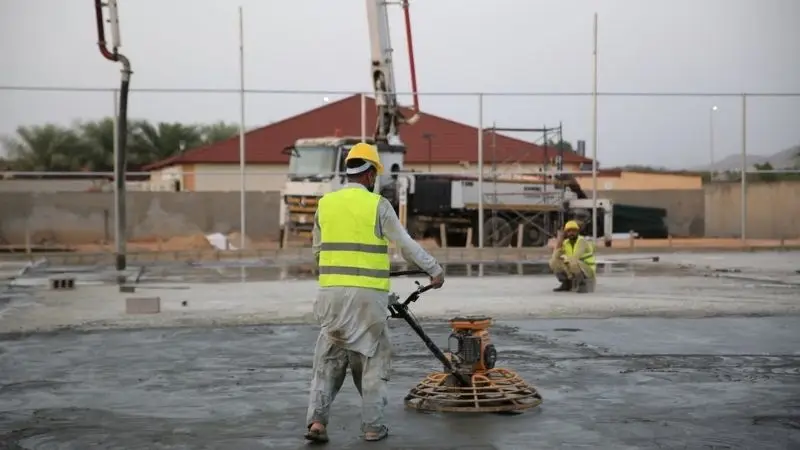
Folosi compactare program to develop a strong, stable foundation. Preparation and clean-up are the first step, followed by the proper amount of moisture and thin layers compacted in overlapping passes. Complete by testing the firmness of the soil to be sure that it is adequately compacted and will not settle again or cause uneven surfaces. The logical approach ensures a solid foundation. This is the way to compact dirt so you can enjoy long-lasting results systematically.
Clear and Prepare the Area
Firstly, clearly mark your working area with wooden stakes and string. Mulch and turn over the surface to remove grass, weeds,s and organic topsoil. The first step to marking work areas is to outline them. Use wooden stakes, spray paint or string to mark precisely the spot you will be working on. By marking the area, you can make sure you are compactare the right portion of ground and are organised. Once the area has been marked, clear away all surface material which might compromise the foundation. Any grass, weeds, leaves, roots, and organic topsoil needs to be removed. How to compact dirt for a shed? As the organic materials decay, they leave pockets under the surface. The degradation of these materials may lead to differential settlement, which can result in uneven shifts of patios, cracking of concrete and/or instability of structures.
Remove Large Rocks and Debris
Remove large rocks, tree roots, and debris from the excavation area. Large items leave empty spaces that are located under your base. Clean up to even out soil compaction. Eliminating undesirable material will strengthen the base and help prevent future damage and settlement. Don’t know how to compact dirt for foundation? Carefully check the work area before compaction. Check for big rocks, tree roots, broken concrete, bricks, sticks, leaves,s and construction debris. These should be either taken out or compacted down before soil is added or compacted. They may not seem like a big deal, but they prevent soil particles from being evenly pressed together. This feature also aids the performance of your compaction equipment.
Add the Right Amount of Moisture
Spray the ground with a garden hose nozzle. Water is used to condition the soil for close packing. Do not form deep mud puddles. The right amount of moisture results in a more robust and stable base, and lowers the chance of future settling. Soil consists of very small particles and small pores between the particles. How to compact dirt for a driveway? If the soil is dry, then these particles are not able to move together easily. The trapped air stops the dirt from being compacted and creates weak spots under the surface. If enough water is added, the particles begin to move closer together. The soil becomes very firm as the air is expelled during compaction. This feature helps users determine the amount of water needed to compact the soil.
Spread the Dirt in Thin Layers
Do not dump all of your earth in one settling. Spread the loose fill evenly over the area. Compacting must be done in layers, with each lift being at least 2” but no more than 4” thick. Thin dirt lifts provide easy access for maximum pressure at the bottom of each lift. How to compact dirt for a shed? If soil is installed in a single layer, the compaction tool will only compact the upper surface of the soil. The top may be firm, but the lower part may be loose –the lower part is not under enough pressure. Air pockets remain in the soil, forming areas of vulnerability below ground level. With time, these secret pockets fill with debris, leading to settling or cracking of the ground. This feature applies to manual or power compaction tools.
Compact the First Layer
Start to compact soils around the outer perimeters of the site. Slowly spiral towards the centre, making overlapping passes. How to compact dirt for a foundation? This initial step is a good beginning for compaction. Compaction is always applied to the first layer, which will be evenly compacted over the whole work area. Start from one side and gradually move toward the middle with even and overlapping strokes. If tampering is done by hand, lift the tamper straight up and drop it sharply on the soil. Let each strike slightly overlap with the previous one, so that nothing is missed. With a plate compactor, move the machine slowly and steadily, overlapping each pass by a few inches. This will give pressure to all parts of the soil.
Add More Layers and Compact Again
Cover the base with a light layer of loose dirt. Tamp down each lift. With proper work during this step, maximum compaction will be assured across the pit. This reduces the chance of a void or instability by adding soil in thin layers, then compacting each layer individually. This way, you will get more effective results in the end, and the ground will not become uneven over time or sink. How to compact dirt for concrete? After the first layer has been compacted, spread another thin layer of loose soil over the surface. This new layer should be roughly the same thickness as the first layer, 2-4 inches. Thin layers let the compaction tool compact the soil evenly across the entire depth. Lots of heavy layers can form pockets of air under it, making it less stable.
Check the Soil for Proper Compaction
Check ground density before laying pavers or building. Use a flathead screwdriver to check firmness in the ground. How to compact dirt for pavers?? Soil is successfully compacted when the tool does not sink into the ground. Correct compaction of soil ensures that your project remains flat and safe. Make sure to complete the tamping of dirt throughout the project correctly. Do this basic task again when you encounter new construction tasks. Good compaction ensures that your efforts are preserved for many years.
- Prep: Clear the ground of roots, stones, and litter.
- Water: Lightly spray the dirt so that it is slightly moist.
- Compactați solul evenly with a tamper, making overlapping passes.
How to Compact Dirt Without a Machine
How to Use a Hand Tamper
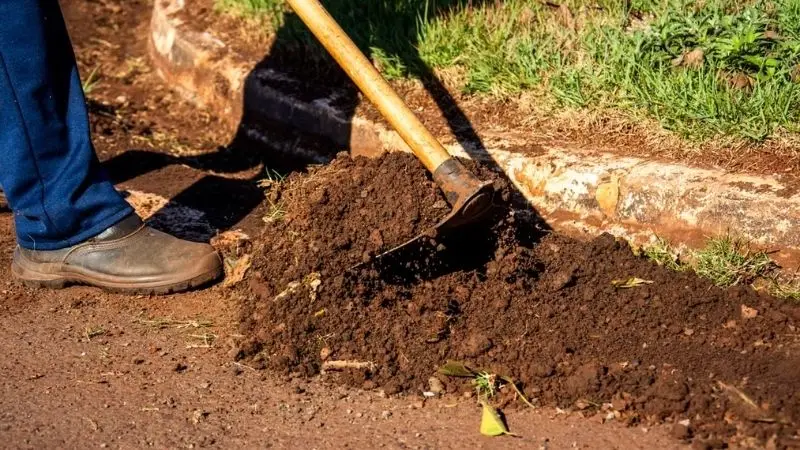
A hand tamper is made of metal. It has a long stick. Lift the tool. Lift it to chest level. Let the tool drop. Make a flat landing. Energy is distributed uniformly. When doing a stroke, overlap it ½ way. Cover all of the area. Do this two times. Tackle a difficult task. Movement is more important than power. This technique creates a basic foundation. It saves your body. How to compact dirt for a shed? A hand tamper has a flat metal plate attached to a long handle. The tool works by using downward force to compress the soil. Repeated pressing or striking of the ground causes loose soil particles to draw closer together and entrapped air to be removed.
How to Compact Dirt With a Heavy Object
Other bulky objects are effective. Use a wooden post. Another option is a concrete block. Do not bend the item. Grab with two hands tightly. Hit the soil and slam it over and over. This technique dispels free air. Heavy objects compress the earth. The pressure is yours. Your money isn’t wasted. Continue to compact the soil. STOP when tools bounce off. How to compact dirt for a driveway? Compacting dirt with a heavy object is based on the principle of compacting loose soil particles. Repeated impacts or pressure from a heavy object remove the air and compactează solul into a more stable surface. A dense soil base is much stronger than loose soil and is less likely to settle after construction is finished. It’s an ideal choice for projects such as garden paths, fence posts, small patios, stepping stones, and shed foundations.
When Manual Compaction Works Best
Tiny devices go in snug places. Some machines don’t perform on large scales. How to compact dirt for a garage? Tools to be used in trenches. Try them on paths. They secure shed foundations. They do wooden post holes. Buried pipes are protected by hand work. They break in big machines. Hand tools provide precise control. They safeguard adjacent walls. They prevent harmful machine vibration. A little patience is required for small jobs. Simply start working layer by layer.
- Narrow trench: Hand tamper and compact in 2-inch layers with a 6×6-inch hand tamper.
- Small garden path: Use a heavy wooden post and compact in 2″ layers.
- Backyard lawn: If the lawn is on the surface, compactare can be done using a water-filled lawn roller.
How to Compact Dirt With a Plate Compactor
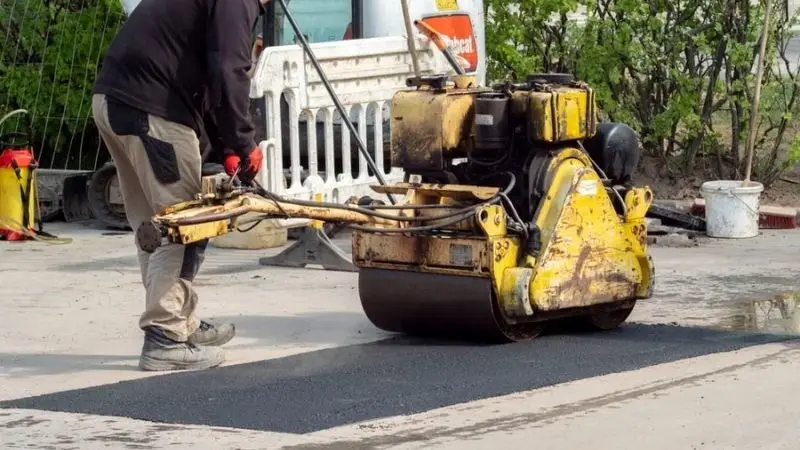
A plate compactor is the quickest method for forming a firm, level soil foundation for major projects. Set up the machine correctly, create 3-4 overlapping passes, and use a cross-hatch pattern for uniform compaction. Keep an eye on soil moisture during application and try to keep the soil damp but not too wet, or turn the wheels sharply to get smooth, consistent results. High vibration forces in gas-powered plate compactors break air pockets. This motorised one helps you get the stability you need in no time.
How to Prepare the Plate Compactor
Check compaction equipment before turning over the engine. Inspect oil, fuel tank, and air filter. Place the machine on level ground. Wear work gloves, earplugs, and heavy work boots. Switch the fuel valve to ON. Adjust the choke control lever to start. Pull cord firmly. Allow the engine to warm up for 2 minutes. After the motor runs smoothly, flip the throttle lever to the maximum. This mechanical compactare method requires a force to generate the vibration, which is provided by the high engine speed. Use both hands on the handle grips. How to compact dirt for a foundation? A machine used to compact loose soil, powered by an engine and through vibration. The vibration of the metal plate against the ground removes trapped air and compresses the soil particles together.
How Many Passes Should You Make?
Typically, three to four passes in total are needed per soil lift for most projects. Slowly walk along a straight path. Start each pass four to six inches over the top of the previous one. This overlapping process ensures even densities. By keeping your walking pace constant, you accelerate the compaction process. How to compact dirt for a patio? The four-inch soil lifts are compacted down efficiently with a vibrating plate. Be sure to keep your eyes on the ground on each pass. After 3-4 runs, the sinking stops when the soil is solid. Repeated passes of ground waste fuels that are filled in and stress the motor. Proper compaction is achieved when the machine bounces up higher off the surface.
Tips for Getting Even Compaction
Work in a cross-hatching pattern throughout your site. For the first two passes, do a rewind from north to south. Run east to west in the last pass; turn 90 degrees. Learn about even compaction of dirt by watching the dirt’s dampness. If dust flies up, add a light water spray. It’s important to maintain forward pressure at the edges to compact dirt. Guide your powerful compaction equipment with light steering inputs. Do not make sharp turns as heavy plates dig out uneven tracks in soft ground.
- Nori de praf: Soil is not being kept adequately moist. Spray lightly with a hose before compaction.
- Machine sinks: Soil is too wet or muddy. Allow to dry for approximately 1 day before proceeding.
- Loose edges: Borders not captured. Adjust the plate compactor so that it overlaps the plate slightly to ensure even compaction.
How Wet Should Dirt Be for Compaction?
ultima modificare in dirt compaction and a stable foundation cannot be achieved within the soil unless it is at the proper moisture content. The soil should be slightly moist, ideally compacted but not muddy, or it won’t support the structure; and not too dry, or the base will be weakened by air pockets. Moist the soil before compacting and adjust as necessary to obtain good, lasting compaction. The water content determines your success. When tamping down your ground, you must get the moisture right.
Why Soil Moisture Matters
Water is a natural lubricant between little bits of dirt. Dry soil grains don’t slide against each other because of friction. Liquid pushes out the air pockets, leaving a rock-solid bottom. How to pack dirt for a driveway? This is the key soil water balance for achieving target soil compaction. Ideal moisture is a state that causes loose earth to become a heavy mass. Check moisture content before operating any machinery. Proper water levels reduce additional time-consuming tasks.
Water will react in various ways to various types of dirt:
- Sandy soils should be sprayed lightly often when compacting to ensure that the liquid can pass through the large grains.
- Clay soils will require additional care when compactat because sticky clay can retain water for extended periods.
How to Tell if Dirt Is Too Wet
It’s better to have too much water than too little. How to compact dirt for a shed? Mud clings to shoes, shovels, and plates on the machinery. Water accumulates on top of your site during tamping passes. Too much water will cause a lack of compaction due to trapped water pushing the dirt grains apart. When compressed Earth becomes a sloppy paste. If you see shiny standing water, STOP working right away. Evenly spread out the wet earth and let the sun dry your excavation area.
- Squeeze test: If the soil drips through your fingers when you squeeze the soil, it is too wet. Allow dirt to dry out in the sun before compacting.
- Machine test: When the compactor is pushed into the soil and it sinks, it means that there is too much moisture in the soil. Allow dirt to dry for 24-48 hours before proceeding.
How to Tell if Dirt Is Too Dry
No water is good for your base layer. When instrumentele tale hit the surface, there’s a lot of dust in the air. How to compact dirt for pavers? When soil in the form of particles is dry, the particles do not stick together. Loose powder results when earth is dry. A fine water mist needs to be sprayed across your site to prepare the ground properly. Water gradually and stir in the soil. Water can be used to help form firm, lasting earth foundations when used properly.
To remedy dry conditions, follow this simple process:
- Take a sample of soil from your location.
- Press firmly on the ground with both hands.
- Spread your hands wide apart.
Common Mistakes When Compacting Dirt
Compacting Dirt in One Thick Layer
Never put in large quantities of filling materials into deep holes. Deep dirt can damage the base. Machines don’t work on dirt roads. Deep earth sinks later—compact Dirt using thin lifts. Add 2 to 4 inches—compaction in short steps. The soil is full of small gaps between the soil particles that can hold air. How to compact dirt for a foundation? The idea behind compaction of dirt is to remove air pockets to make it firm and stable. If the dirt layer is too deep, compactarea device will compact only the upper part of the layer. The base is more flexible because there is not enough pressure. Although the surface may look solid, the soil underneath is still soft and unstable. This will help the user understand the concept of working in thin layers (also known as lifts) to compact the dirt.
Using Too Much or Too Little Water
You set your success with water. Dry dirt opposes tight packing. Water remains in the dry soil. If the water gets too much, the mixture becomes mud. When under pressure, mud slides sideways. Do not dry muddy ground since it will smudge the paint. Whisk before using. Do not poke or depress mud or puddles. Allow wet soil to dry completely. Water is a natural lubricant between soil particles. The particles are easier to slide past each other when they have the correct moisture content. This eliminates air pockets and forms a tight, solid foundation. How to pack dirt for a patio? A well-compacted base will have higher strength and can support patios, driveways, walkways, sheds, fence posts, and other outdoor structures. When the soil is dry, the particles do not stick together.
Skipping the Final Compaction Check
Never skip test steps. Soft spots are covered by smooth dirt. Use a screwdriver to test the ground. Press the metal rod hard down. Firm ground prevents deep entry. The next step in preventing future sinking is to compact dirt for a driveway. How to compact dirt for a driveway? The primary goal of compacting dirt is to make sure that it is stable, meaning it does not move or settle when under load. Any soft spots that lie below the surface will cause issues in the future. Patio surfaces can sink, sheds can tip over, fence posts can loosen, or concrete slabs can crack. An easy finish-up inspection service will uncover these weak points before they become costly repairs. A flathead screwdriver or a metal rod can be used to test soil compaction easily.
Using the Wrong Compaction Tool
Choose the appropriate tool for the job. Little tools are lost on driveways. Garden pipes get broken by BIG machines. Use the right tools for the right place. Right tools save energy. Smart picks speed up work. Dirt is easily compacted. Quickly learn this ground step. How to compact dirt for a patio? Look for wet dirt first by squeezing it. Then broadcast loose soil. Now, begin to tamp dirt in thin layers. Finally, check the ground hardness with a screwdriver. A well-compacted soil will not sink. This ensures the security of your work for years.
- So narrow pipe trenches: Do not use a large compactor cu plăci. The hand tamper is the best option since it offers more control in restricted areas.
- Wide paver patios: Avoid using a small hand tamper. A gas plate compactor is the best choice, as it compacts a large area at the same time and produces a more even result.
Be patient while solid foundations are established. Prep Tools and Make a Hard Base Today!
Învelire
The proper way to compact dirt for a patio is the foundation for a solid and lasting base for any patio project. To avoid future settling and irregular surfaces, it is important to prepare the area, use the correct tools, keep the soil from drying, and compact the soil in thin layers. For small jobs, use a hand tamper, and for larger areas, a plate compactor – but do it with the correct process for more effective results. Always perform a final compaction to make sure that the ground is compacted and hard enough before construction. A slight additional compaction effort will save patios, driveways, sheds and other structures for years to come. By preparing a stable foundation and choosing the appropriate techniques, you can ensure that your project is supported and stable.
FAQ
How many hours to wait after compaction before construction?
Imediat după ce ai compactat your base, you can begin building. Good soil density is stable immediately after preparation. Always test the firmness using a quick screwdriver test first.
How heavy can a hand tamper get dirt?
Thin lifts are best suited to hand tampers. The ground is packed approximately 2 inches thick per layer. When tamping dirt in thicker layers, you will trap loose air under the dirt.
What is the consequence of not compacting dirt?
Uncompacted ground will settle over time when subjected to high loads. Uneven shifting of loose dirt due to rain. This swinging activity causes concrete slabs to crack, tilts sheds, and damages new paver patios.