Oțelul călit poate fi dificil de găurit datorită rezistenței, tenacității și rezistenței sale remarcabile la uzură. Alegerea burghiului incorect poate duce la muchii de tăiere tocite, scule sparte și găuri de calitate scăzută. Și indiferent dacă lucrați cu piese auto, oțel pentru scule sau oțel inoxidabil, alegerea burghiului este tot ce contează. Acest ghid descrie cel mai bun burghiu de utilizat pe oțelul călit, compară diverse materiale pentru burghie și demonstrează cum să găuriți prin oțel călit în siguranță și eficient. De asemenea, veți ști care... burghiu bucăți de ales și ce greșeli trebuie evitate pentru a obține rezultate curate, precise și profesionale.
Cuprins
De ce este greu de găurit oțelul călit?
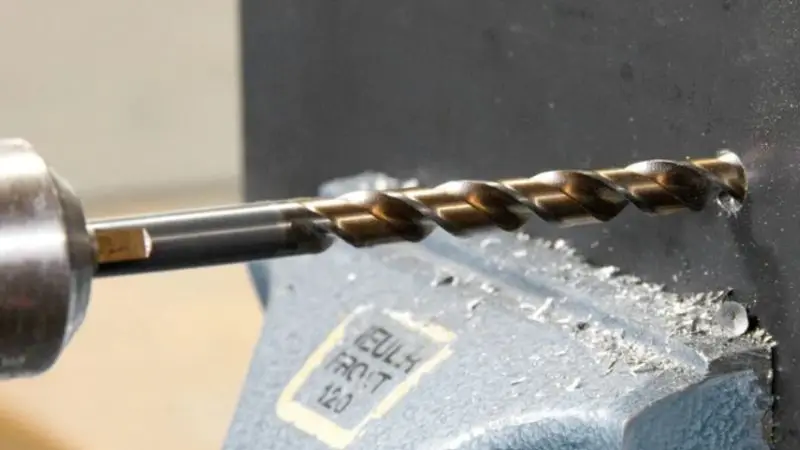
Este util să știi de ce oțelul călit este semnificativ mai greu de găurit decât metalul obișnuit înainte de a decide asupra unui burghiu. Duritatea și rezistența sa sporite înseamnă că nu se taie ușor și, prin urmare, un burghiu greșit poate tăia cu ușurință atât unealta, cât și materialul.
Te-ai întrebat vreodată dacă este posibil să găurești oțel călit? Răspunsul este da. Dar succesul constă în alegerea corectă a burghiului, a tehnicii de găurire potrivite și a vitezei de găurire potrivite. Cunoscând materialul, vei fi într-o poziție mai bună pentru a obține găuri mai curate și a prelungi durata de viață a burghielor tale.
Ce este oțelul călit?
Oțelul călit este o formă de oțel care a fost supusă unui tratament termic pentru a-i spori duritatea, rezistența și rezistența la uzură. Este aplicabil și la piese de mașini, piese auto, scule, rulmenți, matrițe și echipamente industriale, deoarece poate suporta sarcini grele și poate fi utilizat în mod repetat. Deși ambele proprietăți fac oțelul călit foarte durabil, ele îl fac și foarte dificil de găurit. Aceasta este una dintre întrebările pe care mulți oameni și le pun: poți găuri oțelul călit fără a deteriora materialul? Da, dar numai cu tehnica de găurire potrivită și cu burghie din oțel călit care pot tăia cu ușurință metale dure.
De ce se defectează burghiele standard
Burghiele normale din oțel rapid pot fi utilizate pe metale mai moi, lemn și plastic, dar nu și pe oțel călit. Acest lucru face ca muchiile așchietoare să se tocească foarte repede, deoarece materialul este mult mai dur decât burghiul în sine. Cu creșterea căldurii, muchia așchietoare a burghiului se tocește, ducând la tăiere ineficientă, frecare ridicată și, în cele din urmă, la rupere. Majoritatea găuririlor nereușite se datorează utilizării unui burghiu greșit, în loc de unele specializate, cum ar fi burghiele din oțel călit sau din carbură. Aceste materiale sunt mult mai dure și, prin urmare, au o muchie așchietoare mai lungă și funcționează mult mai bine la temperaturi ridicate și în condiții extreme de găurire.
Provocări frecvente la găurirea oțelului călit
Găurirea oțelului călit necesită timp; aceasta trebuie făcută corect și cu echipamentul potrivit. Controlul căldurii este una dintre cele mai mari provocări, deoarece temperaturile ridicate pot distruge... burghiu burghiul și piesa de prelucrat. Suprafața dură este, de asemenea, rezistentă și, prin urmare, burghiul se rătăcește sau alunecă înainte de a începe tăierea. Presiunea sau viteza excesivă pot provoca arderea sau ruperea burghiului. Pentru a învăța cum să găuriți oțel călit, trebuie să utilizați viteze de găurire mai mici, o forță constantă, un lubrifiant pentru tăiere și cele mai bune burghie posibile pentru a realiza tăieturi precise și curate, cu uzură minimă.
Semne că aveți nevoie de un burghiu specializat
O serie de indicatori de avertizare vă vor anunța că nu utilizați burghiul potrivit pentru oțel călit. Când burghiul se tocește rapid, generează multă căldură, produce fum sau abia pătrunde în suprafață, este timpul să îl actualizați. Muchia așchietoare poate deveni, de asemenea, ineficientă, deoarece așchiile metalice pot deveni foarte fine, în loc să formeze așchii curate. Dacă sunteți în căutarea celui mai bun burghiu pentru tăierea oțelului călit, burghiele speciale din cobalt și carbură sunt de obicei cele mai fiabile. Burghiele din titan sunt folosite și de unii profesioniști în oțel călit pentru sarcini foarte ușoare, iar cei care învață să găurească oțelul de scule călit tind să obțină cele mai bune rezultate cu burghie din cobalt sau carbură de înaltă calitate, care vizează cea mai lungă durată de viață posibilă.
Recomandat pentru proiectul dvs
Cele mai bune burghie pentru oțel călit
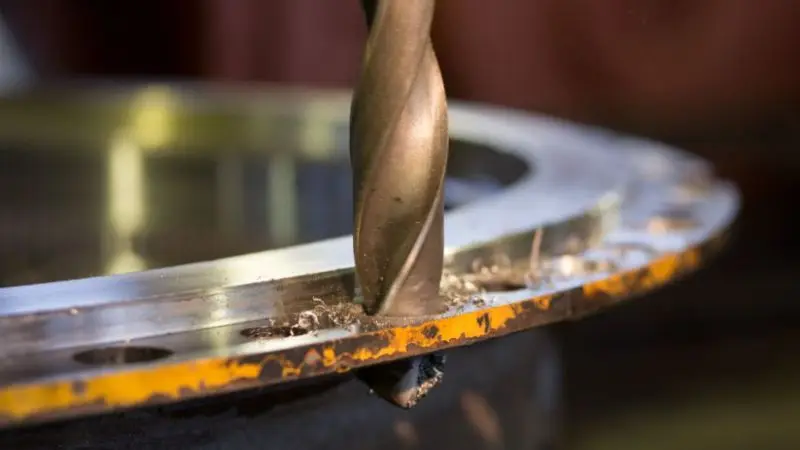
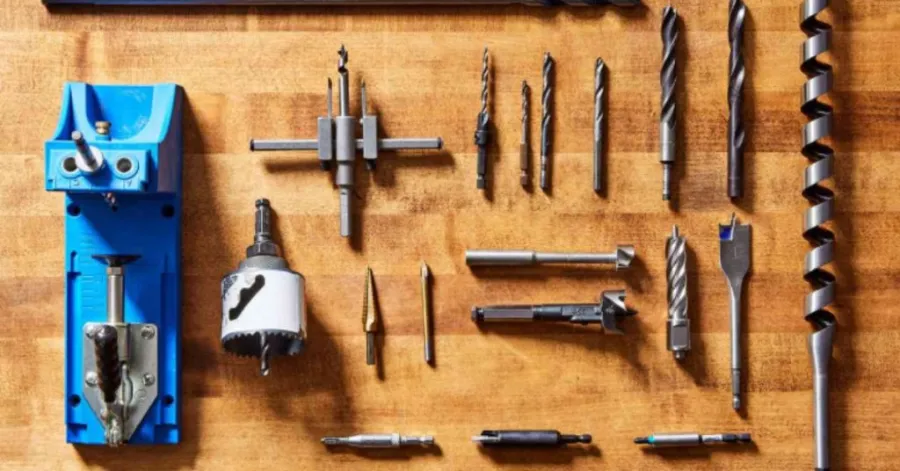
Cel mai important lucru atunci când se lucrează cu oțel călit este alegerea burghiului potrivit. Diverse materiale pentru burghie sunt adaptate la diferite cerințe de duritate, rezistență la căldură și durabilitate. Alegerea corectă va crește viteza de găurire, va prelungi durata de viață a sculei și va produce mai puține găuri, mai curate.
Când aveți nevoie de cel mai bun burghiu pentru oțel călit, depinde de duritatea materialului și de natura proiectului pe care îl întreprindeți. Burghiele din cobalt și carbură sunt de obicei cea mai bună opțiune, iar burghiele acoperite cu titan și cele din oțel rapid pot fi utilizate în anumite aplicații cu o utilizare corectă.
Burghie de cobalt
Unul dintre cele mai populare burghie pentru găurirea oțelului călit este un burghiu cu cobalt, fabricat dintr-un aliaj cu conținut ridicat de cobalt în întreaga burghiu, nu doar acoperit cu acesta. Această construcție le permite să reziste la căldură, să își păstreze muchiile ascuțite și să funcționeze constant în condiții dure. Mulți profesioniști consideră că cele mai bune burghie cu cobalt pentru oțel călit sunt cele care pot găuri în mod repetat fără a pierde din duritate. Acestea sunt potrivite pentru oțelul de scule călit, fontă, oțel inoxidabil și alte metale dificile. Burghiele cu cobalt sunt foarte durabile, cu performanțe bune și fiabile în atelier și în uz industrial, cu condiția unei lubrifieri adecvate și a unei viteze de găurire controlate.
Burghie din carbură solidă
Burghiele din carbură solidă sunt concepute pentru a se potrivi celor mai dificile sarcini de găurire, unde este necesară o duritate și o precizie ridicate. Aceste burghie sunt foarte ascuțite și pot tăia materiale foarte dure, care ar uza rapid burghiele tradiționale. Burghiele din oțel dur din carbură sunt utilizate de obicei atunci când proiectul dumneavoastră implică matrițe călite, oțel pentru scule sau piese tratate termic. De asemenea, sunt eficiente la tăierea la viteze mari cu echipamente de găurire rigide. Burghiele din carbură solidă, în ciuda durabilității lor ridicate, sunt mai puțin rezistente la uzură decât burghiele din cobalt; prin urmare, necesită presiune și aliniere constante pentru a preveni ciobirea sau ruperea în timpul utilizării.
Burghie cu vârf din carbură
Burghiele cu vârf de carbură combină un miez de oțel de înaltă rezistență cu o muchie așchietoare din carbură, oferind un echilibru performanță/cost. Acestea taie mai rapid și sunt mai puțin costisitoare decât burghiele din carbură solidă. Aceste burghie sunt eficiente în găurirea oțelului călit, oțelului inoxidabil și a altor metale rezistente la uzură în numeroase lucrări de fabricație și reparații. Burghiele cu vârf de carbură sunt fiabile în tăierea oțelului călit și nu necesită o investiție mai mare în scule din carbură solidă, astfel încât pot fi utilizate de cei care învață cum să găurească prin oțel călit. De asemenea, au muchii așchietoare ascuțite, care durează mai mult decât cele standard. burghiu biți, ceea ce le face o opțiune atât pentru profesioniști, cât și pentru utilizatorii experimentați de bricolaj.
Burghie acoperite cu titan: avantaje și limitări
Burghiele din oțel dur din titan au un strat subțire de titan, care reduce frecarea și crește rezistența la uzură în timpul găuririi. Acestea excelează la săparea metalelor mai moi, a aluminiului, plasticului și oțelului moale, deși sunt mai puțin eficiente cu oțelul călit. Când stratul de acoperire s-a uzat, burghiul rămas poate fi utilizat ca un burghiu normal din oțel rapid. Din acest motiv, burghiele acoperite cu titan sunt cele mai potrivite pentru lucrări ușoare, dar nu și pentru găurirea industrială grea. Când efectuați multe găuriri în oțel călit, burghiele din cobalt sau carbură sunt opțiunea mai fiabilă, deoarece sunt mai rezistente la căldură și au o durată de viață mai lungă.
Burghie din oțel rapid (HSS): Când funcționează
Burghiele din oțel rapid sunt populare datorită costului redus, versatilității și adecvării pentru majoritatea operațiunilor de găurire comune. Acestea taie bine în lemn, plastic, aluminiu și oțeluri mai ușoare. Cu toate acestea, nu sunt cele mai bune când vine vorba de găurirea oțelului călit, deoarece își pierd ușor ascuțimea atunci când sunt supuse la căldură și presiune ridicată. Când trebuie să știți cum să găuriți oțel călit pentru scule, burghiele HSS obișnuite nu sunt de obicei o opțiune, cu excepția cazului în care materialul a fost doar ușor călit. În aplicațiile în care este necesar oțel inoxidabil călit sau aliaje tratate termic, burghiele din cobalt sau carbură vor oferi performanțe superioare, găuri mai curate și o durată de viață mult extinsă a sculei.
Cum să alegi burghiul potrivit pentru oțel călit
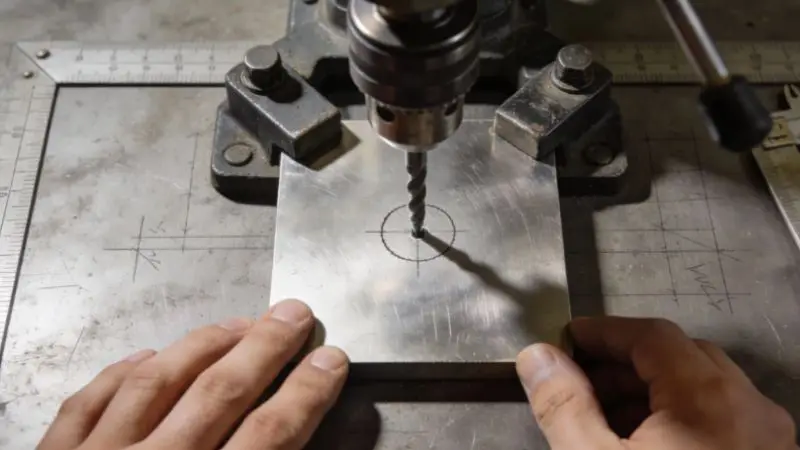
Găsirea burghiului corect este la fel de importantă ca tehnica corectă de găurire. Un burghiu de aceeași duritate ca materialul va tăia mai eficient, va rezista mai mult și va reduce la minimum posibilitatea deteriorării burghiului și a piesei de prelucrat. Decizia corectă poate contribui, de asemenea, la găuri mai precise și mai curate cu un efort minim.
Fie că este vorba de oțel pentru scule, oțel inoxidabil sau orice alt metal tratat termic, există factori care ar trebui să vă ghideze în alegerea sau nu a găuririi. Cunoașterea materialului burghiului, a unghiului vârfului, a dimensiunii, a tipului de burghiu și a rezistenței la căldură vă va ajuta să alegeți cele mai eficiente burghie din oțel călit pentru proiectul dumneavoastră.
Potriviți materialul burghiului cu duritatea oțelului
Tipul de burghiu pe care îl utilizați trebuie să depindă întotdeauna de duritatea oțelului. Oțelurile mai moi pot fi tăiate cu burghie din oțel rapid de înaltă calitate, în timp ce metalele călite și tratate termic necesită materiale mai dure și mai rezistente pentru a rezista la temperaturi și forțe de tăiere mai ridicate. În cazul în care vă întrebați care este cel mai bun burghiu din oțel călit, cobalt și carbură, acesta va fi de obicei cel mai consistent. Cele mai fine burghie din oțel călit din cobalt sunt foarte rezistente la căldură și durabile, iar burghiele din carbură din oțel călit sunt cel mai bine utilizate în materiale foarte dure care necesită cea mai bună performanță și precizie de tăiere.
Alegeți unghiul corect al punctului
Unghiul vârfului unui burghiu influențează capacitatea sa de a începe tăierea și eficiența cu care desprinde materialul. Burghiele obișnuite au un vârf de 118 grade, ceea ce este eficient pentru materiale mai moi. Cu toate acestea, oțelul călit necesită de obicei un design cu vârf divizat la 135 de grade, deoarece are ca rezultat o mișcare mai redusă, o precizie mai mare și o capacitate mai bună a burghiului de a pătrunde în suprafețe călite. Acest design minimizează, de asemenea, presiunea necesară pentru a începe găurirea. Atunci când înveți să tai oțel călit, un burghiu cu unghiul corect al vârfului va fi mai ușor de utilizat, se va uza mai puțin și va lăsa o gaură mai puțin zimțată și mai precisă.
Selectați dimensiunea potrivită a burghiului
Dimensiunea corectă a burghiului este crucială pentru obținerea rezultatelor corecte și protejarea sculei și a materialului. Un burghiu excesiv de mic burghiu Burghiul se poate supraîncălzi din cauza nivelurilor mai ridicate de frecare, în timp ce un burghiu excesiv de mare poate pune o sarcină excesivă pe motorul burghiului. La realizarea găurilor mai mari, este de obicei recomandabil să faceți mai întâi o gaură pilot și apoi să treceți la dimensiunea finală. Acest lucru va reduce rezistența la tăiere și va crește precizia. Indiferent dacă găuriți oțel inoxidabil călit sau oțel pentru scule călit, alegerea dimensiunii potrivite a burghiului îl va menține stabil și va prelungi durata de viață a burghielor.
Luați în considerare tipul de burghiu și setările de viteză
Tipul de burghiu are o mare influență asupra performanței forajului. A perforator este mai stabilă și are performanțe mai repetabile în comparație cu o mașină de găurit manuală, în special cu oțel călit. Indiferent de tipul de găurire efectuată, este important să se mențină vitezele de găurire scăzute și presiunea constantă. Vitezele foarte mari produc prea multă căldură care tocește rapid chiar și cele mai fine burghie. Când găuriți oțel călit pentru scule, utilizați burghiul potrivit, setările de viteză corespunzătoare și un lubrifiant de tăiere pentru a crește eficiența și a minimiza uzura atât a sculei, cât și a piesei de prelucrat.
Căutați rezistență la căldură și uzură
Unul dintre cei mai importanți factori care pot afecta eficacitatea burghielor la tăierea oțelului călit este căldura. Burghiele care își păstrează duritatea la temperaturi ridicate sunt mai durabile și continuă să taie eficient. Burghiele din cobalt și carbură sunt, de asemenea, populare în aplicații dure din acest motiv. Deși burghiele din titan cu oțel călit oferă o protecție mai bună la uzură datorită stratului protector, acestea tind să fie mai potrivite pentru lucrări mai ușoare decât cele din cobalt sau carbură solidă. Selectarea unui burghiu Un burghiu cu rezistență ridicată la căldură și uzură va produce o gaură mai curată, va dura mai mult și va fi mai fiabil în lucrările de găurire repetitive.
Cum să găuriți cu succes oțelul călit
Burghiul de cea mai bună calitate nu va funcționa bine fără tehnica de găurire adecvată. Oțelul călit necesită răbdare, viteză mică și presiune constantă pentru a produce găuri curate și precise fără a deteriora burghiul sau piesa de prelucrat. Graba poate cauza supraîncălzirea, tocirea burghielor sau deteriorarea uneltelor.
Când înveți cum să găurești prin oțel călit, procedând corect, nu numai că vei obține un rezultat mai bun, dar te va ajuta și să prelungești utilizarea echipamentului tău. Câteva măsuri simple pot simplifica procesul de găurire, îl pot face mai sigur și mai eficient.
Marcați punctul de găurire cu un perforator central
Un perforator, o gaură mică în punctul de găurire, este recomandabil înainte de a începe găurirea. Această urmă ajută la direcționarea burghiului și îl împiedică să alunece pe suprafața metalică dură în timpul găuririi. Oțelul călit este foarte rezistent și neted, astfel încât un burghiu cu greu va avea un vârf de care să se țină. Un perforator amplasat corect îmbunătățește precizia găuririi și minimizează uzura nejustificată a muchiilor așchietoare. Și indiferent dacă lucrați cu cele mai bune burghie din cobalt pentru oțel călit sau burghie din carbură pentru oțel călit, utilizarea unui perforator va ajuta la producerea de găuri mai curate și mai precise.
Folosiți ulei de tăiere sau lubrifiant
La găurirea oțelului călit, este esențial să se utilizeze ulei de tăiere pentru a reduce frecarea și căldura și pentru a îndepărta așchiile metalice din zona de tăiere. Supraîncălzirea este printre principalele cauze ale tocirii premature a burghielor. Utilizarea lubrifiantului în timpul procesului de găurire menține burghiul mai rece și îi permite să taie mai eficient. Acest lucru este deosebit de important atunci când se utilizează burghie din oțel inoxidabil călit, deoarece oțelul inoxidabil produce multă căldură în timpul procesului de găurire. Umezirea uleiului de tăiere la cerere îmbunătățește performanța de tăiere, durata de viață a burghiului și curățenia găurii.
Perforați la viteză mică
Când se lucrează cu oțel călit, este nevoie de un ritm lent de găurire. Chiar și cele mai bune burghie sunt rapid distruse de căldura excesivă generată la viteze mari de rotație. În schimb, burghiul trebuie să taie lent, cu un control constant pe tot parcursul procesului. Viteza mai mică oferă un cuplu îmbunătățit, mai puțină frecare și găuri de calitate. Dacă sunteți curioși despre cum se poate găuri oțelul călit pentru scule, o combinație între o viteză redusă de găurire și un burghiu ascuțit din cobalt sau carbură, cu un lubrifiant de tăiere adecvat, este una dintre cele mai eficiente. Aceasta va oferi o performanță constantă cu o uzură inutilă minimă.
Aplicați o presiune constantă și uniformă
Se folosește o presiune constantă pentru a asigura burghiu Burghiul taie eficient fără a solicita excesiv sculei sau materialului. O strângere ușoară poate face ca burghiul să alunece de-a lungul suprafeței în loc să taie, ceea ce poate genera căldură excesivă. Pe de altă parte, utilizarea unei forțe prea mari crește riscul de rupere a burghiului sau de deteriorare a piesei de prelucrat. Mențineți presiunea constantă și stabilă și lăsați burghiul să taie materialul la viteza sa. Această metodă funcționează deosebit de bine cu burghiele pentru oțel călit, asigurând găuri mai curate, protejând în același timp muchiile așchietoare de uzura prematură.
Prevenirea supraîncălzirii în timpul găuririi
Unul dintre cele mai importante aspecte ale găuririi cu succes a oțelului călit este controlul căldurii. Când burghiul se încălzește excesiv, își poate pierde capacitatea de tăiere și se poate uza mult mai repede. Luați o pauză din când în când în timpul operațiunilor de găurire mai lungi pentru a permite atât burghiului, cât și metalului să se răcească. Aplicați întotdeauna ulei de tăiere acolo unde este necesar pentru a minimiza frecarea și a menține o tăiere eficientă. Persoanele care lucrează frecvent cu metal călit sunt cele care recomandă cele mai bune burghie cu cobalt din oțel călit, deoarece, chiar și atunci când sunt expuse la temperaturi ridicate, acestea își păstrează duritatea și, prin urmare, sunt mai consistente atunci când se confruntă cu sarcini solicitante.
Curățați așchiile metalice în mod regulat
La găurire, așchiile metalice trebuie îndepărtate periodic pentru a preveni înfundarea găurii și frecarea excesivă. Așchiile compactate concentrează căldura de-a lungul muchiilor așchietoare, îngreunând găurirea și reducând performanța burghiului. La intervale regulate, de exemplu după câteva secunde, scoateți burghiul cu grijă pentru a curăța așchiile înainte de a continua. Această rutină ușoară îmbunătățește eficiența tăierii, accesibilitatea lubrifiantului la suprafața tăietoare și reduce uzura excesivă. Indiferent dacă aveți burghie din carbură cu oțel călit sau cu burghie din cobalt, curățarea așchiilor va fi adesea utilizată pentru a face găurile mai netede și pentru a prelungi durata de viață a sculelor de găurit.
Wrap-Up
Cea mai importantă parte a găuririi cu succes a oțelului călit este alegerea burghiului. Burghiele din cobalt și carbură sunt de înaltă calitate, oferind o durabilitate, o rezistență la căldură și o performanță de așchiere mai bune. Cu alegerea corectă a burghiului, viteze mici de găurire, ulei de așchiere și presiune constantă, puteți găuri găuri curate și puteți crește durata de viață a sculei. Atunci când îndepărtați oțel călit sau oțel inoxidabil, este mai bine să urmați metodele adecvate pentru a spori siguranța și eficiența. Chiar și burghiele din oțel călit pot fi gestionate mai ușor, mai precis și mai fiabil cu echipamentul și pregătirea potrivite, făcând proiectele de găurire și mai dificile mai ușoare, mai precise și mai fiabile atât pentru profesioniști, cât și pentru pasionații de bricolaj.
FAQ
Care este cel mai bun burghiu pentru oțel călit?
Burghiele din cobalt sunt cele mai potrivite pentru găurirea oțelului călit și a carburii solide, deoarece oferă o bună rezistență la căldură, durabilitate și performanță de tăiere, ceea ce le face potrivite pentru găurirea metalelor dure tratate termic.
Poți găuri oțel călit cu un burghiu normal?
Da, o burghiu obișnuită poate găuri oțel călit atâta timp cât are suficientă putere? Cu toate acestea, va fi necesar să se utilizeze burghiul adecvat, viteze mici și ulei de tăiere pentru a reuși.
Sunt burghiele din titan bune pe oțel călit?
Burghiele din oțel călit și titan sunt utilizate pentru lucrări ușoare, dar nu au performanțe la fel de bune ca burghiele din cobalt sau carbură, deoarece stratul lor de acoperire se uzează în timpul lucrărilor intense.
Care este trucul pentru a găuri oțel călit fără a rupe burghiul?
Cum să găuriți în siguranță oțel călit: folosiți un perforator, găuriți încet, aplicați ulei de tăiere, mențineți o presiune constantă și fiți capabil să curățați așchiile metalice pentru a evita supraîncălzirea și spargerea.
Care sunt cele mai bune burghie pentru tăierea oțelului inoxidabil călit?
Burghiele din oțel inoxidabil călit sunt de obicei burghie din cobalt sau carbură, deoarece rezistă la căldură și astfel își mențin ascuțimea mai mult timp și oferă găuri mai curate și mai precise în oțel inoxidabil dur.