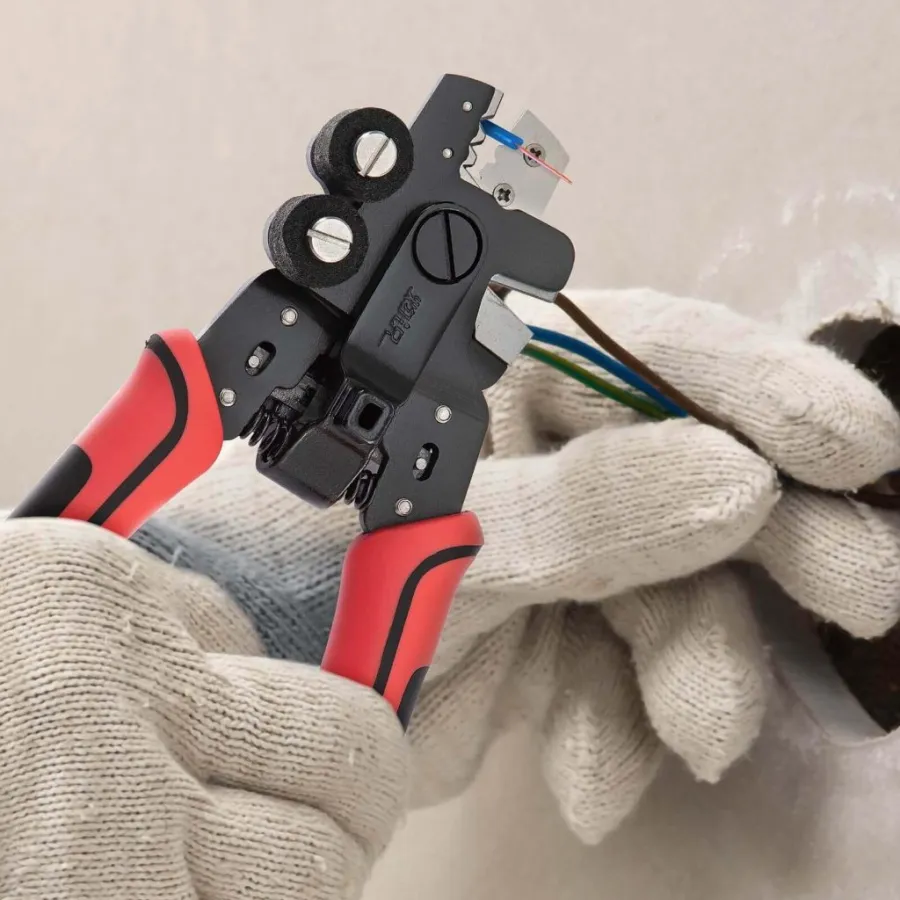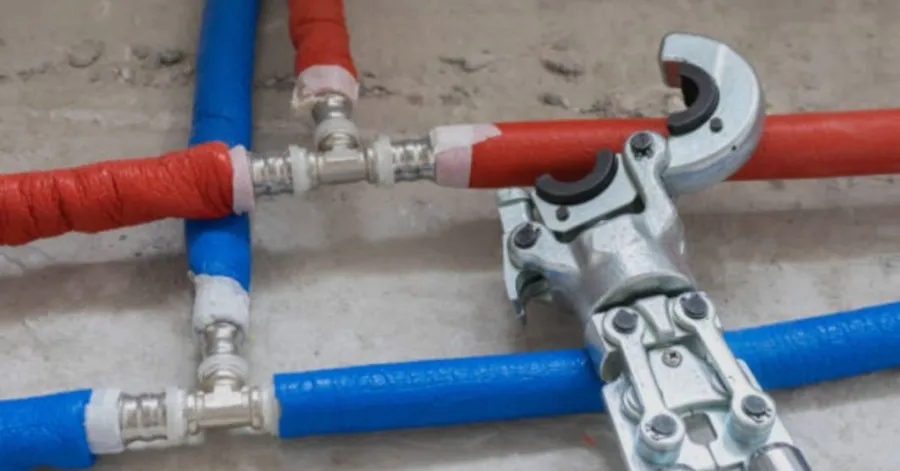
Adesea, utilizatorii trebuie să aleagă unealta potrivită pentru diferite sarcini de instalare, iar selecția corectă depinde de aplicație. În sistemele de instalații sanitare, un unealtă de sertizare pentru țevi este utilizat pentru a realiza conexiuni rezistente și fără scurgeri în țevile de cupru sau PEX prin aplicarea unei presiuni controlate asupra fitingurilor. Pe de altă parte, o unealtă de sertizare este o unealtă de rețea utilizată pentru a termina cablurile Ethernet în mufe de perete sau panouri de patch-uri. Cunoașterea instrumentului de sertizare față de cea de sertizare îi ajută pe utilizatori să cunoască bine unealta care va fi utilizată în instalațiile sanitare și unealta care este utilizată în sistemele de cablare a rețelei.
- Prezentare generală a instrumentului de sertizare a țevilor și rolul său în sistemele de instalații sanitare
- Ce este o unealtă de sertizat țevi și cum funcționează
- Prezentare generală a instrumentului Punch Down și utilizarea sa în rețele
- Diferențe cheie între unealta de sertizare și cea de perforare
- Instrument de sertizare a țevilor vs. instrument de perforare: Cum să îl alegi pe cel potrivit
Prezentare generală a instrumentului de sertizare a țevilor și rolul său în sistemele de instalații sanitare
O unealtă de sertizat pentru țevi este o unealtă obișnuită pentru instalații sanitare care produce o conexiune sigură și fără scurgeri între țevi și fitinguri. Este ușor de utilizat și adaptabilă atât pentru amatori, cât și pentru experți. Uneltele sunt deosebit de utile pentru instalarea țevilor din cupru sau PEX, unde este necesară o etanșare sigură. Cunoașterea diferenței dintre unealta de sertizat și cea de perforat în lucrările de instalare va ajuta utilizatorul să diferențieze clar între uneltele de instalații sanitare și cele de rețea și să selecteze uneltele potrivite pentru diverse sarcini.
Ce este o unealtă de sertizat țevi și cum funcționează
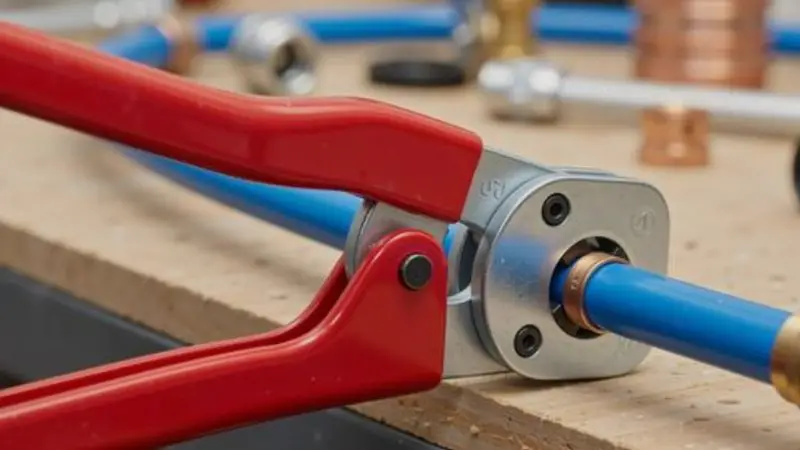
Fitingurile de țevi sunt fixate prin sertizarea unui inel metalic de sertizare în jurul unei țevi de cupru sau PEX folosind o unealtă de sertizare pentru țevi care aplică o presiune controlată asupra inelului de sertizare. Compresia formează o etanșare strânsă și etanșă între fiting și țeavă. Aceasta este de obicei utilizată în sistemele de instalații sanitare pentru a asigura conexiuni de apă robuste și stabile.
Spre deosebire de uneltele de sertizare din domeniul instalațiilor sanitare și al rețelelor, uneltele de sertizare pentru țevi sunt concepute exclusiv pentru a etanșa țevile fizice. Comparând sertizatorul cu unealta de sertizare în instalații sanitare și rețele, putem observa că cele două unelte funcționează în domenii de instalare diferite.
Când ar trebui să utilizați o unealtă de sertizat țevi
O unealtă de sertizat țevi este utilizată pentru a instala sau repara sistemele de instalații sanitare care necesită conexiuni sigure la țevi. De obicei, este utilizată în repararea rețelelor de apă de locuințe, a încălzirii și a instalațiilor sanitare.
Cel mai bine este în cazurile în care:
- Țevile trebuie conectate.
- Fitingurile sunt fie din cupru, fie din PEX.
- Trebuie sigilat cu un sigiliu etanș.
Învățarea ghidului comparativ între unealta de sertizare și unealta de perforare a țevilor îi va ajuta pe utilizatori să evite amestecarea uneltelor de instalații sanitare și de rețea și să le utilizeze corect în proiecte reale.
Avantajele și dezavantajele uneltelor de sertizare a țevilor
Unelte de sertizat țevi sunt foarte utile în dezvoltarea unor îmbinări robuste și competente pentru instalații sanitare. Economisesc timp în timpul instalării și nu necesită lipire în majoritatea sistemelor.
Pro-uri:
- Îmbinări de țevi puternice și etanșe.
- Instalare rapidă și accelerată.
- Compatibil cu țevi de cupru și PEX.
- Practic și ușor de utilizat.
Contra:
- Necesită o presiune adecvată pentru a sigila corect.
- Utilizarea poate duce la scurgeri.
- Nu trebuie utilizat în aplicații care nu au legătură cu instalațiile sanitare.
În lumea reală, alegerea unei scule superioare într-o anumită sarcină, între sertizare și perforare, se bazează pe faptul dacă se lucrează cu instalații sanitare sau cu sisteme de cablare a rețelei.
Prezentare generală a instrumentului Punch Down și utilizarea sa în rețele
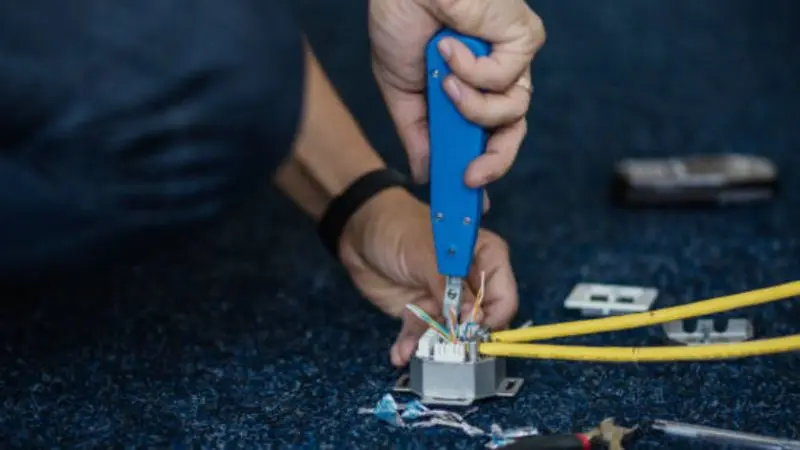
Uneltele de perforare sunt utile în sistemul de cablare organizată unde este necesară o conexiune permanentă și constantă. Acestea sunt utilizate cel mai frecvent atât în rețelele profesionale, cât și în cele domestice, pentru a menține cablurile ordonate. Uneltele sunt, de asemenea, concentrate pe instalații permanente, spre deosebire de abordările bazate pe prize.
Ce este un instrument de perforare și cum funcționează
Un dispozitiv de perforare este utilizat pentru a conecta firele Ethernet la mufe de perete, panouri de patch-uri sau blocuri terminale. Este un dispozitiv care împinge firul într-un orificiu numit conector cu deplasare a izolației (IDC). De asemenea, taie excesul de fir, prevenind scurtcircuitele și asigurând siguranța rețelei. Acest proces creează o conexiune strânsă și puternică care menține o funcționare Ethernet robustă și fiabilă.
Rezultate de înaltă calitate sunt obținute cu aplicații de cablare structurată folosind instrumente de perforare datorită preciziei și fiabilității lor. Comparativ cu instrumentul de perforare, acest instrument va fi mai potrivit pentru instalări permanente și structurate ale cablurilor Ethernet atunci când se utilizează o clește de sertizare, decât instrumentul de perforare.
- Dispozitivele de perforare introduc și conectează firele în sloturile IDC.
- Acestea realizează interconexiuni în cadrul panourilor de patch-uri, modulelor keystone și cutiilor de montare aparentă.
Instrumentul este folosit pentru a tăia firele suplimentare pentru a evita problemele în timpul conexiunilor.
Când ar trebui să utilizați o unealtă de perforare
Când se poartă cabluri Ethernet în prize de perete, panouri de patch-uri sau sisteme de cablare structurată, aveți nevoie de unelte de perforare. Acestea sunt aplicabile și în proiectele de rețele permanente unde cablurile nu sunt mutate frecvent. Sunt de obicei utilizate în birouri de acasă, instituții de învățământ și rețele de afaceri.
Această înțelegere a momentului în care să utilizați o unealtă de sertizare sau o unealtă de perforare în cablare vă va ajuta să alegeți unealta potrivită pentru cablajul dvs. Uneltele de perforare sunt cele mai potrivite atunci când sunt necesare o bună gestionare a cablurilor și o lungă durată de viață.
Există mai multe tipuri de cabluri care ar trebui utilizate cu diferite tipuri de scule de perforare:
- Instrumentul 66 – se aplică sistemelor Cat3, vocale și telefonice.
- Instrument 110 – utilizat în mod obișnuit cu cablurile Ethernet Cat5e, Cat6 și Cat6a.
- Instrument Krone – un instrument utilizat în mufele trapezoidale, cutiile de montare și panourile de patch-uri.
Alegeți unealta corectă în funcție de tipul de cablu și conector pe care îl aveți. Uneltele 110 și Krone sunt utilizate în majoritatea cablajelor Ethernet de acasă. În ceea ce privește sertizarea vs. uneltele de perforare, care unealtă este superioară pentru instalarea unei rețele, uneltele de perforare sunt superioare atunci când vine vorba de instalații structurate și fixe.
Avantajele și dezavantajele utilizării unui instrument de perforare
Instrumentele de sertizare vă oferă câteva avantaje atunci când lucrați la cablaje Ethernet, în special în modele structurate. Acestea ajută la crearea de rețele puternice, curate și fiabile care îmbunătățesc performanța rețelei. Între timp, acestea pot necesita mai mult timp și practică în comparație cu instrumentele de sertizare.
Pentru a înțelege mai bine distincția dintre o unealtă de sertizat și o unealtă de perforare în rețele, ar trebui luate în considerare punctele forte și punctele slabe ale acestei unelte.
- O precizie mai mare face munca ta mai ușoară și mai precisă.
- Oboseala redusă a mâinilor vă permite să vă îndepliniți sarcina mai repede și cu mai puțin efort.
- Eficiența ridicată permite proiecte mari de cablare.
- Formulează relații sănătoase și sigure.
Cu toate acestea, sertizatoarele necesită mai puțin timp decât uneltele de perforare folosite pentru fabricarea cablurilor. De asemenea, trebuie să învățați să le folosiți corect pentru a evita ruperea firelor sau formarea de conexiuni slabe. Comparând sertizatorul cu unealta de perforare, acesta este potrivit pentru lucrări solicitante, cum ar fi cablarea permanentă, în timp ce unealta de perforare este utilizată pentru lucrări rapide care necesită cabluri flexibile.
Diferențe cheie între unealta de sertizare și cea de perforare
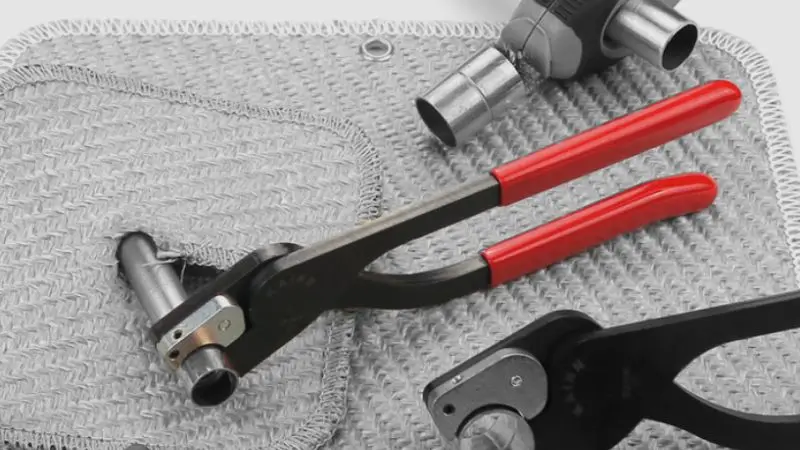
Atunci când se compară instrumentele de instalare în diferite industrii, este important să se înțeleagă cum sunt utilizate acestea în situații reale. În instalații sanitare, o clește de sertizat este utilizată pentru a fixa fitingurile de țevi, iar în rețele, o unealtă de sertizat este utilizată pentru a termina cablurile Ethernet la priza de perete și la panoul de patch-uri. În lucrările de instalare, cleștele de sertizat și unealta de sertizat au utilizări complet diferite. Alegerea instrumentului potrivit sporește eficiența, reduce erorile de instalare și asigură funcționarea corectă a sistemului în sarcinile de instalații sanitare și rețele.
Compatibilitate cabluri și aplicații pentru fiecare instrument
Instrumentele de sertizare pentru țevi sunt concepute special pentru a se potrivi sistemelor de instalații sanitare, cum ar fi țevile de cupru și PEX, unde conexiunile trebuie închise cu presiunea controlată a fitingurilor. Instrumentele de sertizare sunt utilizate în scopuri de rețea, unde cablurile Ethernet sunt introduse în prizele de perete sau în sloturile IDC ale panourilor de patch-uri. Diferența de compatibilitate dintre un sertizator și un instrument de sertizare utilizat în instalații sanitare și rețele este evidentă. Sertizatoarele sunt utilizate exclusiv pentru etanșarea țevilor, în timp ce instrumentele de sertizare sunt utilizate numai pe sistemele de cablare structurată și în instalațiile de comunicații și rețele.
Diferențe de performanță, viteză și fiabilitate
Atunci când sunt utilizate corect în instalațiile sanitare, uneltele de sertizare a țevilor oferă etanșări rapide, puternice și fără scurgeri. Acestea asigură durabilitatea conexiunilor țevilor pe termen lung. Uneltele de sertizare asigură terminații uniforme și stabile ale firelor în sistemele de rețea (în special în sistemele fixe, cum ar fi panourile de patch-uri și prizele de perete). În analiza care unealtă este mai bună, sertizatorul vs. unealta de sertizare în diverse aplicații, depinde de utilizare. Etanșarea rapidă a instalațiilor sanitare se realizează cel mai bine cu sertizatoare și un sistem de cablare a rețelei structurat și permanent cu unelte de sertizare.
Ușurință în utilizare pentru începători și profesioniști
Unelte de sertizat țevi Necesită experiență pentru a utiliza cantitatea potrivită de presiune, dar pot fi învățate ușor cu experiență în instalațiile sanitare. Uneltele de sertizare sunt de obicei mai ușor de utilizat la începutul conectării la rețea, deoarece necesită introducerea ușoară a firelor în sloturile IDC. Este important să cunoașteți aceste două unelte pentru a decide asupra abordării corecte de lucru. În ceea ce privește diferențele dintre sertizat și unealta de sertizare în lucrările de instalare, ușurința în utilizare variază în funcție de tipul de industrie, unde sertizatoarele se referă la abilitățile de instalații sanitare, iar unealta de sertizare se referă la ușurința terminării cablurilor de rețea.
Costul și valoarea pe termen lung a fiecărui instrument
Instrumentele de sertizare pentru țevi pot fi scumpe, fie că este vorba de unelte manuale sau hidraulice, însă sunt foarte eficiente în ceea ce privește valoarea pe termen lung în sistemul de instalații sanitare, deoarece sunt durabile. Instrumentele de sertizare sunt relativ mai puțin costisitoare și comune în instalațiile de rețele atunci când se realizează cablare structurată. O comparație între sertizare și instrumente de sertizare pentru profesioniștii din domeniul instalațiilor sanitare și al rețelelor ar fi că ambele instrumente ar oferi beneficii pe termen lung în domeniile lor respective. Ultima opțiune se va baza pe tipul de proiect care va fi realizat, de exemplu, rețele de conducte sau sisteme de cabluri de rețea.
Instrument de sertizare a țevilor vs. instrument de perforare: Cum să îl alegi pe cel potrivit
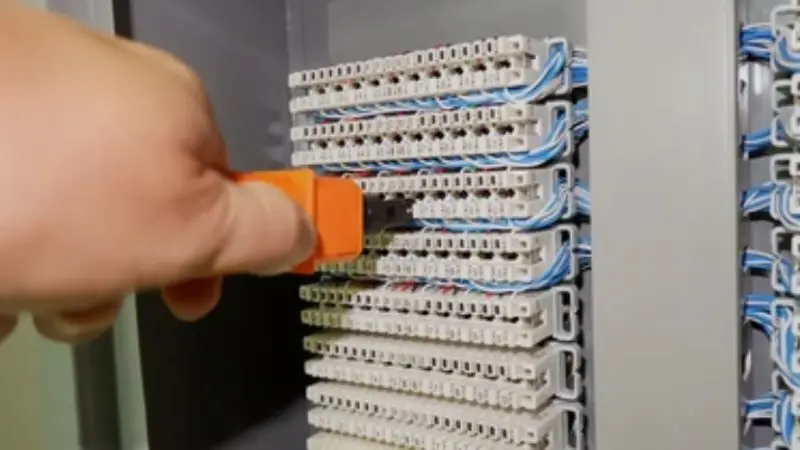
Instrumentul pe care îl alegeți va depinde exclusiv de natura lucrărilor de instalare pe care le efectuați. Sistemele de instalații sanitare folosesc o sertizare (instrument de sertizare pentru țevi) pentru a realiza fitinguri puternice și fără scurgeri, în timp ce sistemele de rețea utilizează un instrument de perforare pentru a conecta cablurile Ethernet la o priză de perete și la un panou de patch-uri. Diferențele dintre sertizare și instrumentul de perforare atunci când lucrați la lucrări de instalare vor ajuta utilizatorul să aleagă instrumentul potrivit în funcție de natura proiectului său, precum și să prevină greșelile în timpul instalării.
Utilizarea uneltelor în proiecte casnice și în munca profesională
În proiectele casnice, consumatorii tind să se ocupe de sarcini minore, cum ar fi lucrări simple de instalații sanitare sau instalații de rețea. O conexiune mică de instalații sanitare cu țevi de cupru sau PEX folosește o unealtă de sertizat țevi, iar o simplă conectare Ethernet la birourile de acasă folosește o unealtă de perforare. Uneltele sunt ușor de utilizat și pot fi utilizate în aplicații la scară mică.
În mediile comerciale, sarcina este mai complexă, deoarece implică sisteme complete de instalații sanitare sau instalații în rețea în clădiri. Uneltele de sertizare a țevilor sunt de obicei utilizate de profesioniști pentru a etanșa în mod fiabil țevile, iar uneltele de perforare sunt utilizate pentru a organiza cablajul rețelei. Sertizatorul vs. unealta de perforare în instalații sanitare și rețele este un instrument necesar, utilizat în industrii total diferite.
Ce trebuie să verificați înainte de a cumpăra o unealtă de sertizat țevi
În alegerea unui unealtă de sertizare pentru țevi, trebuie acordată atenție calității construcției, confortului și compatibilității cu țevile. O unealtă de calitate va garanta o îmbinare bună și fără scurgeri în instalațiile sanitare din cupru și PEX. De asemenea, trebuie să se potrivească diferitelor dimensiuni de țevi pentru a efectua diverse lucrări de instalare.
Un mâner ergonomic este important în ameliorarea oboselii mâinii în timpul sarcinilor intense de instalații sanitare. Acest lucru este util în special atunci când se montează o serie de fitinguri care necesită sertizare. Unde există o unealtă de sertizare mai bună pentru diferite aplicații? Uneltele de sertizare pentru țevi sunt evident destinate să funcționeze în sistemul de instalații sanitare, în timp ce unealta de sertizare nu ar trebui utilizată în instalarea țevilor.
Caracteristici cheie ale unei scule bune de sertizat țevi
O unealtă de sertizare de calitate pentru țevi trebuie să fie puternică, rezistentă și capabilă să ofere o presiune constantă pentru a facilita conexiuni sigure ale țevilor. Durabilitatea garantează o durată lungă de viață chiar și atunci când este utilizată în instalații sanitare grele. Atributele de siguranță sunt utilizate pentru a minimiza riscurile pentru utilizator atunci când efectuează operațiuni de sertizare la presiune înaltă, iar compatibilitatea garantează utilizarea sa cu diferite dimensiuni de țevi și fitinguri.
Alte modele sofisticate au mânere ergonomice sau asistență hidraulică pentru a spori eficiența și a reduce efortul. În comparația generală dintre sertizator și scule de perforare în instalații sanitare și rețele, sculele de sertizare a țevilor sunt cele mai potrivite în sistemele de instalații sanitare, în timp ce sculele de perforare sunt utilizate doar la terminarea cablurilor de rețea și a cablajelor structurate.
Învelire
Utilizarea unei clești de sertizare pentru țevi sau a unei clești de perforare va depinde exclusiv de natura lucrărilor de instalare efectuate. O clește de sertizare pentru țevi este utilizată în instalațiile sanitare, unde țevile de cupru sau PEX trebuie conectate cu conexiuni puternice și fără scurgeri sub presiune controlată. În schimb, o clește de perforare este utilizată într-un sistem de rețea pentru a termina cablurile Ethernet la prizele de perete și panourile de patch-uri.
Diferența dintre cleștele de sertizat și cele de perforat în lucrările de instalare poate ajuta utilizatorii să aleagă scula potrivită pentru lucrare. În instalațiile reale, cele două unelte sunt de obicei aplicate individual în domeniile lor respective pentru a garanta eficiența, siguranța și longevitatea. Unealta potrivită va garanta o muncă mai curată, va reduce numărul de greșeli și va oferi rezultate de sistem mai credibile.
FAQ
Care ar fi consecințele utilizării incorecte a unei unelte în cadrul lucrării?
O unealtă nepotrivită poate duce la rezultate ineficiente și la funcționarea defectuoasă a sistemului. Conexiunile instalațiilor sanitare necesită o unealtă de sertizare pentru țevi, iar firele de rețea necesită o unealtă de sertizare. Lucrul cu o unealtă greșită poate deteriora materialele sau poate produce legături slabe și instabile.
Este posibil să se utilizeze o unealtă de perforare în țevi?
Nu. Instrumentul de sertizare nu este destinat utilizării în instalații sanitare. Poate fi utilizat doar cu cabluri Ethernet și de comunicații. Sertizarea țevilor se face folosind un instrument special de sertizare, care aplică o presiune mare pentru a fixa fitingurile.
Este obligatoriu să ai ambele unelte pentru a face instalări la domiciliu?
În multe cazuri, da. Reparațiile sau instalațiile sanitare se fac cu o unealtă de sertizat țevi, iar rețelele de domiciliu, cum ar fi conexiunile Ethernet de perete, se fac cu o unealtă de perforat. Ambele unelte au diverse aplicații în lucrările de îmbunătățire a locuinței.
Ce te face să știi dacă conexiunea este făcută corect sau nu?
În cazul instalațiilor sanitare, țeava, după ce a fost sertizată corespunzător, trebuie să aibă o etanșare etanșă și uniformă, fără scurgeri. Pentru a conecta la rețea, o conexiune prin perforare trebuie să genereze un clic sigur și o utilizare stabilă a internetului. În ambele situații, se efectuează testarea pentru a se asigura că conexiunea este sigură și fiabilă.