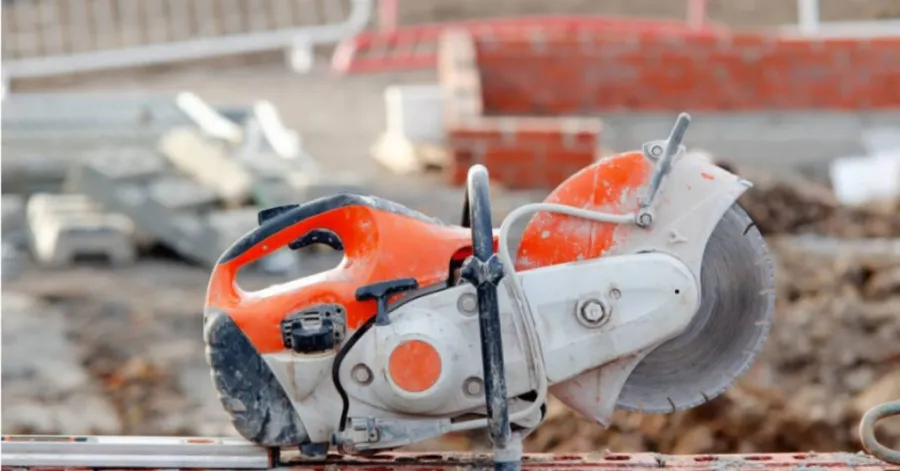
Alege dreapta ferăstrău pentru beton blade and you will notice an immediate difference in cutting speed, smoothness, and overall safety. Cost and diameter are not the only things that determine whether a blade will work for you. Factors like the concrete’s hardness, aggregate composition, your saw model, blade diameter, and whether you are cutting wet or dry all play into the choice. Choosing the right concrete saw blade also helps match the blade’s design to the demands of the job.
Bond hardness matters as much as anything, since it dictates how fast or slow the diamond grit wears away as you cut. To avoid glazing over or burning through teeth prematurely, soft concrete calls for one type of bond while hard concrete demands another. In this guide, you will learn how to pair a diamond blade with your material, fit the right wheel to your saw, and keep it cutting reliably over time.
What Types of Concrete Saw Blades Are Available?
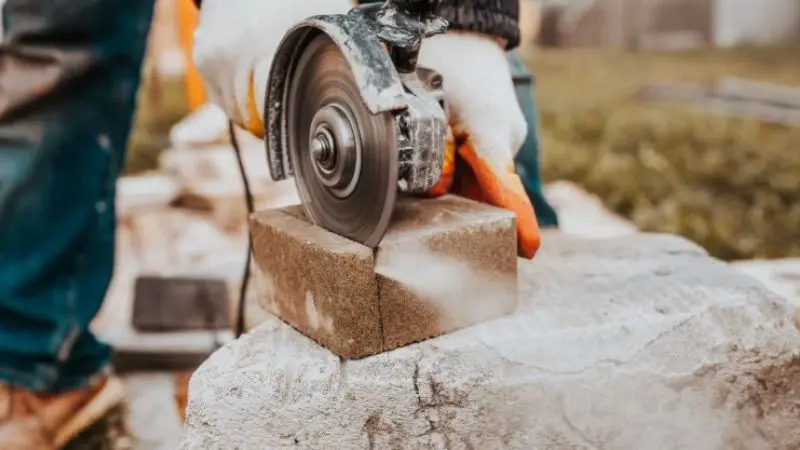
Choosing the right one starts with checking the blade’s cutting method and how its rim is designed. The blade profile you choose dictates how the concrete is going to respond.
Rim design governs practically all of it, including heat generation, swarf removal, feed rate, and the quality of the finished edge. You will mainly choose between segmented, continuous-rim, and turbo-rim blades, combined with options made strictly for wet or dry cutting.
Continuous-Rim Concrete Blades
Because their perimeter is one uninterrupted band, these blades leave a far cleaner, smoother cut. Chips stay to a minimum thanks to the uninterrupted rim, which matters anytime edge presentation counts. Wet-cutting setups and closer-tolerance materials are where you see them used most. This type of concrete saw blade is useful when a smooth finished edge matters more than fast material removal.
Figuring out which concrete blade fits best comes down to three things: your material, the cutting setup, and how clean the cut must be. They make good sense on decorative pours and any other surface where the exposed edge has to stay sharp.
Operators regularly run water over these to keep heat down and knock down the dust. Keep the feed rate even and let the blade do the work instead of leaning into the cut. Cutting slowly and with care dampens chatter and leaves a far better edge.
Turbo-Rim Concrete Blades
With their serrated or textured edge, turbo-rim blades pull together elements from both continuous-rim and segmented types. Debris clears out faster, and cooling improves thanks to the rim’s slots, yet the tight spacing still leaves a cleaner cut than a lot of segmented options.
That balance makes turbo blades a sensible middle-of-the-road choice for everyday concrete jobs. When weighing options for different concrete cutting tasks, you might find that a turbo-rim gives you the right compromise between a clean edge and rapid cutting. It can be a practical concrete saw blade choice when you need both cutting speed and a reasonably clean finish.
Provided the maker rates them for it, turbo blades handle concrete along with masonry, brick, and comparable substrates. Manufacturers produce them to run either wet or dry. Always verify what the blade is rated for and what materials it handles before starting work.
Wet vs. Dry Cutting Blades
Running water over a wet-cutting blade cools down the rim and suppresses airborne dust. They suit extended cuts well, particularly when excessive heat would otherwise compromise blade performance. On the right stock, adding water can also yield a cleaner finish.
Dry blades are built to make steady, controlled cuts without needing a steady feed of water. They commonly show up on modest jobs, repair tasks, or anywhere wet methods simply do not work. Even so, managing the dust properly matters whenever you cut concrete dry.
When picking out a diamond concrete blade, ensure the way it cuts lines up with your tool and the job at hand. The right concrete saw blade should also be rated for the cutting method you plan to use. Do not run water on a blade unless it carries an explicit wet-cutting rating. You should always run the blade at the maker’s stated RPM and follow their cooling and handling directions.
Cum să alegi lama potrivită pentru ferăstrău de beton
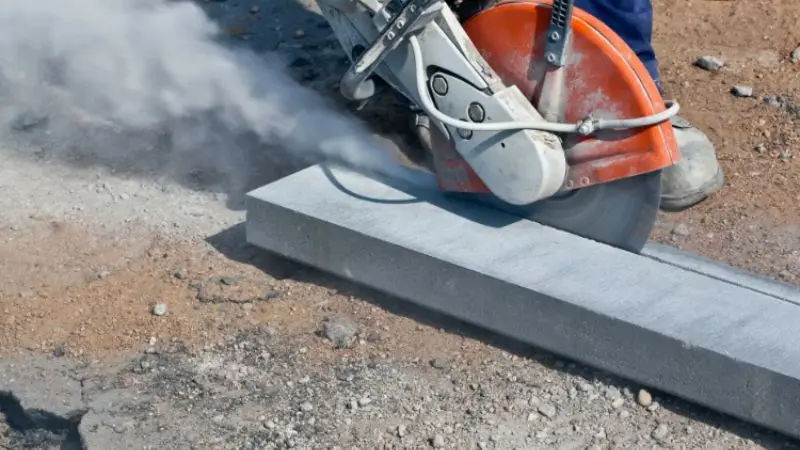
There is more to finding the right blade than just grabbing a familiar brand or the right diameter. Every factor matters for blade performance, from the concrete and the văzut to your cutting method and the requirements of the job.
First, figure out what you are cutting, then look over your saw’s technical specs. Taking these steps helps you pick a blade that cuts cleanly while cutting down on safety hazards and premature wear.
Choose a Blade Based on the Material
Look at the material in front of you before you ever look at a blade. Take stock of the concrete’s hardness, its condition, the type of aggregate, and any rebar before you buy anything. Cutting speed and overall blade life both depend directly on those details. These factors also help determine which concrete saw blade will perform properly on the material.
A harder bond is usually best for soft concrete and soft aggregate, since it holds on to the diamonds longer. Hard aggregate tends to need a softer bond so spent diamond grit can shed, bringing fresh diamonds to the surface to keep cutting. Striking this balance keeps the blade from glazing over, cutting sluggishly, or wearing out before its time.
Pair the bond hardness to your specific material instead of just relying on the blade’s dimensions or appearance.
| Concrete Aggregate Type | Recommended Bond Hardness |
| General-purpose concrete | Medium to medium-hard bond |
| Granite or basalt aggregate | Softer bond |
| Limestone aggregate | Slightly harder bond |
| Reinforced concrete (with rebar) | Extremely hard segments |
Consider Reinforcement and Concrete Age
Cutting reinforced concrete calls for a blade built to tackle steel alongside concrete. A concrete saw blade designed for reinforced concrete can help handle the added resistance from rebar. Pick a lama de diamant that pairs the right concentration of diamonds with an appropriate soft-to-medium bond. You need the bond to wear down steadily so it continually reveals fresh diamond grit while cutting.
Because rebar generates extra heat and drag, a purpose-built reinforced concrete blade is a better choice than a standard general-purpose one. Depending on the aggregate involved, non-reinforced concrete can require different bond properties and segment patterns.
How long the concrete has cured also changes the way it cuts. Because green concrete has not locked its aggregate fully in place, sawing too soon can tear stones out of the surface and leave rough, raveled edges. Even so, you cannot base your blade choice on age by itself. Hardness, aggregate type, reinforcement details, and the mix design all come into play.
Match the Blade to Your Saw
văzut you are running dictates which blades are safe to mount. Before mounting any blade, verify the saw’s arbor dimensions, blade diameter, motor horsepower, power type, maximum RPM, and what it was built to cut. A properly matched concrete saw blade should meet all of these specifications.
How deep you can cut depends directly on the diameter of the blade. The arbor has to fit the saw properly, too, as any mismatch introduces a serious safety hazard. Pick a blade that cuts as deep as you need without going beyond what the saw is rated for.
văzut and the blade speed have to match as well. If you have a 14-inch blade rated for a maximum speed of 5,400 RPM, for instance, the saw has to run within that specified range. Do not ever run a blade faster than its maximum RPM rating.
Choose Wet or Dry Cutting
Cutting wet versus cutting dry calls for distinct operating setups and different blade builds. Because wet-cutting blades use water to suppress dust and keep temperatures down, they suit deeper or longer cuts where heat could otherwise become an issue.
Blades built for dry cutting are meant for controlled, stop-and-start cuts rather than running on continuous water. Cutting concrete kicks up a lot of airborne dust, so proper dust control is still necessary with them. Before using a concrete saw blade, check whether it is intended for wet or dry operation.
As you choose a concrete blade, confirm whether it is meant for wet or dry cutting and make sure that matches both your tools and the job at hand. Stick to the manufacturer’s guidelines regarding operating conditions, cooling, and RPM.
How to Use and Maintain a Concrete Saw Blade
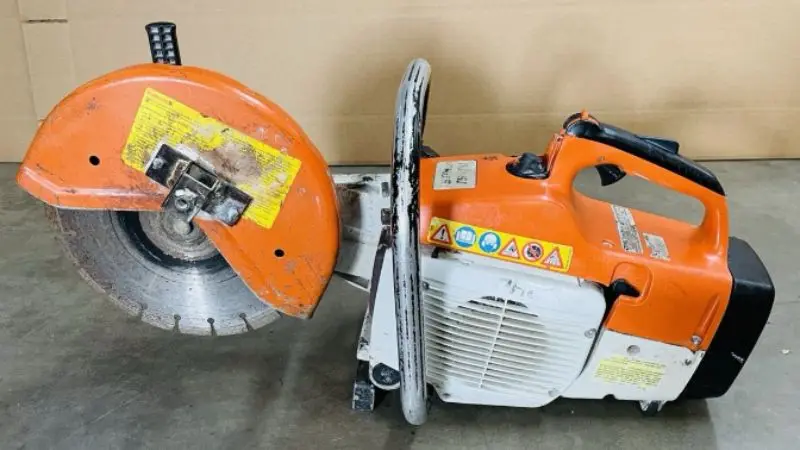
A blade cuts more consistently when it is installed correctly, fed smoothly, kept cool, and inspected regularly. These practices also help prevent needless blade wear while making the site safer to work on.
Check the concrete blade before every single cut, whether you are tackling a minor patch job or working on a large build. Swap out worn or damaged blades right away to keep both yourself and the machine safe.
How to Install a Concrete Saw Blade
Begin by unplugging or disconnecting the văzut from power, ensuring there is no chance of an accidental start. Check the arbor, flanges, and blade itself for bends, cracks, lost segments, or any other visible damage. Do not mount a blade that has any damage.
Verify that the rotation arrow points the same way as the saw spindle turns. Seat the blade firmly on the arbor so it lies completely flat to the flange. Secure the fastener to the specifications laid out by the manufacturer. Take care not to crank it down too hard.
Check that the blade guard is locked down and aligned properly prior to turning on the văzut. Even the best concrete saw blade will not perform properly if it is installed incorrectly.
How to Cut Concrete With a Diamond Blade
Begin by laying out your cut line and removing clutter from the surrounding space. Get the saw into a stable stance and bring it up to speed before letting the blade touch the concrete. Push the văzut ahead using smooth, measured force. Do not pinch, twist, or muscle the blade while cutting.
Rather than trying to force the blade through all at once on a deep cut, take multiple shallow passes. Cutting this way keeps the blade from overheating and spares it pointless strain.
If you are trying to decide on the right concrete blade, pick a diamond blade made specifically for your văzut and the exact concrete you are cutting. The right diamond blade for concrete also needs to fit your operating RPM, how deep you plan to cut, and whether you are running wet or dry.
Maintain the Blade During Cutting
Alt text: how to maintain blade during concrete cutting
Your blades will last longer if your cutting technique is sound. Feed the saw at an even pace and stick to a suitable depth of cut. Resist leaning into the văzut when it bogs down; extra pressure only drives up heat and accelerates wear.
When cutting wet, keep enough water running over the blade to keep temperatures down and dust under control. Blades rated for dry cutting are mostly meant for brief, measured passes paired with proper dust protection.
Sweep or vacuum up dust and debris from your work surface as you go. Do not run water on a blade unless it is explicitly rated for wet use. These basic habits are what keep a good ferăstrău pentru beton blade cutting cleanly and predictably right through to the end of the project.
Știți când să înlocuiți lama
No diamond blade will hold up forever. Keep an eye out for signs like a blade that cuts noticeably slower, needs heavy pushing, has lost segments, has cracked, warped, vibrates strangely, or shows core damage. Take the blade out of service the moment you spot any structural flaws.
Just because a blade still seems able to cut does not mean you should keep running it. Running a damaged blade puts the operator in real danger and risks wrecking the văzut de asemenea.
Even top-tier concrete saw blades are only as good as the shape they are in. Check the blade on a regular basis, and swap it out if you notice damage or hit the manufacturer’s wear threshold.
Follow Essential Safety Practices
Put on proper ear and eye protection every time you run a ferăstrău pentru beton. Whenever concrete cutting kicks up dangerous dust, put on proper respiratory gear. You can gain extra protection by wearing work gloves and solid boots, and you must always keep the blade guard correctly mounted.
Keep other people clear of where you are cutting, and route power cords and water hoses so the văzut cannot catch on them. Look over the blade before turning the tool on, and stick to the manufacturer’s guidelines.
Do not run the blade past the RPM limit stamped on it. Safe cutting comes down to pairing the blade with the tool and the job, regardless of whether you have a basic concrete saw blade mounted or a specialty diamond disc.
Învelire
Găsirea corectă lama de beton means first pairing bond hardness to the aggregate and concrete, then confirming diameter, saw fit, maximum speed, and whether the cut is wet or dry. Using the right blade keeps segment glazing and wear down, lowers cutting expenses, and helps jobs move faster. Take a close look at your material and job specifications before you buy so you can settle on the right concrete blade and count on the outcome.
Întrebări frecvente
Comparați tipurile de lame: ce lame funcționează cel mai bine pe diferite amestecuri de beton și ce ferăstraie le folosesc?
Because concrete mixes differ in both abrasiveness and hardness, you have to pay attention to segment design and blade bond. Softer bonds usually suit hard concrete, whereas abrasive mixes tend to call for a harder bond. They run on both handheld cut-off saws and walk-behind units.
How do diamond blade concrete saws compare to abrasive wheel saws — list differences and examples?
On concrete, diamond blades usually outlast abrasive wheels and cut through the material quicker. Their upfront price tag is higher, but the cuts they leave are typically cleaner. Abrasive wheels run down faster and fit lighter-duty concrete work better.
Care ferăstraie pentru beton au cea mai lungă durată de viață a lamei — enumerați modelele cunoscute pentru durabilitate?
How long a blade lasts comes down to aggregate type, concrete hardness, bond specs, cut depth, cooling, and how the operator handles the saw. In practice, a durable blade properly suited to the material will last significantly longer than one that was poorly chosen.
What are the best concrete saws for cutting thick slabs over 6 inches?
When dealing with slabs past 6 inches, pick a saw that offers enough depth along with a matching large-diameter diamond blade. When you need enough power to make deep, straight cuts, walk-behind floor saws are the standard choice.