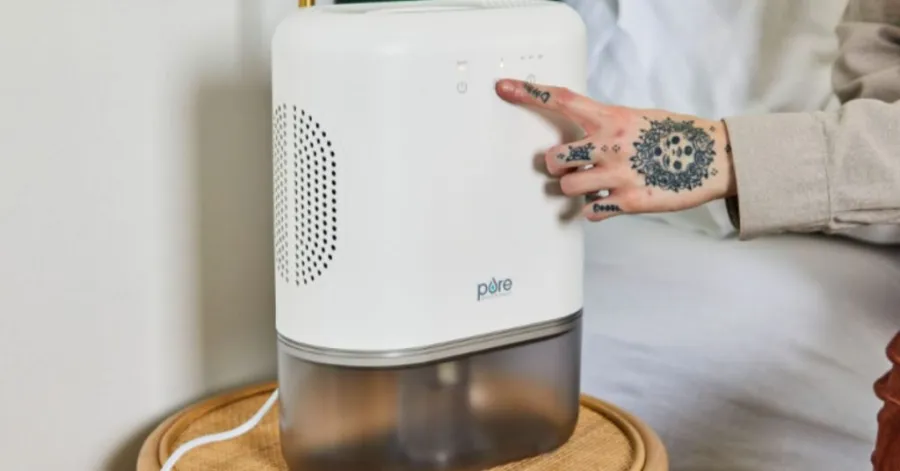
A escolha de um desumidificador adequado ajudará a manter sua casa seca e confortável, livre de mofo. Perguntas como "Qual o tamanho ideal de desumidificador para mim?" são sempre um desafio, já que cada cômodo tem níveis de umidade e necessidades de espaço diferentes. Mesmo um pequeno erro na escolha do tamanho pode resultar em umidade descontrolada, aumento do consumo de energia e problemas constantes de mofo. Neste guia, você aprendeu como o tamanho do cômodo, o nível de umidade e o tipo de ambiente influenciam sua escolha. Seja um quarto, porão ou banheiro, o desumidificador certo é fundamental. desumidificador Ajuda a melhorar a qualidade do ar, reduzir a poeira e prevenir o crescimento de mofo, proporcionando um ambiente de vida mais saudável.
- Por que escolher o tamanho certo do desumidificador é importante
- Fórmula simples para dimensionar o desumidificador ideal e escolher o aparelho certo.
- Como escolher a capacidade correta em pintas para o seu desumidificador
- Guia de Tipos e Dimensionamento de Desumidificadores
- Erros comuns a evitar na escolha do tamanho ideal do desumidificador.
Por que escolher o tamanho certo do desumidificador é importante
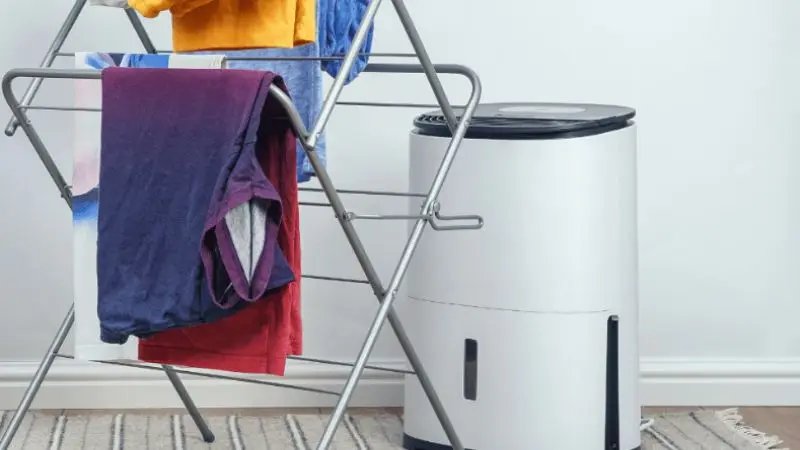
O conforto, a qualidade do ar e o consumo de energia da sua casa dependem do tamanho do seu desumidificador. A maioria das pessoas compra o aparelho sem verificar o tamanho do cômodo ou o nível de umidade, o que geralmente resulta em desempenho insatisfatório. Um desumidificador com o tamanho adequado eliminará a umidade de forma eficaz e manterá o nível de umidade ideal.
A questão de qual o tamanho de desumidificador que você precisa depende do tamanho e da umidade do seu cômodo. O aparelho certo ajuda a prevenir o mofo, aumenta o conforto interno e reduz os custos de energia.
Como o tamanho certo do desumidificador ajuda a melhorar a saúde e o conforto.
A umidade pode deixar sua casa úmida, pegajosa e desconfortável. O excesso de umidade também favorece o crescimento de mofo e ácaros, que causam alergias e problemas respiratórios. Um desumidificador com a capacidade adequada pode ser usado para eliminar o excesso de umidade e manter o ar interno mais limpo e fresco. Muitos proprietários de imóveis buscam o desumidificador ideal para suas casas a fim de prevenir o mofo, mas precisam controlar a umidade antes que seja tarde demais.
As pessoas também perguntam qual o tamanho ideal de desumidificador para um quarto e para um banheiro, pois essas áreas tendem a acumular mais umidade do que outras partes da casa.
Como o tamanho correto do desumidificador ajuda a economizar energia e dinheiro
Escolher o desumidificador do tamanho certo pode ajudar a economizar energia. Um cômodo grande pode ter um aparelho pequeno que não extraia a umidade necessária, enquanto um aparelho grande demais pode consumir muita energia ligando e desligando com muita frequência. Esses dois cenários consomem mais energia e são menos eficientes.
Uma dúvida frequente entre proprietários de imóveis é: qual o tamanho ideal de desumidificador para uma casa de 93 m² (1000 pés quadrados) ou para uma casa de 139 m² (1500 pés quadrados), buscando um equilíbrio entre desempenho e economia de energia? Um aparelho com o tamanho adequado é eficiente, remove a umidade mais rapidamente e contribui para aumentar a vida útil do equipamento.
Problemas que você pode enfrentar ao usar um desumidificador do tamanho errado.
Um desumidificador com tamanho inadequado pode causar problemas contínuos de umidade em sua casa. Uma unidade pequena pode causar alta umidade, resultando em mofo, odores de mofo e paredes úmidas. A maioria das famílias se preocupa com o tamanho do desumidificador necessário para o porão, e é por isso que muitas pessoas perguntam sobre o tamanho ideal antes de comprar um desumidificador.
O problema também pode surgir quando um desumidificador superdimensionado é instalado, pois tende a parar prematuramente sem manter um nível de umidade adequado. Para evitar erros de dimensionamento que podem levar a um ambiente menos confortável, os proprietários geralmente consideram qual o tamanho ideal de desumidificador para uma casa úmida.
Fórmula simples para dimensionar o desumidificador ideal e escolher o aparelho certo.
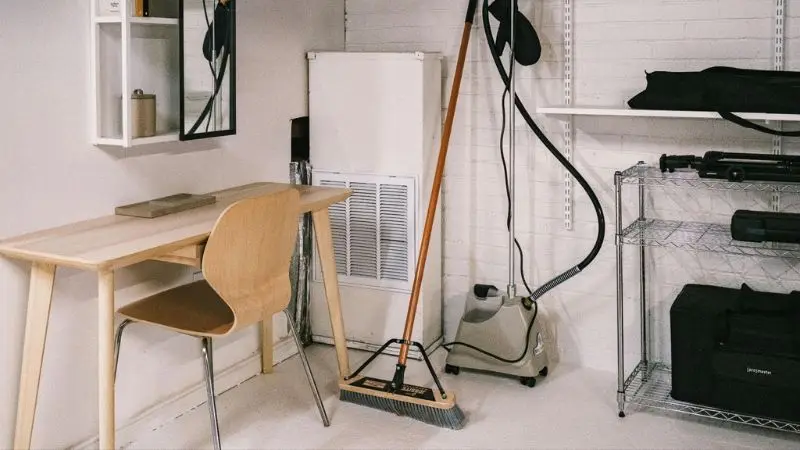
Ao usar uma fórmula simples, é mais fácil obter o tamanho correto de desumidificadorVocê deve medir o seu quarto, determinar a umidade e compatibilizar ambos com a capacidade adequada do umidificador. Essa etapa ajuda a aumentar a umidade e a evitar a compra de um aparelho que seja muito pequeno ou muito grande.
Mesmo que você ainda não tenha certeza sobre o tamanho do desumidificador que precisa, estas etapas simples ajudarão você não apenas a selecionar o mais adequado para sua casa, mas também a garantir um ambiente interno mais confortável.
Como medir o tamanho do cômodo para dimensionar corretamente o desumidificador.
Primeiramente, meça o comprimento e a largura do seu cômodo usando uma fita métrica. Divida a área total em pés quadrados pelo resultado da medição. Por exemplo, um cômodo com 10 pés de largura e 15 pés de comprimento tem uma área de 150 pés quadrados. Esse valor é importante porque quanto maior o cômodo, maior a capacidade de remoção de umidade necessária.
Ao procurar um desumidificador para um ambiente amplo ou um cômodo aberto, muitos proprietários se perguntam qual o tamanho ideal para cobrir 1000 pés quadrados (aproximadamente 93 m²). Determinar as dimensões do seu cômodo ajudará você a evitar a compra de um desumidificador inadequado para o nível de umidade.
Como verificar os níveis de umidade no seu quarto
Meça o cômodo e, em seguida, sinta a umidade. Mau cheiro, ar abafado, condensação ou umidade são os sintomas típicos de alta umidade. A umidade pode ser medida com mais precisão com um higrômetro; no entanto, a presença de umidade visível também é usada para detectar problemas de mofo.
Casas com umidade excessiva podem exigir um controle de umidade mais rigoroso, principalmente porões e casas mais antigas. Por isso, muitos proprietários se perguntam qual o tamanho ideal de desumidificador para uma casa úmida antes de escolher um aparelho. Ambientes muito úmidos geralmente precisam de um desumidificador maior para serem mais eficazes e rápidos na remoção da umidade.
Como escolher a capacidade correta em pintas para o seu desumidificador
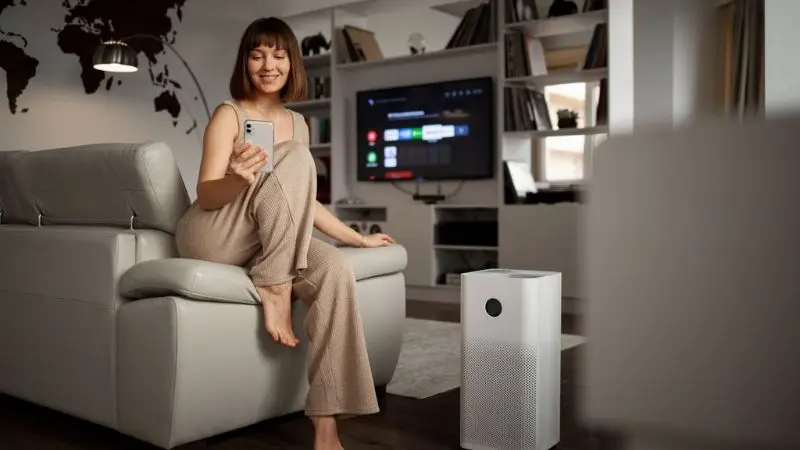
Após saber o tamanho e a umidade do cômodo, você pode escolher a capacidade adequada do desumidificador. Cômodos pequenos com baixa umidade requerem menos potência, enquanto cômodos grandes e úmidos exigem um aparelho mais potente. Áreas sempre úmidas podem se beneficiar de uma capacidade maior para um melhor desempenho.
Muitas pessoas que possuem casas perguntam qual o tamanho ideal de desumidificador para o porão, já que, na maioria dos casos, é lá que a umidade se acumula mais do que em outras áreas da casa. Escolher o tamanho certo ajuda a manter a umidade equilibrada, facilitando o conforto e permitindo que o desumidificador funcione de forma eficaz, sem sobrecarregar o sistema.
Qual o tamanho ideal de desumidificador para cada cômodo da sua casa?
Selecionando um desumidificador A umidade relativa do ar em cada cômodo é importante, pois varia de um para o outro. Alguns cômodos permanecem úmidos o ano todo, enquanto outros exigem baixa umidade. O tamanho adequado do filtro ajudará a eliminar mofo e poeira, além de proporcionar conforto à sua casa.
Se você continua perguntando qual o tamanho ideal de desumidificador para cada cômodo, a resposta depende do tamanho do ambiente, do nível de umidade e da forma como ele será usado. Este guia básico, cômodo por cômodo, ajudará você a escolher o desumidificador certo sem complicações.
Qual o tamanho ideal de desumidificador para controle de umidade no porão?
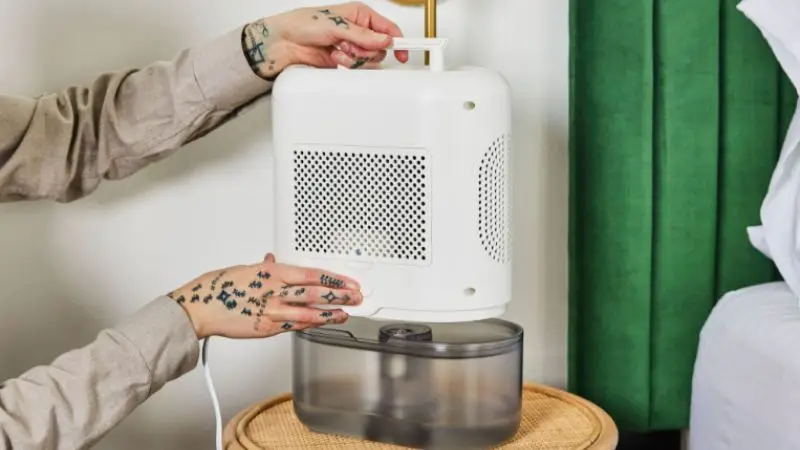
A umidade costuma ser mais alta nos porões das casas. Eles são úmidos, escuros e abafados, o que favorece o crescimento de mofo, poeira e ácaros. Você pode sentir cheiro de mofo, paredes molhadas ou até mesmo água acumulada em casos extremos.
Um desumidificador de 50 pintas é adequado para um porão de até 800 pés quadrados (aproximadamente 74 m²). Um aparelho de 70 pintas é mais indicado para porões maiores ou muito úmidos. A maioria das pessoas que perguntam sobre o tamanho ideal de desumidificador para o porão deseja eliminar o mofo e evitar que a umidade vinda do subsolo afete toda a casa.
Qual o tamanho ideal de desumidificador para o conforto do quarto?
Para dormir melhor e ter um ar mais limpo, os quartos devem ter um nível de umidade equilibrado. O excesso de umidade pode causar mofo nas paredes, janelas e roupas de cama. Colchões e carpetes também acumulam poeira e ácaros, podendo levar a alergias.
Um desumidificador de 20 a 22 pintas é suficiente para a maioria dos quartos de até 400 pés quadrados (aproximadamente 37 m²). Quando o ambiente está muito úmido, um aparelho de 30 pintas é mais adequado. Muitos usuários perguntam qual o tamanho ideal de desumidificador para um quarto, visando melhorar a qualidade do ar e o conforto durante o sono.
Qual o tamanho ideal de desumidificador para banheiros úmidos?
O vapor gerado pelo chuveiro e pelas pias nos banheiros é constante. Isso pode causar umidade e, se não for controlada, pode levar ao surgimento de mofo em azulejos, tetos e cortinas de chuveiro.
Banheiros pequenos podem ser tratados com um desumidificador de 20 pintas, enquanto banheiros maiores ou mais abafados devem usar um modelo de 30 pintas. A questão de qual o tamanho ideal de desumidificador para usar em um banheiro para eliminar embaçamento, umidade e mofo pode ser encontrada em mecanismos de busca.
Qual o tamanho ideal de desumidificador para a umidade da cozinha?
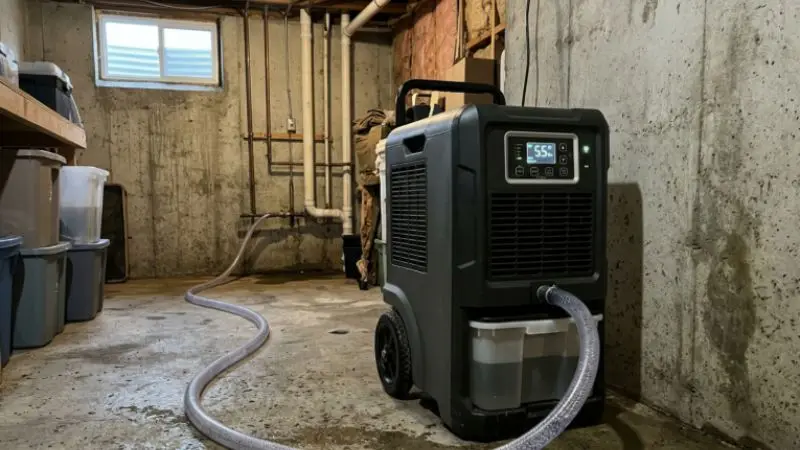
A água da cozinha é utilizada para cozinhar, ferver e lavar utensílios. Com o tempo, isso pode causar manchas de umidade, odores e mofo atrás dos armários e embaixo das pias.
Um desumidificador de 20 a 22 pintas é adequado para a maioria das cozinhas de até 400 pés quadrados (aproximadamente 37 m²). Um modelo de 30 pintas é mais indicado para níveis de umidade mais elevados. Muitas pessoas perguntam qual o tamanho ideal de desumidificador para usar na cozinha e manter as áreas de preparo de alimentos limpas e higienizadas.
Qual o tamanho ideal de desumidificador para uma sala de estar?
Um dos principais pontos de penetração da umidade é a sala de estar, onde móveis, cortinas e tapetes podem ser afetados pela umidade. A alta umidade também aumenta a quantidade de poeira e alérgenos no ar.
Um desumidificador de 30 pintas geralmente é suficiente para salas de estar de até 800 pés quadrados (aproximadamente 74 m²). Um modelo de 50 pintas é preferível para espaços maiores. Essa recomendação costuma ser usada para descrever grandes salas de estar abertas por pessoas que perguntam qual o tamanho ideal de desumidificador para uma casa de 1500 pés quadrados (aproximadamente 140 m²).
Qual o tamanho ideal de desumidificador para um espaço rastejante?
Os espaços rastejantes tendem a permanecer escuros e úmidos, espalhando o mofo e a umidade para outras áreas da casa. Isso pode afetar a qualidade do ar interno e a estrutura da casa.
A maioria dos porões pode ser tratada com um desumidificador de 30 pintas, mas um modelo de 50 pintas é necessário em espaços maiores ou mais úmidos. A maioria dos proprietários que perguntam qual o tamanho ideal de desumidificador para uma casa úmida são aqueles que têm problemas com a umidade no porão.
Qual o tamanho ideal de desumidificador para a lavanderia?
Máquinas de lavar e secar roupa tornam as lavandarias húmidas. Se não for controlada, esta humidade pode resultar em paredes húmidas, bolor e odores desagradáveis.
Lavanderias pequenas precisam de um desumidificador de 20 pintas (aproximadamente 9 litros), enquanto um modelo de 30 pintas (aproximadamente 14 litros) é mais adequado para uso intensivo. Muitas pessoas perguntam qual o tamanho ideal de desumidificador para o porão, já que lavanderias costumam apresentar problemas de umidade.
Qual o tamanho ideal de desumidificador para garagem?
Geralmente, esses espaços não são ventilados, o que leva ao acúmulo de umidade na garagem. Isso pode danificar ferramentas, caixas, madeira e metal, causando mofo e ferrugem.
Um desumidificador de 30 pintas atenderá a uma área máxima de 800 pés quadrados (aproximadamente 74 m²), enquanto um desumidificador de 50 pintas é mais apropriado para garagens grandes. Muitos usuários que buscam o tamanho ideal de desumidificador para evitar mofo também desejam garantir que os itens armazenados não sejam danificados pela umidade.
Guia de Tipos e Dimensionamento de Desumidificadores
A escolha do tipo de desumidificador deve ser feita levando em consideração os diferentes níveis de umidade em cada residência. Existem ambientes frios e úmidos, assim como ambientes quentes e úmidos. O tipo correto de desumidificador garante um melhor desempenho e maior conforto para sua casa.
Caso ainda esteja em dúvida sobre o tamanho ideal de desumidificador para o seu ambiente, é importante também saber qual modelo se adapta melhor às necessidades do seu cômodo. Isso evitará escolhas equivocadas e ajudará a controlar a umidade em sua casa.
@jeromy_henson_bfss Desumidificador comercial VEVOR de 125 pintas com mangueira de drenagem. Desumidificador de grande capacidade para restauração de danos causados pela água. #fyp #desumidificador #vevorttshop #fy #desumidificadorescomerciais #fypシ゚viral #desumidificadores #vevor #absorção de água #viral #tiktok #absorvente de umidade #fypage #fypシ゚viral #vevorproducts #ferramentas #ttslevelup #ttsdelightnow #vendadeprimavera #springtok #ofertasdeprimavera #ofertas #promoçõesdeprimavera #tiktokstore #tiktokshopcreatorpicks #venda #tiktokshopspringglowup #acordo #tiktokshoprestock #jáempromoção #tiktokshopsummersale #Veja #vibesdeverão #poupança #Ritmo de verão #promoçõesdeverão #tiktokshopsummerturnup #vender #tiktokshop #tiktokshopping #tendências2025 #vídeos virais #empromoção #promoçãorelâmpago #ideias de presentes #presenteideia #tiktokshopfinds #tiktokmademebuyit #para voce #ForyouPage #tendendo #Uau #tiktokmefezfazerisso #adquiraoseu #hoje #tiktokfinds #tiktokfind #tiktokviral #tiktokviralvideo #tiktokviraltrending #ttsacl #Dia dos Pais #presentedediadospais #promoçãodiadospais #vevorsummerlife @Vevor_US @vevor loja @HAIDEE_collab
♬ som original – JEROMY HENSON-BFSS☑️
Unidades portáteis versus unidades para toda a casa
Os desumidificadores portáteis pequenos são compactos, fáceis de transportar e específicos para cada ambiente. Também são fáceis de mover para dentro e para fora dos cômodos, o que os torna adequados para quartos, banheiros ou pequenos porões. São mais eficazes quando a umidade está confinada a locais específicos.
Os desumidificadores para toda a casa são conectados ao seu sistema de climatização e controlam a umidade em toda a residência. São ideais para casas grandes ou residências com mais de um cômodo úmido. A maioria das pessoas que se perguntam qual o tamanho ideal de desumidificador para uma casa úmida considera os modelos para toda a casa, pois abrangem o ambiente inteiro e fornecem umidade constante.
Tipos de dessecantes e refrigerantes
Os desumidificadores de sílica utilizam material absorvente para extrair a umidade do ar. São ideais para ambientes com temperaturas baixas, como porões ou garagens. Mesmo em ar frio, são eficazes.
Os desumidificadores de refrigeração possuem serpentinas de resfriamento que extraem a umidade do ar quente. Funcionam de forma otimizada em temperaturas ambientes normais, como quartos, cozinhas e salas de estar. A maioria dos proprietários de imóveis utiliza modelos de refrigeração no dia a dia devido à sua eficiência energética e disponibilidade.
Quem pergunta qual o tamanho ideal de desumidificador para usar no porão geralmente pensa em aparelhos com dessecante, já que os porões são mais frios e úmidos do que outras partes da casa.
Características que influenciam a escolha do tamanho
Certas características podem aprimorar um desumidificadorA eficiência do produto é notável. O sistema de drenagem automática ou as bombas integradas eliminam a necessidade de esvaziar o reservatório de água manualmente, o que é muito útil em ambientes úmidos. Um higrômetro integrado garante que o nível de umidade permaneça constante, pois se ajusta automaticamente.
Essas características proporcionam um controle de umidade mais conveniente e eficiente. Muitos usuários que procuram o desumidificador ideal para prevenir mofo também buscam essas funcionalidades, pois precisam manter o mesmo nível de umidade. Um aparelho com o tamanho adequado e as características apropriadas garante melhor desempenho, menos reparos e maior vida útil.
Erros comuns a evitar na escolha do tamanho ideal do desumidificador.
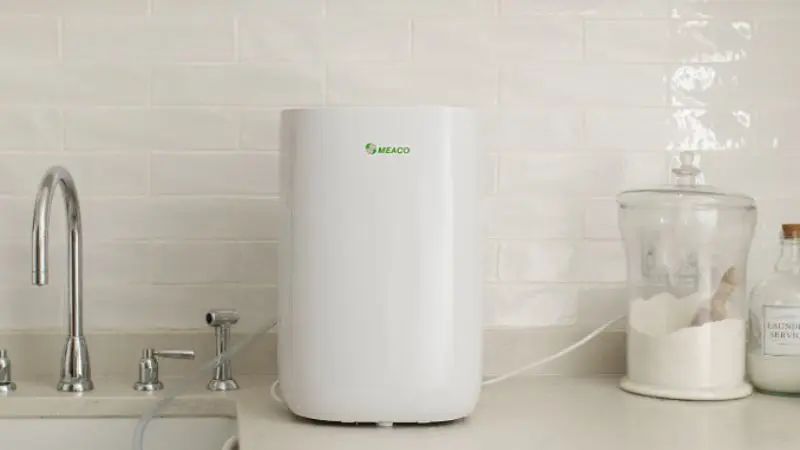
A maioria das pessoas escolhe o tamanho errado do desumidificador por desconhecer parâmetros essenciais como o tamanho do cômodo, as fontes de umidade e a localização. Esses erros podem reduzir o desempenho e permitir o desenvolvimento de mofo, poeira e problemas de umidade em sua casa.
Ainda não tem certeza do tamanho de desumidificador que precisa? Estes são os erros mais comuns que podem ajudá-lo a decidir qual unidade usar e evitar problemas de umidade no futuro.
Estimativa incorreta do tamanho do quarto
Um dos erros mais comuns é subestimar o tamanho do cômodo. Se você acha que seu cômodo é menor do que realmente é, pode acabar comprando um desumidificador com potência insuficiente. Isso resulta em extração de umidade ineficaz e problemas persistentes de umidade.
O comprimento e a largura do seu cômodo devem sempre ser medidos, e a área em metros quadrados calculada com precisão. A maioria das pessoas que procuram o desumidificador ideal para 93 metros quadrados (1000 pés quadrados) percebe depois que estavam chutando, o que resulta em uma escolha incorreta. Medidas precisas garantem melhor desempenho e ajudam a evitar mofo, poeira e ácaros.
Ignorando as fontes ocultas de umidade
A umidade não provém apenas do ar. Todas as suas tarefas diárias, como cozinhar, tomar banho e secar roupa, introduzem umidade em sua casa. Ventilação inadequada, vazamentos e paredes úmidas também podem contribuir para os níveis de umidade sem que você perceba.
Quando você negligencia essas fontes, a umidade continua se acumulando, criando o ambiente perfeito para mofo e ácaros. A maioria dos proprietários que perguntam sobre o tamanho ideal de desumidificador para uma casa úmida está lidando com problemas de umidade latente que não foram resolvidos nos estágios iniciais. Corrigir esses problemas ajudará seu desumidificador a funcionar com mais eficiência.
Posicionamento e manutenção inadequados
A localização do seu desumidificador É importante para o seu desempenho. Quando colocado num canto ou atrás dos móveis, impede a circulação do ar. Isso faz com que a umidade fique retida em locais escondidos, aumentando o risco de mofo e acúmulo de poeira.
Instale o aparelho em um espaço aberto no meio do cômodo para garantir uma melhor circulação de ar. Também é importante limpá-lo e filtrá-lo regularmente. Muitas vezes, quem busca a resposta para a pergunta "qual o tamanho ideal de desumidificador para evitar mofo?" encontra a solução simplesmente ajustando a localização e a manutenção. Com os devidos cuidados, a umidade se mantém em um nível estável.
Não corrigir problemas de dimensionamento precocemente
Quando o seu desumidificador não funciona corretamente, pode ser devido ao tamanho inadequado ou ao uso incorreto. Um desumidificador muito pequeno não removerá a umidade, enquanto uma instalação incorreta reduzirá ainda mais a sua produtividade.
Se você encontrar problemas, verifique novamente o tamanho do cômodo, o nível de umidade e o posicionamento do desumidificador. Muitas pessoas que perguntam "Qual o tamanho ideal de desumidificador para o porão?" percebem que o problema de tamanho é a causa do mau funcionamento. Reparos o quanto antes são importantes para evitar mofo, poeira e danos permanentes causados pela umidade.
Embrulhar
Um desumidificador com a capacidade adequada garante um lar mais confortável e saudável. Ao ajustá-lo ao tamanho e à umidade do seu cômodo, você previne o mofo, reduz a poeira e melhora a qualidade do ar interno. De quartos a porões, todas as áreas precisam de capacidade adequada para controlar a umidade corretamente. Ao responder à pergunta "Qual o tamanho de desumidificador que preciso?", não se esqueça de considerar a metragem quadrada, o nível de umidade e a finalidade do cômodo. Nunca compre sem medir e nunca chute o tamanho ideal. A decisão correta economiza tempo, reduz custos, evita o acúmulo de umidade na sua casa a longo prazo e a mantém fresca e seca.
Perguntas frequentes
O que devo fazer para determinar se meu desumidificador é superdimensionado?
Se o seu quarto ainda estiver úmido ou com mau cheiro, seu desumidificador pode ser pequeno demais. Você pode notar mofo ou manchas de água. Comece com um aparelho maior para obter melhores resultados.
É possível ter um único desumidificador em mais de um cômodo?
Um desumidificador portátil pode ser movido entre cômodos, mas é mais eficaz em um único ambiente. Os modelos para toda a casa abrangem vários cômodos simultaneamente.
O que acontecerá se eu comprar um desumidificador maior do que o necessário?
Escolher um desumidificador com capacidade superior à necessária é vantajoso porque ajuda a eliminar a umidade. Isso reduz o esforço do aparelho e prolonga sua vida útil. Você pode pagar um pouco mais pela energia, mas o ar permanecerá seco.
Devo usar um desumidificador durante o inverno?
Durante o inverno, normalmente não é necessário um desumidificador, exceto quando a casa está úmida. O ar frio contém menos umidade. Se houver mofo ou condensação, use um desumidificador.