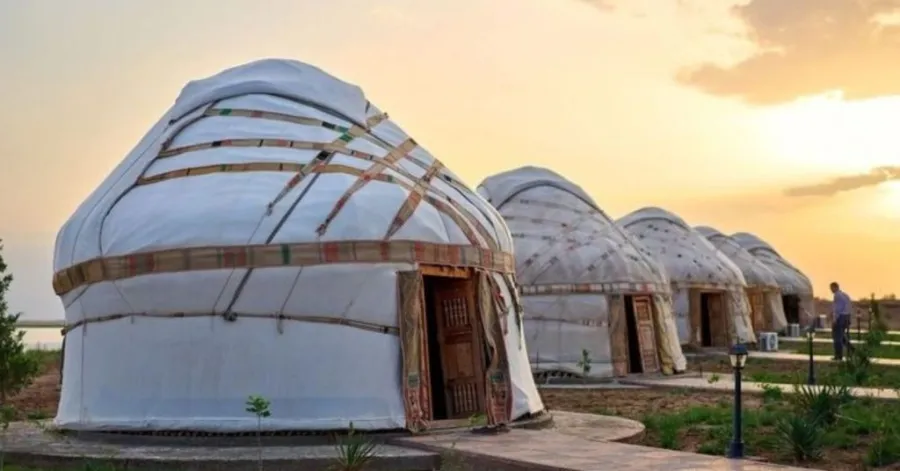
A média de vida de um roof-fabric yurt is estimated at 10 to 12 years. Yurts which undergo regular maintenance can survive 15 to 20 years. Some top-grade roofs even come with a 15-year manufacturer warranty. So, how long do yurts last? The answer depends on several factors such as the materials used, weather conditions, UV exposure, and maintenance. A yurt owner cannot control all of these factors. Some are determined by regional weather; others by UV intensity. UV light degrades the yurt fabric. Regular maintenance increases its lifespan.
Conteúdo
How Long Do Yurts Last?

What Is the Average Lifespan of a Yurt?
How long do modern yurts last? You can expect a well-maintained yurt to last a long time. A yurt tradicional‘s average lifespan depends on the cover material and your care routine. A standard fabric cover typically lasts 10 to 12 years. With regular maintenance, a tenda yurt can last 15 to 20 years or more. Premium top covers may even carry a 15-year manufacturer’s material warranty.
Recomendado para o seu projeto
This gives you a realistic planning range. The structure tends to last many years longer than the covering material. Wooden frames and latticed walls tend to last well if they are kept dry. The fabric covering wears out from sun, rain, and wind. That is why the cover replacement schedule affects ownership costs.
How Long Does a Yurt Cover Last?
The life of the cover material of the yurt depends on its type and the climate. A yurt de lona cover can last 10 to 15 years. Some high-quality synthetic yurt covers can last up to 14 years in mild conditions. Sidewall covers can last fewer years than roof covers because of ground contact.
Your region’s climate plays a major role in determining the life of the yurt. The more UV exposure, the sooner the fabric cover’s fibres will break down. Heavy snowfall and strong winds deteriorate the yurt’s outer cobrir faster. In a mild climate with moderate sunlight, the exterior covers can last 20 years or more. However, in harsh desert or coastal regions, this lifespan can be reduced.
O que afeta How Long a Yurt Lasts?
Yurt Materials and Build Quality
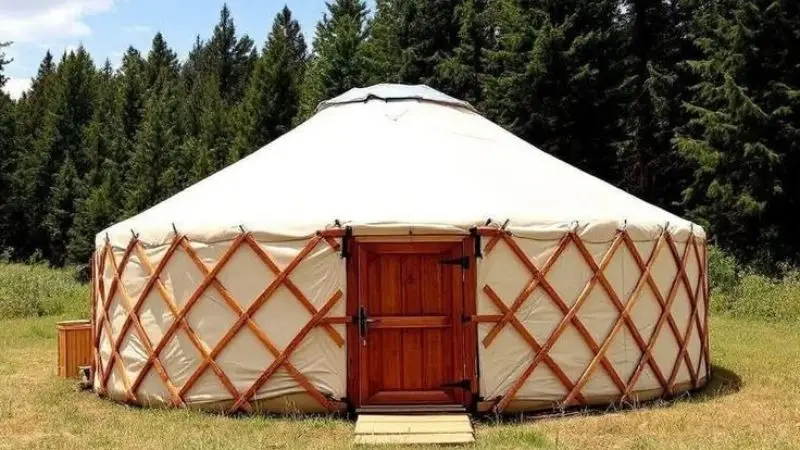
Material quality affects how long your yurt will be useful. Different fabrics age differently. Canvas covers typically last 10 to 15 years. High-quality synthetic fabrics can last up to 14 years under moderate conditions. Acrylic coating makes the fabric resistant to humidity and mildew. That coating also makes it more resistant to sun exposure. More durable fabric with strengthened seams can withstand weather exposure better. Low-quality material may cost you less initially, but you’ll need to replace it sooner.
Build quality is another aspect you shouldn’t underestimate. Good-quality construction helps the structure retain its form and keeps the cover taut. Loose tension can cause water to pool in those areas and stretch the capa de barraca material. Proper hardware and quality stitching prevent seam failure.
Tempo e clima
The local climate is a major factor affecting how long a yurt moderno lasts. Strong sunshine can damage materials over time. Heavy snowfalls place additional strain on the roof and wall structure. Wind will also loosen the joints and fixings in your yurt. Mild weather and moderate sun exposure can help the outer covering last 20 years or more. In extreme climates such as deserts and coasts, this period will be significantly shorter. Coastal climate causes corrosion of metal components and damage to fabric.
You can’t change the weather, but you can change how you handle things. Regular inspections help you catch weather-related damage early. Repairs after storms can prevent greater damage in the future. Ventilation keeps moisture and mould away in the canvas tent. Removing snow prevents roof overload.
How to Make a Yurt Last Longer
Inspect the Yurt Regularly
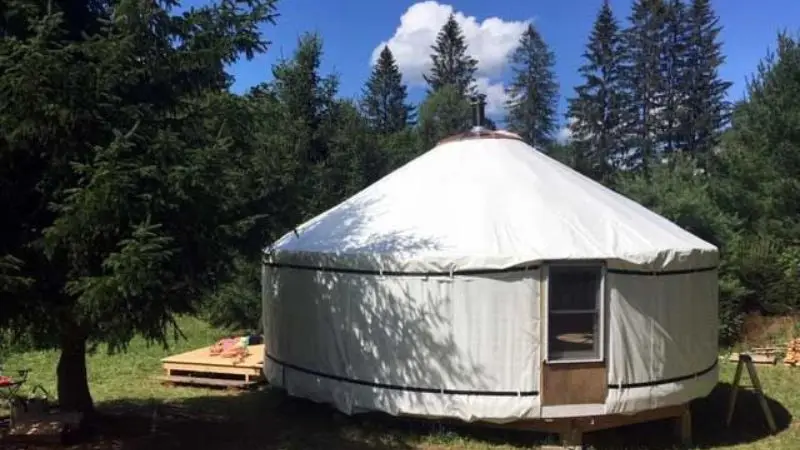
Mantendo seu tenda yurt can help increase its lifespan. Start by walking around your yurt monthly. Check the cover, seams, and fasteners. Check for water buildup or signs that the roof cover is sagging. Any small problem can quickly turn into a major one. What seems like a small seam problem today will be a big problem in the form of torn fabric the next time it rains. Do this especially during difficult weather seasons when storms or snowfall occur.
Keep the Yurt Clean and Dry
Moisture is the enemy of every yurt tradicional. Damp fabric grows mould and mildew. Mould breaks down fibres and weakens the cover. Keep the interior dry with good ventilation. Open windows and doors on dry days. Use a dehumidifier in humid climates. Wipe up spills and condensation right away. These steps support proper maintenance and protect your investment. They also extend its lifespan by years.
Clean your yurt cover at least once a year. Use mild soap and water. Avoid harsh chemicals that damage coatings. Rinse the fabric well and let it dry completely. This cleaning and maintenance routine prevents dirt from trapping moisture. Dirt can also block the fabric’s UV protection. A clean cover sheds water better. It also resists stains and wear. These habits extend your yurt tent’s life. They extend the life of every cover and frame component.
How Often Does a Yurt Need Repairs?
Common Yurt Repairs
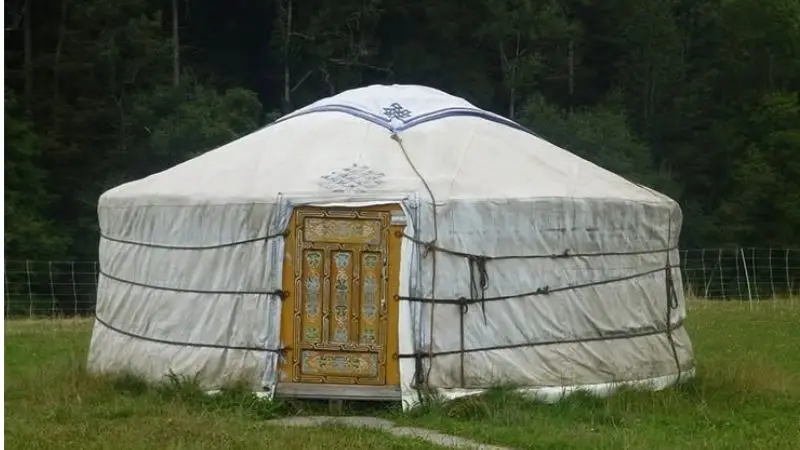
Minor repairs are needed periodically during regular use. This can happen when seams separate due to wind pressure and UV radiation. Minor tears can develop in the rooftop or sidewalls. Door and window zippers require replacement after prolonged use. Lattice bolts loosen as wood expands and contracts with humidity fluctuations. Most of these repairs take less than one hour to complete. The sidewall near the ground gets damaged more often than other areas due to friction.
You can do most of these tasks with common equipment. A heavy-duty needle and polyester thread fix minor seam separations. Fabric kits fix tears and prevent them from worsening. A wrench helps to tighten fasteners of lattice and rafters. Tension cables need occasional replacement to keep your cover tight and flat. These simple tasks extend your cover’s life for years. They also delay the point when you will need to replace the whole cover. Skipping them can turn minor repairs into major costs.
Signs Your Yurt Needs Repair
Look for physical signs of wear. If you can see light from outside the barraca de lona through the material, the protective coating has worn off. If the material looks faded or stiff, ultraviolet rays have degraded its fibres. Any water marks on the tent’s roof or walls mean that water is already leaking in. This means the material no longer acts as a barrier against the elements. Inspect the sewing along the main seams. Loosened threads and loose stitches signify an imminent failure.
The signs of structural change indicate that the yurt tradicional requires repairs—roof sagging between the rafters after the rain instead of being waterproof; snow accumulates in one place instead of sliding off; the sidewalls develop ripples and move away from the frame; doors and windows become stuck due to the deformation of the frame. These signs become evident gradually as you conduct routine inspections of your canvas yurt. They indicate the cover is nearing the end of its service life. Prepare for roof replacement before the next rainy season to help prevent expensive emergency repairs to the building and its contents.
Conclusão
An average fabric cover lasts 10 to 12 years. Good maintenance can extend the canvas cover to 10 to 15 years. With manutenção adequada, the yurt tent may last 15 to 20 years or even longer. The longevity of the traditional yurt depends on the climate conditions, sun exposure, and maintenance. You can do something about the latter but not about the former.
Fabric covers are an excellent investment in durability and practicality when you care for them properly. Check your cover’s condition every season. Plan to replace your roof long before minor damage becomes costly repairs. This one trick will help you keep your yurt intact for decades.
Perguntas Frequentes
What is the best four-season tent for winter camping in the US?
Among the most durable four-season tents are the Mountain Hardwear Trango 2, Hilleberg Nammatj 2, and MSR Access 2. These tents use strong poles, storm-proof construction, and durable materials.
What are the most spacious and durable family tents under $300?
The CORE 9-Person Instant Cabin is an extremely spacious, fast-to-set-up tent around $300, and the Coleman 8-Person Dark Room Skydome provides 144 square feet.
What are the best instant pop-up tents that are easy to assemble? How are they compared in terms of durability?
The Gazelle T4 Hub tent offers fast assembly with a durable hub frame, while the Coleman Camp Burst Pop-Up is less expensive and easier to use. Gazelle tents are better for regular camping, while Coleman is better for infrequent use.
What tents can be used on rough terrain? What are their stake systems?
Choose tents with strong Y-beam or steel stakes. The MSR Groundhog stakes have good strength and gripping ability, while Vargo titanium stakes are lighter but need more attention when dealing with rough terrain.