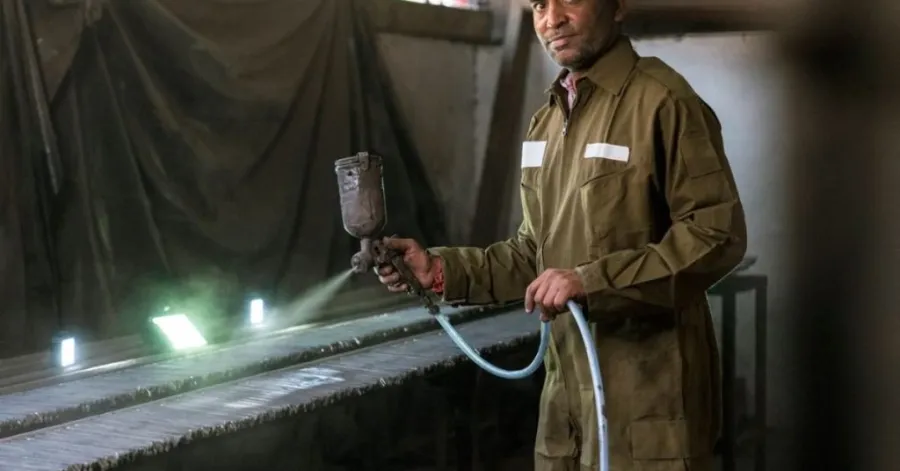
Imagine spending an entire weekend painting a single room with a roller. Your arms ache, paint drips on the floor, and the finish looks uneven. The best paint spray gun for walls changes everything. This wall spray gun delivers a fine spray of paint quickly and evenly, giving a professional look in less time. In this article, you will discover how it works. You will learn about the spray process and the spraying technique. We also compare airless and HVLP opryskiwacze do farb. Understanding these differences helps you choose the best paint sprayer for your paint project. Whether you are spraying large walls or a small piece of furniture, the right tool makes all the difference. Let’s explore the world of wall spraying.
Different types, such as airless, electric, and HVLP sprayers, work in different ways. Choosing the right spray gun depends on your surface, paint type, and project size. Proper wall preparation and paint selection are important for getting smooth results. You also need the right spraying technique to avoid drips, overspray, and uneven coverage. This guide explains how a wall spray gun works and how to use one for better painting results.
Spis treści
What Is a Wall Spray Gun and How Does It Work?
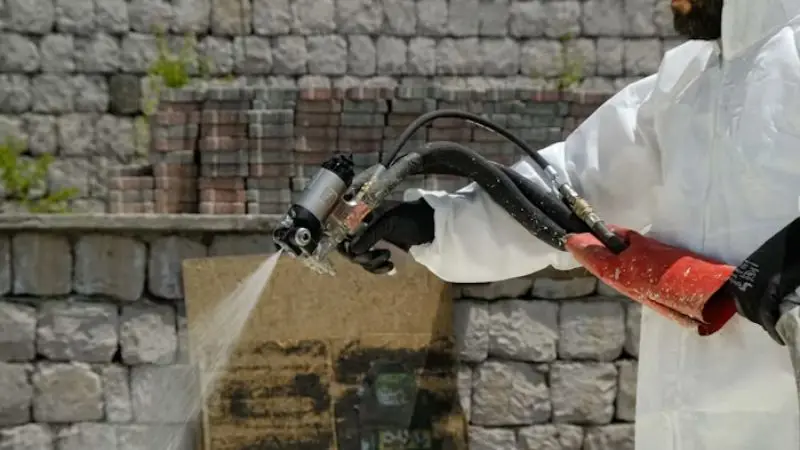
A wall spray gun breaks liquid paint into small droplets and sprays them onto a surface. Each of the spraying methods mentioned here- airless, electric, and HVL-, is suitable for different applications. They speed up and help keep walls, fences, siding, cabinets, and furniture painted. The model selected will depend on the surface, paint viscosity,y and project size.
Polecane dla Twojego projektu
Definition of a Wall Spray Gun
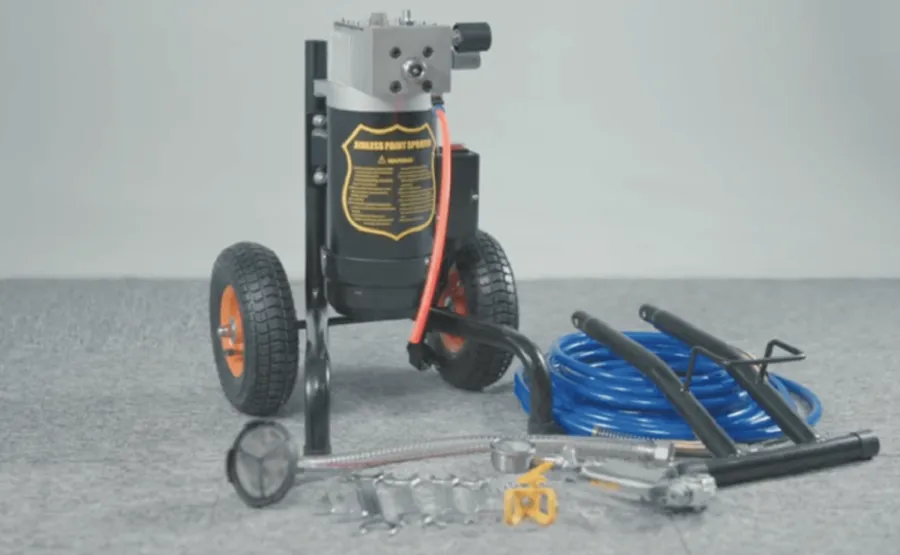
A wall spray gun is a handheld tool used to pulverize liquid paint into a fine mist. You pull thetrigger, with the gun in your hands. Paint exits through a small nozzle. The tool turns paint into tiny droplets. These droplets are deposited evenly across the wall’s surface. The gun’s mechanism is the power source. The best electric paint sprayer for walls pressurizes the material directly using a motor. This method is fast. This kind of sprayer pushes the liquid at a high pressure out of the nozzle. An electric motor operates the pump. An electric paint sprayer operates similarly. It is an electrically powered pump. The material is propelled by air in an HVLP (high-volume, low-pressure) gun. This type produces less overspray. The different designs have various applications. The type of paint sprayer you choose will depend on the size of the job and your ability.
What Is a Wall Spray Gun Used For?
A wall spray gun is used for large painting jobs. A sprayer makes painting a living room, hallway, or whole house much quicker. The run time of a roller is several hours per room. A sprayer reduces that time by 50%. You also have an even application on all surfaces. No effort is required for the mist to reach corners, edges, and textured areas. Interior walls and exterior surfaces may be sprayed. An exterior wall sprayer is also beneficial. It can be used for painting fences, siding, decks, garages, sheds, and other outdoor structures. The best spray gun for painting walls will also efficiently apply thicker coatings and cover large areas quickly, making it ideal for larger exterior projects. If spraying outside, be sure to check the weather conditions and avoid strong winds that can blow paint onto adjacent surfaces. A wall spray gun is primarily used to apply paint to large areas quickly and evenly. The painting is done with a spray gun, which forces the paint through a small nozzle, breaking it into droplets.
Common Uses for a Wall Spray Gun
A rozpylacz farby can also be used for exterior painting. Airless sprayers can be used for painting fences, siding, or decks. Use well-mixed and filtered paint. The spray pattern can be modified to suit the shape of the object. The best wall paint sprayers for home use are suitable for thick materials. This is the type used for working with thinner materials, like stains. Paint sprayers can also be used for furniture, cabinets, and trim. Airless spraying is fast and efficient for spraying large areas. The secret lies in selecting the correct nozzle size and the material’s viscosity. Rozpylający requires practice. It takes time to spray large areas. You need a steady hand to spray furniture. Masking is necessary for spraying cabinets. Paint should not contain any ‘nubs’. You can get a uniform surface. Time is saved when using a spray gun. The wall spray gun is the perfect paint sprayer for the homeowner looking to tackle weekend painting projects.
How to Use a Wall Spray for a Smooth Finish: Step-by-Step
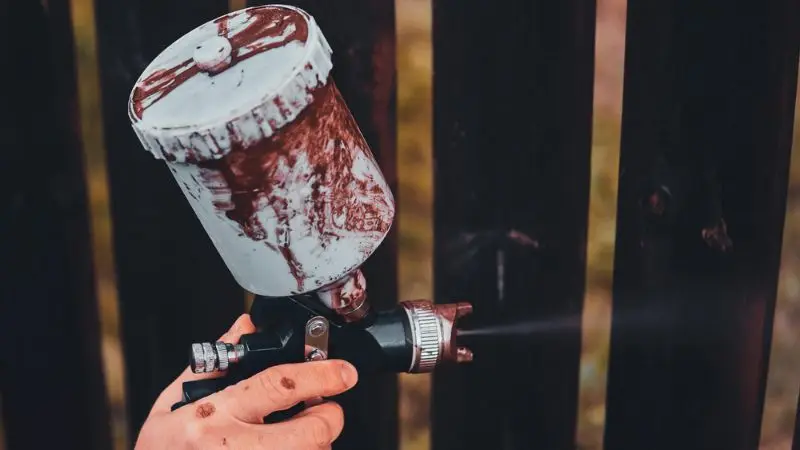
To prepare the wall, clean, repair, sand, and mask surrounding areas before spraying. Select the proper paint, thin it if necessary,y and filter it to avoid nozzle plugging and inconsistent coverage. Check the spray pattern and pressure on cardboard before painting, and continue moving the gun in a perpendicular motion while painting, keeping the motion even. Overlap each pass by approximately 50% to produce a smooth, even finish and minimize paint wastage.
Step 1: Prepare the Wall Before Painting
Do not miss out on wall preparation. A sprayer makes all the imperfections on the surface bigger. Old, loose paint, dust, and grease will eat away at your finish. Clean the wall by using a mild detergent first. Rinse off and dry completely. Fill any holes or cracks with spackle. After the filler dries, sand it smooth. Use a tack cloth to remove sanding dust. Then cover everything else you don’t want painted. Cover floors with drop cloths. Użyj taśmy malarskiej to mask off the trim, windows, and outlets. The best paint sprayer for interior walls produces a fine mist that can drift in the air. This mist condenses on the nearby surfaces. Cleanup time is saved if things are done properly when masking. Ensure good ventilation in the room (open windows and the door). Use a respirator mask to prevent breathing in paint particles. These steps may take some time, but they are the difference between a professional look and a jumbled mess.
Step 2: Choose and Prepare the Right Paint
The type of paint you use will affect your sprayer’s performance. The nozzle becomes clogged due to the paint’s thickness. The paint has been applied in thin runs and drips on the wall. Before you spray, ay most latex paints will require thinning. Refer to the manufacturer’s label for instructions. Another way to check the consistency is to stir the paint before use and observe its flow. When selecting the best spray gun for painting walls, it is important to get the right paint. There are differences in the thickness of various paints and in the application method (spraying), so it is important to always check the paint label or technical data sheet to ensure it is suitable for spraying. Certain paints do not require any thinning, but others may require a little thinning. Thinning should be based on the manufacturer’s instructions, not on a specific ratio. Last but not least, keep the paint at an appropriate working temperature and follow the instructions for your particular sprayer. When the paint is properly prepared, it is less likely to clog, maintains a consistent spray pattern, and helps you achieve a smoother finish.
Step 3: Master Your Spraying Technique
Strain the paint through a mesh strainer. This step clears away any lumps and debris that will block the spray tip. Fill the sprayer container with filtered paint. When choosing the best paint sprayer for exterior walls, choose the nozzle size appropriate for the material being applied. Thin paints are best suited to a smaller nozzle. Thicker coatings use a bigger nozzle. Most interior projects can be done with an electric paint sprayer. Practice spraying on cardboard before you apply the spray to the plants. The spray pattern and pressure need to be adjusted to achieve uniform coverage. These are sprayer painting tips you might find useful for avoiding common rozpylacz farby mistakes. Keep in mind the airless paint sprayer is a moving tool. The gun should be held at right angles to the wall. Try to overlap each pass by approximately 50%. Extend arm gently across the midline to both sides. Don’t stop in the middle of the stroke. Heavy spots are created in the finish when stopping. The rhythm will become apparent with practice. After a couple of trials, an airless paint sprayer becomes a habit. These tips for using paint sprayers will save you the frustration and waste of paint.
Step 4: Select the Best Paint Sprayer
A wall spray gun is a fast system for applying paint that breaks it down into fine particles under pressure. Paint is pushed through a nozzle. Paint is pushed through a nozzle. It disperses into a fine mist. This spray will apply evenly to any surface. Airless and HVLP are different options that will impact the results. The best electric paint sprayers for walls are ideal for painting large walls. The optimal paint sprayer for wall application is the one that is appropriate for indoor use. The best rozpylacz farby is the one that you need for the job at hand. The ideal paint sprayer saves time. Thick coats can be sprayed quickly with Airless sprayers. For detail work, there’s an electric one that can be controlled. It takes practice to master spraying. The more you spray, the more you learn. Steady movement is required to spray large areas. With the right tool, you can achieve professional results. Not all powerful paint sprayers are the best. The one that fits your paint, surface, project size, and experience.
Zamotać
A wall spray gun is used to paint the wall quickly and evenly. It’s crucial to understand how these types of sprayers, such as airless, electric, and Opryskiwacze HVLP, operate and why it is important to use the right sprayer for the job. Proper preparation of the walls is crucial to a clean, pro look. Use paint suitable for the sprayer and apply paint correctly. Using the proper nozzle and straining the paint will reduce the risk of clogging and uneven spraying. Try on cardboard to get the pressure and spray pattern right before painting the wall. Hold the best wall paint sprayer at a fixed speed and distance from the surface. Cover furniture, floors, windows, and other areas near the painting to protect them from paint mist and overspray. You can do painting projects more efficiently with the right equipment, preparation, and technique. These are the simple things that will help any beginner become more successful and confident in using a wall spray gun.
FAQ
What is the amount of paint required for a spraying job?
Less paint will be used with opryskiwacz than with a roller. The fine mist is evenly applied without being absorbed by the roller. Calculate the area of the walls and read the paint can label for coverage. Purchase approximately 10% more for touch-ups and test spraying.
Is it possible to use a wall spray gun to paint thick paint?
Yes, but you need the right equipment. Thick latex and acrylic paints are applied directly with an airless paint sprayer. Use an elektryczny pistolet do malowania when spraying stains and sealers, which are thinner. Always filter paint through a strainer before using. This helps prevent nozzle clogging and maintains the same spray pattern.
The difference between Airless and HVLP Sprayers?
Airless sprayers force paint through the nozzle using a motor and high pressure. They are efficient and can cover a vast area in a short time. HVLP guns atomize the material using air volume. They have less overspray and allow for greater control in detail work. Use airless for large walls, and HVLP for furniture.
Washing the sprayer after use?
Wash the sprayer after every use. Clean the paint container by removing it and cleaning with water or solvent as needed. Flush the gun with the cleaning solution until clean. Remove the nozzle and tip and clean thoroughly. Your best paint sprayer can last longer with proper maintenance.
When should I wear a respirator while spray painting?
Of course, a respirator must always be worn. When sprayed, it forms very fine particles that remain in the air. These particles can irritate the lungs and lead to long-term health issues. Select a respirator that is designed to protect against paint mists and particles. Increase airflow by opening windows and doors. Speed is not as important as your safety.