Uruchamianie Pompa powietrza all day helps keep dissolved oxygen levels steady if you keep fish. Power bills and equipment wear might cross your mind, but steady aeration is what keeps both fish and good bacteria healthy. That said, the right schedule isn’t the same for every pond. Fish-free shallow setups and solar systems often call for something else. Seasons also play a role, especially during summer heat or when the pond wakes back up in spring. Once you take stock of depth, surface area, fish count, and general water quality, landing on the right aeration schedule gets much easier. This guide walks through the mechanics of napowietrzanie stawu and helps you build a workable schedule for your own water garden.
Spis treści
Should You Run a Pond Air Pump 24/7?
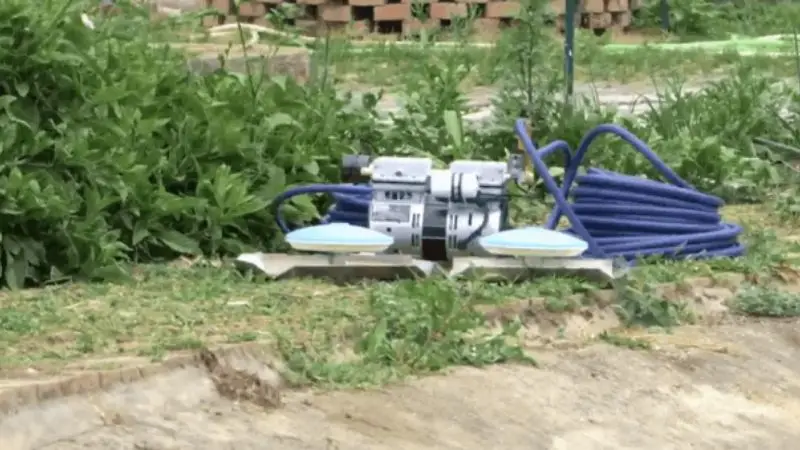
Yes, the general advice for stocked fish ponds is to keep a pompa stawowa running 24/7. Running aeration all the time keeps dissolved oxygen levels steadier day and night. Oxygen is consumed by fish, beneficial bacteria, and every other living thing in the water.
Polecane dla Twojego projektu
A Pompa wody does its most valuable work when the water warms up, fish are crowded, or natural flow is poor. That said, how long you should actually run it depends on pond depth, size, fish load, water temperature, and your specific aeration setup.
How Many Hours Should a Pond Air Pump Run?
Keeping the aerator going a full 24 hours a day gives a stocked pond steady, uninterrupted oxygen. Oxygen is taken up around the clock by fish, and the beneficial bacteria keeping the pond biologically balanced rely on it too. Because warm water cannot hold as much dissolved oxygen, non-stop aeration can matter a great deal when temperatures rise. Leaving the system on all the time is an uncomplicated strategy for many fish ponds if you are just figuring out aeration. You might not have to run the pompa elektryczna nearly as long if the pond is shallow, decorative, and contains no fish. Any cut in operating hours, though, ought to reflect what the pond actually looks like rather than a blanket timetable applied to every setup.
Can You Turn Off a Pond Air Pump at Night?
As a rule, leaving the aerator on through the night is the safer choice, particularly if there are fish in the water. Because aquatic vegetation and algae switch off photosynthesis after dark and simply breathe, dissolved oxygen levels can drop through the night. The lowest oxygen readings of the day frequently occur right before dawn. Shutting down the aerator across those hours can choke off oxygen flow right when the pond might require it the most. Aerating at night forms a major piece of the puzzle if you are trying to figure out how to oxygenate a pond. Letting it run continuously moves oxygen-rich water throughout the pond and keeps dissolved oxygen from swinging wildly.
How Long Should You Run a Pond Air Pump in Different Conditions?
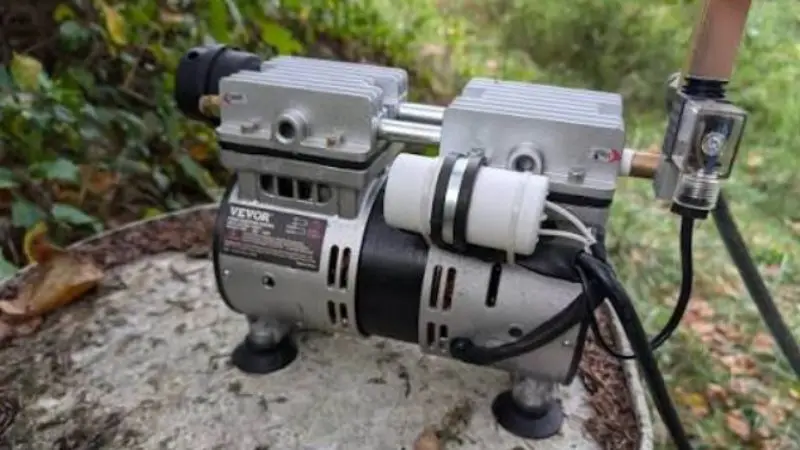
No single operating schedule suits every pond out there. Pond size, depth, water temperature, fish stocking levels, and natural circulation all play a part in determining aeration requirements.
Getting a handle on these variables makes it easier to work out the right schedule for your setup. The scenarios below show how operating hours can shift across the seasons and across different types of ponds.
Pond Air Pump Runtime in Summer
Ponds generally need more aeration once summer sets in. Because warm water cannot carry as much dissolved oxygen as cold water can, and organisms like fish consume it faster, oxygen drops quicker in the heat. Running an aerator around the clock is therefore often helpful in the heat, especially if there are fish in the water. While some keepers run their pond water pumps for just a baseline number of hours during cooler spells, no single schedule fits all ponds. Keep an eye on how the fish act and check the water whenever you can. Fish that cluster at the top or look like they are gasping for air are a sign that oxygen might be dipping, and you may have to increase aeration.
Pond Air Pump Runtime in Winter
How you manage aeration in winter comes down to your local climate, water depth, ice, and how many fish you keep. Even though cold water retains more dissolved oxygen than warm water, ice sealing the pond entirely can choke off normal gas exchange. In some ponds, running an aerator preserves an ice-free patch on the surface, which lets gases pass back and forth with the air. Yet if the diffuser sits too low, it can stir up freezing water from the top and put fish under stress in deep ponds. Ponds that freeze over on a regular basis require careful thought about where you set the diffuser and at what depth. The right winter operating schedule has to be based on your specific local conditions.
How Long to Run an Air Pump in a Pond With Fish
Because fish need oxygen day and night, keeping aeration steady is usually best for any pond that holds them. Keeping the aerator going without breaks helps steady the dissolved oxygen, which matters even more in warm weather or a crowded pond. Look at fish stock, water volume, temperature, and current circulation instead of just setting a timer and walking away. Looking at those variables gives you a much better read on actual oxygen needs than merely counting pump hours. Check your sprzęt napowietrzający and test the water right away if fish start schooling at the surface or acting starved of oxygen.
How Long to Run an Air Pump in a Small Pond
Holding less water does not automatically mean a smaller pond gets by with less air. How deep the pond is, water temperature, plant life, circulation, and the number of fish all dictate its oxygen demand. An unstocked small pond might need minimal bubbling compared to one with fish, but pack that same small pond full, and the pump may have to run nonstop. When sizing a water circulation pump, consider the pond’s depth and size, along with the type of diffuser you use. Keep an eye on conditions and follow the manufacturer’s advice instead of locking the pompa into an arbitrary 12-hour cycle. Keeping the air running steadily matters even more once fish are in the water.
What Factors Affect Pond Air Pump Runtime?
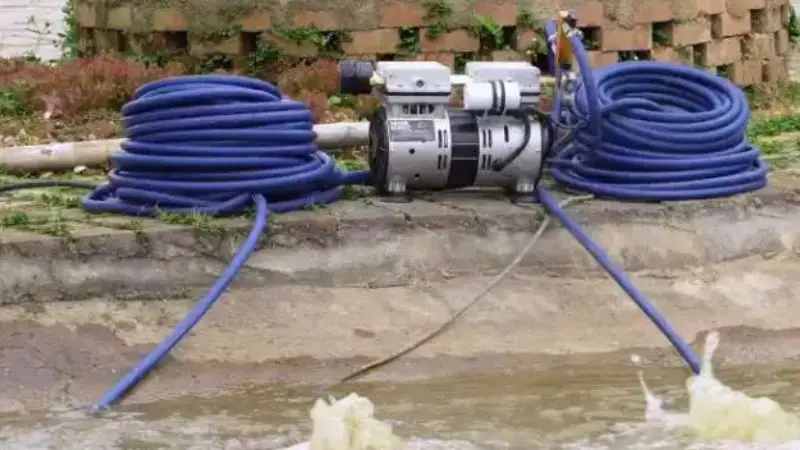
How many hours your aerator ought to run every day depends on several distinct variables. Water temperature, pond volume and depth, fish stocking, and pompa stawowa output all drive the pond’s oxygen demand.
Once you get a handle on these points, picking equipment and setting a daily runtime becomes much simpler. Ponds that run big or carry a heavy stock of fish tend to call for more aeration than small setups with sparse populations or none at all. Dissolved oxygen levels can also shift depending on water circulation, plant life, algae, and changing seasonal temperatures.
Depth and Pond Size
Working out how much aeration a pond requires depends heavily on its depth and overall size. Bigger ponds hold more volume, whereas deeper ones introduce different circulation patterns and oxygen distribution challenges. Diffusers set on the bottom can help a deep pond by circulating water through the entire column. Still, surface area and volume are not the only things dictating needed airflow. Diffuser design counts as well, alongside water temperature and how many fish you keep. When choosing a pompa powietrza do stawu, check the manufacturer’s suggested depth limits and pond volume. Pairing the right diffuser and pump to your specific pond keeps water circulating well without having to pump excessive air.
Water Temperature and Fish Population
Water temperature alongside stocking density can alter oxygen demand by a wide margin. A higher fish count pushes dissolved oxygen requirements up, especially during periods of activity or when organic matter piles up. Cold water holds onto dissolved oxygen better than warm water does, which can make aeration during the summer far more critical. When heat waves hit, keep an eye on how the fish act and think about leaving the aerator on non-stop. Dense algae can drive sharp swings in oxygen as well, particularly through the night. Pond size alone cannot tell you how much air a pond needs, and these factors are the reason why. Factor in the pond’s entire ecosystem before deciding when and how long to run the aerator.
Pump Size and Airflow Rate
The volume of air pushed out by the diffuser comes down to the water garden pump‘s overall capacity and airflow rating. Go too small,l and the pump may leave the water under-circulated; go too large,ge and you waste electricity while churning the pond too hard. Placing the diffuser deeper in the pond forces the pump to push against greater back pressure, which drags down performance. Do not just glance at the maximum airflow rating when asking what size Pompa powietrza I need for my pond; look at what the manufacturer says it delivers at depth. Steady, effective aeration also requires pairing the pump with the right style and count of diffusers.
How to Know if Your Pond Needs More Aeration?
A pond gives off a few clear warnings whenever dissolved oxygen starts dropping to dangerous levels. Catching these signs early gives you time to step in before the fish suffer severe oxygen deprivation.
While fish behavior gives you the quickest read, off smells and murky water also tell you a great deal. Keeping a close eye on things matters most during heat waves and in ponds holding lots of fish.
Symptoms of Low Oxygen
Fish piping at the surface to gulp air—especially right around dawn—often points to a drop in dissolved oxygen. Lethargic or erratic swimming can also mean the water quality has deteriorated. You might also take note if fish suddenly start crowding around or acting restless near an aerator. Smells and cloudiness in the water do not always indicate low oxygen by themselves, but they may point to water-quality troubles or an excess of organic matter that forces oxygen demand up. When you spot these symptoms, turn up the aeration and inspect the hardware for any leaks or clogs. Before you can manage pond oxygenation properly, you have to know what a pond looks like when it is running short.
What Happens When a Pond Has Too Much Aeration?
Over-aerating rarely happens in an everyday pond, yet water that moves too aggressively can still cause trouble for certain fish. An oversized diffuser kicks up heavy currents that can make easy swimming tough for smaller or frailer fish. In a deep pond, putting the diffuser in the wrong spot can also cause excessive turnover that alters water temperatures. Instead of trying to push maximum air through the pond, pick a pompa tlenowa do stawu and diffuser that actually matches its size. Should your fish look stressed after you turn the aeration up, look over your airflow, diffuser depth and position, and water quality. A properly adjusted system keeps water circulating as it should without kicking up unnecessarily harsh currents.
Tips for Running a Pond Air Pump Efficiently
Setting the system up properly and keeping up with routine upkeep ensures the aerator runs reliably. Minor faults like a clogged diffuser or a leak in the line choke off airflow and force the pump to labor harder.
Running through a few quick checks will boost performance while helping the hardware last longer. These checks will also come in handy if you are figuring out how to install a pond Pompa powietrza so it runs dependably day to day.
Follow the manufacturer’s advice on where to set the diffuser, which usually means dropping it into an appropriate deeper part of the pond for bottom-diffused aeration. Do not put it right where fish gather for calm shelter, particularly in the winter months. Check the airline on a regular basis for kinks, cracks, or leaks that might cut down on airflow. Whenever buildup starts choking the bubbles, clear off the air stones or diffusers. Store the air supply system somewhere dry and well-ventilated, keeping it shielded from too much moisture. Should you run the system on a timer, confirm that the run times fit what your pond requires. Ponds with fish usually do better with steady aeration instead of going without airflow for hours at a time.
Zamotać
Obsługa a pompa powietrza do stawu on a regular basis can sustain good oxygen levels, helping the fish, helpful bacteria, and the general state of the water. How often to run it comes down to how big and deep the pond is, how many fish it holds, how warm the water gets, and what the pump can handle. Running the air without stopping often serves stocked ponds best, whereas a shallow pond with no fish can get by on less. Keep an eye out for drops in oxygen levels and tweak the system whenever pond conditions shift. Performance also gets a lift from setting diffusers in the right spots and keeping up with maintenance. By learning how pond aeration works and picking gear suited to your setup, you give fish a more stable home and keep your water garden healthy.
FAQ
Which pond pumps work best to keep the water clear?
Submersible units with sufficient flow help keep water moving and assist the filter system. Base your pump choice on water volume, filtration limits, and needed flow, instead of just grabbing a big name or the highest output number.
What are the best water garden pumps for fountains and how do they compare?
Choosing the right pump comes down to how big the fountain is, the flow you want, and how deep it sits in the water. Submersible pumps work well for compact features, but larger fountains and water gardens usually need external units to get higher flow rates.
Which water garden pumps are best for koi ponds and why?
Koi ponds require dependable pumps that keep water moving steadily without overwhelming the filter. Pick a correctly sized unit that sips power, handles debris well, and provides the flow required to keep the water healthy.
Which water garden pumps are best for powering a waterfall or stream feature?
A waterfall pump has to generate enough lift and flow to push water all the way from the pond up to the feature. Before picking a model, verify both its maximum head rating and the actual flow it puts out at the height you need.
Which water garden pumps are best for ponds with a lot of debris or leaves?
If a pond collects a lot of muck, it runs best on a pump built specifically to pass solids and bigger fragments. The right solids-handling pump will cut down on clogs, though you still have to clean the intake and the unit itself if you want it to run reliably.
What are the best variable-flow water garden pumps for adjustable waterfalls and fountains?
These adjustable models come in handy whenever you need to alter the flow over a waterfall or out of a fountain. To get the flow your feature actually needs, pick a unit that runs efficiently, provides the right head height, and gives you built-in flow adjustments.