Think about an excavator that can lift tons of earth. How do you think the excavator gets its power? Hydraulics make it possible; you could ask, “How does a pompa hydrauliczna operate?” In this technique, a pressurised liquid generates force. A hydraulic pump forms the core of this technique. A hydraulic pump converts mechanical energy into fluid energy, which powers a hydraulic cylinder to do the work.
This guide covers everything you need to know about operating a hydraulic pump in easy-to-understand language. We will also explore the different kinds of hydraulic pumps and how each type functions. You need no knowledge of engineering principles. We will use relatable examples to help you understand how a hydraulic pump works.
How Does a Hydraulic Pump Work?
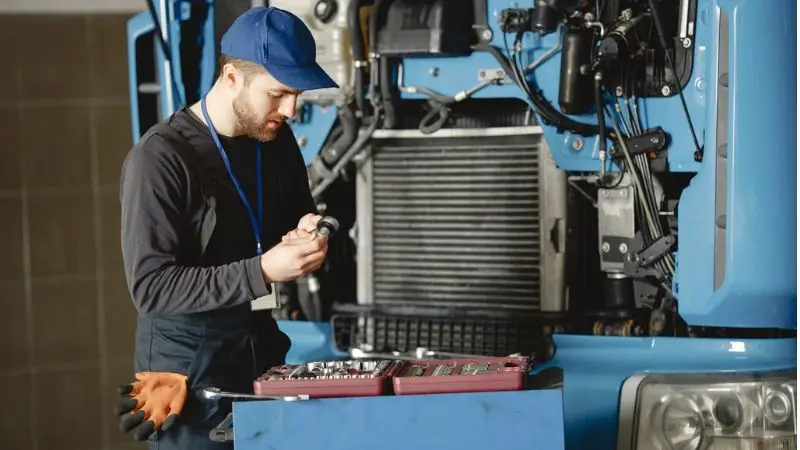
You can explain a agregat hydrauliczny‘s operation using a syringe as an example. When you retract the plunger, you create a vacuum. The vacuum will suck the fluid into the chamber. An pompa elektryczna uses the same mechanism, but a motor drives internal components to create suction at the inlet port. The suction draws fluid from the reservoir through the inlet port and forces it through the outlet port.
Step 1: The Pump Creates Suction
How does a hydraulic pump work step by step? The pump’s rotating parts spin quickly inside a sealed case. As the components rotate, they brush against the inlet opening. This forces air and fluid through the gaps. This creates a low-pressure region at the inlet. Atmospheric pressure on the reservoir pushes the fluid into the pump. This process is similar to drinking from a straw. Your mouth creates low pressure, and atmospheric pressure drives the liquid up.
Step 2: Hydraulic Fluid Enters the Pump
When the suction draws hydraulic fluid into the inlet, it will occupy the gaps between the rotating components. These gaps act like small buckets that trap a certain amount of fluid. The design prevents fluid from flowing back. The trapped fluid moves with the rotating components toward the outlet. The pump clearance is always tight.
Step 3: The Pump Moves the Fluid
As the components keep turning, they also carry the entrapped fluid through the casing. The outlet port is located at the other side of the casing. At the outlet port, the moving components interlock or slide. This action forces the fluid out of the gaps. The pump forces the fluid through the discharge line. It produces continuous pressure, hence a steady flow of fluid. The flow rate depends on the pump size and its rotational speed.
Step 4: Pressure Is Created in the Hydraulic System
How does a hydraulic pump work in a hydraulic system? Pompy płynów do not produce pressure on their own. Pressure is generated because fluid flows against resistance. Consider water being pumped through a garden hose. Pressure develops when you try to push water through the pipe. In a hydraulic system, resistance is developed by the actuators, which are the pistons and motors. Resistance to flow develops pressure—the pressurised fluid then acts on the pistons.
What Is the Working Principle of a Hydraulic Pump?

How does a hydraulic pump create pressure? The working principle of a pompa do transferu cieczy depends on one very fundamental fact: movement of fluid results in the development of usable energy. You have already learned how the pump develops suction and moves the fluid. This time, you will learn why this matters and how useful it becomes.
How Mechanical Energy Becomes Hydraulic Energy
Imagine how a bicycle works when you ride it: your leg muscles convert chemical energy into mechanical motion. A 12V hydraulic pump works the same way: it converts mechanical energy into fluid energy. The motor spins the pump’s parts. The pump’s spinning parts capture the fluid and push it out at high pressure.
How does a hydraulic pump generate flow? The key lies in the pump’s positive displacement design. Each rotation moves a fixed volume of fluid. You cannot compress liquid, so the pump must push every drop forward. That constant pushing creates flow. When that flow meets resistance downstream, pressure builds. The combination of flow and pressure forms fluid power. You can calculate this power by multiplying the pressure by the flow rate. Higher pressure or greater flow means more available power for your machinery.
Rola płynu hydraulicznego
Hydraulic fluid is not simply water. It is, however, a certain kind of oil with particular qualities. First, it is an incompressible fluid. While both water and oil are incompressible fluids, hydraulic fluid maintains its properties regardless of temperature changes. This quality allows it to transmit force instantaneously.
Second, hydraulic fluid lubricates all moving parts in the pump. The tight clearance between the gears and vanes requires the proper lubricant to prevent metal-to-metal contact. It removes heat from friction areas. It acts as an anti-rust and anti-corrosive agent.
What Are the Different Types of Hydraulic Pumps?

You can choose from several designs when selecting a hydraulic device. The two most common types of pompy elektryczne are gear pumps and vane pumps. Each type moves fluid and uniquely generates power. Understanding these differences helps you choose the right component.
How Does a Gear Hydraulic Pump Work?
Przekładnia fluid hydraulic pump uses two meshing gears inside a close-fitting housing. One gear connects to a motor. The other gear turns freely. As the gears rotate, the teeth separate at the inlet side. This separation creates a low-pressure zone. Liquid fills the space between the teeth and the housing. The gears carry this liquid around to the outlet side.
The teeth then mesh together at the outlet. This meshing action forces the liquid out. The liquid then enters the system under pressure. Gear pumps are simple and durable. They handle high loads well. The hydraulic system relies on this pressure for operation. They are a popular choice among pompy elektryczne. You can find them in many industrial applications.
How Does a Vane Hydraulic Pump Work?
A vane hydraulic pump has a rotor with sliding vanes. The rotor operates inside a cam ring. Vanes slide into and out of slots in the rotor. Centrifugal force presses the vanes against the cam ring. The clearance between the rotor, vanes, and cam ring varies as the rotor rotates. On one side of the rotor, the clearance increases, causing suction of fluid inside the pump. On the other side, the clearance decreases. This results in discharge of the liquid outside.
The vanes ensure continuous liquid flow. Vane pumps work quietly. They produce constant power for various mechanisms. Hydraulic oil lubricates all moving parts of the pump. They are well-suited for medium-pressure systems. Their hydraulic construction ensures quiet operation. It is just one of the possible rodzaje pomp hydraulicznych. Different pump types suit different systems.
Where Are Hydraulic Pumps Used?
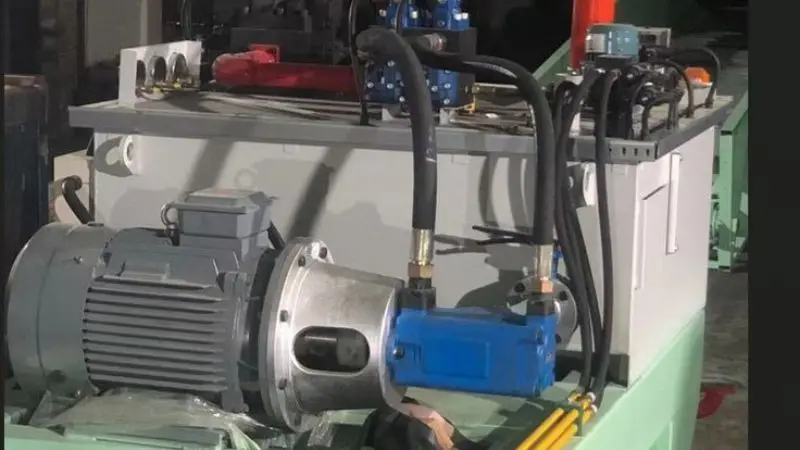
How does hydraulic pressure work? They are found in numerous machines that lift, push, or move loads. They are found in two areas: construction machines and industrial machinery.
Hydraulic Pumps in Construction Equipment
They are used in construction machinery to accomplish difficult tasks. An excavator uses a agregat hydrauliczny to control the movement of its arm and bucket. This task requires oil to flow through the machine. The hydraulic pump extends the cylinder to generate motion. This is seen when an excavator pushes itself deep into the ground. The flow is converted into force to lift loads. A bulldozer uses the same mechanism to push its blade. The operator uses oil flow to lift and lower the blade. Cranes also rely on this system to extend their booms and lift steel beams.
The equipment gives steady power even under heavy loads. Without a pompa płynów, these machines would have no strength. The fluid sends force from the engine to the working parts. Each machine type uses a pump sized for its own needs. A small skid-steer loader uses a compact unit. A large mining excavator uses a much bigger version. The unit must match the machine’s power needs. This keeps the equipment working well.
Hydraulic Pumps in Industrial Machines
Factories and plants use these parts for many jobs. A metal stamping press uses a układ hydrauliczny to push a ram downward. The device sends pressurised fluid to a cylinder. This cylinder applies force to shape metal sheets. You see this process in car body panels. Injection moulding machines use these units to clamp the mould halves together. The system stays steady during the cooling cycle. This keeps part quality consistent.
Material handling equipment, such as forklifts, uses them too. The hydraulic system lifts the forks and enables pallet lifting. The hydraulic system enables smooth operation during loading and unloading. Assembly lines use this system to press bearings and bend tubes. The system provides consistent power every day. The industrial sector requires this kind of durability. Filtration provides clean oil, which contributes to the system’s durability.
What Causes a Hydraulic Pump to Fail?
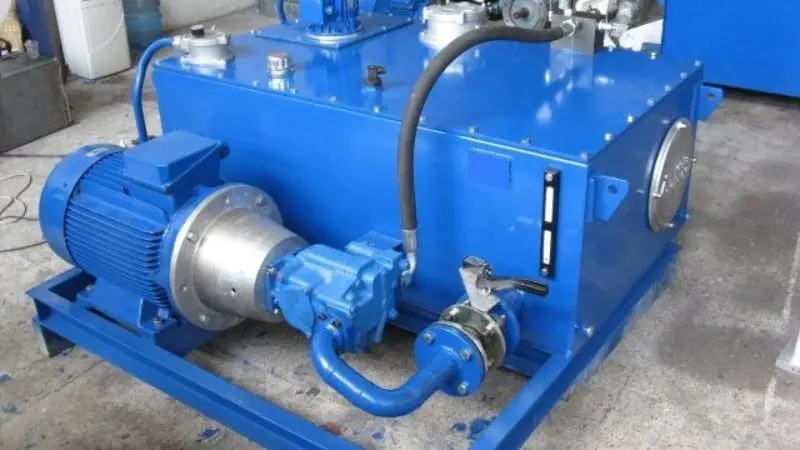
How does a hydraulic system work? Even a good Siłownik hydrauliczny can stop working. Most failures happen for predictable reasons. Knowing these causes helps you protect your machine and avoid costly downtime. Two main problems are dirty fluid and skipping regular maintenance.
Zanieczyszczony płyn hydrauliczny
Water, dirt, and metal particles can enter your hydraulic system. They can damage the pump from the inside, and you might not notice until it fails. Hydraulic fluid lubricates and transmits power. Contamination causes the fluid to lose its ability to perform its job.
Hard particles scratch the small gaps between moving parts. These scratches let fluid leak past the parts. The pump loses power and cannot make the pressure your system needs. Water in the fluid causes rust inside the pump case. Rust flakes break off and move around the system. Each time they pass, they damage seals and bearing surfaces.
Good filters can stop dirt. Change filters on the manufacturer’s schedule. Keep the tank caps sealed tight. Check hoses and fittings for cracks that let dirt in. When you add new fluid, use a clean container and funnel. These simple habits make your hydrauliczna pompa elektryczna last much longer.
Brak właściwej konserwacji
Skipping regular maintenance puts your pump in danger. A mechaniczne źródło zasilania works hard every time your machine runs. Moving parts face constant friction and heat. Without regular care, small problems become big failures.
Low fluid levels cause the pump to draw in air instead of fluid. Air in the system causes cavitation. Tiny bubbles pop hard against metal surfaces. This action wears down the pump parts over time. You may hear a knocking or whining sound when cavitation happens. That noise means damage is happening right now.
Regular maintenance requires checking fluid levels daily. Watch the fluid’s colour and odour to detect overheating. Monitor operating temperatures during heavy loads. Repair worn seals before leakage. Keep a log of service dates and replaced parts. This information helps you spot patterns before they become emergencies.
Wniosek
You have learned about how the pompa hydrauliczna operates. It generates flow by displacing a predetermined volume of fluid. When an obstruction restricts this flow, pressure develops and performs useful work. Gear, vane, and piston pumps perform various functions. These hydraulic pumps serve different purposes. Gear pumps serve well in demanding applications. Vane pumps create minimal noise.
hydraulic power pump converts mechanical energy into fluid power. Fluid power appears in many machines around us. The pump transfers fluid through the system. This concept gives you a basic knowledge of the hydraulic system. Next time you see the loader lifting a heavy load, you will know the source of this power—the whole operation performed by a simple liquid.
FAQ
How do you spot a faulty unit?
You may hear noises such as whining or knocking. The machine slows down. There is reduced hydraulic pressure. Leaks are evident. The fluid is dirty or has a burnt odour. Sort it out to prevent a total breakdown.
Which oil do you use on the hydraulic pump?
Always use the hydraulic oil with viscosity compatible with your system. This oil lubricates the moving parts. It resists compression and cools the system. Always follow instructions from the manufacturer. Using the wrong oil affects performance.
Is a hydraulic pump repairable?
Some hydraulic pumps have replaceable seals. Others require a new pump if internal damage makes them unrepairable. Oil contamination usually results in internal damage. Proper maintenance can prevent this.
How does a hydraulic pump create pressure?
You already know how a hydraulic pump operates. It creates flow, not pressure. Pressure comes from resistance to flow. Motors or cylinders provide resistance.