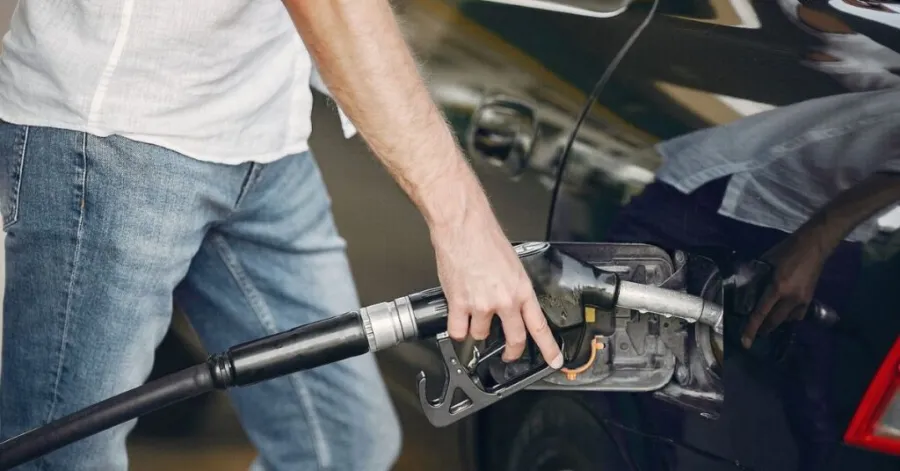
Refueling with diesel fuel is a common procedure for trucks, generators, tractors, and other construction machinery, and must be done safely. Właściwy sprzęt and process can prevent spills, contamination, and other fueling hazards. From filling a vehicle at a fueling station to loading a fuel truck onto construction equipment at a jobsite, preparation is essential. This guide covers equipment requirements, types of fueling systems, fueling procedures, and safety considerations for diesel fueling. You will also learn how to safely refuel a diesel truck, generator, tractor, or construction equipment while maintaining control and efficiency.
Spis treści
Types of Diesel Refueling Systems

Diesel equipment can be refueled with multiple system types, depending on equipment size, fuel volume, and the environment where it’s used. Each system offers different levels of convenience and control.
right setup can speed up diesel fueling, minimize handling issues and spills, and make the job easier. These diesel fueling applications range from simple manual equipment to automated commercial systems
Polecane dla Twojego projektu
Manual Diesel Refueling Systems
Manual diesel refueling systems are basic systems based on a hand-operated pump that is used to transfer fuel from a fuel container to a tank. They are useful when no electric power is available or when you need to transfer small quantities of diesel. A hand pompa lets you control fuel flow directly, making it easier to stop when the fuel reaches the desired level. It’s suitable for tractors, generators, and smaller diesel equipment. If the diesel refueling procedure is followed, check the pump, hose, and connections before use. Manual systems are also convenient for sporadic fueling operations, as they are easy to carry and store and require little maintenance.
Electric Diesel Transfer Pumps
Electric diesel pompy do przetaczania paliwa are powered by an electric motor to pump fuel from the fuel storage tank or fuel container to equipment. They typically offer a quicker and more uniform fuel flow than manual pumps, and are ideal for frequent fueling. These can help when training operators to refuel large, heavy machinery, particularly where larger fuel tanks require more fuel. An pompa transferowa elektryczna can come with a hose, nozzle, filter, and automatic shutoff, depending on the model. Inspect electrical connections and fuel lines for damage prior to operating the system. Shared equipment is designed specifically for diesel fuel systems, which helps ensure reliable operation and minimises the risk of leakage or contamination.
Portable Diesel Refueling Systems
Portable fuel systems are diesel-powered to fuel equipment away from a fixed fuel station. These systems can include a portable tank, transfer pump, hose, and dispensing nozzle in one mobile unit. Specific use cases include farms, construction sites, workshops, and remote work locations. For construction equipment refueling, a portable system may be the solution if you want to fuel the machine without moving heavy equipment to a fueling station. Securely place portable systems while in use. They should also match the equipment’s fuel capacity, pompa type, and power requirements.
Automatic Diesel Fueling Systems
Automatic diesel fueling systems include controls and dispensing components to help make refueling more convenient and uniform. Some systems can measure flow, control it, and automatically stop when the tank reaches a preset level. When properly set up, these features can minimize manual handling and prevent overfilling. For businesses or operations that refuel diesel vehicles and equipment frequently, automatic systems may be appropriate. They can also help ensure a more consistent, safe diesel fueling procedure by providing controlled fuel delivery. Understand the controls and check the compatibility of the nozzle, hose, and fuel tank before using an automatic system.
Commercial Diesel Refueling Systems
Commercial diesel refueling systems are intended for commercial enterprises or operations that require frequent fueling of several vehicles or large equipment. They often feature larger storage tanks, high-capacity pumps, high-volume fuel dispensing hoses, fuel meters, and other fuel-management parts. These systems are located in fleet yards, agriculture, transportation, and construction companies. If a commercial fueling operation has multiple pieces of diesel equipment to fuel throughout the day, the right setup can optimize refueling time. These systems process more fuel, and proper installation coupled with routine inspection is important. Operators should also follow safety rules and the manufacturer’s guidelines for each refueling procedure.
Equipment Needed for Diesel Refueling

With the proper equipment, diesel fueling is easier, cleaner, and more controlled. Based on the type of machinery you are running- truck, generator, tractor, or heavy equipment- the exact system setup will vary.
A simple system might require nothing more than an appropriate storage container, transfer pump, hose, and nozzle. Larger operations might also need to have additional equipment for filtration, flow measurement, and grounding to ensure a proper diesel refueling procedure is used and is reliable.
Pompa transferowa oleju napędowego
A pompa transferowa oleju napędowego is used to transfer fuel from the storage tank or container to the equipment’s fuel tank. Depending on application, pumps may be manual, electric, or operated by other appropriate systems, based upon the fuel flow required. The right-size pump helps you refuel faster and control fuel delivery more precisely. Pompy transferowe are suitable for trucks, tractors, generators, and construction machinery. Select an appropriate pump to use when learning how to refuel heavy equipment, based on the fuel volume and operating conditions. Inspect the pump, fittings, and connections prior to use. This also helps minimise the risk of leaks, fuel contamination and damage to the equipment, as it is diesel compatible.
Fuel Tank or Storage Container
A fuel tank or storage container is used to store and hold diesel for use in a vehicle or machine. The container should be designed and approved for diesel storage and be securely closed to minimize contamination and leakage. Storage space must be commensurate with your fueling needs without posing any unnecessary handling problems. Larger tanks might be practical for a fleet, farm, or construction site where diesel refueling is done regularly, while smaller tanks that are approved might be used for infrequent equipment refueling. Store diesel fuel in a container that is free from contamination and routinely check for damage, corrosion, or leakage. Proper storage improves fuel delivery and helps maintain reliable engine performance.
Fuel Hose and Nozzle
The fuel hose conveys fuel from the pompa transferu to the equipment fuel tank or from the fuel storage system to the equipment fuel tank. Fueling is controlled by a dispensing nozzle so you can stop fueling when the tank is at the proper level. Both parts should be diesel fuel rated and be rated for the pressure and flow of the transfer system. As you’re learning how to refuel a diesel truck safely, place the hose in a way that prevents it from stretching, kinking, or getting damaged during fueling operations. Regularly check the hose and nozzle for cracks, loose connections, and leaks. Cleaner and more controllable refueling is achieved by using a secure hose and a usable nozzle.
Filtr paliwa
A fuel filter prevents dirt, particles, and other contaminants from entering the equipment’s fuel system or tank. Preventing contaminants will ensure the protection of fuel injectors, fuel pumps, and other sensitive engine parts. Filters are especially beneficial when transferring diesel from storage tanks that can accumulate sediment or moisture over time. When training yourself on how to refuel a diesel generator, having an appropriate filtration system could help make the fuel delivery cleaner. Use a diesel-specific filter and change it as per the manufacturer’s specifications. A clean filter allows fuel to move freely through the fuel system and minimizes issues caused by fuel contamination.
Przepływomierz
A flow meter is used to measure the amount of diesel flowing through the fueling system. It can be useful in commercial operations, farms, construction companies, and vehicle fleets where it is important to track the fuel. A flow meter can indicate the quantity dispensed during one fueling period or be used to measure the total fuel usage. Use a measurement system to better track fuel use and look for any abnormal use. When following a safe diesel fuel refueling procedure, make sure the meter is properly installed and compatible with the pompa and fuel system. Reliable measurements can be obtained by regular inspection and calibration.
Grounding and Safety Equipment
Some safety equipment controls static electricity during certain diesel fueling operations, and other safety equipment makes fuel easier to handle. This can involve grounding cables, suitable fire protection equipment, spill-control materials, and protective equipment, among other things, depending on the installation. Specific requirements are dependent on the fueling environment, equipment, and applicable regulations. Install and use grounding/bonding in accordance with the equipment manufacturer’s instructions and local requirements. These measures are especially important when refueling construction equipment at active work sites. Keeping the fueling area organized and having the necessary safety equipment available can help minimize spills, leaks, and other fueling-related incidents.
How to Refuel a Diesel Vehicle Safely
It takes more to refuel a diesel vehicle than just pumping in gas. A controlled process helps minimize spills and contamination and maximizes safety in the fueling area.
The procedure for fueling a pickup, delivery vehicle, fleet truck, or other diesel-powered vehicle is the same, in general. This procedure, from parking to closing the fuel cap, is a safe method for refueling with diesel fuel.
Park on a Stable, Level Surface
Ensure that the diesel vehicle is parked on a level surface before fueling. Set the parking brake and ensure the vehicle is in a safe position. A level surface keeps the fuel tank and filler opening in a predictable position during work operations. It also helps to minimize the risk of the car accidentally rolling off the pompa paliwowa. When you’re on the road learning how to safely fuel up a diesel truck, picking the right parking spot should be one of the initial things you do. Clear the fueling area of unnecessary obstacles and ensure the hose is not stretched or placed where people may trip over it.
Wyłącz silnik
Never leave the car engine running while refueling. Keeping the engine running can create unnecessary fueling-station hazards and may violate fueling-station requirements. After turning off the engine, set the parking brake and leave the car in place. If necessary, take the key out of the ignition and do not start the car until the refueling is finished. Stopping the engine is crucial in diesel refueling, as it provides a safe environment during fuel transfer. Stop to ensure that the vehicle is secure and fueling equipment is ready before opening the fuel filler.
Inspect the Fueling Equipment
Inspect fuel hose, nozzle, pump, and connections for damage or leaks before dispensing fuel (diesel). Ensure equipment is designed for diesel fuel, and the nozzle is clean. Ensure there is no dirt or debris around the fuel filler opening that could lead to contamination during fueling. If any component is seen to be damaged, do not use it until the problem has been resolved. This inspection is an important step in the correct diesel refueling procedures, as a wobbly connection or damaged hoses can result in fuel leakage. Checking equipment can even help to avoid contamination and interruptions during filling up.
Insert the Nozzle Correctly
Open the vehicle’s fuel door and remove the fuel cap. Push the diesel nozzle completely into the fuel inlet opening and maintain a steady position during fueling. Before turning on the flow of fuel, check the nozzle’s correctness. Never support the nozzle so that it will slide, fall, or let fuel splash outside the fuel opening. Proper nozzle placement is especially important when learning how to safely refuel a diesel truck, as fuel tanks and filler openings could be larger on commercial and heavy-duty vehicles. Be sure to control the nozzle when dispensing fuel and stay by the vehicle—don’t let someone else do the work.
Fill the Tank Without Overfilling
Start the flow of diesel at a reduced rate, and keep an eye on the level as the tank fills up. Do not rush or pour more fuel than the tank’s capacity. Excessive overfill can result in spillage around the fueling opening and in unnecessary cleanup and environmental problems. Controlled filling is a key aspect of both safety and fuel management when learning how to refuel diesel equipment. Notice the automatic shut-off on the dispensing nozzle, but don’t use it as a replacement for process monitoring. Refuel only when the tank is properly filled and don’t overfill the tank.
Remove the Nozzle and Secure the Fuel Cap
After fueling, turn off the fuel flow, and then gradually pull the nozzle away from the fuel opening. Let any unused fuel drip off the nozzle before placing it in the nozzle holder. Install and tighten or secure the fuel cap as specified by the vehicle manufacturer. Shut the fuel door and examine the region around the fuel filler for spilled fuel. Properly storing the nozzle and closing the fuel system completes the safe diesel fuel refueling procedure. Ensure the fuel cap and fuel door are closed and that no fueling equipment is left connected prior to starting the vehicle.
Diesel Refueling Safety Practices
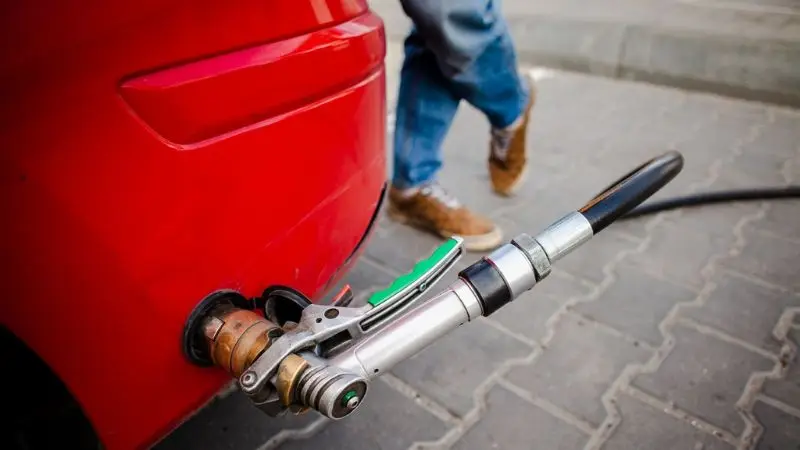
When filling a vehicle, generator, tractor, or heavy machine with diesel, safe handling of the fuel is important. Good practices minimise risk of spills, contamination, fire and unnecessary exposure.
A proper refueling procedure for diesel also helps to manage routine fueling. Here are some important practices to maintain the safety of the equipment, fueling area and surroundings.
Keep Diesel Away From Ignition Sources
Never store or handle fueling equipment containing diesel fuel near any open flames, sparks, smoking materials, or other ignition sources. Shut off engines before starting fueling and, if possible, stay away from hot surfaces while fueling. Diesel has a higher flash point than gasoline, but it can still catch fire if conditions are right. Follow diesel refueling procedures and keep clear the area around the fuel tank and fuel dispensing equipment. Never smoke while handling or transferring fuel. Removing ignition sources is an important additional safety measure during fueling operations and is especially important at busy farms, workshops, construction sites, and fleet yards where several machines work in close proximity.
Prevent Fuel Spills and Leaks
Check hoses, nozzles, pumps, containers, and tank connections before beginning fueling operations. Damaged or loose parts may allow fuel to transfer during a leak. Do not overfill and maintain nozzle position when filling to minimize the risk of overflow. In the event of a spill, immediately shut off the fuel and manage the spilled fuel with suitable spill-control materials. A safe refueling procedure prevents unnecessary loss of fuel and pollution of the environment. Inspecting fueling equipment regularly can also help detect worn seals, cracked hoses, or damaged fittings that could lead to a larger leak.
Noś odpowiedni sprzęt ochronny
Appropriate protective equipment can minimise direct contact with diesel during refueling activities. This could be appropriate fuel-resistant gloves, protective clothing, and eye protection, depending on the job and work site. Never handle fuel on purpose without wearing gloves, especially when transferring larger amounts or operating equipment that might splash. Wash skin immediately with soap and water if diesel contacts it. For how to refuel heavy equipment, protective equipment can be especially important since larger tanks and longer hoses can mean the risk of accidental splashes. Always choose protective equipment suitable to the work environment.
Utrzymuj odpowiednią wentylację
Gas up diesel vehicles in a well-ventilated area, if possible. Good ventilation reduces fuel vapor buildup and increases air circulation around the fueling area. Refueling should not be done in enclosed areas except where the fueling area is designed and vented to handle fuel. Especially when learning how to refuel a diesel generator, generators can be in utility rooms, workshops, or other partially enclosed spaces. When beginning transfer, consider surrounding airflow and the manufacturer’s equipment requirements. Proper ventilation will also help to identify unusual fuel odours and leaks or other issues as part of the refueling procedure.
Keep Fueling Areas Clean
Maintain cleanliness around the fuel tank, pump, hose, and dispensing area, and do not have unnecessary debris around. Clear away dirt, debris, tools, and other objects that may interfere with the fueling operation and that may cause tripping hazards. Promptly clean up diesel spills using appropriate materials and dispose of contaminated materials as required. A clean fueling area helps prevent “leaky” conditions and provides better control of fueling equipment. This can be particularly handy when learning how to refuel construction equipment, as active work sites can often feature dust, mud, tools and machinery. Keeping the area organised supports a more uniform refueling operation and reduces unnecessary risks.
Store Diesel Fuel Safely
Keep diesel in appropriate approved containers/tanks for fuel storage. Ensure storage containers are properly closed and protected from damage, contamination, and conditions that can affect the container’s integrity. Store in a location appropriate to the fire, environmental, and workplace requirements. Store gasoline away from incompatible materials and sources of ignition. Inspect and maintain fuel storage systems per the manufacturer’s instructions for larger fuel storage systems only. An important part of the best way to refuel your diesel equipment is to use clean fuel that is properly stored, avoiding contamination and equipment issues. When handling larger quantities of diesel, always adhere to local regulations and to the storage equipment manufacturers’ instructions.
Zamotać
Safe Diesel Refueling begins with proper preparation, proper equipment, and proper handling of fuel. Secure equipment, always shut off the engine, check the fueling system, and be aware of fuel flow when filling the tank. The use of compatible lakierki, hoses, nozzles, and storage containers can enhance the efficiency and control of this process. Clean up spills, leaks, contamination, and other hazards by following a standard procedure, regardless of whether you are using a diesel truck, generator, tractor, or construction machine. Knowing the proper procedure and keeping fueling areas neat and orderly can make fueling equipment a safer operation.
FAQ
How is diesel equipment best refuelled?
The safest way to do this is to park in a secure area, shut down the engine, check equipment, use proper fueling equipment, do not overfuel, and lock the fuel cap.
What are the safe procedures for refueling a diesel truck?
Stop the engine of the truck, check the nozzle and hose, fill slowly, do not overfill, and remove the nozzle and put the cap in place.
What is the procedure for filling the fuel tank of a diesel generator?
Cool down and turn off the generator, check the fuel system, use clean diesel, don’t overfill the fuel reservoir, shut the fuel cap before restarting the generator.
What is the method of refueling heavy equipment?
Park heavy equipment safely, turn off the engine, inspect fueling parts, position the nozzle properly, watch the fuel flow, and turn off the fuel when the tank is full.