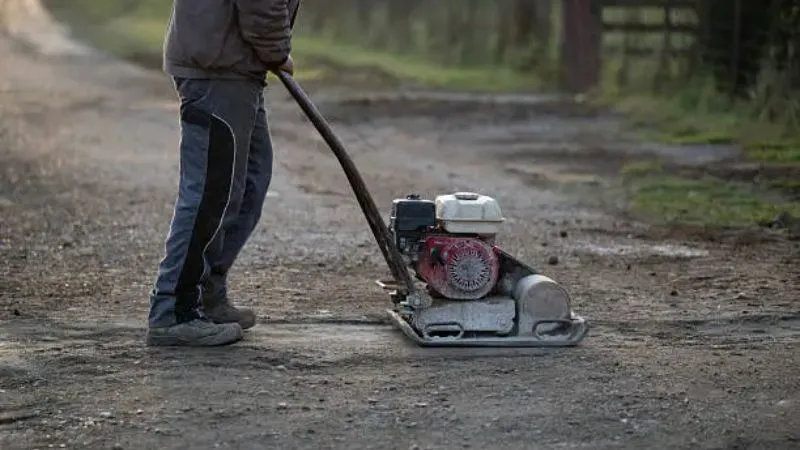
After a heavy rain, you see annoying ruts and washouts in your gravel driveway. Many homeowners deal with this issue. The fix is good compaction with the right tool. A plate komprimator is the key machine for making a strong gravel driveway. Picking the right plate compactor for gravel driveway work is the most important first step. This guide helps you choose the right machine by considering weight and power. It also shows you how to operate a plate compactor for gravel properly. You need solid compaction to create a steady base.
What plate compactor is best for a gravel driveway? However, choosing the wrong gravel or compactor can lead to poor results. Proper driveway preparation and moisture control are also important for effective compaction. This guide explains how to choose the right plate komprimator and use it correctly. You will also learn about common mistakes that can weaken your gravel driveway. With the right approach, you can create a smoother and more durable driveway.
Can You Use a Plate Compactor on a Gravel Driveway?
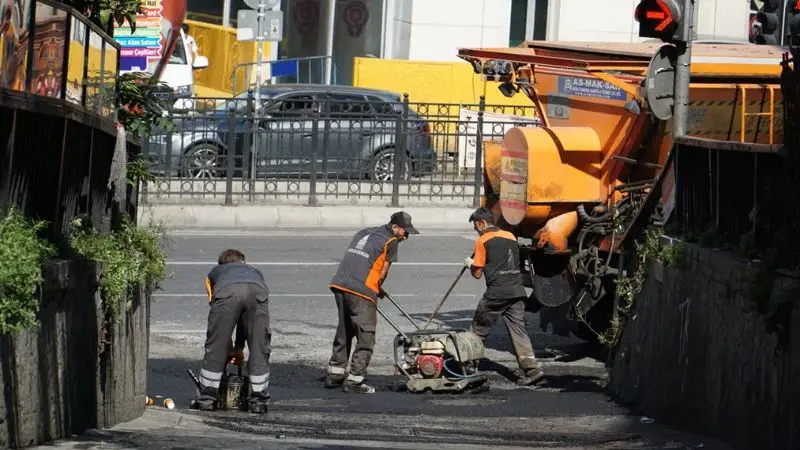
Yes, a plate compactor can be used in a gravel driveway. This is a packing tool for compacting loose rocks. The machine produces a solid, level surface. The best gravel driveway compaction results are achieved when the right kind of gravel is used with a plate komprimator. These ruts and washouts can be avoided regularly if you use the proper technique. The secret is pairing up the machine with the material.
Types of Gravel That Work Best with a Plate Compactor
Angular crushed stone is preferred for compaction. Crushed granite or crushed limestone has sharp, rough edges. The force of a vibratory plate komprimator on these edges achieves this locking. The stones fuse to form a solid mass. Following a few passes, the surface will be firm. This is the most stable gravel driveway. Under the weight of a vehicle, the locking action prevents the vehicle from moving. Can you use a plate compactor on a gravel driveway? A good quality gravel mix will also compact well. This blend includes fine particles that fill the spaces between the larger stones. The mix produces a smooth surface. Many driveway experts recommend crusher run gravel. The sizes of this material are well balanced. Use a size guide to determine the right size gravel to work with. A stone size guide is used to select stone grades. Most driveways have 3/4″ stone mixed with fines. This material forms a smooth, hard surface. This kind of gravel will provide proper compaction.
When a Plate Compactor May Not Be the Best Choice
Rounded gravel, such as pea gravel, doesn’t compact well. The plate causes smooth stones to roll one over another. How to compact gravel with a plate compactor? A plate compactor can redistribute the rocks without forming a firm base. The surface remains loose even after a great many passes. This material requires different equipment. A plate komprimator for pavers or asphalt compacts a variety of materials. The other issue is also very thin gravel. Layers are not apt to compact if they are less than two inches thick. The machine may skip over a material without compressing it. There should be sufficient depth to the plate for the development of effective force. Gravel that is poorly graded, with even particle sizes, is also a problem. If there are no gaps between the stones, the stones cannot lock together. You receive a surface that moves under the load. This results in ruts and an irregular surface.
Test the Gravel Before Buying
Consider hiring a plate compactor to do a trial test of the material. You can hire a plate compactor at a reasonable rate if you’re working on a do-it-yourself project. Experiments can be conducted to test various approaches before purchasing equipment. There are optimal conditions for good compaction. How to compact a gravel driveway? To work properly, a plate compactor used for gravel driveway paving requires the proper material. The most effective use of a plate komprimator for gravel driveways is if you prepare the area properly. The first step in preparing a strong gravel driveway is to have the correct plate compactor. At least a certain amount of weight and shaking is required for good compaction. Make up your base in layers. Before adding more layers, make sure each layer is well compacted. This prevents ruts and washouts following rain. This will ensure your gravel driveway remains solid for years. Keep in mind that angular crushed stone packs best. The rounded gravel does not pack well. Run some tests on the material before beginning a large project. The last pass of the compactor should make a smooth, stable surface. You are now familiar with the features and uses of a plate compactor. Get your driveway project underway and have a long-lasting driveway!
How to Avoid Common Compaction Mistakes
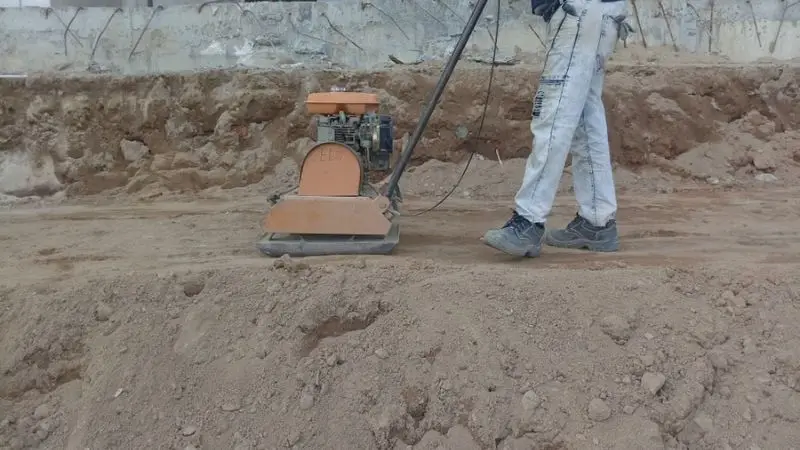
Common compaction errors are selecting the wrong gravel, failing to prepare the driveway, and adding too much or too little moisture to the gravel. When using a plate komprimator on a gravel driveway, the machine should be appropriate for the job size and the type of material to be compacted. Controlled moisture and proper preparation will ensure even settlement of the gravel and a firm, stable surface. These are things that can be avoided to enhance compaction, minimize ruts and soft spots, and increase the driveway’s longevity.
Bruk av feil type grus
When constructing or rehabilitating a gravel driveway, selecting the proper gravel can be one of the most crucial decisions. It is important to note that different types of gravel have distinct compaction properties. In some materials, the attraction between the particles is strong, and in others, the attraction is weak. Even if it’s a powerful machine, the wrong type can reduce your plate compactor’s effectiveness. Angular crushed gravel is usually a good choice for driveway bases. The rough edges facilitate locking when vibration and pressure are applied, allowing individual stones to interlock. How many passes with a plate compactor on gravel? The closer the stones are going to one another as the plate compactor moves over the surface. Smaller pieces and fines can fill up the spaces between larger pieces. This results in a tough, stable surface that can better handle cars, trucks, and regular traffic. Selecting appropriate GRAVELS will improve your plate compactor’s performance. The machine applies vibration and downward force, but the gravel must have certain characteristics to respond to the force.
Skipping Driveway Preparation
One of the most common errors is failing to prepare the driveway before using the plate compactor, which can diminish the compactor’s effectiveness on a gravel driveway. A stable working surface for the machine and even compaction of the gravel are essential. What plate compactor is best for a gravel driveway? Take some time before operating the plate compactor to prepare the driveway properly. This can also help create a better final product and reduce issues such as ruts, soft spots, and unevenness. Clear away loose dirt, grass, weeds, roots, and other debris from the driveway. Organic material may decompose, creating spaces below the gravel. Such weak areas may result in a depression of the surface under the passage of vehicles. Keeping the area clean helps provide a stable, better foundation for the gravel. With proper preparation, the machine will be in the best condition to form a firm and stable driveway.
Bruker for mye vann
When installing a gravel driveway, having too much water is a big mistake when using a plate compactor. Gravel particles can be more easily bound together and settled by adding moisture, but too much water can result in a soft, unstable, and un compactable gravel surface. People can better care for the compactor and build a more robust driveway by knowing how to avoid overwatering. What type of compactor is best for gravel? If using gravel, it is beneficial to add a little water to help compact the gravel. Water facilitates the transport of fine particles from large stone particles. The smaller particles can fill in open spaces as the vibrating plate passes over the surface. This can contribute to a more compact, firmer gravel bed. A little moisture makes gravel more compactable than very dry, dusty gravel. Water use determines whether the plate compactor produces a firm, even surface for gravel driveway projects.
Compacting Gravel When Too Wet
One of the most frequent errors is compacting gravel that is too wet for the plate compactor to be effective for gravel driveway projects. Using the right amount of water can help the gravel settle, but saturated gravel is different. Can you use a plate compactor on a gravel driveway? If users understand why they should allow wet gravel to dry before compaction, they will avoid soft spots, uneven surfaces, and wasted effort. If the gravel becomes too damp, water can accumulate between the stones. This will keep the particles from settling out and being properly merged. The material does not form a solid surface, but can be displaced by the vibration and pressure of the plate compactor. As the machine traverses the gravel, tracks or patches may form and stick to the plate, or the gravel may shift or stick on the plate. The wetter the gravel is, the less effectively the plate compactor can operate if compaction is avoided.
Using the Wrong Plate Compactor
A common error that can impact the quality of a gravel driveway is using the wrong plate compactor. Various compactors are available for various materials, depths, and project sizes. A machine that is too small, too large, or not up to the job may make it more difficult to work the gravel and may result in an uneven surface. Knowing which type of plate compactor to use for gravel driveway jobs will help you achieve gravel compaction with minimal effort. How to use a plate compactor to compact gravel? The working principle of a plate komprimator is vibration and weight, which move gravel particles towards each other. But the machine must be compatible with the material to work in this process. A small, compact compactor can be helpful in limited space or for compacting under certain circumstances, such as on a small driveway or during repair work. A more powerful machine might be required if the gravel bed is deep or if the driveway is frequently driven on.
Wrap Up
Velge riktig plate komprimator for gravel driveway applications helps in making a strong, durable surface. Follow the manufacturer’s recommendations for angular, well-graded gravel that can interlock under vibration and pressure. If the driveway is not compactable, remove all debris and correct soft or uneven surfaces before compacting. Don’t use excessive water or compact gravel when it’s wet or muddy. Choose a plate compactor that is appropriate for your gravel depth, driveway size, and project needs. What plate compactor is best for a gravel driveway? Gravel should be compacted in small layers and with overlapping passes to achieve uniform compaction. Good compaction will minimize washout and ruts, and reduce gravel shifting and uneven surfaces. Careful preparation of material and equipment can make the job go more smoothly and be more effective. A properly prepared gravel driveway, when done with the right technique and equipment, can be smoother, stronger, and last longer.
FAQ
What capacity of plate compactor is best for a gravel driveway?
Velg en plate komprimator that has a centrifugal force of 4,000 pounds or more. Machines with larger blades work best with deeper layers of gravel. Most residential driveways will require a mid-size unit. Use a larger one for longer or more heavily used driveways.
How many passes are required for satisfactory compaction?
Repeat 3-4 times over each area. Run each pass at half the width of fatet. The surface should be checked after each pass. Stop as soon as the gravel stops moving. This indicates that the material is filled.
Do we put water in before we compact the gravel?
Lightly dampen the gravel before compacting. Fines can be bound together with a small amount of moisture. Never immerse in water. Excess water prevents proper compaction. Test a small area initially to check the moisture level and get it right.
Is it okay to compact a gravel driveway when it is wet?
Don’t compact a gravel driveway in wet conditions. Wet material is not compactable. The machine can become embedded in the ground or push mud rather than stones. To achieve the best results, work on a dry day.