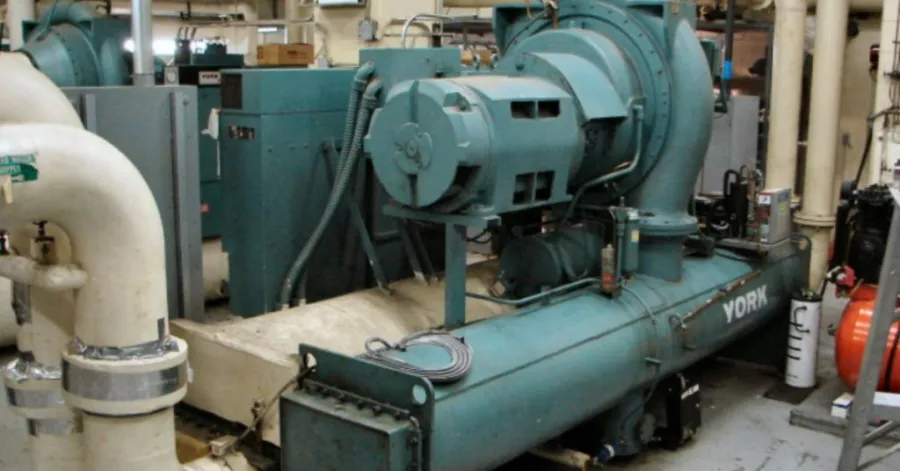
Het koelsysteem dat veelvuldig wordt gebruikt in grote gebouwen en industriële omgevingen is een watergekoeld systeem, dat optimale en constante koeling garandeert. Het werkt volgens het principe van het koelen van binnenruimtes door warmte af te voeren met water als warmteoverdrachtsmedium, wat effectiever is dan de meeste andere koelsystemen. Het is een circulair systeem dat bestaat uit een verdamper, compressor, condensor en koeltoren.
Alle componenten spelen een specifieke rol in de temperatuurregeling. De prestaties, het energieverbruik en de betrouwbaarheid op lange termijn van de watergekoelde chiller Een systeem kan worden verbeterd door inzicht in het werkingsprincipe, en daarom is het koelsysteem een van de belangrijkste onderdelen van moderne HVAC-systemen.
Basiswerkingsprincipe van een watergekoeld koelsysteem
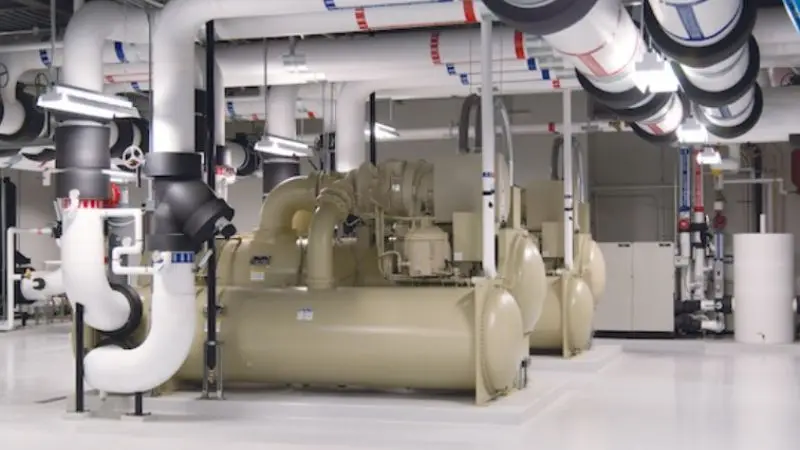
Door de principes van een watergekoeld koelsysteem te leren kennen, kan worden uitgelegd hoe grote koelsystemen gebouwen en industriële installaties koelen. Dit onderdeel vormt de basis voor het proces van warmteafvoer in fasen.
Voordat we ingaan op de technische aspecten, is het noodzakelijk om de energiestroom binnen het water en het koelmiddel te kennen.
Dit is een continu proces dat erop gericht is om onder diverse bedrijfsomstandigheden stabiele koelprestaties te garanderen.
Warmteabsorptieproces in de verdamper
De koelwerking van het systeem begint in de verdamper, waar deze de warmte uit het omringende watercircuit absorbeert. Het warme water uit het gebouw stroomt terug naar de verdamper en komt in contact met het koude koelmiddel in de buizen. Deze warmte wordt vervolgens door het koelmiddel geabsorbeerd, waardoor de watertemperatuur daalt. Dit proces is een belangrijk onderdeel van de werking van een watergekoeld koelsysteem, omdat het koud water produceert dat gebruikt kan worden voor airconditioning of industriële toepassingen.
Doordat het water zijn warmte afgeeft aan het koelmiddel, verandert dit in damp in plaats van vloeistof en is het klaar voor de volgende cyclusstap. De constante warmte-uitwisseling zorgt voor een constant koelvermogen en draagt bij aan een effectieve werking van het systeem zonder abrupte temperatuurschommelingen.
Koelmiddelcyclus en compressiefase
Na de verdamper stroomt het koelmiddel naar de compressor, waar het wordt samengeperst tot een hogedrukgas. De compressor draagt aanzienlijk bij aan de druk- en temperatuurstijging van de koelmiddeldamp. Dit is noodzakelijk omdat de compressor het werkingsprincipe van de watergekoelde koelmachine aandrijft door warmteoverdracht tussen lage- en hogetemperatuurzones mogelijk te maken.
Na de compressie wordt het koelmiddel geactiveerd en is het klaar om in de volgende fase warmte af te geven. De compressor zorgt voor een constante stroom van koelmiddel in het systeem en houdt het systeem continu koel. Dit is een continue cyclus, waardoor het systeem stabiel en betrouwbaar is voor grootschalige koeltoepassingen in commerciële en industriële omgevingen.
Warmteafvoer via de condensor en koeltoren
Tijdens de condensorfase draagt de hoge druk van het hete koelmiddel de warmte over aan het condensorwatercircuit. Deze warmte wordt vervolgens afgevoerd naar de koeltoren, waar deze uiteindelijk in de atmosfeer wordt geloosd. Dit is een essentieel onderdeel van het proces. watergekoelde chiller systeem, omdat het ervoor zorgt dat het systeem niet oververhit raakt en soepel blijft werken.
Een koeltoren koelt het condensorwater af door middel van verdamping en luchtstroom. Nadat het water is afgekoeld, wordt het teruggepompt naar de condensor om nog wat warmte aan het koelmiddel te onttrekken. Dit herhaalde warmteafvoerproces houdt het systeem in balans en draagt bij aan de energie-efficiëntie op lange termijn van watergekoelde koelinstallaties in veeleisende toepassingen.
Belangrijkste onderdelen van een watergekoeld koelsysteem
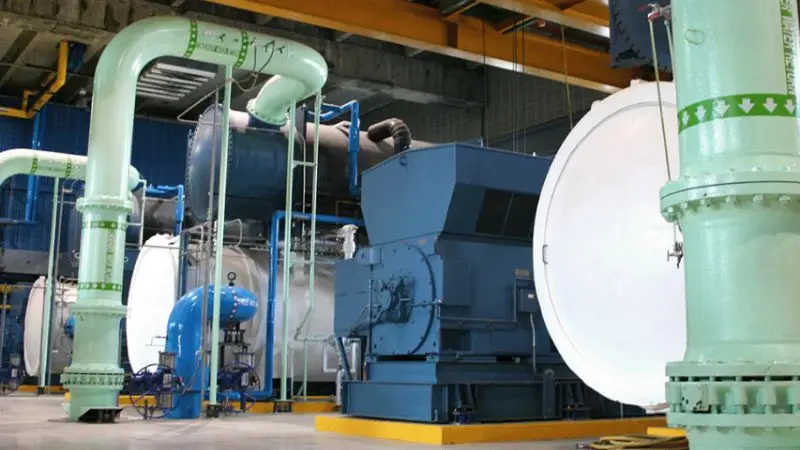
Een watergekoeld koelsysteem bestaat uit een aantal belangrijke componenten die samenwerken om een gelijkmatig koelend effect te genereren. Elk onderdeel heeft een specifieke taak: de warmte in een gebouw naar buiten afvoeren.
Om inzicht te krijgen in het systeem, moeten we de rol van elk onderdeel in het algehele koelproces onderzoeken.
Deze componenten vormen een gesloten circuit dat constante temperaturen en een efficiënte werking garandeert in grote HVAC-installaties.
Verdamper en zijn werking
Het gedeelte waar het koelproces begint, is de verdamper. Het warme water van het gebouw stroomt dit gedeelte binnen en wordt in buizen gekoeld met koelmiddel. De warmte in het water wordt door het koelmiddel geabsorbeerd, waardoor de watertemperatuur daalt en gekoeld water circuleert. Dit koude water wordt teruggevoerd naar het gebouw om te worden gekoeld door airconditioning of gebruikt voor industriële koeling. De verdamper is een essentieel onderdeel van de werking van een watergekoeld koelsysteem, omdat het de directe koeler van het systeem is. Het koelmiddel in de verdamper wordt omgezet in damp door de warmteabsorptie en is klaar voor gebruik in het volgende deel van de cyclus.
Compressortypes die worden gebruikt in HVAC-koelinstallaties
Een belangrijk mechanisch onderdeel van het systeem dat de druk en temperatuur van de koelmiddeldamp verhoogt, is de compressor. HVAC-koelinstallaties gebruiken verschillende soorten compressoren, afhankelijk van de grootte van het systeem en de koelbehoefte. De meest voorkomende zijn schroefcompressoren, centrifugaalcompressoren en zuigercompressoren. Beide typen werken door het comprimeren van koelmiddelgas en het voortstuwen ervan door de cyclus. Dit is noodzakelijk voor het werkingsprincipe van een watergekoelde koelinstallatie, omdat het de overdracht van koelmiddel tussen de lage en hoge druk mogelijk maakt. Zonder de compressor zou het systeem geen efficiënte warmteoverdracht en een constante koelprestatie kunnen leveren.
Rol van de watergekoelde condensor
De warmteafvoer van het hogedrukkoelmiddel vindt plaats via de watergekoelde condensor. Het hete koelmiddel wordt vervolgens naar de condensor geleid, waar het na compressie warmte uitwisselt met het condensorwater. Dit hete water wordt vervolgens naar de koeltoren gepompt om nog meer warmte af te voeren. De condensor zorgt ervoor dat het koelmiddel afkoelt en weer vloeibaar wordt, zodat het de cyclus kan voortzetten. Het is belangrijk voor de stabilisatie van het systeem en de verbetering van de energieprestaties van watergekoelde koelinstallaties door de warmte-uitwisseling tussen het koelmiddel en het watercircuit te reguleren.
Werking van de expansieklep
De toevoer van koelmiddel naar de verdamper wordt geregeld door het expansieventiel. Dit ventiel verlaagt de druk van het hogedruk vloeibare koelmiddel dat de condensor binnenkomt, waardoor het kan uitzetten en snel kan afkoelen. Deze plotselinge drukverlaging is belangrijk omdat het koelmiddel daardoor in de verdamper weer warmte kan opnemen. Het ventiel regelt de juiste hoeveelheid koelmiddel die de verdamper binnenkomt voor een effectieve werking. Deze werking draagt bij aan een soepele werking van het systeem. watergekoelde chiller door te zorgen voor een goede drukbalans tijdens de cyclus en systeeminefficiënties te voorkomen.
Het belang van koeltorens bij warmteafvoer
De koeltoren is een cruciaal onderdeel van het systeem, omdat deze de warmte uit het condensorwater afvoert. Het warme water, nadat het de warmte van het koelmiddel heeft opgenomen, wordt naar de koeltoren gepompt, waar het door verdamping en luchtstroom afkoelt. Na afkoeling wordt het water teruggepompt naar de condensor om het proces te herhalen. Deze warmteafvoercyclus is zeer belangrijk voor het behoud van de prestaties van het systeem en het voorkomen van oververhitting. De koeltoren vergroot de voordelen van een watergekoeld koelsysteem aanzienlijk door de warmteafvoer te verbeteren en een langdurige werking van grote koelsystemen mogelijk te maken.
Hoe een watergekoeld koelsysteem stap voor stap werkt
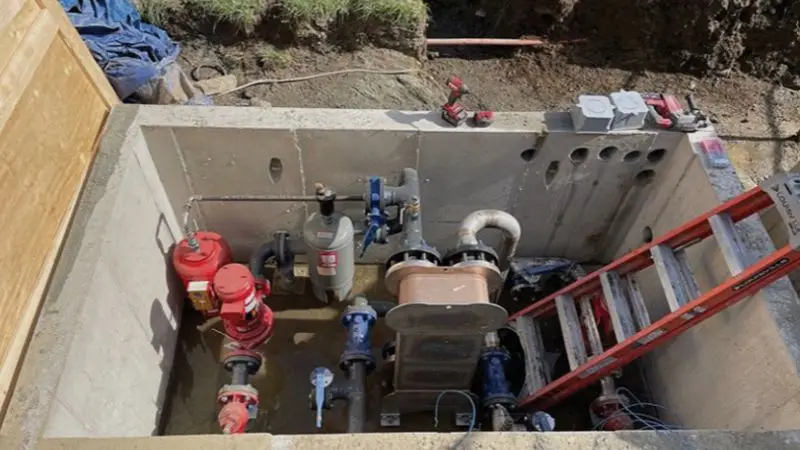
Een koelsysteem is een continu proces dat wordt aangedreven door een waterkoelsysteem om een gebouw te koelen door warmte af te voeren en de binnentemperatuur op een comfortabel niveau te houden. Dit proces is zorgvuldig gepland om ervoor te zorgen dat er geen water of koelmiddel wordt verbruikt.
Al deze fasen zijn met elkaar verbonden en het systeem doorloopt dezelfde stappen om een constante koelwerking te garanderen.
Deze stroming wordt gemakkelijker te begrijpen als we kijken naar hoe warmte op een gecontroleerde manier wordt geabsorbeerd, afgegeven en verloren gaat.
Hoe gekoelde water in een gebouw circuleert
Het proces begint met het gekoelde water dat de koelmachine verlaat en het gebouw instroomt. Dit koude water stroomt door koelspiralen in luchtbehandelingsunits of ventilatorconvectoren. Warmte wordt overgedragen aan het gekoelde water door de warme binnenlucht die over deze spiralen stroomt, waardoor koelere lucht ontstaat. Dit is een van de noodzakelijke stappen in het werkingsprincipe van een watergekoelde koelinstallatie, omdat het een directe invloed heeft op het comfortniveau binnenshuis. Het water absorbeert warmte en wordt opnieuw gekoeld in de koelmachine. Deze continue waterstroom garandeert een gelijkmatige en constante koeling van de ruimtes in het gebouw.
Hoe warmteoverdracht plaatsvindt in de koelunit
Warm water wordt teruggevoerd naar de koelmachine, waar het naar de verdamper wordt gepompt en warmte wordt uitgewisseld. In de verdamper onttrekt het koelmiddel de warmte aan het water, waardoor de watertemperatuur weer daalt en er gekoeld water ontstaat. Tegelijkertijd verandert het koelmiddel in damp en absorbeert daarbij de warmte-energie. Deze stap is een belangrijk onderdeel van de werking van een watergekoeld koelsysteem, aangezien hier het koelproces begint. De effectiviteit van dit warmteoverdrachtsmechanisme bepaalt in hoeverre het systeem effectief kan werken bij lage watertemperaturen.
Hoe het condenswater en de koeltoren warmte afvoeren
Zodra het koelmiddel de warmte heeft geabsorbeerd, wordt deze naar de condensor geleid, waar het de warmte overdraagt aan het condensorwater. Dit hete water wordt naar de koeltoren gepompt. De koeltoren voert warmte af naar de atmosfeer door middel van verdamping en lucht. Wanneer het water is afgekoeld, wordt het teruggepompt naar de condensor, waar het meer warmte opneemt. Deze kringloop speelt een belangrijke rol in het werkingsprincipe van het watergekoelde koelsysteem, omdat het oververhitting van het systeem voorkomt. Het draagt ook bij aan een effectieve warmteafvoer, wat de levensduur van het systeem verlengt.
Hoe het systeem een continue koelwerking handhaaft
De laatste stap is een eindeloze cyclus, waarbij alle cycli zich herhalen. Gekoeld water blijft circuleren in het gebouw, condenswater blijft circuleren tussen de condensor en de koeltoren, en koelmiddel blijft circuleren door compressie en expansie. Deze continue rotatie garandeert constante koeling. Een van de belangrijkste voordelen van een watergekoeld koelsysteem is de continue werking, waardoor het geschikt is voor grote gebouwen en industriële omgevingen. Het systeem moet een uniforme temperatuurregeling kunnen bieden en lange uren zonder storingen kunnen werken.
Waar watergekoelde koelsystemen worden gebruikt
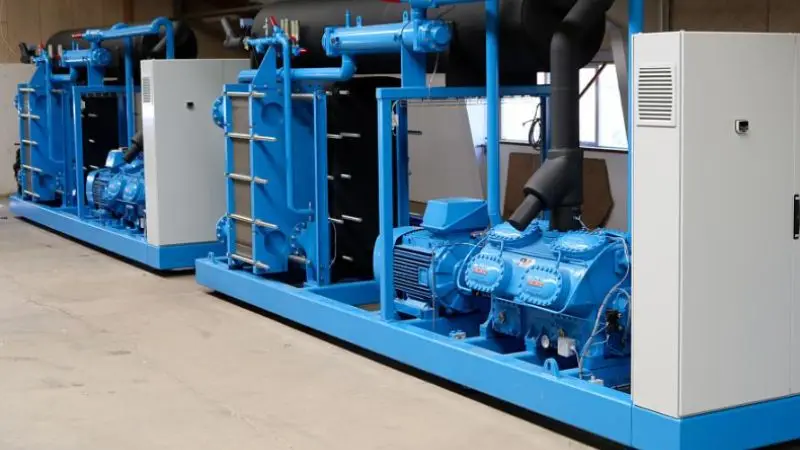
A watergekoelde chiller Dit systeem wordt veel gebruikt in grootschalige omgevingen waar constante en effectieve koeling nodig is. De populariteit van deze systemen is te danken aan het feit dat ze gedurende langere perioden zware koelbelastingen aankunnen zonder prestatieverlies.
Ze zijn ontworpen voor continu gebruik, waarbij de temperatuur van primair belang is voor comfort, veiligheid of productiviteit.
Inzicht in hun toepassingen helpt aan te tonen waarom ze cruciaal zijn in moderne HVAC-systemen en fabrieksinstallaties.
Gebruik van watergekoelde koelsystemen in commerciële gebouwen en winkelcentra
Watergekoelde koelsystemen in commerciële gebouwen en winkelcentra worden gebruikt om de binnentemperatuur comfortabel te houden voor bezoekers en medewerkers. Deze ruimtes zijn open en drukbezocht, waardoor koeling op elk moment noodzakelijk is. Het systeem helpt bij de distributie van gekoeld water naar luchtbehandelingsunits, die zorgen voor een gelijkmatige temperatuurverdeling over de verschillende verdiepingen. Dit garandeert dat alle ruimtes koel blijven, zelfs tijdens piekuren. Watergekoelde koelsystemen zijn bovendien energiezuinig en kunnen daarom in commerciële toepassingen worden gebruikt, omdat ze aan hoge koelbehoeften kunnen voldoen tegen redelijke operationele kosten.
Gebruik van watergekoelde koelsystemen in industriële productie-installaties
Watergekoelde koelsystemen zijn essentieel in industriële productieomgevingen voor het reguleren van de temperatuur in de productie en de machines. De meeste industriële processen produceren veel warmte, wat de prestaties van de apparatuur en de kwaliteit van de geproduceerde producten kan beïnvloeden. Deze systemen helpen bij het afvoeren van overtollige warmte en het handhaven van optimale werkomstandigheden. Het gekoelde water wordt vaak gebruikt voor het koelen van machines, chemische processen en productielijnen. Dit is een effectief koelsysteem dat een soepel verloop van de werkzaamheden garandeert en de kans op oververhitting en storingen minimaliseert. Daarom is het een cruciaal onderdeel van de industriële infrastructuur.
Gebruik van watergekoelde koelsystemen in ziekenhuizen en datacenters
Om de veiligheid en prestaties van ziekenhuizen en datacenters te garanderen, is nauwkeurige temperatuurregeling essentieel. Watergekoelde koelsystemen in ziekenhuizen zorgen voor een gecontroleerde omgeving voor patiënten, medische apparatuur en opslagfaciliteiten. In datacenters worden ze gebruikt om te voorkomen dat servers en IT-apparatuur oververhit raken door continue koeling te leveren. Zelfs een kleine temperatuurschommeling kan onder dergelijke omstandigheden ernstige problemen veroorzaken, waardoor efficiënte koeling van cruciaal belang is. Het continue karakter van het systeem maakt het uitermate geschikt voor dergelijke belangrijke toepassingen, waar continue koeling noodzakelijk is om de veiligheid en prestaties te waarborgen.
Gebruik van watergekoelde koelsystemen in hotels en grote wooncomplexen
Hotels en grote wooncomplexen zijn uitgerust met watergekoelde koelsystemen die zorgen voor centrale koeling van gastenkamers, lobby's en gemeenschappelijke ruimtes. Dergelijke gebouwen moeten de hele dag door een constant comfortniveau kunnen handhaven, vooral bij warm weer. Het systeem circuleert gekoeld water door verschillende ruimtes in het gebouw, waardoor overal een gelijkmatige koeling wordt geboden. Het bevordert bovendien een efficiënt energiegebruik, wat belangrijk is voor grote gebouwen die regelmatig worden verhuurd. Watergekoelde koelsystemen hebben diverse voordelen waardoor ze veelvuldig worden gebruikt in de horeca en de woningbouw, waar comfort, betrouwbaarheid en efficiëntie op lange termijn van groot belang zijn.
Hoe onderhoud je een watergekoeld koelsysteem voor een efficiënte werking?
A watergekoelde chiller Door goed onderhoud kan het systeem efficiënt, betrouwbaar en duurzaam blijven. Regelmatig onderhoud voorkomt storingen, verbetert het koelvermogen en bespaart energie.
Het systeem is in de meeste gebouwen en industrieën dag en nacht in bedrijf; daarom kan elk klein probleem de efficiëntie beïnvloeden.
Het systeem zou in staat zijn om stabiele koeling te leveren en langdurige operationele prestaties te bereiken door een systematische onderhoudsstrategie te volgen.
Waarom regelmatige reiniging van de condensor belangrijk is
De condensor is belangrijk voor de warmteafvoer en kan na verloop van tijd vuil worden, kalkaanslag vertonen en vuilophoping veroorzaken. Wanneer de condensorbuizen vervuild zijn, neemt de efficiëntie van de warmteoverdracht af, waardoor het rendement van het systeem daalt. Regelmatige reiniging draagt bij aan een soepele warmteoverdracht tussen koelmiddel en water. Dit voorkomt tevens de opbouw van onnodige druk in het systeem. Het reinigen van de condensor is een van de belangrijkste onderhoudsprocessen van een watergekoeld koelsysteem, omdat het een directe invloed heeft op de koelprestaties en het energieverbruik. Schone condensoroppervlakken garanderen dat het systeem de warmte op een juiste manier kan afvoeren en kan werken zonder extra belasting voor de compressor.
Waarom waterkwaliteitsbeheer belangrijk is
De prestaties en levensduur van een watergekoeld koelsysteem worden direct beïnvloed door de waterkwaliteit. Slechte waterkwaliteit kan leiden tot kalkaanslag, corrosie en biologische groei in leidingen en warmtewisselaars. Deze problemen verminderen de efficiëntie van de warmteoverdracht en kunnen op de lange termijn schadelijk zijn. Adequate waterbehandeling zorgt voor een evenwichtige waterkwaliteit in zowel het condensorcircuit als het koeltorencircuit. Waterkwaliteitscontrole is een belangrijk aspect van het werkingsprincipe van een watergekoeld koelsysteem, omdat het zorgt voor een soepele warmteoverdracht en een constante werking van het systeem. Schoon water bespaart bovendien op onderhoudskosten en verhoogt de betrouwbaarheid van het systeem.
Waarom het controleren van het koelmiddelniveau noodzakelijk is
De belangrijkste werkvloeistof in een koelsysteem is koelmiddel, en de hoeveelheid hiervan moet op een geschikt niveau worden gehouden voor een efficiënte werking. Bij een te laag koelmiddelniveau kan het systeem geen warmte absorberen of afgeven, waardoor de koelprestaties slecht zullen zijn. Regelmatige inspectie helpt bij het opsporen van lekken of drukproblemen voordat deze escaleren tot ernstige problemen. Deze stap is noodzakelijk om het werkingsproces van een watergekoeld koelsysteem intact te houden, aangezien het koelmiddel de warmte transporteert tijdens de cyclus. Het juiste koelmiddelniveau zorgt voor een constante druk, een soepele werking en een optimale koelefficiëntie.
Waarom onderhoud van koeltorens essentieel is
De koeltoren heeft als taak warmte aan het condenswater te onttrekken en moet daarom schoon en operationeel gehouden worden. Aan de binnenkant van de toren kunnen stof, algen en kalkaanslag ophopen, wat de luchtstroom en de koelprestaties vermindert. Door regelmatig te controleren en schoon te maken, blijven de waterstroom en luchtcirculatie op peil. Dit zorgt ervoor dat de warmte naar de atmosfeer wordt afgevoerd. Het onderhoud van een watergekoeld koelsysteem bestaat voornamelijk uit het onderhoud van de koeltoren, omdat dit direct van invloed is op de warmteafvoer van het systeem. Een goed onderhouden koeltoren verhoogt de algehele efficiëntie en zorgt voor een constante en efficiënte werking.
verpakken
A watergekoelde chiller Dit systeem is een van de meest efficiënte koelsystemen en wordt gebruikt in grootschalige toepassingen waar een uniforme temperatuur van cruciaal belang is. Het werkt volgens een cyclus van warmteabsorptie, compressie, warmteafvoer en watercirculatie. Alle fasen zijn belangrijk voor de balans en prestaties van het systeem. Langdurige efficiëntie en betrouwbaarheid worden gegarandeerd door goed onderhoud, zoals reiniging, waterbehandeling en controle van het koelmiddel. Het systeem is populair in commerciële, industriële en institutionele toepassingen vanwege de hoge koelcapaciteit en energiezuinigheid. Over het algemeen is het een betrouwbare optie voor de hedendaagse koelbehoeften van HVAC-systemen.
FAQ
Wat is een watergekoeld koelsysteem?
Een watergekoelde koelmachine is een koelsysteem dat warmte afvoert met behulp van water en een koelmiddel. Het levert gekoeld water voor airconditioning en industriële koeling.
Hoe werkt een watergekoeld koelsysteem?
Het werkt door warmte te absorberen in de verdamper, koelmiddel te comprimeren, warmte af te voeren in een condensor en via een koeltoren warmte aan de atmosfeer af te geven.
Wat zijn de belangrijkste voordelen van een watergekoeld koelsysteem?
Het systeem is zeer energiezuinig, zorgt voor stabiele koeling en heeft een verbeterde capaciteit. Daardoor is het geschikt voor grote gebouwen en industriële installaties die constante koeling vereisen.
Waar bevindt zich doorgaans een watergekoeld koelsysteem?
Het wordt gebruikt in commerciële gebouwen, winkelcentra, ziekenhuizen, datacenters, hotels en productiebedrijven waar massale en betrouwbare koeling noodzakelijk is.
Wat houdt het onderhoud van een watergekoeld koelsysteem in?
Onderhoud omvat het reinigen van de condensor, het controleren van de waterkwaliteit, het bijvullen van het koelmiddel en het onderhoud van de koeltoren om de efficiëntie en lange levensduur van het systeem te waarborgen.