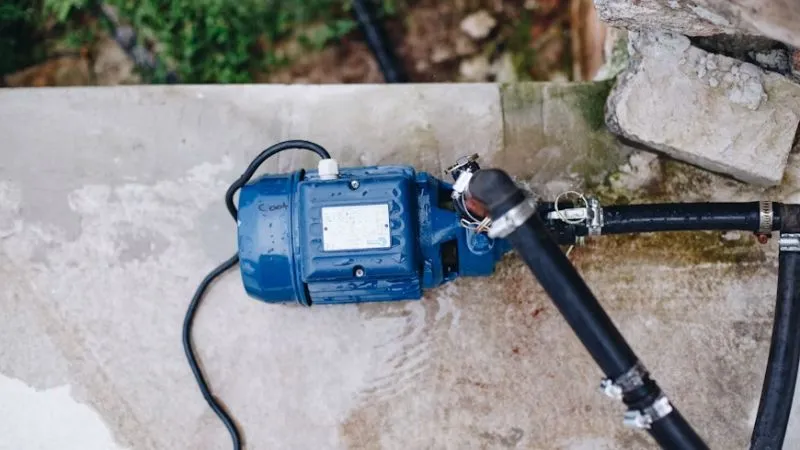
An electric transfer pump is an effective device used to transfer liquids between containers and tanks, and equipment, in a fast, safe, and efficient manner. These pumps have an electric motor, unlike manual ones, and thus offer consistent performance with less physical effort. Their applications in fuel transfer, draining water and oil, agricultural activities, and refueling equipment are common. The selection of the appropriate pump is based on factors like flow rate, power source, liquid compatibility, and durability. You may need a portable gas pump to fill gasoline, fill vehicles, fill boats, fill generators, or fill farm equipment, but it is important to know what the pump will do and how to use it wisely so you can choose well.
What Is an Electric Transfer Pump?
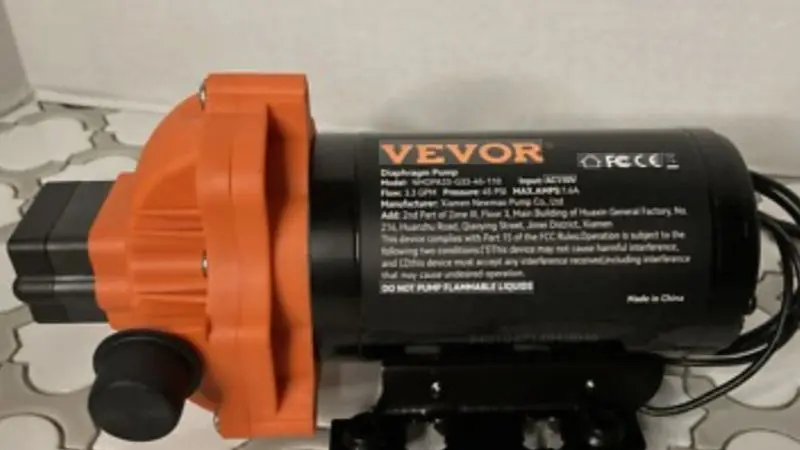
An electric transfer pump is a motorized tool used to transfer liquids quickly and effectively between two points. These models are also efficient for repetitive and heavy-duty transfer work compared to manual pumps because they have an electric motor that generates continuous pumping action. They are used for typical fluids such as fuel, water, oil, and other liquids in homes, farms, workshops, and in industry.
This knowledge of how these pumps work and their applications can assist you in selecting the appropriate model for your application. Various types of pumps are designed to handle particular liquids, flow needs, and operating conditions.
How an Electric Transfer Pump Works
De electric transfer pump operates on an electric motor to force an internal pumping mechanism to produce suction and pump liquid through connecting hoses. When the motor becomes active, it drives elements like an impeller, diaphragm, or gear system, depending on the pump design. This action draws fluid into the inlet side of the pump and forces it to the outlet hose.
When transfer is taking place, the liquid is first drawn in through the intake port, with the pump developing pressure variations to sustain constant flow. The inner mechanism then drives the liquid through the pump chamber and then discharges it through the discharge outlet. This basic yet effective operation enables an electric transfer pump to allow faster and more stable liquid transfer than manual pumping.
Common Uses of Electric Transfer Pumps
Electric transfer pumps have been widely used in most industries since they offer dependable operation and require less effort to move liquid. They are usually employed in fuel transportation, drainage of water, agricultural irrigation, fueling equipment, and industrial liquid applications.
Electric models are preferred by many professionals due to their better speed, smooth running, and constant flow rate. For example, farmers might use them to transport fuel or water over large land areas, and mechanics and equipment operators might use them to refuel machinery. An electric transfer pump can accomplish repetitive work with less physical effort and greater efficiency than manual pumps.
Types of Electric Transfer Pumps
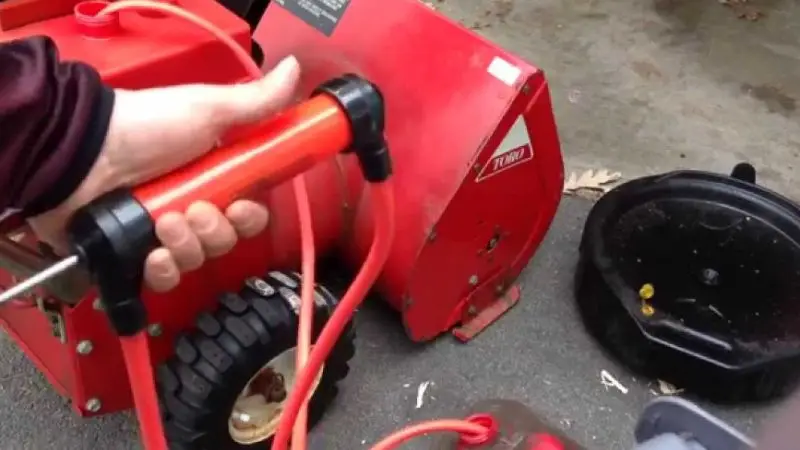
Depending on the nature of the liquid to be pumped, electric transfer pumps are designed in various ways. The selection of the correct pump is based on the fluid viscosity, desired flow rate, energy supply, and the purpose of use.
From fuel management to water extraction and oil transportation, all types of pumps are equipped with unique materials and characteristics that make them safe and efficient in their operation. Knowing these choices will assist you in choosing the most appropriate pump to use in your equipment or project.
Electric Fuel Transfer Pumps
Electric fuel transfer pumps are also made with the express purpose of transferring fuels like diesel, gasoline, kerosene, and other compatible liquids. These pumps are usually applied in vehicle filling, farm machinery, generators, and storage tanks where there is a need to have rapid and regulated movement of fuel.
The factors that must be considered when choosing a fuel pump are flow rate, fuel compatibility, motor power, and safety features. A good draagbare benzinepomp for gasoline must be designed using fuel-resistant materials and offer stable operation. Other uses of these pumps include a portable gas pump that can be used in cars, trucks, boats, generators, and farm machinery. Proper selection ensures safe fuel handling and reduced transfer time.
Electric Water Transfer Pumps
Electric water transfer pumps are designed to transfer clean water, drain tanks, irrigate, move swimming pool water, and support emergency water extraction. These types of pumps are mostly applied in homes, gardens, farms, and construction sites where there is a need to move water fast.
Water transfer models differ according to the workload. Small domestic pumps are used for minor drainage activities, whereas heavy-duty ones are built to support larger capacities and extended use. Their performance depends on features such as pumping capacity, the highest lift height, and durability. A powerful electric water pump will make work easier, such as flood cleanups, irrigation, and tank emptying, than in the past when people would use other methods to remove water.
Electric Oil Transfer Pumps
Electric oil transfer pumps are used in handling more viscous liquids like engine oil, hydraulic oil, and lubricants. These fluids are more viscous than water or fuel, which means that these pumps can only be powered by more powerful motors and durable internal parts to ensure smooth operation.
The type of materials employed in the construction of the pumps is significant in the performance and reliability. The pump is fitted with heavy-duty seals, corrosion-resistant components, and powerful motors to accommodate the challenging oil transfer applications. The selection of the appropriate pump guarantees appropriate circulation and avoids harm due to the imposition of inappropriate liquids into the system. These are commonly employed in automotive stores, industrial workplaces, and maintenance areas where the oil flow is to be controlled.
Important Features to Consider Before Buying an Electric Transfer Pump
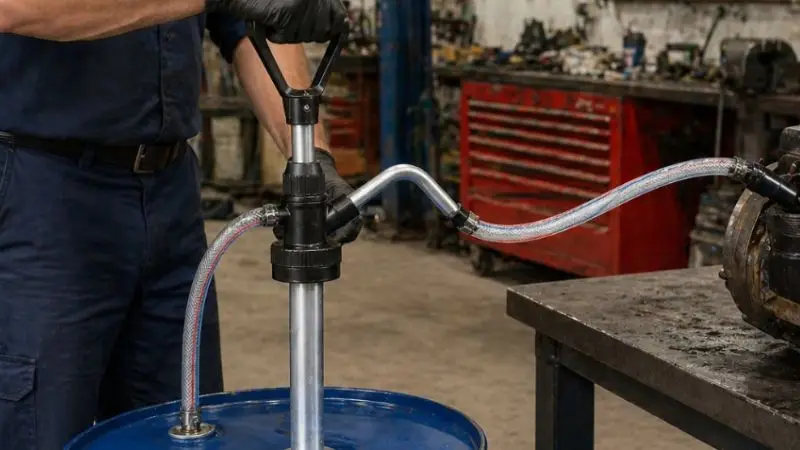
De selectie van de juiste electric transfer pump cannot be based on the price or look alone. There are various pumps meant to operate in different liquids, workloads, and operating conditions, and knowing a few key features can help you make the right choice.
Performance is directly influenced by factors like pumping speed, power requirements, quality of construction, and hose compatibility. By weighing these facts in the buying process, you will be able to buy a pump that will provide reliable functioning and suit your particular needs of transfer.
Flow Rate and Pump Performance
One of the most significant factors when choosing an electric transfer pump is the flow rate since it defines the rate at which liquid can be transferred between two containers. A pump with a higher flow rate can complete large transfer tasks much quicker, whereas a lower-capacity model could be more suitable for smaller jobs.
Your work (size and frequency) determines the right pumping capacity. Therefore, a draagbare brandstofpomp, which is best for emergency refueling, might need a different flow rate than a pump used in agriculture or industry. Selecting the appropriate level of performance is essential in avoiding slow performance, minimizing the stress of the motor, and enhancing efficiency in general when transferring liquids.
Power Source and Voltage Requirements
The electric transfer pumps have various power sources, such as 12V, 24 V, and AC-powered models. What pump to buy depends on where and how you will be using the pump. A 12V pump is commonly applicable to cars since it can be directly linked to a battery, making it applicable in mobile applications.
Larger equipment and heavy-duty vehicles that need more power are typically powered by a 24V electric pump. Pumps that require AC are more applicable in the workshop, garage, and where there are standard electric sockets. The choice of the right voltage guarantees stable performance of the work and eliminates power-related problems in the work.
Materiaalkwaliteit en duurzaamheid
The materials employed to make an electric transfer pump will have a direct influence on the life of the pump and its reliability. Sturdy housing, corrosion-free materials, and long-lasting internal parts in pumps allow them to cope with frequent usage and harsh conditions.
This is particularly so in high-quality construction when conveying fuels, oils, or other liquids that could over time impact other weaker materials. A robust pump can endure wear and tear, reduce maintenance, and deliver uniform performance over a longer period of time. If you need a draagbare benzinepomp to power trucks, farms, or industrial equipment, a model with reliable components is likely to provide safer and more efficient operation.
Hose Size and Compatibility
The size of the hose is also significant in the working of an electric transfer pump. The hose diameter and length may influence liquid flow, transfer speed, and the pressure the pump needs to supply. An excessively small hose can be limiting, and an excessively long hose can be inefficient.
The choice of hoses should also be based on the pump specifications and the nature of the liquid being transferred. Water pumps can be of different materials, whereas fuel pumps need special hoses for gasoline or diesel. Adequate hose compatibility helps ensure smooth operations and avoid leaks, blockages, or unwarranted stress on the pump system.
How to Choose the Right Electric Transfer Pump
Choosing the right electric transfer pump will be based on your individual needs. A pump that best fits a small home project will not be ideal in heavy-duty farming, automotive, or industrial applications.
The type of liquid, frequency of transfer, safety, and operating conditions are some of the factors to consider before purchasing a product. These factors will help you identify a pump that provides reliable performance while meeting your daily requirements.
Match the Pump With the Liquid Type
Different liquids require different pump designs because each liquid has unique characteristics. A water pump might not be suitable for gasoline, oil, and chemicals because of the thickness, chemical makeup, and safety needs.
Prior to buying, make sure the pump is compatible with the liquid you have to transfer. For example, a draagbare benzinepomp used on boats must be easy to handle fuels, and an oil transfer pump must have more robust parts to handle thicker fluids. Selecting the right type of pump will enhance efficiency, safeguard equipment, and minimize the chances of damage during operation.
Consider Your Transfer Volume and Frequency
The transfer volume and the frequency of pump use should be factors that affect your purchase decision. A small size and lightweight model is typically needed to perform occasional household tasks like draining water tanks or small quantities of fuel. Common commercial, agricultural, or industrial use typically requires a higher-capacity, more robust pump.
Draagbare benzinepompen used with generators or farm equipment may require frequent refueling, so durability and flow rate will be more important. Workload assessment assists you in not selecting an ineffective pump that is too weak to handle strenuous work, or a powerful pump that is not needed.
Check Safety and Convenience Features
When selecting an electric transfer pump, safety and ease of use are other factors that should be taken into account. Automatic shutoff, overload, thermal protection, and easy-to-use control switches are just some of the features that can enhance reliability and facilitate operation.
The features assist in guarding the motor against overheating and damage in case of prolonged use, and offer more control over the transfer of liquids. A properly designed pump can also minimize operating risks when handling fuel or other sensitive liquids. Whether you need a portable gas pump to fill cars or a heavy-duty transfer solution, safety features help ensure smoother operation and longer equipment life.
How to Use an Electric Transfer Pump Safely
An electric transfer pump is useful for enhancing performance, extending equipment life, and minimizing safety hazards. When transferring fuel, water, oil, and other liquids, the correct operation procedures will provide easier and more successful outcomes.
The equipment should be prepared; all the parts should be connected properly, and the recommended process of operating the pump must be known before commencing the pump. The safe handling practices are also effective in averting common issues like leaks, overheating, and damage to pumps.
Bereid de pomp en het werkgebied voor.
Prior to use of an electric transfer pump, check the equipment and set up a safe working environment. Ensure that all electric fittings are correct, that the hoses are firmly fixed, and that the fittings are tight to reduce chances of leakage when using. The inlet hose must be installed properly within the source of liquid, whereas an outlet hose must be installed within the receiving container.
Proper ventilation is especially important when working with fuel or other fumes-producing liquids. Do not place the pump in or around open flames, excessive heat, or unsafe electrical conditions. Before starting, it is a good idea to check the setup to make sure the operation is safer and will not require unjustified interruptions.
Follow Proper Transfer Steps
In order to operate an electric transfer pump, first attach the inlet and outlet hoses as per the manufacturer’s instructions. After the connections are safe, insert the inlet hose into the source of liquid and the outlet hose into the place of transfer of the liquid.
Once the setup has been checked, turn on the power supply and leave the pump to start pumping the liquid. Check the flow at work to make sure all is going well. Turn off the pump when transfer is finished, and remove hoses. These measures contribute to a stable performance and safeguard the pump against undue pressure.
Prevent Common Operating Mistakes
Om een electric transfer pump in working condition, it is necessary to avoid common mistakes. Dry running is one of the significant problems and happens when there is insufficient liquid in the pump. This may lead to overheating and damage to internal parts. It is always important to ensure the pump is supplied with a proper supply of liquid before starting.
We should also not overload the pump or use liquids with which it is not compatible. An example is a portable gas pump with gasoline that should not be used with fluids that are not approved. Regularly inspecting for leaks and abnormal sounds can help detect problems before they become severe.
Electric Transfer Pump Maintenance Tips
Periodic servicing ensures an electric transfer pump works well and prolongs its life. Even quality pumps need to be taken care of in order to avoid performance problems due to dirt, residues, damaged components, or inappropriate storage.
Wear can be minimized through simple maintenance measures like cleaning the pump, checking connections, and storing it in the correct place to enhance reliability. Maintaining your pump also helps ensure consistent performance during repetitive transfer tasks.
Clean the Pump After Each Use
Het is belangrijk om uw schoon te maken electric transfer pump after every use to remove any leftover liquid, dirt, and debris that can interfere with performance. Fuel, oil, or other fluids may accumulate in the system and lead to a decline in efficiency with time unless this is done correctly.
Once a transfer job has been done, clean external surfaces to avoid contamination by flushing the pump (where necessary). It is particularly vital to keep the pump clean when the equipment is utilized in harsh conditions, like iron farms, workshops, and industrial locations. Frequent cleaning supports normal operation and reduces the risk of clogging or internal damage.
Inspect Hoses and Connections Regularly
Hose and connections will be inspected on a regular basis because they play an important part in the effective and safe transfer of liquids. Hoses over time develop cracks, fittings loosen and seals may wear out, which can cause leaks or a loss in pump effectiveness.
Check all connection points prior to use and change damaged parts where necessary. Maintaining a well-maintained hose system will help to prevent loss of liquid during use and maintain flow. Periodic testing can take place, such as a mobile gas pump to power farm machinery, or a water transfer model, so the pump is not subjected to excessive stress and testing is maintained for reliability.
Bewaar de pomp op de juiste manier.
Uw electric transfer pump can be safeguarded by proper storage when not in use. Clean and dry the equipment after use, and store it in a dry place that is not subjected to moisture, extreme temperatures, and dust. These environments can impact electrical components, seals, and internal components.
To ensure long-term storage, ensure that hoses are well stored and connection points are covered to avoid dirt or damage. Do not leave the pump in extreme outdoor conditions unless it is specially made to be outdoors. The best storage techniques will maintain the condition of the pump and make it available for subsequent transfer activity.
verpakken
An electric transfer pump offers an easy and efficient way of transporting various types of liquids in residential, agricultural, automotive, and industrial applications. In choosing the appropriate model, it is necessary to take into account the type of liquid, volume of transfer, power, and safety. With the right hoses and maintenance, a long-lasting pump will provide good work over the years. From a portable gas pump in a vehicle to a high-capacity transfer solution in trucks and equipment, the correct option enhances efficiency and lessens the workload. By following safe operating practices and regular maintenance, you can keep your pump working smoothly and achieve better transfer results.
Veelgestelde vragen
What is an electric transfer pump used for?
An electric transfer pump is used to move liquids such as fuel, water and oil, from container to container or from tank to tank. It is widely used in workshop, agriculture, industry and automotive applications.
Is it possible to use an electric transfer pump with gasoline?
Yes, there really are pumps that enable you to transfer gasoline by electric means. To safely use a gasoline portable gas pump, it must incorporate gasoline compatible materials and safety features.
What is the range of voltages of electric transfer pumps?
The electric transfer pumps can be 12V, 24V or AC powered. 12V pumps are often utilized in a vehicle application and AC power may be utilized in workshop and other industrial applications.
What do I do to maintain an electric transfer pump?
Maintain pump by cleaning after use, inspect hoses and fittings for defects, look for leaks, and store pump in a dry, secure location out of use.
Is it possible to use an electric transfer pump on farm equipment?
Yes, there are numerous pumps that can be used in agriculture. Efficient transportation of fuel to the tractors, generators and other farm equipment can be achieved through the use of a small gas pump that can be moved about to fill equipment.