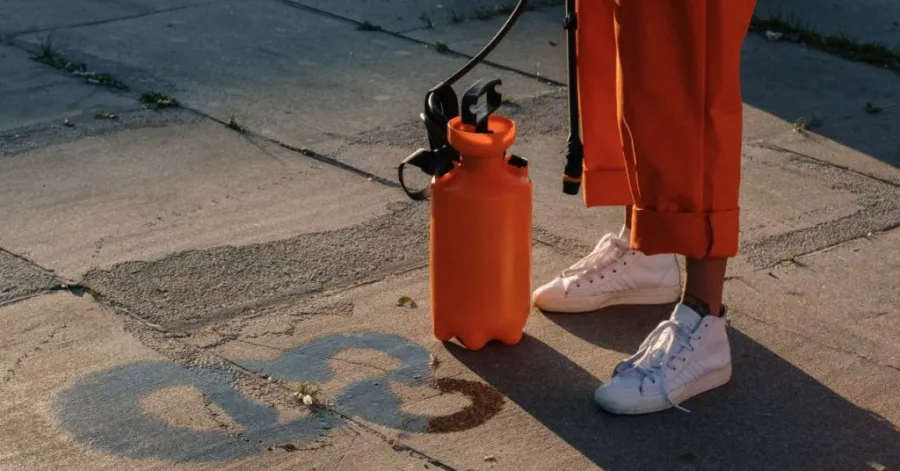
Your sprayer quits mid-job. You need it working now. Most problems come from minor seal failures or clogs. You can fix these at home without special tools. Pressure loss, uneven spraying, leaks, and priming trouble all have simple solutions. You just need to know what to check first. This guide shows you the exact steps. You will also learn how to prevent these issues in the future. Keep this guide handy. Next time your pressurized מַרסֵס acts up, you can fix it fast. How to use a pressurised sprayer? A little maintenance keeps your sprayer reliable for years.
You will also learn practical steps for checking the tank, hose, fittings, filters, nozzles, and pump. Follow these troubleshooting tips to restore proper pressure and spray performance. Regular cleaning and maintenance can also help prevent recurring problems and keep your sprayer working reliably.
What Is a Pressurized Sprayer and How Does It Work?

A מַרסֵס pressurizes a fluid and pushes it through a nozzle. You top off the tank, build pressure inside, and release a valve. The liquid then flows through a hose and comes out as a spray. Gardeners, farmers, and homeowners use these sprayers for pest control, weed killing, and surface sealing.
Main Parts of a Pressurized Sprayer
Each unit has a tank, pump, hose, wand, and nozzle. How does a pressurized sprayer work? The tank stores your liquid. The pump is mounted on or in the tank. The hose transports fluid from the tank to the wand. The wand provides reach and control. The nozzle shape determines the דפוס ריסוס.
Seals, gaskets, and a pressure relief valve are also present. Seals eliminate leaks at connection points. Gaskets sit between the tank and the pump assembly. The relief valve releases excess pressure. It keeps you from getting burned. A handle or trigger controls the flow at the wand.
מומלץ לפרויקט שלך
How a Pressurized Sprayer Creates Pressure
Pushing the pump handle establishes pressure. This action pushes air into the tank. The air above the liquid is compressed. The compressed air pushes the fluid. The fluid can only go out through the hose.
What is a pressurized sprayer and how do you use it? Pressing the trigger releases the fluid. The pump maintains water pressure while you work. A check valve prevents air from going back out. Some models use a piston pump. Others employ a diaphragm pump. Both types propel air or fluid with each pump stroke. This pressure gauge indicates the current pressure. Once you reach your target, you stop pumping. Spray until the pressure is down.
Common Pressurized Sprayer Problems and Their Causes

גשר sprayer issues stem from air leaks, worn seals, clogged filters, or blocked pickup tubes that prevent pressure from building. Hose, fitting, or tank leaks and worn O-rings can cause a rapid loss of pressure during use. Worn or clogged nozzles can cause weak, inconsistent, and streaky sprays and may result in dribbling after spraying. If you can recognize these common causes, you can quickly diagnose pressure or spray problems and keep your sprayer in good condition.
Sprayer Is Not Building Enough Pressure
You pump the handle repeatedly. How to pressurize a sprayer? Your pressurized sprayer isn’t building pressure. It is one of the most common problems with the 3-point sprayer. The problem is due to an air leak in the suction line. Liquid is replaced by air. The pump operates and doesn’t pressurize the water. This indicates the leak. Another damaged seal around the pump cylinder can also cause trouble. It allows air to pass through each stroke. Your pump will NOT compress air in the tank. Weak output from the wand.
You press the handle, and nothing moves—the liquid is clogged, either by a pickup tube or filter block. The pump is operating, but no liquid is in the system. This blockage is not causing pressure in the system. How does a pressurized sprayer work? As you pump, a stuck pressure relief valve releases air. These common spray issues share one thing in common. The fluid cannot be sealed or moved in the system. If the pickup tube is above the liquid level, the sprayer will not prime.
Sprayer Loses Pressure Quickly
The sprayer is pumped to full spray pressure. A pressurized sprayer is what? You start spraying. The pressure is severe and rapidly declines. Pressure is lost from the system. This can cause leaks from hoses, fittings, or the tank. Air continuously escapes through a small hole. The system can’t maintain pressure because it flows out too quickly. If the suction hose leaks or cracks, the same thing will happen. The topic of ‘no pressure’ comes up every time a restart is done. The wand sprays weakly or inconsistently. Your pump begins to feel harder to work.
Seals and gaskets deteriorate over time! The O-ring on the pump shaft degrades. Nozzle wear affects spray performance. You notice streaky or uneven coverage and uneven spray patterns across your target surface. Worn tips often cause poor uniformity when spraying. If the nozzles are clogged or worn, they may drip after you turn off the power and barely mist. How to use a pressurised sprayer? A failed sprayer nozzle results in uneven application. Cracked or worn nozzles cause you to lose spray solution. These are 3-point sprayer problems that can be identified with practice. Knowing what to expect and what to watch for when using a 3-point sprayer makes diagnosing problems easier.
How to Fix Common Pressurized Sprayer Problems
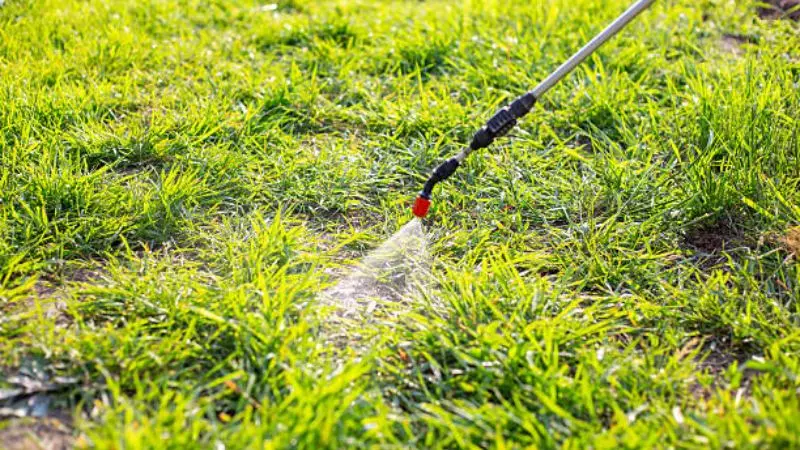
Identify the issue by checking the tank, fluid level, filter, and pickup tube, and make sure the liquid flows correctly and pressure builds up. Check the hose, fittings, clamps, O-rings, and seals for cracks, loose connections, or leaks that could cause pressure loss. Replace or clean dirty filters and nozzles, repair damaged components, and prime the pump before retesting the sprayer. You can avoid common pressurized מַרסֵס issues by rinsing regularly, storing dry, and inspecting seals to prolong the sprayer’s working life.
Check the Tank and Fluid Level
When pressure is low, start troubleshooting with the easiest component. Check the inside of the tank. Ensure the liquid is above the liquid pick-up tube. How does a pressurized sprayer work? When the tube draws air, rather than fluid, into the sprayer, it won’t prime. FILL TANK TO THE RIGHT LEVEL. Then pump the handle again. You can fix the problem in a few seconds.
Then, check the tank for debris. Old solution is left behind. This residue may get trapped in the pickup tube or fill the filter/screen. Discuss with children how to take out the filter and rinse it under warm water. Use a soft brush to clean stubborn buildup. Replace the filter when it is clean. If the filter won’t open, the sprayer will not prime. You can’t increase pressure if no fluid is flowing. Also check the tank cap and its gasket. A loose cap releases air. Tighten the cap or replace the old gasket. Here are some common problems with 3-point sprayers that you can fix with a thorough cleaning.
Inspect the Hose and Connections
Next, check the hose and fittings. Check the hose for cracks, kinks, or soft spots. Leaks can come from the hose, fittings, or tank and may be caused by a damaged hose. These leaks allow air to escape. Your pump is working more but not building up pressure. Run your hands through the hose. Check for wet spots or bubbles when pumping. Replace any damaged hoses. Also, know how to use a pressurized sprayer, and check the connections before spraying to ensure the system maintains the correct pressure.
Verify all joint areas. Secure the clamps on the tank, wand, and pump. A loose fitting allows air to leak into the system. This leak prevents your pump from maintaining pressure. Check O-Rings and seals at all connections. Worn seals can let air in. Replace them if they appear flat or cracked. These often cause uneven spraying. Repair the leakages first. Test the spray pattern again. Loose fittings cause many 3-point sprayer issues. Most can be fixed with a few minutes of wrenching.
Simple Steps to Fix Sprayer Issues
You’ve now got the essential fixes. Always begin by checking the pressure. Then clean the nozzle and filter. Close all hoses, caps, and fittings. Fill the fluid to the proper level (Prime the Pump). Here are four steps that address most sprayer problems at home.
How does a pressurized sprayer work? Keep your sprayer running with prevention. Rinse the tank after each job. Keep it in a dry location. Regularly check O-rings and seals. If cleaning doesn’t resolve the issue, replace the worn part. Buy a new sprayer when repair costs more than a new one. With proper care, your sprayer can last for years.
סיכום
פתרון בעיות pressurized sprays can be straightforward, and solutions are readily available for issues like low pressure, leaks, clogged filters, and inconsistent spraying. How to clean a pressure sprayer? Start by checking the tank, fluid level, pickup tube, filter, and nozzle for blockages or poor flow. Also check hoses, fittings, O-rings, and seals, as these can lose pressure quickly. If you need to retest the sprayer, clean any clogged areas and replace any damaged or worn parts. Also, ensure the fluid level is correct and that the sprayer is properly primed to restore consistent spray performance.
Rinse the tank regularly, clean the nozzle, and check the seals to prevent problems from recurring. Clean, dry, and follow the manufacturer’s maintenance procedures for המרסס שלך. These basic troubleshooting and maintenance procedures help ensure your pressurized sprayer is reliable and provides consistent coverage.
שאלות נפוצות
What are the different sprayers that pump, are adjustable in pressure, and can be found in France (list of advantages/disadvantages)?
The working pressure of the Birchmeier Profi Star 5 is 4 bar, and the pressure control is adjustable between 1 and 3 bar. Cons: inaccurate pressure settings. The cons are the weight and cost of the מרססים, as compared with the standard garden variety.
Which of the most popular pump sprayers available in France is best for pressure capacity and durability?
The Birchmeier Profi Star 5 reaches 4 bar, while the Gloria Prima 5 and Gardena 5L reach around 3 bar. Constructed from tough materials and Viton seals, Birchmeier is ideal for heavy-duty use.
What chemical-resistant seals and gaskets are the longest-lasting (in France) for use with high-strength chemicals?
The Birchmeier Profi Star 5 and Spray-Matic 5 S seals are made of Viton for chemical resistance. Gloria Prima 5 PLUS uses acid-resistant EPDM seals compatible with approved acid solutions, such as acetic acid (10%).
List of recommendations for pump sprayers that are easy to clean and maintain (in France)?
The IK MULTI Pro 2 is especially handy because it’s easy to dismantle and has a large filling opening. The large opening of Gardena Comfort 5L also makes filling, mixing, and cleaning easier.
Compare various pump sprayers and their nozzle types and identify which are most suitable for French garden uses.
Gloria Prima 5 and Birchmeier Garden Star 5 feature adjustable cone nozzles that produce a finer spray or stronger jets. The adjustable nozzle helps with precise, light spraying and caring for seedlings.
What kind of pump sprayers can be used every day in your garden and in France?
The wide feet provide stability, and the D-shaped handle makes pumping easier. Equipped with a powerful pressure pump, Gloria Prima 5 also features a shoulder-carrying system for repeated gardening tasks.
Which pump sprayer pressure and tank sizes suit medium-sized French gardens?
Medium-sized gardens benefit from models that balance capacity and weight. The Gloria Prima 5, Gardena Comfort, and Birchmeier Profi Star 5 operate at 3 bar, while the Birchmeier Profi Star 5 can run at 4 bar for applications that require higher pressure.
Time saved: compare the refill and mixing features of common pump sprayers sold in France to determine which is best.
Gardena Comfort 5L has a large filling opening for convenient filling and mixing. The large filling opening is complemented by graduations and a filling container that facilitates good mixing for easy preparation with the Birchmeier Profi Star 5.