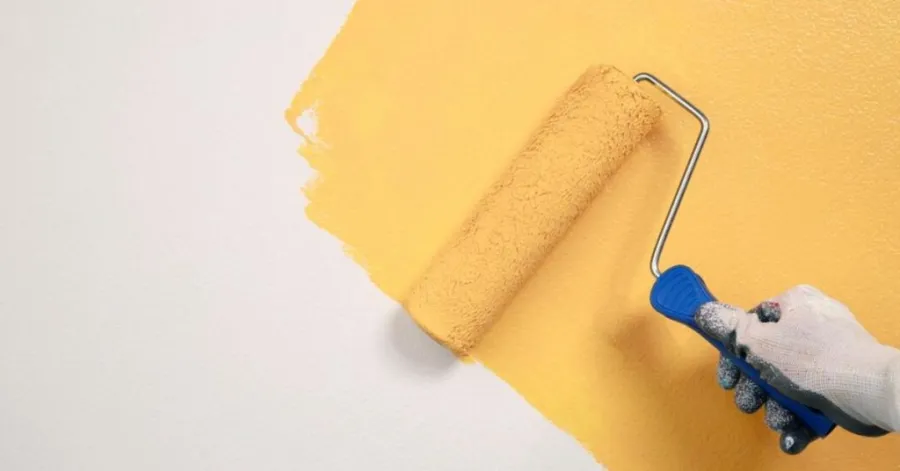
Painting your home’s interior is an affordable way to freshen up your space and give each room a neater, more modern feel. With the right preparation and painting order, you can achieve smooth, lasting results even as a DIY beginner. Removing hardware, cleaning dirty walls, and filling holes before painting helps create a better surface and prevent peeling later.
In this article, we’ll walk you through how to paint the interior of a house, covering planning, room preparation, and painting the ceiling, walls, trim, and baseboards. We’ll also discuss cleanup and practical techniques to help you complete your painting house interior פרויקט בביטחון.
תוכן העניינים
What Tools Do You Need for Painting a House Interior?
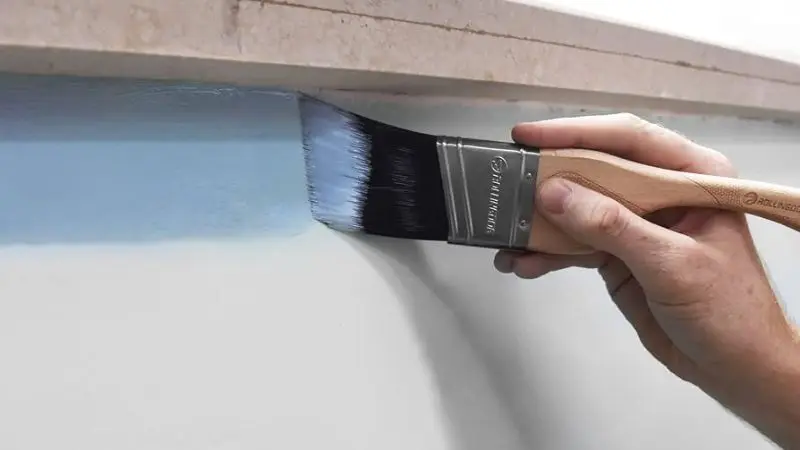
Getting the appropriate items first will save you time and extra trips to the store. For a quality project, you need the right painting tools and gear. You can easily gather what you need with a simple checklist.
מומלץ לפרויקט שלך
Essential Painting Tools
If you’re doing an indoor painting job, you need reliable tools for prep work and painting. Good rollers and brushes will help you achieve smooth, clear lines on your walls. Cheap tools will leave loose hair and fuzz in your fresh paint. Knowing how to prepare a house interior for painting also means having the right supplies ready before you begin.
Check this supply list before you start your next project:
- Soft foam or woven roller covers for smooth paint coverage.
- Angled-edge brushes for clean lines along wall trim.
- Painter’s tape to protect your baseboards and switches.
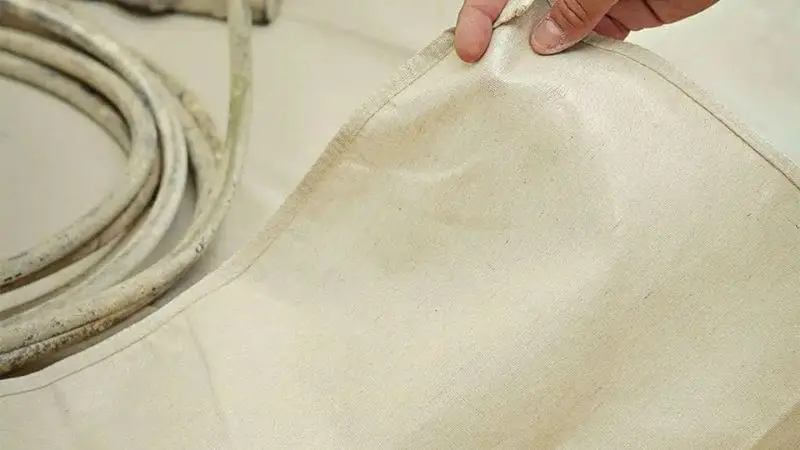
- Heavy canvas cloths to catch any paint drips.
Having appropriate tools makes painting your project much easier. Clean brushes and rollers immediately so that they can be reused. The right care extends the life of your tools and saves you money in the long run.
When to Use a Paint Sprayer
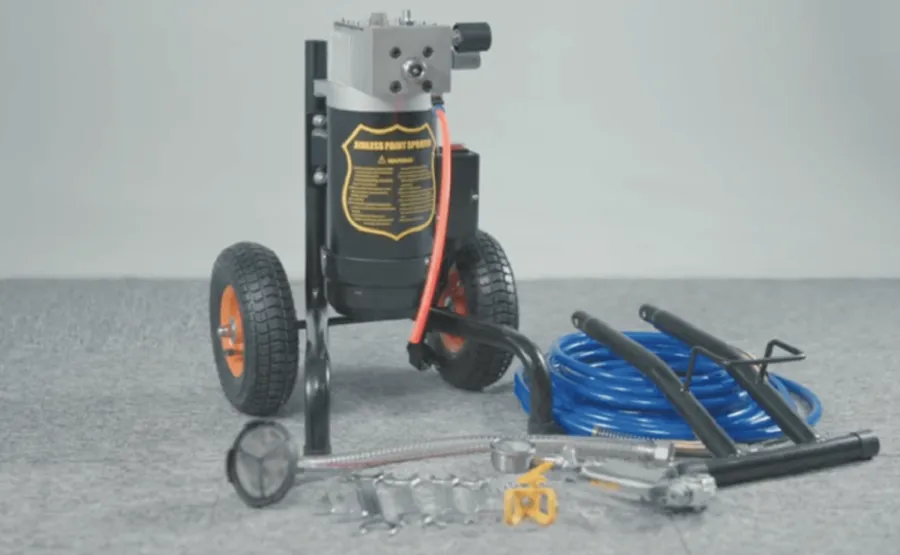
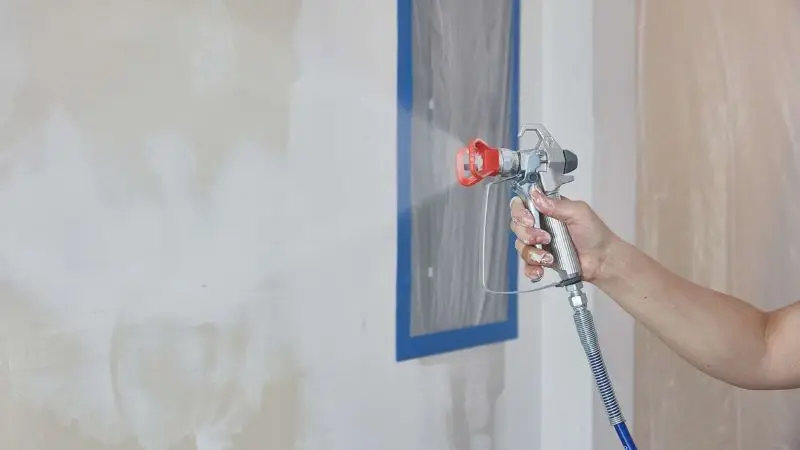
Sprayers will quickly cover large sections of the wall with new paint. You can finish large open areas with high ceilings much faster, making them a practical choice when considering how to paint interior walls efficiently. Sprayers are great for unoccupied houses during a large remodeling project.
However, sprayers require a lot of preparation before you start. You need to cover every window, every floor, and every light fixture. The air currents inside your home can easily carry paint mist throughout the space.
For one tiny room, a simple roller is still your best bet. Regular paint rollers are less messy and much cheaper. Most home painters choose rollers for a quick and easy room renovation. You will spend less time cleaning and setting up your place. Keep the big paint sprayer for huge exterior jobs or complete remodels.
How to Paint a House Interior צעד אחר צעד
When you begin painting the interior walls yourself, you can instantly transform any room. A well-planned diy project will flow smoothly from start to completion. Learn how to paint the interior of a house with clever painting techniques. Before you open any paint cans, choose your color first.
Step 1: Prepare the Room
Clear the entire space before you paint the walls. Move light furnishings to another part of the room and heavy things to the middle. Cover the entire floor with heavy canvas drop cloths. You have lots of room to work securely in an open area. Next, you’ll need to prepare the walls so the new coat can stick smoothly. Take off any switch plates, vent covers, picture nails, or curtain hardware from your surfaces. Clean surfaces with warm soapy water to remove dust and grease. Fill minor nail holes with spackle, then sand smooth once dry. How to prepare a house interior for painting starts with clearing the space and properly preparing the walls for a smooth, durable finish.
Step 2: Apply Painter’s Tape
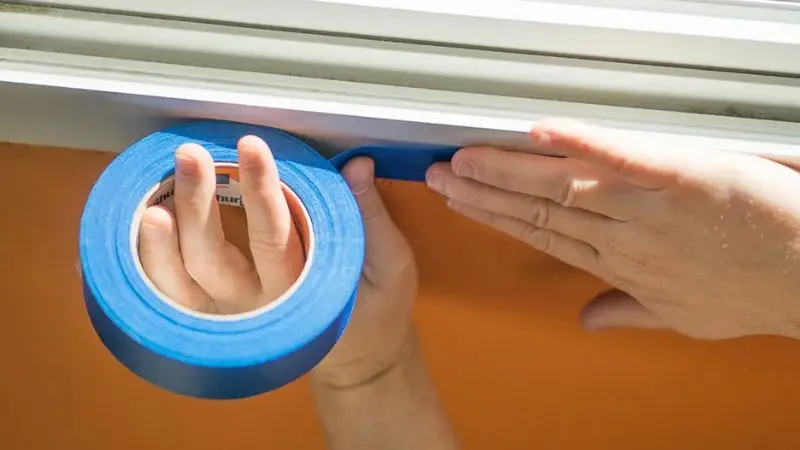
Use high-quality painter’s tape to protect your trim and achieve clean, sharp edges. Press tape firmly over baseboards, window frames, door casings, and ceiling borders. You want to arrange a room for painting carefully so the wet paint stays where it belongs. Loose tape can allow fluids to seep below and damage all your hard work.
Pass a putty knife over the edge of the tape to seal it securely. This seal stops drips from leaking through onto your pristine trim. Now you are ready to paint house walls and follow the right steps for how to paint house walls without worrying about messy mistakes. The right way to paint a space will save you time and effort. Careful work makes painting a room a lot easier for every house painter. Properly taping and prepping the walls will make you enjoy your endeavor more.
How Many Coats of Paint Do Interior Walls Need?
The correct coverage will depend on your current wall condition and color choice. Most house projects need two full coats for good durability and deep color. But there are painting circumstances when you can do a lot of work with one smooth layer of paint. The number of coats can also affect how much does it cost to paint a house interior, especially when buying additional paint.
When One Coat May Be Enough
איך repaint a house interior depends on the condition of the existing walls. One layer is often enough under simple conditions, and you can finish the job quickly. Fresh paint adheres well when you apply the same shade over clean, smooth walls. High-quality paint with built-in primer can also seal prepared surfaces without requiring multiple coats.
You can save time on basic touch-ups or short-term rental house refreshes, too. Small maintenance jobs usually don’t require extensive paint buildup across the entire space. Simply cover minor scuffs with your original wall color to quickly restore a clean, even surface.
When You Should Apply Two or More Coats
Strong colors need extra coverage when you how to paint interior walls. Thin top layers can easily show dark hues, and the transition from deep navy to bright white may leave streaks. For better coverage, let the first coat dry completely before applying a second coat.
Rough surfaces can also absorb paint quickly, leaving the first coat uneven. Allow the paint to dry, then add another layer for a more consistent sheen. High-traffic areas such as hallways and playrooms may also benefit from a second coat to help keep walls looking fresh for longer.
How Long Does It Take to Paint a House Interior?
לפני שאתה pick up a paint tool, plan your household calendar well. A home painter can usually paint a standard room in one weekend. Every project works at its own pace, depending on your home. Knowing the whole process lets you estimate your project timeline accurately.
Factors That Affect Painting Time
כמה זמן לוקח paint a house interior depends on the room size and wall height. All walls in large spaces require roller passes. If you have high ceilings, you’ll often need to use a large ladder. Working slows movement on the floor. It takes hours to get ready before you open the paint cans. Filling holes. Washing and taping. Long-winded. You have to follow these procedures to avoid messy blunders.
You are paced by drying paint between layers. Water paints dry faster than oil paints. Poor ventilation and high humidity retard drying. Liquid layering is sped up by DRY, WARM air. Cold rooms keep surfaces damp. Let each coat dry before applying the next.
DIY speed is a matter of experience. Beginners move carefully to avoid spills and to stay in line. The confident painters work fast with their brushes. Color changes mean layers and more hours on your agenda. Slowly cleaning your home gives amazing results. Careful planning reduces the stress of finishing a room.
Common Mistakes When Painting House Interior
All home DIYers want a good transformation when remodeling their place. If you rush, it is easy to make mistakes on a busy project. How to repaint a house interior can be much easier when you avoid common painting errors. A few mistakes can waste your time, energy, and money, and leave your walls with an uneven finish.
Skipping Wall Preparation
Brushing produces big immediate problems. Dust, grease, dirt, and cobwebs keep new paint from sticking to walls. You need to wash walls with warm water and soap before opening paint cans. Spackle every nail crack and sand down the rough spots. These steps are essential for how to paint the interior of a house and help create a smooth finish.
Unprepared surfaces cause fresh paint to bubble, crack, and shred after weeks. Even the topcoat will show grease marks on kitchen walls. Repainting unclean sites wastes expensive paint resources. Avoiding painting mistakes starts with proper surface cleaning.
Using the Wrong Paint or Finish
Choose the wrong paint or sheen, and your work can be ruined quickly. If you’re painting a bathroom or laundry room, use water-resistant paint to help prevent mold. Choose your finish carefully before buying supplies. Matte paints can show marks, while glossy paints highlight wall imperfections.
Each room has different daily activities, so match the finish accordingly. Eggshell or satin finishes are easy to clean in busy hallways and children’s playrooms. Always prime walls before changing sheens or covering dark colors. These tips can make how to paint a house interior much easier and help prevent costly repainting.
Applying Paint Before the Surface Is Ready
Going too early can result in uneven coverage and poor paint adhesion. Make sure the walls are clean, dry, and dust-free before you start. Fill any holes or cracks, and sand rough spots until the surface feels smooth. If you paint on a moist or unclean wall, the paint may peel, bubble, or form noticeable defects. These steps are essential for how to prepare a house interior for painting.
Before you open the paint can, also protect floors, furniture, and trim. Use painter’s tape around edges and cover large items with drop cloths. Spending a little extra time on preparation helps the paint apply more uniformly and reduces the need for expensive touch-ups later.
Conlcusion:
Proper prep work is always the key to a smooth, lasting coat when painting house interior spaces. Now you have the tools to repaint any interior space with this clear, useful guide. Give the walls a good wash, stick down some protective tape, and roll the paint on evenly. Allow the first coat to dry before applying a second coat for rich, stunning color.
Get your wet walls dry before you slide all your furniture back over. Paint takes a few days to cure completely, so avoid hanging large framed photographs for now. Your next home renovation project will be easy to finish and a lot of fun. Then wear your new style with pride, and attack your next assignment with confidence!
שאלות נפוצות
Do I need to prime my walls before painting?
You can master how to paint a room interior quickly by following our complete guide. Clean your walls first, apply tape, and cut in along the edges with a brush. Roll the main panels in smooth sections to finish efficiently.
How do I choose the best paint sheen?
High-traffic areas like hallways need satin or eggshell finishes for easy cleaning. Bedrooms look great with matte or flat finishes. Bathrooms need semi-gloss paint because it resists moisture well.
What is the fastest way to learn how to paint a room?
You can master the process quickly by following our complete guide. Clean your walls first, apply tape, and cut in along the edges with a brush. Roll the main panels in smooth sections to finish fast.
How long should I wait between coats of paint?
You usually wait two to four hours before applying a second layer. Warm, dry air speeds up drying time. Always check your paint can label for exact directions before you start rolling again.
What tools do I need to paint the interior of a house?
You’ll need some basic tools like good rollers, angled brushes, painter’s tape, and canvas drop cloths. Having the correct equipment at hand before you begin can make prep work easier and will help you achieve a cleaner, more even finish.