Gli strani rumori sono una delle situazioni peggiori in cui ci si possa trovare come proprietario di un'auto. Individuare i problemi in una fase iniziale è fondamentale per evitare problemi più gravi in futuro. Nel caso in cui sentiate rumori insoliti o notiate che il vostro motore non funziona come dovrebbe, potreste aver bisogno di sollevatore idraulico riparazione. Per questo, devi conoscere il meglio sollevatore idraulico.
Sommario
Segnali che dovresti notare Riparazione del sollevatore idraulico

A volte può essere difficile capire la natura del problema della propria auto. Tuttavia, è fondamentale individuare i sintomi di un malfunzionamento il prima possibile per evitare ulteriori complicazioni. Ecco i sintomi più comuni di un problema sollevatore idraulico:
Rumore di ticchettio o clic del motore
Come riparare un sollevatore idraulico rumoroso? Il sintomo più comune è un ticchettio o un rumore di clic proveniente dal motore. Di norma, il rumore diventa più forte quando si avvia l'auto o quando il motore è ancora freddo. Nella maggior parte dei casi, la causa di questo rumore è il malfunzionamento del sollevatore idraulico. sollevatore idraulico.
Consigliato per il tuo progetto
Mancata accensione o prestazioni scadenti del motore
Un difetto sollevatore idraulico può causare mancate accensioni del motore. Potresti sentire l'auto vibrare o notare che non funziona in modo fluido come prima. A volte, noterai un calo di potenza quando premi il pedale dell'acceleratore. Se la tua auto sembra lenta, un sollevatore idraulico difettoso potrebbe esserne la causa.
Perdita di potenza e minimo irregolare
La tua auto sembra debole o irregolare al minimo? Questo può accadere quando un sollevatore idraulico Non riesce ad aprire o chiudere correttamente una valvola. Il motore non riesce a ottenere la giusta miscela aria-carburante, quindi fatica a funzionare. Potresti notare che l'auto vibra più del solito quando è ferma.
Si accende la spia di controllo del motore.
È possibile riparare i sollevatori idraulici? La spia del motore può accendersi per molti motivi, ma un guasto sollevatore idraulico è uno di questi. Se vedi questa spia insieme a uno qualsiasi degli altri segnali, dovresti controllare subito il tuo sollevatore idraulico. Una rapida scansione con un lettore di codici può aiutarti a determinare se il problema è il sollevatore.
Quali sono le cause dei problemi ai sollevatori idraulici?
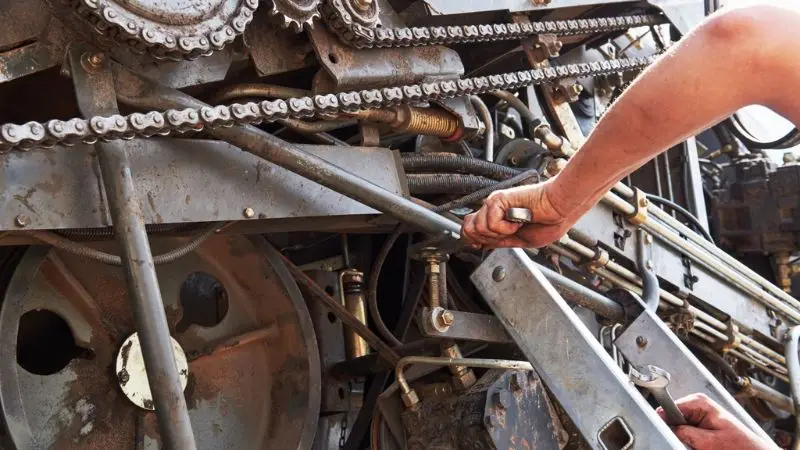
Potresti chiederti perché il tuo sollevatore idraulico Inizia a dare problemi. Analizziamo le cause più comuni di guasto delle punterie idrauliche, così da poter individuare tempestivamente eventuali anomalie.
Basso livello dell'olio motore
Il motore ha bisogno di una quantità sufficiente di olio per funzionare correttamente. Se il livello dell'olio si abbassa, le punterie idrauliche non riceveranno la lubrificazione necessaria. Ciò può causare rumori e prestazioni scadenti. Controlla sempre regolarmente il livello dell'olio. Se noti che il livello dell'olio è basso, rabboccalo immediatamente.
Olio motore sporco o melmoso
L'olio sporco può ostruire il tuo sollevatore idraulicoQuando l'olio invecchia, si trasforma in melma. La melma ostruisce i piccoli passaggi all'interno del sollevatore idraulico. Potresti sentire un ticchettio o notare che il motore non funziona correttamente. Cambia l'olio e il filtro regolarmente. L'olio pulito aiuta il sollevatore idraulico a funzionare al meglio. Quindi è importante sapere come pulire i sollevatori idraulici.
Sollevatori usurati o danneggiati
Le punterie idrauliche si usurano con il tempo. La riparazione delle punterie idrauliche diventa costosa. Se guidi un veicolo vecchio, potrebbe essere perché le punterie si sono usurate. Le punterie usurate non funzioneranno correttamente, causando un minimo irregolare e una perdita di potenza. Se credi che le tue punterie idrauliche si siano usurate, sollevatore idraulico è difettoso, portalo da un meccanico.
Problemi di pressione dell'olio
Il sollevatore idraulico si basa su un apporto costante di pressione dell'olio. A volte la pompa dell'olio si guasta o si verificano perdite d'olio, con conseguente pressione insufficiente. Ciò provoca rumori e malfunzionamenti. Presta attenzione a segnali come la spia dell'olio lampeggiante.
Manutenzione inadeguata
La manutenzione di un sollevatore idraulico è fondamentale. Trascurare la manutenzione del veicolo porterà al malfunzionamento del sollevatore. La mancata manutenzione del veicolo può causare diversi problemi; pertanto, è meglio seguire il programma di manutenzione del produttore.
Come diagnosticare un sollevatore idraulico difettoso
Come riparare i sollevatori idraulici? Vuoi che il tuo motore funzioni senza intoppi, quindi imparare a diagnosticare un guasto sollevatore idraulico può aiutarti a individuare i problemi in fase iniziale. Vediamo insieme alcuni semplici passaggi che puoi provare a casa.
Ascoltare per individuare eventuali rumori del motore.
Avvia il veicolo e ascolta attentamente i rumori prodotti dal motore. Ticchettii o schiocchi potrebbero indicare che c'è qualcosa che non va. sollevatore idraulico. Questo rumore di solito diventa più forte quando il motore è freddo. Non ignorate questo segnale di avvertimento.
Ispezionare l'olio motore
Apri il tappo del motore e controlla il livello dell'olio nel contenitore. Livelli d'olio bassi e olio sporco possono compromettere il corretto funzionamento del sollevatore idraulico, poiché l'olio pulito è necessario per le sue prestazioni. La presenza di morchia o detriti nell'olio indica la necessità di cambiarlo ed evitare costi di sostituzione del sollevatore idraulico.
Controllare la pressione dell'olio
La pressione dell'olio influisce sul corretto funzionamento del tuo sollevatore idraulico. Per misurare la pressione dell'olio, utilizzare un manometro specifico, come indicato nel manuale del veicolo. Una pressione dell'olio bassa compromette il funzionamento delle punterie.
Ispezionare il sistema di distribuzione
Rimuovere il coperchio delle valvole e ispezionare il sistema di distribuzione. Verificare la presenza di componenti usurati, molle rotte o punterie bloccate. In caso di problemi, è necessario sostituire il sollevatore idraulicoIn alcuni casi, è sufficiente pulire il sollevatore idraulico per risolvere il problema. Per verificare se il sollevatore idraulico è difettoso, ispezionare il sistema di distribuzione.
Come riparare un sollevatore idraulico
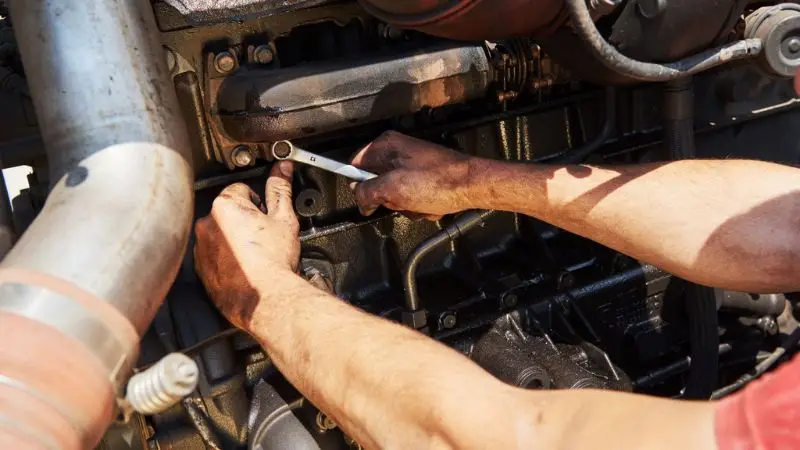
Non c'è molto di cui preoccuparsi se c'è un problema con il sollevatore idraulico, poiché può essere riparato a casa. Qui di seguito illustreremo i passaggi necessari.
Cambiare l'olio motore e il filtro
Il primo passo per riparare il sollevatore idraulico La procedura corretta è quella di svuotare l'olio motore. Questo eviterà problemi relativi alle punterie idrauliche. È necessario rimuovere il filtro dell'olio motore e montarne uno nuovo. Riempire il motore con olio nuovo compatibile con il motore della propria auto. Ciò migliora le prestazioni del motore e spesso risolve piccoli problemi alle punterie.
Utilizzare un pulitore per sollevatori idraulici
Procurati un detergente per punterie idrauliche presso un negozio di ricambi auto. Versa il detergente nell'olio motore. Avvia il motore seguendo le istruzioni fornite con il detergente. Il detergente scioglie i depositi e sblocca le punterie.
Pulire i sollevatori idraulici
Se il rumore o i problemi persistono, potrebbe essere necessario pulire il sollevatori idraulici Rimuovi direttamente il coperchio delle valvole. Estrai con attenzione le punterie. Immergile in una soluzione detergente. Usa una spazzola morbida per rimuovere eventuali residui. Asciuga i componenti prima di rimontarli. Questa operazione di riparazione può ripristinare il corretto funzionamento.
Sostituire un sollevatore idraulico danneggiato
A volte, la pulizia non risolve il problema. È necessario sostituire il sollevatore idraulico danneggiato. Acquista un ricambio nuovo compatibile con il tuo motore. Rimuovi il vecchio sollevatore e installa quello nuovo. Segui il manuale della tua auto per la corretta procedura. Questa riparazione può eliminare il ticchettio e migliorare le prestazioni del motore.
Testare il motore dopo la riparazione
Dopo aver effettuato le riparazioni, avvia il motore. Presta attenzione a eventuali rumori insoliti. Verifica la presenza di perdite. Guida l'auto per un breve tratto. Assicurati che tutto funzioni correttamente. Se il ticchettio persiste, è necessario ripetere le riparazioni o rivolgersi a un meccanico specializzato.
Riparazione del sollevatore idraulico: Processo passo dopo passo
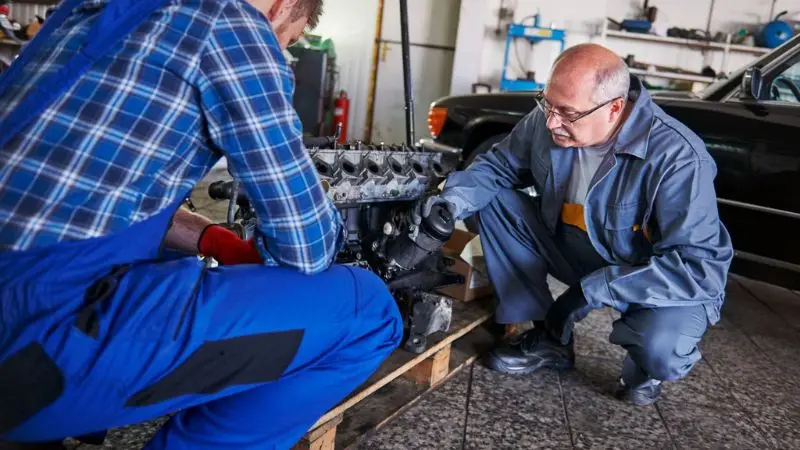
Desideri imparare a riparare il sollevatore idraulico? È possibile eseguire questa procedura da soli a casa. Forniamo una guida passo passo per riparare il tuo sollevatore idraulico e far funzionare di nuovo correttamente il motore.
Raccolta dell'attrezzatura necessaria
Come eseguire la riparazione del sollevatore idraulico senza sostituirlo? La prima cosa da fare è raccogliere tutta l'attrezzatura necessaria. Per questa procedura, avrai bisogno di un set di chiavi a bussola, una chiave inglese, un cacciavite, una chiave dinamometrica, uno straccio pulito e un nuovo sollevatore idraulico, nel caso in cui decidiate di sostituire solo un sollevatore difettoso. Non dimenticate guanti e occhiali.
Accedere e ispezionare i sollevatori
Ora, osservate il sistema di distribuzione. Vedrete le punterie idrauliche posizionate sotto i bilancieri. Controllatele una per una per verificare la presenza di usura, danni o depositi. Se riscontrate un problema, dovrete decidere se riparare o sostituire le punterie idrauliche. A volte, la pulizia è sufficiente. Altre volte, è necessario un pezzo nuovo.
Installare sollevatori nuovi o ricondizionati
Se stai eseguendo la manutenzione o la sostituzione del sollevatori idraulici Nel tuo veicolo, segui le istruzioni del manuale d'uso. Reinserisci il sollevatore idraulico nuovo o pulito nella sua posizione. Assicurati che sia installato correttamente. Questa è una parte importante della riparazione del sollevatore idraulico.
Rimontare i componenti del motore
Rimetti il coperchio delle valvole. Avvitalo saldamente usando la chiave dinamometrica. Rimuovi l'olio in eccesso. Verifica di aver fatto tutto correttamente. Avvia il motore e ascoltalo. Se tutto è andato bene, il tuo sollevatore idraulico funzionerà senza problemi.
Conclusione
Rumori strani provenienti dal motore possono indicare un problema con le punterie idrauliche. Controlla frequentemente le condizioni dell'olio. Verifica se il livello o la qualità dell'olio sono anomali. Esamina il sistema di distribuzione per individuare eventuali componenti danneggiati. L'identificazione e la risoluzione tempestiva di questi problemi ti aiuteranno a risparmiare denaro e a proteggere il motore.
- Cambia l'olio secondo le indicazioni del manuale d'uso.
- Eseguire la manutenzione dei sollevatori se necessario.
- Prova il motore dopo aver terminato le riparazioni.
FAQ
Per quanto tempo si può guidare con un sollevatore idraulico difettoso?
Guida il meno possibile. La situazione del sollevatore può peggiorare rapidamente.
Cosa succede se si ignora un sollevatore idraulico difettoso?
Se non si presta attenzione al malfunzionamento del sollevatore, si verificheranno le seguenti conseguenze:
- Più rumore del motore
- mancate accensioni
- Danni ingenti al motore
- È meglio risolvere il problema prima che accada qualcosa di più grave.
Quanto costa riparare un sollevatore idraulico?
Il costo delle riparazioni dipende dal veicolo e dalla scelta di eseguire la riparazione autonomamente o di affidarsi a un meccanico. Potrebbe essere necessario spendere dai 20 ai 50 dollari per un detergente per punterie, oppure dai 300 ai 1,000 dollari tra pezzi di ricambio e manodopera.