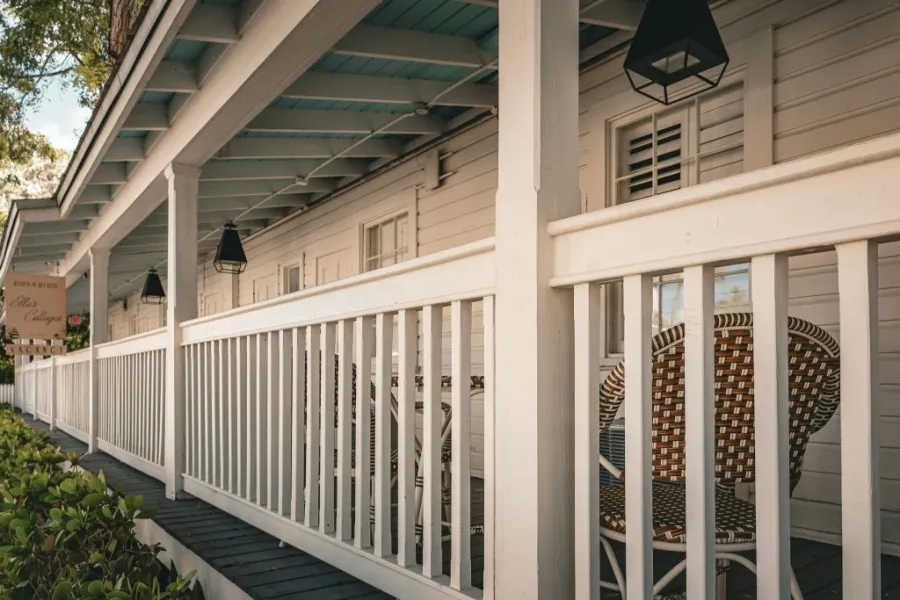
Le ringhiere per terrazze sono fondamentali per garantire la sicurezza della tua famiglia. Una ringhiera, pur essendo esteticamente gradevole, può risultare estremamente pericolosa se non fissata correttamente alla struttura. Molte persone che si cimentano nel fai-da-te commettono errori durante il montaggio dei pali.
Questa guida ti illustrerà passo dopo passo come installare le ringhiere per il terrazzo. Tratta anche l'aggiunta corretta delle ringhiere a un terrazzo esistente. installazione dei pali e l'installazione di ringhiere sulle scale. Una volta terminato, saprai cosa fare in ogni fase e dove si trovano i punti di collegamento importanti per le ringhiere delle terrazze.
Codice e pianificazione prima della costruzione
Conosci i requisiti del codice locale
Esistono delle regole su come installare le ringhiere per terrazze, ad esempio l'altezza corretta, la distanza tra le barre e il modo di fissare i pali. Queste regole variano da luogo a luogo.
Nella maggior parte dei posti vigono queste regole:
- L'altezza della ringhiera dovrebbe essere di almeno 36 pollici se il ponte non è molto alto, e di 42 pollici se è più alto.
- Le barre non devono essere distanti più di 4 pollici l'una dall'altra.
- I pali non dovrebbero essere distanti più di 6-8 piedi l'uno dall'altro, a seconda di cosa sono fatti e di quanto sono grandi
- Per fissare i montanti al telaio è necessario utilizzare bulloni, non semplici viti in superficie.
Prima di iniziare, è consigliabile consultare le autorità competenti. Se state aggiungendo una ringhiera a una terrazza e avete già ottenuto il permesso per la terrazza, potrebbe essere necessario sottoporre anche la ringhiera a un'ispezione. Saranno loro a comunicarvi se è necessaria un'ispezione o meno.
Scegli il tuo sistema di ringhiere
Le opzioni più comuni:
- Legno trattato a pressione: economico, tradizionale, richiede finitura, altamente personalizzabile
- Composito: bassa manutenzione, colore stabile, più costoso, requisiti specifici del produttore per i post
- Metallo (alluminio o acciaio): estetica moderna o industriale, durevole, necessita di elementi di fissaggio adeguati al materiale.
- Ringhiera a cavo: linee visive pulite e aperte, richiede dispositivi di tensionamento e specifiche dei pali.
Il metodo di installazione varia a seconda del sistema. Questa guida si concentra sui principi strutturali che si applicano a tutti.
Come installare i pali della ringhiera del terrazzo
I pali sono la base del sistema di ringhiere. Ogni altro componente si collega ai pali. Eseguire correttamente questo passaggio è fondamentale.
Post Placement
Segnate la posizione dei pali lungo il bordo del terrazzo. La distanza usuale tra i pali è di sei piedi (circa 1,8 metri). Assicuratevi di posizionare dei pali angolari in ogni angolo del terrazzo. Dovreste inoltre installare dei pali in corrispondenza dei cambi di livello delle scale.
Verificate che nessun punto di fissaggio dei pali ricada su una campata con blocchi di rinforzo compromessi. Se la trave perimetrale in quella zona è sottodimensionata o danneggiata, riparate i danni prima di installare i pali.
Come installare una ringhiera su un terrazzo esistente
I pali a montaggio superficiale si fissano con bulloni alla superficie superiore del pavimento e si ancorano alla trave perimetrale o alla struttura portante. Utilizzano un sistema di fissaggio con distanziatori o piastre di base. Sono più facili da installare su pavimenti esistenti perché non richiedono fori.
I montanti passanti attraversano il piano di calpestio e si fissano direttamente alla trave perimetrale con bulloni. Sono strutturalmente più robusti, ma richiedono il taglio di aperture precise nella superficie del piano di calpestio.
Per installare una ringhiera su una terrazza esistente senza doverla aprire, le basi per pali fissate in superficie con bulloni strutturali adeguati offrono un collegamento affidabile senza interventi di ristrutturazione importanti.
Fissaggio dei pali
È in questo punto che il collegamento regge o cede. Ogni palo deve essere fissato con almeno due bulloni a testa tonda zincati da 1/2 pollice che attraversano la trave perimetrale, con rondelle e dadi sul lato interno.
Praticare dei fori preliminari per evitare spaccature. Inserire i bulloni e serrare i dadi dall'interno con una chiave a bussola. È importante che siano ben fissati: un collegamento del palo allentato che inizialmente sembra a posto, svilupperà movimenti sotto carico laterale entro una stagione.
Per questa fase è consigliabile avere a portata di mano un set completo di chiavi a bussola. Set di 90 bussole a impatto VEVOR da 3/8″ Contiene tutte le misure standard di bulloni che incontrerai nella ferramenta dei pali, in un unico kit organizzato: non dovrai più cercare la bussola giusta mentre lavori sotto il ponte.
Come installare una ringhiera per terrazza: installazione di corrimano e balaustre
Binario superiore e inferiore
Una volta installati i pali e verificata la loro verticalità, tagliare le traverse superiori e inferiori in modo che si adattino tra ciascuna coppia di pali. Le traverse si collegano ai pali utilizzando le staffe fornite dal produttore oppure tramite intaglio alle estremità e fissaggio diretto, a seconda del sistema di ringhiera.
Prima di fissare definitivamente ogni sezione del corrimano superiore, verificare che sia perfettamente in piano. Sull'intera lunghezza del ponte, anche un piccolo errore per sezione si somma in modo significativo.
Spaziatura delle balaustre
Dividete la distanza libera tra i pali per la spaziatura dei balaustri scelta per ottenere il numero di balaustri, quindi verificate lo spazio tra ciascuno di essi. La regola dello spazio massimo di 10 cm (4 pollici) si applica ovunque, anche in prossimità dei pali e in corrispondenza delle transizioni delle scale.
Segnate la posizione dei balaustri sia sul corrimano superiore che su quello inferiore prima di inserire qualsiasi elemento di fissaggio. È più veloce segnare tutto in anticipo piuttosto che misurare ogni punto singolarmente man mano che si procede.
Fissaggio delle balaustre
I balaustri in legno sono generalmente fissati con chiodi o viti alla parte superiore e inferiore del corrimano. I balaustri in metallo, nella maggior parte dei sistemi, si incastrano o si avvitano nei canali metallici del corrimano. I cavi di sostegno passano attraverso i fori nei montanti e vengono tensionati tramite appositi raccordi terminali.
Indipendentemente dal sistema, verificare che ogni balaustra sia a piombo prima di passare alla successiva. Una balaustra dritta sembra corretta. Una balaustra a piombo è corretta.
Come installare una ringhiera per terrazze sulle scale
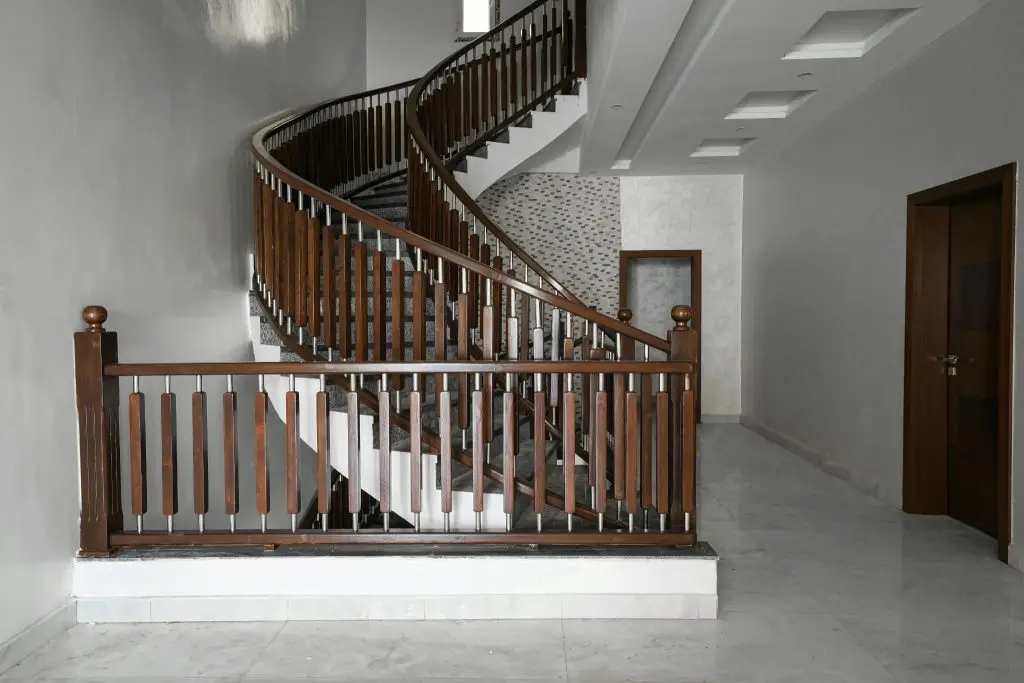
La ringhiera delle scale segue gli stessi principi della ringhiera piana del terrazzo, con due complicazioni aggiuntive: l'angolo di inclinazione e la transizione nel punto in cui la ringhiera della scala incontra la ringhiera del terrazzo.
Determinare l'angolo della scala
Misura l'alzata e la pedata della scala per ottenere l'angolo di inclinazione. Questo determina l'angolo di taglio necessario sulla parte superiore dei montanti, sulle estremità del corrimano e, in alcuni casi, sulla parte superiore dei balaustri, per mantenere tutto parallelo all'inclinazione della scala.
Per i sistemi di ringhiere in materiale composito e metallo, la maggior parte dei produttori vende componenti specifici per le scale, pretagliati secondo gli angoli standard. Verificate prima di effettuare i tagli angolari autonomamente.
Installare i montanti delle scale
I montanti delle scale si ancorano alla trave portante della scala o alla struttura del ponte nella parte superiore e inferiore della rampa. Il montante inferiore si trova alla base della scala, mentre il montante superiore è a livello del ponte, nel punto in cui il corrimano della scala si unisce al corrimano del ponte.
Entrambi i pali necessitano dello stesso collegamento a doppio bullone passante dei pali del ponte. Il carico sui corrimano delle scale è spesso maggiore perché le persone li usano attivamente per l'equilibrio quando salgono e scendono. Set di bussole a impatto VEVOR da 1/2″, 65 pezzi Gestisce bulloni di dimensioni sia SAE che metriche per i collegamenti di pali di scale e terrazze, con una qualità costruttiva che resiste alla coppia necessaria per i fissaggi strutturali.
Collegamento angolare della rotaia
In cima alle scale, dove il corrimano incontra la ringhiera del terrazzo, utilizzare un connettore regolabile per corrimano o un tappo per montante, a seconda del sistema in uso. Questo giunto di transizione gestisce contemporaneamente un cambio di angolazione e un cambio di altezza. Attenersi alle specifiche dei componenti del proprio sistema, evitando soluzioni improvvisate.
Domande frequenti
Posso installare una ringhiera per il terrazzo senza rimuovere il pavimento in legno?
Sì. È possibile utilizzare basi per pali speciali che consentono di fissare i bulloni attraverso il pavimento del terrazzo alla trave perimetrale sottostante senza dover tagliare alcuna tavola del terrazzo.
A quale profondità devono essere fissati i pali della ringhiera del terrazzo?
I montanti devono essere imbullonati completamente attraverso la trave perimetrale con rondelle e dadi all'interno. Sono necessari almeno due bulloni da mezzo pollice per ogni montante e, se la trave perimetrale non è abbastanza grande, è consigliabile utilizzare dei blocchi di rinforzo aggiuntivi.
Devo inserire dei blocchi tra le travi quando installo i montanti?
Di solito sì, soprattutto se si utilizzano pali con fissaggio passante. I blocchi aiutano a distribuire il peso del palo tra le travi, anziché concentrarlo tutto in un unico punto. La maggior parte dei regolamenti edilizi prevede questo metodo.
Qual è lo spazio massimo consentito tra i montanti della ringhiera del terrazzo?
Lo spazio tra le palpebre non deve superare i 4 pollici (circa 10 cm). Si tratta di una norma di sicurezza, non di una questione di gusti personali. Non dovrebbe essere possibile far passare una palla di 4 pollici attraverso nessuna apertura della ringhiera.
Posso usare viti per legno per fissare i pali?
No. Quando si fissano i pali della ringhiera, è necessario utilizzare bulloni o viti in grado di sopportarne il peso. Non si possono usare viti perché non sarebbero adatte e si romperebbero se qualcuno tirasse con forza la ringhiera.
Conclusione
Per imparare a installare una ringhiera per terrazza in sicurezza, è necessario conoscere gli elementi strutturali. Assicurati che i pali siano fissati correttamente, mantieni lo spazio tra i balaustri e che le scale siano costruite a regola d'arte. La ringhiera che costruisci ora deve essere abbastanza robusta da resistere al peso di qualcuno che la afferra.
Per tutto il lavoro che fai sui pali e sulle rotaie, un buon Set di bussole a impatto Dispone di tutti gli strumenti necessari per gestire bulloni di tutte le dimensioni, così puoi continuare a lavorare senza interruzioni.