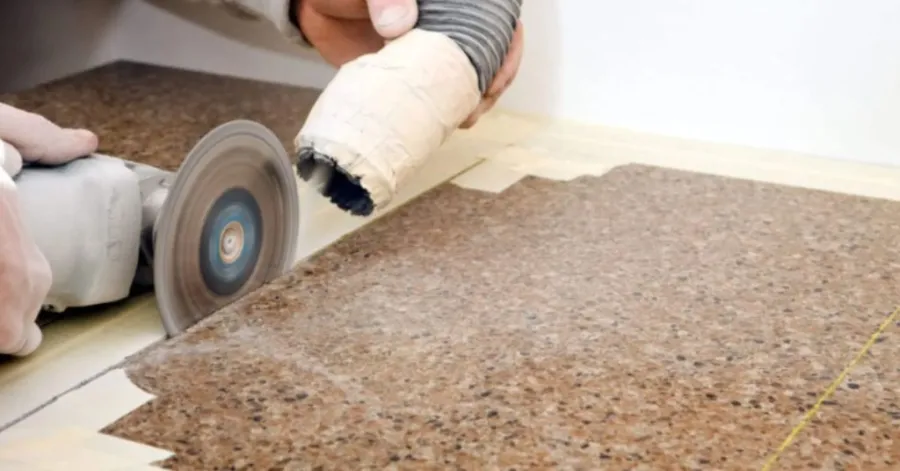
With a diamond blade on a Sega circolare or angle grinder, you can cut granite at home. You will need the right granite-cutting blades, safety equipment, water to suppress dust and keep things cool, and a methodical, step-by-step approach. Natural stones rarely come any harder than granite. Cutting granite takes patience and sound technique, not speed. If you hurry through the cut, you risk chipping the edges, splitting the slab, or ruining your diamond blade. Work through the steps without rushing, and your granite cuts will come out clean. With enough practice and careful habits, any beginner can get the hang of taglio del granito.
Sommario
Can You Cut Granite Yourself?
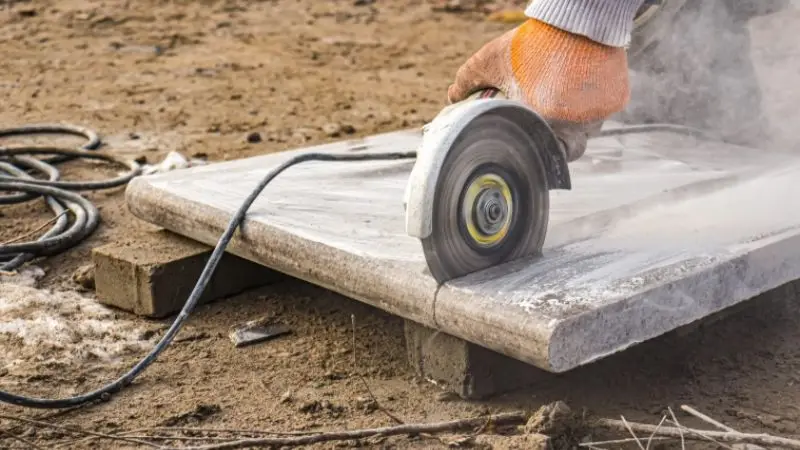
Cutting granite at home on your own is completely doable. Plenty of people with zero background pick up granite cutting and get excellent results. What it takes is a proper diamond blade and an orderly, careful way of working. No trade experience is required. The right diamond-blade circular saw and a dose of patience are all you really need. Running a few test cuts on scrap stone will get your confidence and technique up fast.
Consigliato per il tuo progetto
Is Granite Hard to Cut?
As natural stones go, granite is exceptionally hard. Its density and strength come directly from the quartz and feldspar inside it. Because of those very minerals, getting through it with a blade takes time. Everyday cutting gear simply will not hold up against it. A job like this calls for a dedicated piece of equipment.
Diamond segments built into the edge gradually grind the stone away. You have to let the blade set its own pace. Leaning on it harder just generates more heat. That heat will ruin your edge and leave fractures in the slab. Running water over the cut keeps that from happening.
While you cut, the water actually serves two key purposes. First, it keeps your blade from overheating. It keeps hazardous silica dust from drifting into the air, too. Do not ever make a cut completely dry. Keep safety glasses and an approved dust mask on the entire time. Protective gear simply cannot be skipped for this kind of work.
How you make the cut counts for far more than brute force. Keep your hand steady, and the edges come out crisp. If your hand wobbles, the edge will chip. Run a few test passes on an offcut first. That way, you keep errors off the actual slabs.
What Types of Granite Can You Cut?
You can work with almost all types of stone right in your own workspace. The approach stays identical across any granite countertop. Neither the pattern nor the shade changes how you cut it. The very same diamond blade works whether the slab is pale or dark.
Certain slabs are simply more compact than others. When stone is denser, you have to slow down your pace. Densely packed stone will easily cook the motor or blade. Apply light pressure. Just let the blade do the cutting on its own. Doing so saves the stone from damage and leaves the edge neat.
Provided you have the proper tools, you can drop a sink cutout into a counter that is already set. It is also possible to make your cuts while the granite countertop stays right where it is. Cut directly into the stone instead of taking the countertop off the cabinets. Homeowners and installers take this route all the time when fitting a new sink.
The thicker the slab is, the longer it will take to cut. Most standard countertops run either 2 cm or 3 cm in thickness. Getting a 3 cm slab all the way through simply takes more time. Turn up the water flow when you are working on thicker material. If the stone is especially thick, cut it in several shallower passes.
Well-made granite blades are suitable across all stone types. There is no reason to second-guess yourself when cutting a granite countertop. Double-check that the tool you choose is explicitly rated for wet stone cutting. That is how you end up with the neatest edge possible.
What Tools Do You Need to Cut Granite?
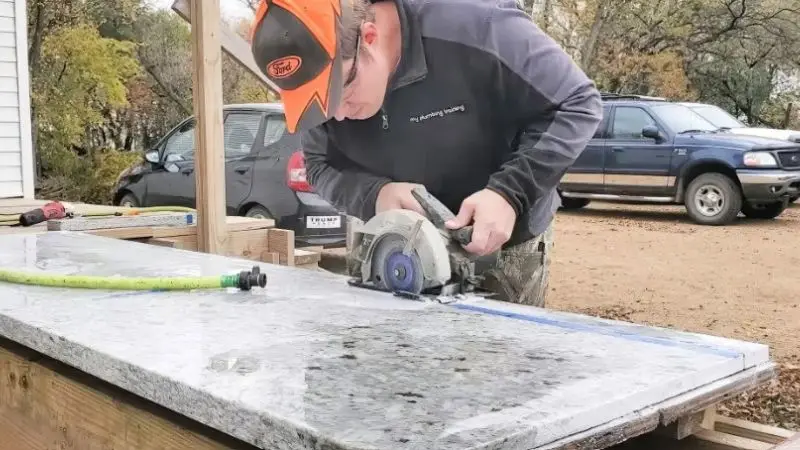
Before you start cutting, take a moment to prepare your workspace and gather everything you need. Having the right tools nearby makes the process smoother and helps you avoid unnecessary stops.
The type of cut also affects which tool and blade you should choose. Straight cuts may need a circular concrete-cutting circular saw, while smaller adjustments or curved cuts may work better with an angle grinder.
Which Tools Are Required for Cutting Granite?
Get your safety gear and the right tools together before you start learning to cut granite. With the right setup, you will get precise cuts and be far less likely to ruin the slab.
For a lot of granite jobs, either an angle grinder or a circular saw with a diamond blade will do the trick. Along with that, you will need protective gear, clamps, a solid work surface, and water to keep dust down and the blade cool. Base your tool choices on how thick the granite is and what specific type you are working with.
Which Blade Works Best on Granite?
Because granite is exceptionally hard, nothing cuts it better than a diamond blade. Pick one that is explicitly rated for hard stone or granite. Continuous rims leave cleaner edges with less chipping, whereas segmented blades tend to move faster at the expense of a rougher finish. Thin-kerf blades cut away less stone, which can help cut down on wasted material. Verify that the diameter and arbor size on the blade match your saw. Always read over the blade specs before you begin learning to cut a granite countertop. Having the right blade on your tool cuts cleaner edges and speeds up the work.
Different diamond blade designs suit different granite cutting needs. Use the table below to compare their cutting speed, finish, and material waste.
| Tipo di lama | Ideale per | Vantaggio principale | Limitazione |
| Continuous-Rim Diamond Blade | Clean, precise granite cuts | Produces smoother edges with less chipping | Cuts more slowly than segmented blades |
| Lama diamantata segmentata | Fast granite cutting | Removes material quickly and handles heavy cutting | Leaves a rougher edge with more chipping |
| Turbo-Rim Diamond Blade | Balancing speed and finish | Faster cutting with a cleaner edge than many segmented blades | Finish may not be as smooth as a continuous rim |
| Thin-Kerf Diamond Blade | Riduzione degli sprechi di materiale | Removes less stone and creates a narrower cut | Can be more sensitive to excessive pressure or overheating |
Is It Possible to Cut Granite With a Circular Saw?
Yes, provided you mount the right diamond blade, an electric circular saw can cut granite. Running long, straight cuts across granite slabs and countertops is where it really shines. Clamp the slab down securely first, then feed the saw along your line without rushing it. If your setup allows for wet cutting, running water over the cut keeps blade temperatures down and limits airborne dust. If you are tackling a home renovation and figuring out how to cut granite with a circular masonry saw, this approach works well. You can turn to an angle grinder fitted with a diamond blade for tight spots, fine-tuning, and shorter cuts. Stick strictly to blades rated for masonry and obey every safety rule laid out by the tool maker.
How to Prepare Granite for Cutting
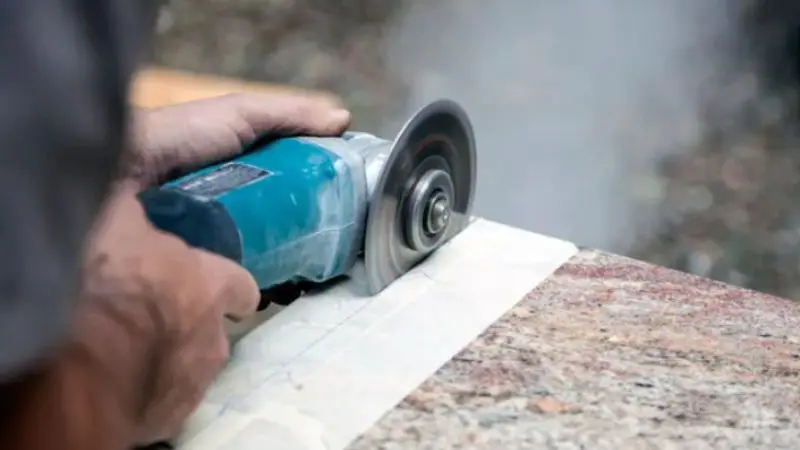
Proper prep work keeps the job manageable and stops you from ruining an expensive slab. Do not rush your measurements; mark the cut line with complete precision.
Set the stone on a flat, solid base, making sure the section you plan to cut has plenty of underneath support. With your lines drawn and dimensions settled, you can begin cutting with much better precision.
How to Measure Granite Before Cutting
Do not make a single cut until you have thoroughly measured the slab. Pull a steel tape to get the length and width you need, and make sure to measure how thick the slab is, too. Slabs vary widely in thickness, a variable that influences which blade you need and how you make the cut. Verify every single dimension a second time before putting pencil or marker to the stone. Remember to factor in kerf as well, since the blade grinds away a set width of stone as it passes. That matters even more if you are just learning how to cut a granite slab to an exact size. Check those numbers against the actual installation space so you know the finished slab will drop into place properly.
How to Mark a Cutting Line on Granite
Once your measurements are set, lay down a clear line directly on the granite face. A wax marker or grease pencil does the job well, staying visible against polished stone. Line up a straightedge with your marks and pull a clean, straight line across. Sticking painter’s tape directly along or right next to your line helps keep edges from chipping and gives you better visibility. Getting your lines right matters when you are learning how to cut granite countertops at home, since even a tiny sizing slip throws off the finished fit. Match your drawn line back against your original numbers before you bring out the diamond-blade circular saw. If the job really matters, try out your cut on an offcut piece first.
How to Cut Granite Step by Step
You are ready to cut as soon as the stone is clamped down, marked, and accurately measured. Pick a masonry cutting circular saw and blade combo that suits the exact thickness and grade of your granite.
Take your time with the cut and ensure the slab stays supported from start to finish. Following these steps keeps the saw under control, cuts down on chipping, and improves your overall accuracy.
Passaggio 1: indossare l'attrezzatura di sicurezza
Get your protective equipment sorted out before turning on the handheld concrete cutting saw and laying into the stone. Cutting granite throws off fine rock fragments along with dangerous silica dust, particularly if you cut it dry. Shield your eyes against airborne grit using a face shield or a pair of safety glasses. Keep dust out of your lungs by wearing an N95 mask or another rated respirator. You also need ear protection, as running saws generate intense noise while cutting. Put on tough, grippy work gloves to carry the slab, but never let your hands get close to that spinning blade. The right safety equipment keeps you safe from the first cut to the last.
Step 2: Secure the Granite
Set the slab onto a firm, completely flat surface before you ever switch the circular masonry saw on. A sheet of heavy plywood resting on sturdy sawhorses gives a big slab the solid base it needs. Verify that the entire slab has backing, paying special attention to the areas directly flanking your cut line. Lock the slab down with bar clamps or C-clamps so it cannot budge midway through the pass. Slide some wood or rigid foam under the stone to soak up vibrations and brace the weight. Give the slab a firm nudge to test its hold before you pull the saw’s trigger. Tighten the clamps if you feel any give. Solid bracing also goes a long way when you are figuring out how to cut a granite countertop without cracking it or letting it shift.
How to Cut Granite Without Chipping
Granite chips easily, which catches a lot of people out, but taking time with your setup cuts down the risk. Having the right diamond blade, feeding the saw evenly, and supporting the piece properly will all show in the cut.
Cutting wet also keeps dust and temperatures down, provided your saw is built to take water. Do not push the blade; just work slowly and let the tool do what it does.
How to Make a Smooth Cut in Granite
Scegli una lama diamantata rated for granite and check the whole saw setup before you make your cut. When working with a sega bagnata, follow whatever guidance the maker gives for getting water to the blade. Running water keeps friction down and stops the blade from heating up while you cut. Follow your line at an easy pace instead of trying to muscle the blade forward. Running a strip of painter’s tape right over the cut line is another trick that holds back micro-chipping. Hold the saw firm and give the diamond blade time to chew through the stone at its own rate. Learning how to cut granite with a wet saw takes practice, but a controlled cutting speed helps produce a smoother edge.
How to Cut Granite Without It Cracking
Granite needs proper support beneath it if you want to keep it from cracking during a cut. Lay foam or another suitable support under the slab, checking that the material stays stable on both sides of the cut line. Instead of trying to clear the entire slab thickness in a single cut, set your saw to take shallow passes. Start by lightly scoring the surface, then take the blade slightly deeper with every subsequent pass. Do not push the saw past its own pace or let the blade get too hot. Keep the recommended volume of water flowing from start to finish if you are working with a sega bagnata. Shut the saw off immediately if you feel strange vibrations, see stone shifting, or notice too much heat. Keeping your passes slow and controlled keeps the granite from cracking.
Incartare
You have what you need now to cut granite confidently. Select the correct lama diamantata, suit up in your protective gear, and keep the dust down with water. Take your time marking the cut line accurately. Keep your hands steady and take the cut at a slow pace. Give the edge a proper finish so it looks clean. If you stay patient and prioritize safety, your results will turn out clean every time.
Run a test cut on an offcut piece before tackling actual granite countertops. Doing so sharpens your technique while sparing your countertop from mistakes. With the right gear on hand, you can cut through granite counters without running safety risks. Get your granite cutting blades ready and jump into the job. You’ll be making cuts in granite that look like a professional did them.
DOMANDE FREQUENTI
Diamond Blade Concrete Saws vs. Abrasive Wheel Saws
You get faster slicing, a longer lifespan, and cleaner edges when you run diamond blades. While abrasive wheels are cheaper up front, they grind down fast. The Stihl TS 420 (diamond) and typical abrasive cutoff saws serve as good illustrations here.
Wet Cutting vs. Dry Cutting Concrete Saws
Water controls the dust cloud and cools down the blade during wet cuts, which suits demanding jobs best. When working inside, dry cutting is the more convenient approach. Leading examples on the market are the Husqvarna K 770 and the Stihl TS 420.
Blade Types for Different Concrete Mixes
Blades built for softer aggregate handle soft pours fine, but hard concrete calls for softer-bond diamond blades instead. Segmented blades made for general-purpose use can take on varied blends of materials. Whether a blade matches your saw comes down to arbor size and blade diameter.
Cleanest Cuts for Decorative Concrete
When working with decorative concrete, pick a saw that limits vibration and lets you guide the blade with precision. Husqvarna K 4000, Stihl TS 420, and Makita EK6101 are leading options when you need controlled, pinpoint cuts.
Top Concrete Saws for Cutting Patio Stones and Pavers
Pavers and patio stones cut cleanly with compact cutoff saws or smaller masonry saws. Common picks here are Stihl TS 410, Husqvarna K 770, and dedicated wet-cut masonry saws.
Best Concrete Saws for Slabs Over 6 Inches
You need high power, adequate depth of cut, and a larger diamond blade to get through thick slabs. For cuts that need to run deep and true, walk-behind units like the Husqvarna FS 400 LV fit the bill.
The Safest Concrete Saws for Novices
Anyone starting out ought to look at blade guards, how well the tool absorbs vibration, handle ergonomics, auto-shutoff features, and dust suppression with water. Smaller units like the Husqvarna K 4000 give you better handling than unwieldy, heavy saws.
Top Compact Concrete Saws When Space Is Limited
When working inside or tucked into tight quarters, compact electric cutoff saws come in handy. With the Husqvarna K 4000 and Stihl TSA 230, you get low emissions, steady cut control, and dimensions that are fairly easy to handle.