Hai mai pensato a come un frigorifero mantenga cibi e bevande freddi e freschi per diversi giorni? frigorifero ha un sistema di raffreddamento intelligente che elimina invece di produrre aria fredda. Il compressore, le serpentine del condensatore, le serpentine dell'evaporatore, il termostato e il refrigerante sono diverse parti che lavorano insieme per garantire il raggiungimento della temperatura ottimale. Questo funzionamento continuo aiuta a mantenere la qualità degli alimenti, a prevenire il deterioramento e a raffreddare le bevande. Imparare cosa causa un frigorifero Il freddo può aiutarti a capire come funziona il tuo elettrodomestico e quali sono i problemi di raffreddamento più comuni. Qui descriviamo l'intero processo di refrigerazione e il ruolo di ciascun componente per un raffreddamento efficace.
Sommario
Come funziona il sistema di raffreddamento di un frigorifero?

Un frigorifero funziona con un sistema di raffreddamento ciclico in cui l'interno del frigorifero viene raffreddato e il calore viene dissipato nell'aria circostante. Durante il funzionamento, non produce aria fredda; piuttosto, rimuove il calore dagli alimenti e dalle bevande conservati. Questo processo di trasferimento di calore consente al frigorifero di mantenere una bassa temperatura e di conservare gli alimenti deperibili. Sapere come un frigorifero raffredda cibi e bevande è utile per capire come le varie parti del frigorifero si combinano per creare un luogo freddo e sicuro dove conservare cibi e bevande.
Consigliato per il tuo progetto
Il sistema di raffreddamento richiede diversi componenti chiave, come un compressore, le serpentine del condensatore, le serpentine dell'evaporatore, un termostato e il refrigerante. Tutti i componenti svolgono un ruolo specifico nel ciclo di refrigerazione. Quando questi componenti lavorano in sincronia, dissipano il calore, trasferiscono l'aria fredda e mantengono la temperatura ottimale per conservare gli alimenti freschi.
Il frigorifero rimuove il calore per creare un ambiente freddo
Un frigorifero non raffredda direttamente gli alimenti. Piuttosto, trasferisce il calore dall'interno dell'apparecchio all'esterno attraverso un processo noto come scambio termico. L'aria calda presente nel frigorifero contiene energia termica, che il sistema di raffreddamento assorbe e trasferisce all'esterno. Maggiore è la quantità di calore in un contenitore, minore sarà la sua temperatura, creando le condizioni ideali per conservare cibi e bevande.
Anche il refrigerante è importante nel processo poiché assorbe il calore nel frigorifero Il refrigerante attraversa diversi elementi e viene trasferito al sistema di raffreddamento. Man mano che il refrigerante passa attraverso vari componenti, la sua temperatura e pressione cambiano, assorbendo e rilasciando calore. Ecco perché un frigorifero è freddo e riesce a mantenere una temperatura costante.
I frigoriferi possono rallentare il deterioramento degli alimenti e fornire condizioni più favorevoli eliminando costantemente il calore anziché immettere aria fredda al loro interno. Ecco perché un frigorifero che funziona correttamente può conservare frutta, verdura, latticini e bevande più a lungo.
Il ciclo di refrigerazione mantiene il frigorifero freddo
Il ciclo di refrigerazione è un processo continuo che permette al frigorifero di mantenere basse temperature. Questo ciclo comprende quattro fasi principali: compressione, condensazione, espansione ed evaporazione. In ogni fase, la pressione e la temperatura del refrigerante vengono modificate per favorire la rimozione del calore dal frigorifero.
Nella fase di compressione, il compressore comprime il gas refrigerante e ne aumenta la pressione. Questo refrigerante ad alta pressione viene quindi pompato alle serpentine del condensatore, dove si sfiata e condensa trasformandosi in un liquido più freddo. Il refrigerante passa poi attraverso una valvola di espansione che ne riduce la pressione e la temperatura.
L'ultima fase avviene nelle serpentine dell'evaporatore, dove il refrigerante freddo prende il sopravvento sul calore nel frigoriferoIl refrigerante ricircola verso il compressore e il processo si ripete. Questa ripetizione permette al frigorifero di raffreddare costantemente e di mantenere una temperatura interna bassa.
Componenti chiave del frigorifero che mantengono cibi e bevande freddi

Un frigorifero si basa su una serie di dispositivi interconnessi per regolare la temperatura e dissipare il calore. Ogni componente svolge un ruolo specifico nel processo di raffreddamento, tra cui la compressione del refrigerante e la rimozione del calore dall'apparecchio. Quando tutti i componenti funzionano correttamente, il frigorifero è in grado di mantenere una temperatura costante e conservare gli alimenti in modo sicuro.
Queste sezioni facilitano inoltre la comprensione delle cause dei problemi di raffreddamento e l'esecuzione di semplici interventi di manutenzione. Il compressore, le serpentine del condensatore, le serpentine dell'evaporatore e il termostato sono tutti elementi che contribuiscono al funzionamento efficiente e alla conservazione degli alimenti.
Il compressore spinge il refrigerante attraverso il sistema di raffreddamento
Il processo di raffreddamento del frigorifero Il sistema è alimentato principalmente dal compressore. Quest'ultimo avvia il processo di refrigerazione comprimendo il gas refrigerante a bassa pressione e trasformandolo in un gas ad alta pressione e alta temperatura. Questo aumento di pressione permette al refrigerante di circolare all'interno del sistema e di raffreddare efficacemente.
Capire come funziona il compressore di un frigorifero può spiegare perché questo componente è essenziale per le prestazioni di raffreddamento. Il compressore genera la differenza di pressione che spinge il refrigerante tra la parte interna e quella esterna del frigorifero.
Il refrigerante scorre attraverso il compressore e, dopo la compressione, raggiunge le serpentine del condensatore, dove disperde il calore e il ciclo ricomincia. Un guasto al compressore può causare problemi di raffreddamento al frigorifero, poiché il refrigerante non sarà in grado di circolare efficacemente. Un compressore in buone condizioni contribuisce a mantenere una temperatura costante e un funzionamento corretto.
Le serpentine del condensatore rilasciano calore dal frigorifero
Il calore accumulato all'interno frigorifero Il refrigerante viene quindi estratto dalle serpentine del condensatore ed espulso nell'aria. Queste serpentine si trovano solitamente nella parte posteriore o inferiore dell'apparecchio, consentendo una facile dissipazione del calore. Il refrigerante esce dal compressore e passa attraverso le serpentine del condensatore come gas caldo e ad alta pressione.
Quando il refrigerante attraversa le serpentine, cede calore e si raffredda gradualmente. Questo processo prepara il refrigerante per il ciclo di raffreddamento successivo. Quando le serpentine del condensatore sono ostruite da polvere o sporco, non riescono a dissipare il calore in modo efficace e il frigorifero deve lavorare di più.
Le serpentine del condensatore pulite migliorano l'efficienza di raffreddamento, riducono il consumo energetico e aiutano l'apparecchio a mantenere la temperatura interna adeguata. È inoltre importante che vi sia un flusso d'aria sufficiente intorno a queste serpentine per un funzionamento ottimale.
Le serpentine dell'evaporatore assorbono calore e generano aria fredda.
Le serpentine dell'evaporatore assorbono calore all'interno del vano frigorifero. Queste serpentine contengono un refrigerante freddo che raffredda l'aria circostante durante la sua trasformazione da liquido a gassoso. Questo processo di riscaldamento riduce la temperatura all'interno del frigorifero.
Una spiegazione di come un frigorifero Il funzionamento dell'evaporatore è il motivo per cui le serpentine dell'evaporatore sono necessarie per creare un ambiente di conservazione a freddo. Il refrigerante in queste serpentine rimuove il calore da alimenti, bevande e aria all'interno dell'apparecchio.
Una volta riscaldato, il refrigerante ritorna al compressore per ripetere il processo di raffreddamento. Le serpentine dell'evaporatore, in combinazione con le ventole, fanno circolare l'aria fredda all'interno del frigorifero. Questo serve a mantenere la temperatura costante e a conservare al fresco gli alimenti o altri prodotti riposti al suo interno.
Il termostato controlla la temperatura del frigorifero.
Il termostato funge da sistema di controllo della temperatura del frigorifero. Controlla la temperatura interna e attiva il sistema di raffreddamento quando è necessario un raffreddamento maggiore. Il termostato aziona il compressore quando la temperatura interna del frigorifero supera il valore desiderato, avviando un nuovo processo di raffreddamento.
Una volta raggiunta la temperatura desiderata, il termostato spegne il compressore per evitare inutili consumi energetici. Questo controllo automatico contribuisce a mantenere stabili le condizioni all'interno del frigorifero.
Un termostato che funziona correttamente è fondamentale per la sicurezza e la freschezza degli alimenti. Impedisce che la temperatura diventi eccessivamente alta, il che può causare un deterioramento più rapido degli alimenti. Viene anche utilizzato per evitare un raffreddamento eccessivo, che potrebbe congelare i prodotti conservati nel frigorifero. frigorifero scomparto. Il termostato mantiene il cibo fresco mantenendo la temperatura appropriata per una conservazione a lungo termine.
Come l'aria fredda raggiunge cibi e bevande all'interno del frigorifero
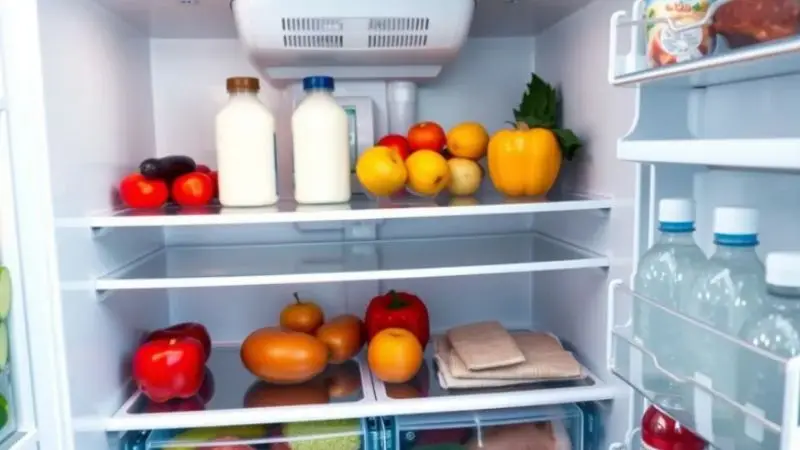
Il raffreddamento non avviene in un unico punto del frigorifero. Una volta rimosso il calore dall'apparecchio, l'aria fredda deve circolare attraverso i vari scomparti per garantire temperature uniformi. Il sistema di circolazione contribuisce a distribuire l'aria fredda a ripiani, cassetti e vani di conservazione, assicurando che cibi e bevande rimangano freschi.
Il flusso d'aria all'interno del frigorifero Influisce sull'uniformità della conservazione degli alimenti. La circolazione dell'aria fredda all'interno di un frigorifero aiuta a spiegare perché alcune parti si raffreddano più di altre e perché la disposizione degli alimenti può prolungarne la durata di conservazione.
Le ventole fanno circolare l'aria fredda in tutto il frigorifero
Le ventole nei frigoriferi sono importanti per far circolare l'aria fredda al loro interno. Le serpentine dell'evaporatore raffreddano l'aria; la ventola dell'evaporatore trasferisce quest'aria fredda nei vani frigorifero e congelatore. Questo flusso d'aria contribuisce a mantenere costante la temperatura e garantisce che non vi siano zone più calde di altre.
Le prese d'aria tra i compartimenti solitamente convogliano aria fredda, permettendo al sistema di raffreddamento di raggiungere diverse zone del magazzino. Senza un'adeguata circolazione dell'aria, alcune aree potrebbero surriscaldarsi eccessivamente, accelerando il deterioramento degli alimenti. Anche le ventole sono utili per distribuire uniformemente la temperatura, poiché muovono costantemente l'aria attorno a ripiani e contenitori.
Un sistema di circolazione adeguato fornisce aria fredda in vari punti dell' frigoriferoQuesto è un metodo efficace per garantire un raffreddamento efficiente e mantenere le condizioni necessarie per conservare alimenti freschi, bevande e altri prodotti deperibili.
I compartimenti del frigorifero mantengono temperature diverse
Varie parti di un frigorifero Sono programmati per avere temperature diverse a seconda del tipo di cibo che vi viene conservato. Il congelatore è più freddo perché gli alimenti al suo interno devono essere congelati, mentre il vano frigorifero principale è più freddo e non congela, ma mantiene gli alimenti refrigerati.
I cassetti per le verdure sono generalmente dotati di un sistema di controllo dell'umidità per preservare la freschezza degli alimenti, mentre i ripiani sono utilizzati per conservare gli altri alimenti. La porta del frigorifero è la parte più calda, poiché è esposta all'aria esterna ogni volta che viene aperta. I prodotti che necessitano di temperature costanti devono essere posizionati nella parte interna del frigorifero.
La freschezza e la conservazione degli alimenti possono essere migliorate disponendoli correttamente. Riporre frutta, verdura, latticini e bevande negli scomparti appropriati del frigorifero contribuisce a mantenere una maggiore efficienza di raffreddamento e a preservare più a lungo la qualità degli alimenti.
Come i frigoriferi mantengono il cibo fresco e sicuro
Il cibo può essere raffreddato non solo abbassando la temperatura. frigorifero Rallenta il normale deterioramento, preservando la qualità dei prodotti conservati. I frigoriferi riducono le condizioni che consentono ai batteri di moltiplicarsi rapidamente controllando la temperatura e il flusso d'aria.
Capire perché un frigorifero mantiene freschi gli alimenti ci aiuterebbe a comprendere l'importanza di una corretta refrigerazione per la sicurezza alimentare. Sapore, consistenza e valore nutrizionale vengono preservati e la durata di conservazione della maggior parte degli alimenti viene prolungata mantenendoli alla giusta temperatura.
Basse temperature rallentano il deterioramento degli alimenti
Le basse temperature rallentano la crescita della maggior parte dei batteri e dei microrganismi responsabili del deterioramento degli alimenti. Le reazioni chimiche e l'attività batterica si verificano più lentamente quando il cibo viene conservato in un ambiente freddo e, di conseguenza, gli alimenti possono rimanere freschi più a lungo.
La maggioranza dei frigoriferi sono impostati per regolare la temperatura tra 35 °C e 38 °C (1.6 °C e 3.3 °C), offrendo un equilibrio tra sicurezza e qualità degli alimenti. Mantenere il frigorifero in questo intervallo contribuirà a ridurre al minimo il rischio di deterioramento ed evitare congelamenti inutili.
La refrigerazione non impedisce completamente il deterioramento degli alimenti, ma lo rallenta notevolmente. Per questo motivo, latte, verdura, carne e cibi pronti si conservano molto più a lungo senza deteriorarsi se riposti correttamente. Un sistema di raffreddamento costante contribuisce a preservare gusto, consistenza e freschezza.
I cestelli del congelatore conservano gli alimenti per periodi più lunghi.
Il vano congelatore conserva gli alimenti molto più a lungo mantenendo temperature significativamente più basse rispetto a quelle del vano frigorifero. In genere, i congelatori raggiungono una temperatura di circa -18 °C (0 °F), che congela l'acqua contenuta negli alimenti e rallenta la maggior parte dell'attività microbica.
Il motivo per cui il congelatore è più freddo del frigorifero risiede nelle diverse funzioni di conservazione dei due elettrodomestici. Il congelatore richiede temperature più basse per conservare gli alimenti congelati, mentre il frigorifero ha il solo scopo di impedire che gli alimenti si deteriorino, senza congelare i cibi di uso quotidiano.
Il congelamento non uccide i batteri, ma la maggior parte dei microrganismi non è attiva e non si moltiplica quando gli alimenti vengono congelati. Gli alimenti congelati possono mantenere la loro qualità per mesi se conservati correttamente. Il congelatore e il frigorifero vengono utilizzati insieme per fornire temperature diverse adatte alla conservazione di un'ampia varietà di alimenti e bevande.
Consigli per aiutare il frigorifero a raffreddare in modo più efficiente
Una pulizia regolare può anche migliorare le prestazioni del frigorifero e contribuire a mantenere temperature costanti. La manutenzione ordinaria aiuta il sistema di raffreddamento a funzionare in modo efficace, riduce al minimo il consumo energetico superfluo e aiuta a prevenire frequenti problemi di raffreddamento.
Attenersi ad alcune semplici regole può anche aiutare a spiegare perché un frigorifero mantiene gli alimenti freschi, garantisce la corretta circolazione dell'aria fredda e offre le condizioni di conservazione necessarie. Dalla disposizione dei ripiani alla regolazione della temperatura, anche piccoli cambiamenti possono portare a un miglioramento visibile delle prestazioni del frigorifero.
Mantieni il frigorifero ben organizzato
Disposizione adeguata all'interno del frigorifero Consente all'aria fredda di circolare liberamente tra ripiani, cassetti e scomparti. Riempire eccessivamente i ripiani con contenitori per alimenti, confezioni e bottiglie può limitare il flusso d'aria, lasciando alcune parti dei ripiani senza l'aria refrigerata necessaria.
Lo spazio è importante perché aiuta a capire come circola l'aria fredda all'interno di un frigorifero. Sono necessari dei condotti aperti per far circolare l'aria fredda nell'apparecchio attraverso la ventola dell'evaporatore. Ostruire le prese d'aria o riempire eccessivamente i ripiani può creare zone calde e costringere il frigorifero a sforzarsi per raggiungere la temperatura desiderata.
Non riempire eccessivamente il frigorifero contribuisce anche a migliorare il raffreddamento degli alimenti, poiché l'aria può circolare più facilmente intorno ai prodotti conservati. È inoltre consigliabile tenere gli alimenti ben organizzati in modo che le temperature rimangano costanti, gli alimenti si conservino meglio e il frigorifero funzioni in modo più efficiente.
Verificare la presenza di perdite d'aria nelle guarnizioni delle porte.
Le guarnizioni della porta del frigorifero servono a mantenere l'aria fredda all'interno. Quando queste guarnizioni si crepano, si allentano o si danneggiano, l'aria fredda fuoriesce e di conseguenza il frigorifero deve lavorare di più per mantenere la temperatura desiderata.
Il modo più semplice per verificare la tenuta della guarnizione è chiudere lo sportello del frigorifero con un foglio di carta o un foglio sottile. Se la carta scivola via facilmente, la guarnizione potrebbe non essere sufficientemente ermetica. Guarnizioni danneggiate possono permettere all'aria calda di entrare, interferendo con il processo di raffreddamento e consumando più energia.
Delle buone guarnizioni per le porte aiutano a mantenere l'aria fredda necessaria per conservare gli alimenti al fresco. Inoltre, contribuiscono a mantenere il frigorifero freddo impedendo l'ingresso di calore e riducendo il carico di lavoro del compressore e degli altri sistemi di raffreddamento.
Mantenere l'impostazione di temperatura corretta
È inoltre importante mantenere la giusta temperatura sul tuo frigoriferoche raffredderà efficacemente e conserverà gli alimenti. La maggior parte dei frigoriferi funziona in modo ottimale a una temperatura ambiente compresa tra 35 e 38 °F (1.6 e 3.3 °C). Il congelatore deve essere mantenuto a circa 0 °F (-18 °C) per conservare gli alimenti congelati.
Capire perché il congelatore è più freddo del frigorifero aiuta a spiegare perché ogni scomparto deve avere una temperatura diversa. Il congelatore richiede temperature molto più basse per congelare gli alimenti, mentre il frigorifero necessita di un raffreddamento sufficiente per ritardarne il deterioramento.
Una corretta regolazione della temperatura consente di risparmiare energia e di far funzionare efficacemente il sistema di raffreddamento. Inoltre, spiega perché il frigorifero mantiene gli alimenti freschi, creando un ambiente stabile che inibisce la proliferazione batterica e prolunga la durata di conservazione.
Incartare
A frigorifero Il suo funzionamento si basa su un processo di raffreddamento ben studiato che elimina il calore, distribuisce l'aria fredda e mantiene condizioni di conservazione sicure. Ogni componente del sistema contribuisce in modo significativo, a partire dal compressore, che spinge il refrigerante attraverso il sistema, fino alle serpentine dell'evaporatore che assorbono il calore. Approfondire la conoscenza del refrigerante, del suo funzionamento nel raffreddamento degli alimenti e della circolazione dell'aria all'interno del frigorifero vi aiuterà a utilizzarlo e a mantenerlo in perfette condizioni. Una corretta configurazione, una pulizia frequente e una temperatura adeguata possono migliorare le prestazioni e prolungare la durata dell'apparecchio. Con un meccanismo di raffreddamento correttamente manutenuto, il vostro frigorifero potrà preservare la qualità degli alimenti e mantenere le bevande fresche per molti anni.
DOMANDE FREQUENTI
Cosa fa sì che un frigorifero raffreddi le cose?
Il frigorifero rimuove il calore grazie a un refrigerante, delle serpentine e un compressore. Il calore viene trasferito all'esterno, dove raffredda la temperatura interna.
Un frigorifero genera aria fredda?
No, un frigorifero non produce aria fredda. Raffredda l'aria all'interno del vano, lasciando più freddi il resto dell'aria e gli alimenti.
Quale parte del frigorifero raffredda gli alimenti?
Le serpentine dell'evaporatore raffreddano gli alimenti dopo aver assorbito il calore all'interno del frigorifero. Queste serpentine contengono un refrigerante che sottrae calore durante il processo di refrigerazione.
Perché il mio frigorifero non raffredda?
Un frigorifero può non raffreddare a causa di serpentine sporche, prese d'aria ostruite, guarnizioni rotte, basso livello di refrigerante o problemi al compressore.
Con quale frequenza si effettua la pulizia delle serpentine del frigorifero?
Le serpentine del frigorifero dovrebbero essere pulite regolarmente, in genere ogni sei mesi, per migliorare il raffreddamento, ridurre il consumo energetico e prevenire il surriscaldamento.