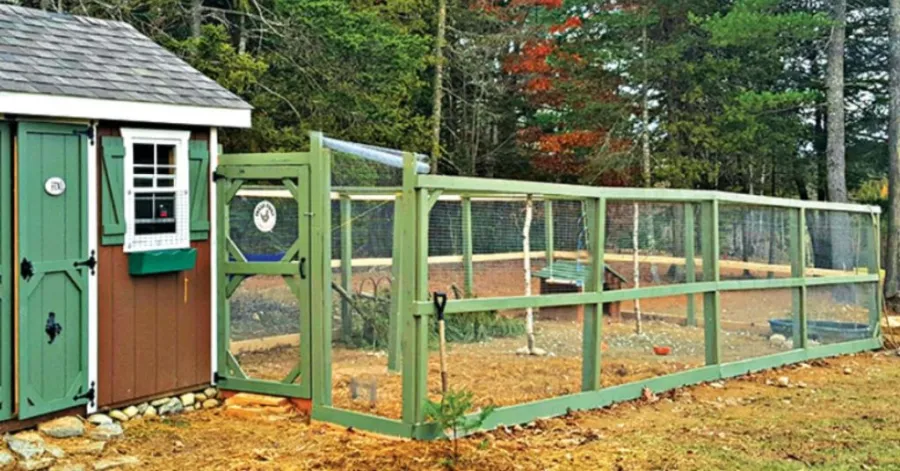
Uno dei passaggi più critici per garantire che il tuo pollo non sia esposto ai predatori e non scappi è costruire una robusta recinzione intorno al pollaioUna buona recinzione protegge il tuo gregge, consentendogli al contempo di muoversi liberamente e di rimanere in salute. Spesso si pensa che un qualsiasi filo metallico sia sufficiente, ma una recinzione fragile può essere facilmente rotta o utilizzata dagli animali. In questa guida, ti verrà illustrata la procedura passo passo per realizzare una recinzione robusta e resistente. Con i materiali giusti, un'adeguata pianificazione e un'installazione accurata, è possibile costruire un pollaio sicuro e protetto nel proprio giardino.
- Come scegliere il materiale giusto per la recinzione di un pollaio
- Attrezzi e materiali necessari per la recinzione del pollaio
- Come progettare una recinzione sicura per un pollaio
- Guida passo passo per installare correttamente la recinzione del pollaio
- Come rendere la recinzione del tuo pollaio completamente a prova di predatori
- Analisi dei costi per la costruzione di una recinzione per il pollaio.
Come scegliere il materiale giusto per la recinzione di un pollaio
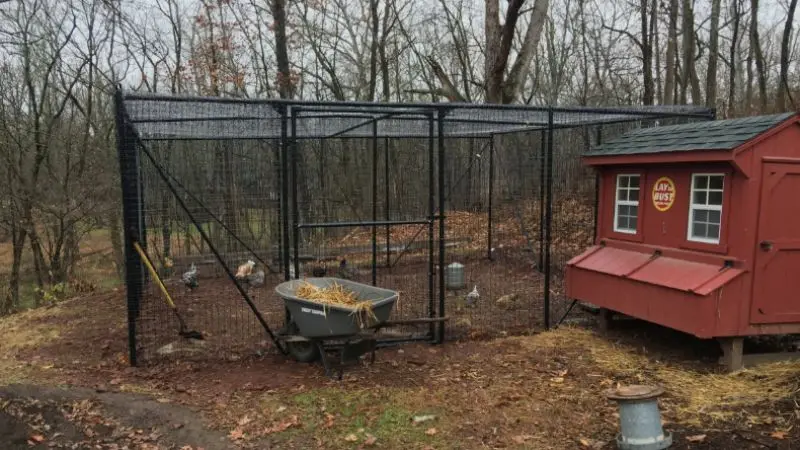
Prima di scegliere una recinzione, è importante capire che rappresenta la principale barriera protettiva per i vostri polli. Un buon materiale è resistente, ben selezionato e tiene lontani i predatori, minimizzando i rischi e rendendo la vostra struttura più affidabile nel tempo. Il prezzo non è l'unico fattore da considerare; la sicurezza e la durata devono sempre essere al primo posto. Di seguito viene fornito un confronto di base tra i materiali più comuni per le recinzioni.
Sapremo quale di questi è il migliore per il vostro pollaio.
Confronto tra rete metallica per pollame, rete elettrosaldata e rete metallica a maglie strette.
La sicurezza del pollaio è spesso la prima domanda che si pongono molti allevatori di polli, poiché rappresenta la principale preoccupazione durante la costruzione di un pollaio.
- La rete metallica per pollame è leggera e relativamente economica, ma non efficace come protezione contro i predatori.
- Il filo saldato è più stabile e resistente, ma presenta dei punti deboli.
- La maggior parte dei pollai da cortile può essere utilizzata panno hardware poiché è il più sicuro e il più resistente.
La rete metallica per pollame non serve a tenere lontani i predatori, ma piuttosto a tenere i polli all'interno dell'area. Generalmente è preferibile utilizzare una rete elettrosaldata, sebbene gli animali più determinati possano comunque romperla. La recinzione dei pollai viene tradizionalmente realizzata con rete metallica a maglie strette, grazie alla sua fitta trama e alla resistenza ai predatori di piccole e grandi dimensioni.
La migliore recinzione per la protezione dai predatori
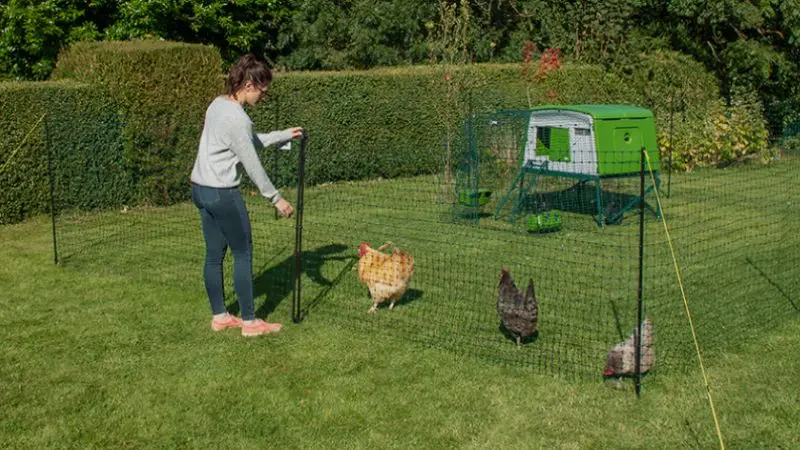
Quando le persone cercano la migliore recinzione da utilizzare per un pollaio al fine di tenere lontani i predatori, molto probabilmente cercano di evitare danni causati da animali come volpi, procioni o cani randagi.
Panno hardware La rete elettrosaldata è la più protettiva perché i suoi piccoli fori sono estremamente difficili da penetrare per gli animali. Può essere utilizzata in zone a basso rischio e offre una protezione media. La rete per pollame offre la protezione minore e non è molto stabile in aree ricche di predatori.
La scelta del materiale dovrebbe basarsi sul livello di rischio presente nella vostra zona, ma più a lungo si utilizza la recinzione, maggiore sarà la sua sicurezza.
Vantaggi e svantaggi di ogni tipo di recinzione
Quando si scelgono recinzioni economiche e resistenti per il pollaio del giardino, bisogna valutare il rapporto qualità-prezzo.
La rete metallica per pollame è economica e facile da installare, ma si usura molto rapidamente e non è abbastanza resistente per tenere lontani i predatori. La rete elettrosaldata è più robusta e resistente all'usura, quindi adatta per l'uso in un cortile generico. La rete metallica a maglia fine è la più affidabile, durevole e protettiva, sebbene sia più costosa.
Nelle cooperative più grandi, i singoli individui spesso mescolano materiali diversi per trovare un equilibrio tra budget e sicurezza.
La soluzione migliore per una durata nel tempo.
Quando si impara a installare una recinzione per pollaio passo dopo passo, è necessario considerare non solo l'installazione iniziale, ma anche la durata nel tempo.
La rete metallica a maglie strette è preferibile per un utilizzo a lungo termine perché rimane tesa nel tempo e fornisce una protezione uniforme. Per le parti esterne o meno delicate, si possono utilizzare parti saldate, mentre la rete metallica a maglie strette deve essere utilizzata solo per le parti interne più leggere.
Con una buona installazione a livello del terreno, materiali di qualità e un fissaggio adeguato, si ottiene una recinzione per pollaio robusta e durevole, che richiede pochissima manutenzione.
@frankbrooks8 Il pollaio di @Vevor Store US sarà divertentissimo e facilissimo da assemblare. #pollaio #polli #vevor #vita di campagna #offerteautunnaliTiktokShopperte
♬ suono originale – FrankzFindz
Attrezzi e materiali necessari per la recinzione del pollaio
Prima di iniziare il progetto di recinzione, è consigliabile preparare tutti gli attrezzi e i materiali necessari. Questo permette di risparmiare tempo, ridurre al minimo gli errori e semplificare notevolmente l'installazione. Una preparazione adeguata consente inoltre di costruire un recinto più robusto e sicuro per i vostri polli. L'elenco seguente fornisce una panoramica di base di tutto ciò che potrebbe servirvi, inclusi gli attrezzi principali e gli optional.
Procederemo un passo alla volta per assicurarci che nulla di importante venga trascurato.
Attrezzi di base necessari per installare la recinzione del pollaio
Per farlo bene, non servono attrezzi molto sofisticati, ma quelli di base appropriati sono indispensabili per una costruzione robusta e sicura. Questi strumenti vi aiuteranno a riparare, tendere e fissare la recinzione.
Gli strumenti comuni includono:
- Utilizzare un martello per piantare chiodi o graffette.
- Pinze per piegare e stringere i fili.
- Graffette metalliche da utilizzare con pali di legno.
- Pali di legno o metallo per sostenere la struttura.
Nella maggior parte dei casi, i sistemi di recinzione per pollai da giardino sono sufficienti con questi strumenti. L'utilizzo di strumenti adeguati garantisce che la recinzione non si allenti nel tempo.
Materiali necessari per una recinzione robusta per il pollaio
Gli strumenti sono importanti quanto la scelta del materiale. La scelta del materiale per la recinzione determinerà il livello di sicurezza dei vostri polli contro i predatori e altre minacce esterne.
I materiali principali includono:
- Area di recinzione di base: rete metallica per pollame.
- Maggiore protezione generale grazie alla rete metallica saldata.
- Tessuto metallico per aree ad alta sicurezza.
Molte persone utilizzano materiali più resistenti quando la sicurezza è la loro priorità, dopo aver valutato la rete metallica per pollame e la rete a maglie strette per determinare quale sia più sicura. La rete a maglie strette viene in genere utilizzata intorno al terreno o nelle zone più vulnerabili, poiché i predatori tendono a scavare o a infilarsi attraverso i fori.
Dispositivi di sicurezza che dovresti utilizzare
Quando si lavora con fili e utensili taglienti, la sicurezza non va mai trascurata. Gli infortuni durante la fase di installazione possono essere evitati anche con semplici dispositivi di protezione.
Le attrezzature di sicurezza da utilizzare includono:
- Guanti da lavoro protettivi per evitare il contatto con i bordi taglienti dei fili.
- Protezione per gli occhi (occhiali di sicurezza) per prevenire lesioni oculari durante il taglio dei fili.
- Calzature protettive con punta chiusa.
Questi piccoli accorgimenti vi permetteranno di lavorare in sicurezza e comodità durante la costruzione del vostro sistema di recinzione.
Aggiornamenti opzionali per una protezione extra
Se desideri portare il tuo impianto a un livello superiore, sono disponibili alcuni aggiornamenti opzionali che possono migliorarne la sicurezza e la durata. Non sono sempre necessari, ma risultano utili in luoghi a rischio.
Tra gli aggiornamenti utili si annoverano:
- Rete sul tetto per prevenire gli attacchi dei rapaci.
- È stata aggiunta una recinzione elettrica per dissuadere i predatori.
- Rete metallica aggiuntiva per il terreno per impedire agli animali di scavare.
Queste aggiunte sono comuni tra chi alleva polli in giardino e installa recinzioni economiche e resistenti intorno ai pollai per aumentarne la sicurezza senza dover ricostruire l'intera struttura.
Tali aggiunte migliorerebbero drasticamente la sicurezza, soprattutto nei luoghi più frequentati dai predatori.
Come progettare una recinzione sicura per un pollaio
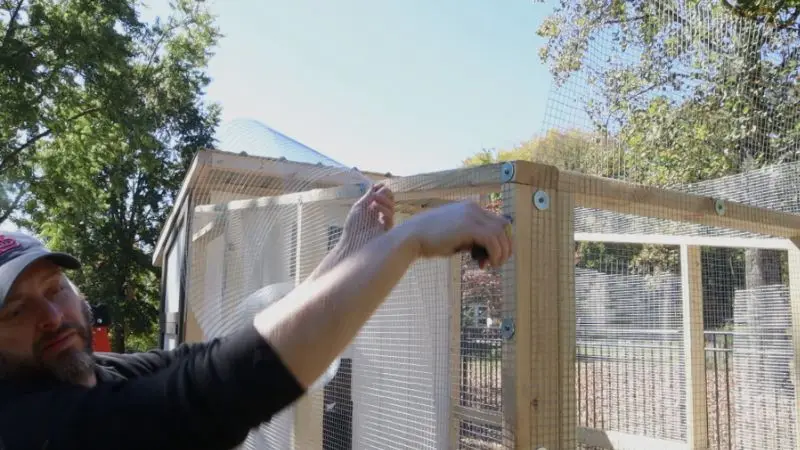
Uno dei passaggi più importanti prima di iniziare a costruire la recinzione è pianificarne la disposizione. Una pianificazione adeguata può farvi risparmiare denaro evitando errori, ottimizzando l'utilizzo dei materiali e garantendo ai polli un ambiente sicuro e confortevole. Inoltre, riduce al minimo i punti deboli che potrebbero essere sfruttati dai predatori. La pianificazione della disposizione rende l'intero processo di installazione più semplice e organizzato.
Procederemo passo dopo passo in modo semplice e diretto, permettendoti di creare un'installazione potente ed efficiente.
Misura lo spazio disponibile nel tuo giardino per la recinzione del pollaio.
Il primo passo è stimare lo spazio disponibile nel vostro giardino. Questo vi aiuterà a determinare le dimensioni che potete permettervi per il pollaio e il recinto delle galline. Misurate con precisione lunghezza e larghezza per evitare problemi di installazione futuri. È inoltre necessario lasciare un po' di spazio tra la recinzione e lo spazio necessario per spostarla e mantenerla. La misurazione è particolarmente utile nella progettazione della recinzione di un pollaio, in quanto aiuta a stimare i materiali necessari ed evitare sprechi.
Decidere le dimensioni del pollaio e del recinto esterno.
Una volta misurato lo spazio, il passo successivo è determinare le dimensioni del pollaio e del recinto. Il pollaio è generalmente più piccolo, poiché viene utilizzato per dormire e nidificare, mentre il recinto è più ampio, consentendo alle galline di muoversi liberamente durante il giorno. Dimensioni adeguate contribuiranno alla salute e alla riduzione dello stress delle galline. Inoltre, vi aiuteranno a gestire il budget, soprattutto se cercate materiali economici e resistenti per la recinzione del vostro pollaio. Le dimensioni devono essere studiate in modo da evitare il sovraffollamento e semplificare la gestione quotidiana.
Delimitare chiaramente i confini della recinzione prima dell'installazione.
Dopo aver determinato le dimensioni, il passo successivo è segnare con precisione il perimetro della recinzione. Questo è importante perché garantisce la linearità della struttura ed evita errori durante l'installazione. Per segnare angoli e bordi si utilizzano semplici paletti di legno e una corda. Controllate tutto due volte prima di procedere. Questo passaggio è molto utile quando si impara a installare una recinzione per pollaio passo dopo passo, poiché delimita chiaramente ogni punto, evitando errori e assicurando una forma corretta.
Progetta cancelli e punti di accesso per recinzioni facili da usare
L'ultimo aspetto della pianificazione del pollaio consiste nel determinare la posizione dei cancelli e dei punti di accesso. Questo perché li aprirete quotidianamente per nutrire le galline, pulirle e raccogliere le uova. I cancelli devono essere installati in posizioni comode e sufficientemente ampi da consentire il libero movimento. Devono inoltre essere robusti e sicuri per impedire l'intrusione dei predatori. A questo punto, una buona pianificazione aumenta la sicurezza e favorisce l'utilizzo della recinzione più adatta per un pollaio, in quanto i cancelli deboli rappresentano solitamente la via d'accesso più facile per gli animali.
Guida passo passo per installare correttamente la recinzione del pollaio
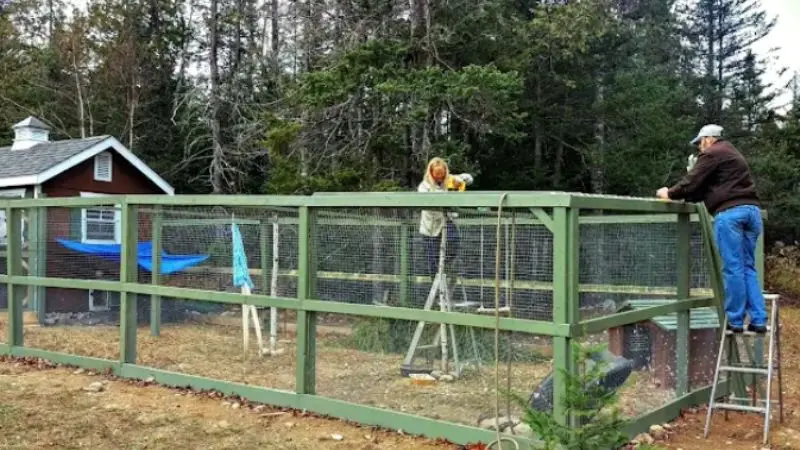
Il passo più importante è l'installazione della recinzione, poiché anche i materiali migliori non funzioneranno correttamente se non installati a regola d'arte. Un'installazione solida può aiutare a tenere lontani i predatori, ridurre le fessure e prolungare la durata dell'intera struttura. A patto di seguire i passaggi giusti, è possibile creare un recinto sicuro e stabile che proteggerà i vostri polli quotidianamente.
Analizzeremo l'intero processo passo dopo passo, in modo informale e pratico.
Passaggio 1: Installare pali di recinzione robusti per garantire la stabilità
L'installazione di pali robusti per il sistema di recinzione del pollaio è il primo passo per creare una struttura solida. Questi pali fungono da pilastri e devono essere piantati nel terreno in modo profondo e stabile. È importante distanziarli uniformemente per garantire che la recinzione non si pieghi o si allenti nel tempo. Prima di procedere, assicurarsi che ogni palo sia dritto e ben fissato. L'installazione di pali deboli può rendere instabile l'intera recinzione, soprattutto in presenza di forti pressioni o vento.
Passaggio 2: Fissare saldamente il telaio inferiore
Dopo aver posizionato i pali, si dovrebbe fissare la struttura di base. Questa struttura unisce i pali e fornisce alla base la solidità necessaria. Serve anche a mantenere la recinzione tesa e dritta. La struttura di base deve essere fissata vicino al terreno in modo che non ci siano spazi vuoti al di sotto. Quando si pianifica l'installazione passo passo della recinzione del pollaio, una base robusta è particolarmente importante, poiché la maggior parte degli attacchi dei predatori inizia sotto il recinto.
Fase 3: Installare correttamente il materiale della recinzione
Una volta preparato il telaio, puoi iniziare ad aggiungere il materiale di recinzione. Questo passaggio determinerà il livello di sicurezza del tuo pollaio, quindi è importante installarlo con attenzione. Tira il filo lungo il telaio in modo teso, senza lasciare estremità libere. Rete metallica per pollame contro rete metallica a maglie strette: è qui che la differenza sarà più significativa, poiché materiali più resistenti come panno hardware sono più sicure e offrono maggiore protezione e copertura. La recinzione deve essere sempre dritta per evitare punti deboli.
Passaggio 4: Fissare angoli e giunture per una maggiore resistenza
Le zone più vulnerabili di qualsiasi recinzione sono gli angoli e le giunture; è quindi fondamentale prestare particolare attenzione a queste aree. Rinforzatele adeguatamente per evitare piegature o fessure. Aggiungete ulteriori elementi di fissaggio o supporti dove necessario per garantire la solidità della struttura nel tempo. Un sistema di fissaggio angolare efficace aumenta la durata e consente di realizzare recinzioni economiche e di lunga durata, ideali per i pollai da cortile, riducendo al minimo le future necessità di riparazione. Giunture robuste aiutano inoltre la recinzione a resistere alla pressione esercitata dagli animali che tentano di forzarla o scavare.
Passaggio 5: Aggiungere una base a prova di predatori per la protezione del terreno
L'ultima e più importante misura consiste nel proteggere la parte inferiore della recinzione. La maggior parte dei predatori tenta di scavare sotto la recinzione; pertanto, quest'area dovrebbe essere rinforzata. La rete può essere interrata per alcuni centimetri o ripiegata verso l'esterno lungo il terreno per impedire lo scavo. Questo è uno dei passaggi importanti nella scelta della recinzione più adatta da utilizzare nel pollaio per tenere lontani i predatori, poiché anche una recinzione robusta può risultare inefficace se il terreno non è ben ancorato. Un terreno stabile garantisce una vita sicura e tranquilla.
Come rendere la recinzione del tuo pollaio completamente a prova di predatori
Una buona recinzione non è semplicemente alta o fatta di acciaio, ma deve impedire ai predatori di individuare un punto debole. Animali come volpi, procioni, cani e persino serpenti tenteranno di scavare sotto, forzare o entrare attraverso i cancelli. Anche i materiali di alta qualità possono deteriorarsi se la recinzione non è adeguatamente rinforzata. Per questo motivo, la protezione contro i predatori è un'importante misura da adottare come ultimo passo dopo l'installazione.
Impariamo come proteggere al meglio il vostro pollaio dalle minacce più comuni.
Proteggere la recinzione dagli animali che scavano
La maggior parte dei predatori non tenta di scavalcare la recinzione, ma si insinua sotto di essa. È uno dei metodi più comuni di attacco ai polli. Per evitare questo, la parte inferiore della recinzione dovrebbe essere ben fissata e interrata nel terreno.
Una recinzione efficace per un pollaio deve sempre includere una protezione del terreno, poiché gli animali che scavano tane sono implacabili e molto attivi di notte. Recinzioni alte sono inutili senza questo accorgimento; si riveleranno inefficaci nel tempo.
Aggiungere filo interrato o recinzione a grembiule per la sicurezza del terreno
Interrare del filo spinato o una barriera a forma di grembiule attorno alla base della recinzione è uno dei metodi migliori. Questo crea uno scudo invisibile che impedisce agli animali di scavare sotto la struttura.
I metodi comuni includono:
- Coprire la rete metallica con almeno qualche centimetro di terra.
- Tendenzialmente allungando il filo verso l'esterno sul terreno, come un grembiule.
- Sigillarlo con terra, ghiaia o pietre per fornire una protezione aggiuntiva.
Questo sistema è particolarmente efficace con le migliori recinzioni per pollai, in quanto protegge dalle strategie dei predatori impedendo l'ingresso degli animali prima che raggiungano l'interno del pollaio.
Rinforzare i punti deboli della struttura della recinzione
Tutte le recinzioni hanno punti deboli e i predatori imparano presto a individuarli. In genere si tratta di angoli, fili allentati e punti in cui la recinzione si unisce a pali o porte.
Per rinforzare tali punti, assicurarsi che tutti i giunti siano avvitati saldamente e che non vi siano spazi vuoti. Una maggiore stabilità agli angoli e ai bordi aumenta la solidità e riduce al minimo i danni a lungo termine. Questo è particolarmente importante quando si utilizzano materiali di recinzione economici e robusti, come quelli impiegati per costruire un pollaio da giardino, poiché tali materiali solitamente richiedono un supporto aggiuntivo per essere efficaci.
Una struttura adeguatamente rinforzata in modo che i predatori non siano in grado di spingere, piegare o infilarsi attraverso i punti deboli.
Installare sistemi di chiusura robusti per i cancelli.
I predatori usano più comunemente i cancelli come punti di accesso, soprattutto quando non sono chiusi a chiave in modo adeguato. Un procione o un cane possono facilmente entrare anche attraverso una piccola apertura o un chiavistello.
Un sistema di chiusura efficace deve essere:
- Abbastanza potente da resistere a stress o tensioni.
- Difficile da aprire o manipolare da parte degli animali.
- Usura e danni vengono controllati regolarmente.
Nel processo di apprendimento di come installare una recinzione per pollaio passo dopo passo, la sicurezza del cancello non deve mai essere trascurata, poiché nella maggior parte dei casi rappresenta il punto di accesso più facile per i predatori. Un sistema di protezione efficace include un cancello correttamente chiuso a chiave che tenga al sicuro i polli sia di giorno che di notte.
Analisi dei costi per la costruzione di una recinzione per il pollaio.
È importante comprendere il costo della recinzione prima di iniziare il progetto. I prezzi possono variare in base alla qualità dei materiali, alle dimensioni del pollaio e al tipo di protezione desiderata. Con una buona pianificazione del budget, non sarà necessario spendere una fortuna e si potrà garantire la sicurezza dei propri polli. Sia con una configurazione base che con un design a prova di predatori, è facile calcolare la ripartizione dei costi di ciascun sistema per poter prendere la decisione migliore.
Analizzeremo le tue probabili spese e come spenderle con saggezza.
Costi stimati dei materiali per la recinzione del pollaio
Il prezzo complessivo sarà influenzato principalmente dal tipo di materiale della recinzione, dai pali e dalle misure di sicurezza aggiuntive. Le installazioni semplici sono meno costose, mentre quelle robuste e a prova di predatori sono più costose.
Il costo medio varia tra:
- Le soluzioni di base per il contenimento sono generalmente semplici, come ad esempio una rete metallica per pollame, e sono anche le più economiche.
- Il filo saldato è più costoso, ma offre resistenza e durata superiori.
- Panno hardware è la più costosa, ma offre la massima protezione.
La scelta del materiale è il fattore più importante che incide sul costo complessivo nella progettazione di una recinzione per il pollaio. Anche altre spese, come pali, elementi di fissaggio e cancelli, contribuiscono al budget totale e, pertanto, è opportuno considerarle fin dall'inizio del calcolo.
Opzioni di recinzione economiche vs. opzioni di recinzione premium
Le recinzioni economiche e quelle di alta gamma sono nettamente diverse. I piccoli allevamenti di pollame in aree a basso rischio dovrebbero essere dotati di una protezione economica e di lunga durata, poiché un'elevata pressione dei predatori richiede una recinzione di qualità superiore.
Le recinzioni economiche sono generalmente realizzate con fili metallici di base e semplici pali di legno. Non sono molto costose e potrebbero richiedere interventi di manutenzione. Le recinzioni di qualità superiore, invece, utilizzano materiali più resistenti, come la rete metallica e pali rinforzati, che offrono maggiore durata e sicurezza.
Quando si tratta di scegliere tra una recinzione economica e una resistente da utilizzare come pollaio per il giardino, molti mettono a confronto le due alternative. La scelta giusta dipenderà dalla posizione geografica, dal rischio di predatori e dagli obiettivi a lungo termine.
Modi per risparmiare denaro senza compromettere la sicurezza
È possibile ridurre i costi senza compromettere la sicurezza, a patto di pianificare attentamente. Decisioni sagge possono aiutarvi a creare un buon pollaio a basso costo.
Tra i metodi pratici per risparmiare si annoverano:
- Solo le aree ad alto rischio, come la base e gli angoli, dovrebbero essere rinforzate con materiali più resistenti.
- Utilizzo di materiali di buona qualità in progetti precedenti.
- Acquistare materiali in grandi quantità al fine di ridurre il costo unitario.
- Trovare il giusto equilibrio tra budget e materiali di alta qualità.
Il fattore più importante da considerare quando si cerca di risparmiare è la sicurezza, soprattutto nella scelta della recinzione più efficace per proteggere il pollaio dai predatori. Una strategia oculata in termini di budget è il modo migliore per mantenere il pollaio al sicuro e a un costo contenuto.
Wrap-Up
Il segreto per costruire un bel pollaio Una recinzione robusta è il risultato di una pianificazione intelligente, della scelta dei materiali giusti e di una corretta installazione. Con una recinzione solida, punti deboli e una protezione del terreno, i vostri polli saranno al sicuro dalla maggior parte dei predatori. Anche con un budget limitato, è possibile realizzare una recinzione affidabile, concentrandosi sugli aspetti di sicurezza principali piuttosto che lesinare sulla qualità. La manutenzione regolare e le piccole riparazioni contribuiscono alla durata della recinzione. Un sistema robusto non solo protegge il vostro allevamento, ma vi offre anche la tranquillità necessaria!
FAQ
Qual è la recinzione più sicura per un pollaio?
La rete metallica a maglie strette è la più sicura da usare poiché contiene un'elevata quantità di metallo e fori minuscoli che impediscono il passaggio della maggior parte dei predatori.
La rete metallica per pollame terrà lontani i predatori?
La rete metallica per pollame non è abbastanza resistente da proteggere dai predatori ed è utile solo per tenere i polli in un recinto sicuro.
Devo spendere molti soldi per la recinzione?
Non sempre. È possibile combinare materiali e intervenire sui punti deboli per creare un'installazione sicura, a un costo maggiore.