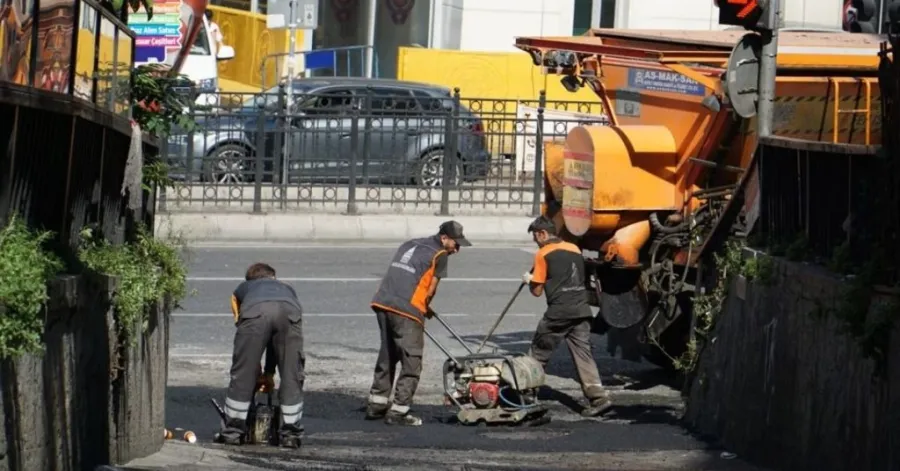
Prima di tutto, ti serve una base solida. Costruisci strade, case o mura su di essa. Compattazione del terreno spreme aria e acqua. Questo rende il terreno molto più resistente. Una cattiva compattazione del terreno causa grossi problemi: il terreno si sposta e si crepa facilmente. Gli edifici possono crollare senza preavviso. Terreni diversi richiedono metodi diversi. I terreni coesivi includono argilla e limo. Hanno bisogno di essere martellati o impastati energicamente. Questo rompe i legami del terreno. I terreni granulari includono sabbia e ghiaia. Hanno bisogno di essere scossi velocemente per assestarli. compattazione del suolo Utilizza vibrazioni rapide. Questo riempie gli spazi vuoti molto velocemente.
Quali attrezzature si usano per compattare il terreno? Scegliete con molta attenzione l'attrezzatura di compattazione. Considerate il tipo di terreno e il suo livello di umidità. Valutate le dimensioni del lavoro da svolgere. La macchina sbagliata comporta uno spreco di tempo e carburante. Oggi, scoprite 10 tipi principali di compattatori. Scoprite subito i loro utilizzi principali. Ogni macchina ha una funzione specifica. Un piccolo compattatore a piastra funziona bene. Anche un grande rullo vibrante per terreno è efficace. L'attrezzatura di compattazione del terreno giusta garantisce ottimi risultati.
Sommario
10 tipologie essenziali di attrezzature per la compattazione del terreno
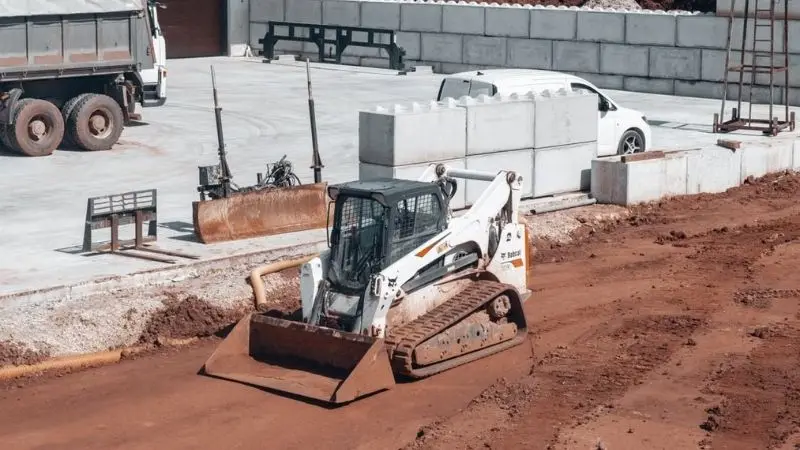
Le varie modalità di compattazione Questi strumenti sono adatti a diverse condizioni del terreno e dimensioni di progetto. Ghiaia e sabbia sono più indicate per la compattazione con piastra vibrante e a piastra vibrante, mentre i compattatori a percussione, i rulli a pistone e i rulli a piede di pecora sono più adatti per terreni argillosi e coesivi. I rulli e le compattatrici a trincea sono ideali per grandi cantieri e trincee profonde. La scelta dell'attrezzatura di compattazione appropriata contribuisce a garantire un'adeguata densità del terreno, stabilità e resistenza complessiva delle fondamenta.
Consigliato per il tuo progetto
compattatore piastra
Un attaccante compattatore a piastre Viene spinta su un percorso di ghiaia liscia. Questa piastra vibrante è progettata per semplici pressature piane. La base di questa piastra vibrante è una pesante piastra d'acciaio. La piastra vibrante anteriore viene spinta su strati sottili. Come si compatta il terreno con una piastra vibrante? La piastra vibrante anteriore è facile da usare per compattare terreni granulari. Il principio alla base del funzionamento della piastra vibrante è che ha una pesante piastra d'acciaio che vibra ad altissima frequenza. Queste vibrazioni spingono l'aria tra le particelle di terreno mentre la macchina rotola sulla superficie del terreno. Le particelle si avvicinano, rendendo il terreno più solido e stabile. Una superficie più compatta avrà una minore tendenza a cedere o spostarsi in seguito dal cantiere, riducendo al minimo crepe e superfici irregolari. Una compattazione uniforme del terreno crea una superficie piana e distribuisce il peso in modo più efficace.
Compattatore a piastra vibrante
Una piastra vibrante compattatrice aggiunge potenza di vibrazione ad alta frequenza. Questa piastra vibrante compattatrice è una compattatrice di sabbia a rapida sedimentazione. La tua azienda utilizza una piastra vibrante idraulica per basi di vialetti profonde. Cosa fa l'attrezzatura per la compattazione del terreno? L'aria viene espulsa dalla pesante piastra vibrante idraulica. Le piastre vibranti sono adatte per compattare terreni granulari. Le piastre lisce appiattiscono la sabbia superficiale. Questo può aiutare l'utente a creare una buona base per costruzioni esterne, paesaggistica, pavimentazione e altre applicazioni. Vibrante compattatori a piastre Il loro principale vantaggio risiede nel sistema di vibrazione. La macchina non si limita a toccare terra, ma vibra ad altissima frequenza mentre si sposta sul terreno. Queste vibrazioni espellono l'aria e compattano le particelle di terreno, rendendo la superficie solida e stabile, in grado di sopportare pesi senza cedimenti o spostamenti nel tempo.
Compattatore Jumping Jack
Un compattatore a percussione viene utilizzato in terreni argillosi e appiccicosi. Questo compattatore viene utilizzato per battere il terreno con forza. Il terreno bagnato viene facilmente frantumato quando si utilizza un compattatore a percussione. Scegli un compattatore a percussione ad alto impatto. Tutti i compattatori a percussione forniscono un buon sollevamento. Questo compattatore a percussione viene utilizzato per compatto Trincee di servizio strette e profonde. Come compattare il terreno? Funziona muovendosi ripetutamente su e giù e applicando un colpo con un piede d'acciaio stretto. Questo rapido movimento verticale genera un'elevata forza d'impatto che compatta le particelle di terreno. Un compattatore a martinetto è una macchina compattatrice che compatta il terreno appiccicoso attraverso colpi ripetuti, a differenza dei compattatori a piastra che si basano principalmente sulle vibrazioni per la compattazione. Questo lo rende ideale per lavori di trincea, argilla umida e altri compiti impegnativi. L'uso di un compattatore a martinetto è anche più vantaggioso in termini di sicurezza durante i lavori di costruzione.
Rullo a tamburo liscio
Si utilizza un rullo a tamburo liscio per livellare i nuovi sottofondi. Questo rullo a tamburo liscio crea un terreno pianeggiante. Le attrezzature per la compattazione del terreno sono macchinari utilizzati per compattare il terreno. Cos'è un'attrezzatura per la compattazione del terreno? I rulli pesanti completano gli strati di terreno. Questo compattatore da costruzione è un tipico esempio di attrezzatura utilizzata. È possibile livellare le aree irregolari in pochissimo tempo con i rulli pesanti. Questo aiuta gli utenti a preparare un'area che supporterà strade, parcheggi, fondamenta di edifici, ecc., senza danni. Il vantaggio principale di un rullo a tamburo liscio è che può compattare aree molto più ampie in un tempo relativamente breve. L'ampio tamburo in acciaio può compattare grandi aree di terreno in un minor numero di passaggi rispetto alle macchine più piccole che coprono solo un'area limitata. Ciò consente di risparmiare tempo e manodopera, il che è consigliato per la costruzione di autostrade, piste aeroportuali, progetti industriali e grandi progetti commerciali.
Rullo vibrante per terreno
Un rullo vibrante per terreno è una macchina utilizzata per progetti di costruzione stradale di grandi dimensioni. Questo tipo di rullo vibrante vibra per rilasciare il materiale di base ghiaioso. Le operazioni di compattazione pesante del terreno vengono completate rapidamente con un rullo a operatore a bordo. Strati spessi possono essere compattati rapidamente utilizzando rulli di grandi dimensioni. Strati spessi possono essere spinti verso il basso rapidamente con rulli di grandi dimensioni. Qual è il tipo di compattatore migliore per compattare il terreno?
Nel frattempo, le particelle di terreno vengono messe in agitazione dal meccanismo di vibrazione integrato. Queste vibrazioni espellono l'aria intrappolata e permettono alle particelle di compattarsi saldamente, creando una base solida che durerà per anni. Questo sistema è particolarmente efficace per terreni granulari come sabbia, ghiaia e pietrisco, che rispondono bene alle vibrazioni, poiché le particelle sciolte possono spostarsi nello spazio. Quando compattatoIn questo modo, il terreno acquisirà maggiore resistenza e stabilità. Ciò ridurrà al minimo il rischio di futuri cedimenti, spostamenti o fessurazioni a seguito del progetto di costruzione.
Rullo a piede di pecora
Per i terreni argillosi compatti sono necessari tipi speciali di compattatori. I rulli a zampa di pecora sono realizzati con pomelli in acciaio massiccio. Questi rulli hanno pomelli che vengono utilizzati per frantumare il terreno appiccicoso. Come funziona un'attrezzatura per la compattazione del terreno? Gli strati di terreno umido si prestano bene alla compattazione con macchinari pesanti. Poiché l'argilla è appiccicosa e trattiene l'aria, non è facile lavorarla con rulli lisci. La ripetuta compressione del terreno da parte dei piedini metallici di un rullo a zampa di pecora compatta il terreno e sminuzza i grumi. Questo elimina le sacche d'aria, rendendo la superficie più resistente e stabile, quindi meno soggetta a movimenti o cedimenti futuri. Questa caratteristica offre anche un vantaggio agli operatori, consentendo una compattazione profonda. Una macchina con piedini rialzati può distribuire il suo peso su aree più piccole, il che può aiutare a comprimere gli strati più profondi del terreno.
Rullo per pneumatici
Utilizzare rulli pneumatici per sigillare e creare sottofondi. Molti pneumatici in gomma allentano il materiale. Questi rulli lisci con ruote vengono utilizzati per livellare la superficie dei terreni soffici. Quale attrezzatura viene utilizzata per compattare il terreno? Gli strati superficiali compatti vengono formati da grandi macchine compattatrici. Un rullo con pneumatici offre il massimo vantaggio garantendo una compattazione efficace e uniforme. Una livella con cerchio in gomma distribuisce il peso della macchina.
Nel frattempo, ogni pneumatico si adatta alle piccole variazioni della superficie e alle asperità. Ciò elimina le aree deboli e fornisce una densità uniforme in tutta l'area di lavoro. Più compattato Più la superficie è liscia, meno soggetta sarà a crepe o cedimenti dopo la costruzione. Un rullo con pneumatici è adatto per lavorare diversi materiali. Viene spesso utilizzato per compattare sabbia, ghiaia, pietrisco e terreni misti.
Rullo Padfoot
I moderni tipi di compattatori vengono scelti per terreni misti. I compattatori a piedi di pecora utilizzano tasselli a blocchi. Questa macchina compattatrice viene utilizzata per compattare spessi strati di argilla. La macchina pesante espelle rapidamente l'acqua. Un rullo a piedi di pecora contribuisce anche ad aumentare la qualità della costruzione. Qual è il metodo migliore per compattare il terreno? Una strada, un parcheggio, un muro di contenimento o una fondazione di un edificio ben compattati saranno meglio supportati. ben compattato Le fondamenta riducono al minimo crepe, cedimenti differenziali e danni strutturali dopo la costruzione. Ciò garantisce che l'intero progetto sia più stabile e sicuro fin dall'inizio. Il rullo compattatore a piedi di pecora è molto efficace anche nei grandi cantieri. È dotato di un grande tamburo che può compattare efficacemente ampie superfici, riducendo i tempi necessari per completare lavori di grandi dimensioni.
Compattatore a pestello
I piccoli compattatori vengono utilizzati in aree in cui è richiesto un lavoro preciso. Il terreno coesivo viene compattato utilizzando una macchina compattatrice manuale. I compattatori portatili possono raggiungere facilmente aree ristrette. La macchina compatta rompe blocchi di argilla resistenti. Appositamente formulata per terreni coesivi come argilla, limo e terreno umido. Come si usa un compattatore di terreno? La macchina è dotata di un piede d'acciaio stretto che colpisce costantemente il terreno, formando una base solida e stabile. Questo la rende un'ottima opzione per progetti in spazi ristretti come trincee, lavori di fondazione, installazioni di servizi e altro ancora. La macchina funziona attraverso una serie di movimenti rapidi e veloci verso l'alto e verso il basso. Ha un peso elevato. compattazione piede che comprime ripetutamente le particelle di terreno con molta forza. Questo impatto espelle l'aria intrappolata e fornisce una base compatta e stabile.
Rullo scavatore
Le attrezzature per la compattazione del terreno possono essere utilizzate in sicurezza in trincee profonde, anche lavorando a distanza. I rulli compattatori proteggono gli operatori che lavorano intorno alla trincea. Questi rulli intelligenti riempiono rapidamente le trincee per tubi. Molti rulli compattatori sono pesanti e vibrano intensamente, garantendo un'eccellente compattazione. Cosa si intende per attrezzatura per la compattazione del terreno? I rulli della macchina compattano il terreno mentre passano attraverso la trincea e lo fanno vibrare per espellere l'aria e comprimere le particelle di terreno. Questo crea una base stabile e compatta per strade, marciapiedi, edifici e altre strutture sopra la trincea. Seleziona la compattazione attrezzature adatte al lavoro per garantire il successo del progetto. Diversi tipi di macchinari sono necessari in diversi cantieri. La ghiaia si compatta rapidamente con piastre pesanti. Quella macchina vibra rapidamente. Tutti gli strumenti creano aree più dense.
Come scegliere l'attrezzatura giusta per la compattazione del terreno
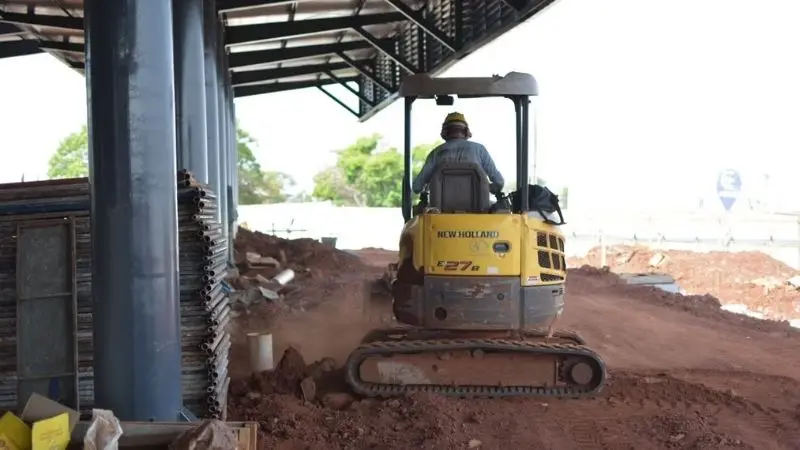
Il tipo di compattazione del terreno La scelta dell'attrezzatura dipende dal tipo di terreno, dalle dimensioni del progetto, dalla profondità di compattazione e dallo spazio di lavoro disponibile. Le piastre vibranti sono ideali per sabbia e ghiaia, mentre i compattatori a percussione e i rulli a piede di pecora sono adatti per terreni argillosi e coesivi. Per i cantieri di grandi dimensioni, i rulli di grandi dimensioni sono i più indicati, mentre per i cantieri più stretti sono preferibili i rulli compatti. Scegliere l'attrezzo giusto per il lavoro garantirà una migliore qualità di compattazione, un risparmio di tempo e una base più solida.
Considera il tipo di terreno
Per i diversi tipi di terreno sono necessari metodi diversi. La sabbia richiede vibrazioni elevate. Strati sottili vengono fissati con una piastra vibrante anteriore. Questo favorisce una buona compattazione del terreno granulare. Quale attrezzatura viene utilizzata per comprimere il terreno? La sabbia profonda viene compattata con una piastra vibrante idraulica. I terreni coesivi tendono ad essere appiccicosi quando bagnati, il che richiede una forte battitura. Una macchina a percussione batte sull'argilla bagnata. Questo percussione espelle l'aria intrappolata. Rulli lisci livellano lo strato superficiale del terreno. Rulli a piede di pecora rompono il fango profondo. Selezionare i macchinari in base al terreno. Ciò comporterà un terreno più pesante. I vari terreni reagiscono in modo diverso alla compattazione. Ciò che funziona sulla sabbia non funziona sull'argilla. Conoscere la composizione del terreno prima di intraprendere un progetto consentirà all'utente di scegliere l'attrezzatura di compattazione più appropriata, garantire il miglior risultato ed evitare costosi errori.
Considera le dimensioni del progetto
Per piccoli lavori edili sono necessari attrezzi compatti. Utilizzare una piastra vibrante per i vialetti. I compattatori leggeri sono una buona scelta per piccoli lavori. Qual è l'attrezzatura migliore per compattare il terreno? Una piccola piastra vibrante compattatore Comprimerà il terreno in pochissimo tempo. Per i lavori stradali di grandi dimensioni sono necessari strumenti di grandi dimensioni. Il rullo vibrante per terreni è un metodo di copertura molto rapido per le autostrade. I rulli pesanti compattano aree ampiamente distanziate. Le dimensioni dell'attrezzatura sono commisurate alle dimensioni del progetto per una maggiore produttività. I compattatori di piccole dimensioni sono adatti per lavori di precisione, mentre i rulli di grandi dimensioni sono adatti per operazioni rapide e continue. La macchina giusta può aiutare gli operai a completare i progetti in modo tempestivo ed efficiente, senza inutili ritardi. Gli appaltatori possono rispettare le scadenze dei progetti e ridurre i costi. La macchina giusta può aiutarvi a raggiungere efficienza e convenienza.
Considerare la profondità di compattazione richiesta
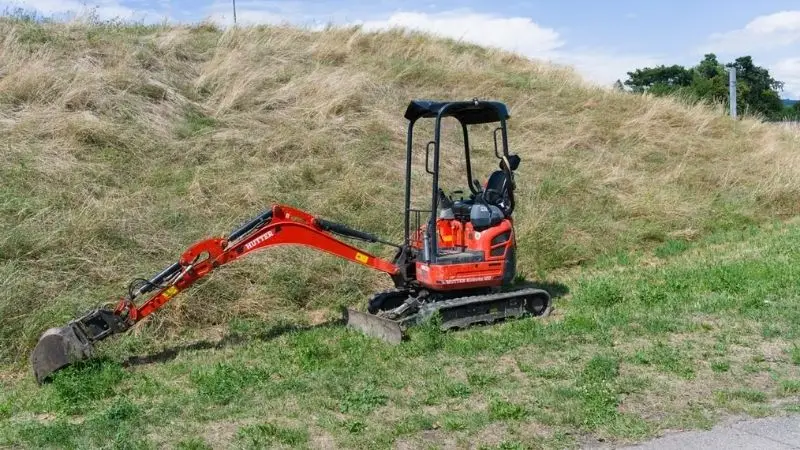
Sollevamenti di terra spessi richiedono vibrazioni potenti. Una piastra vibrante compatta fino a sei pollici di profondità. Sollevamenti più grandi richiedono una macchina più grande. Compattazione del terreno: come si fa? Il rullo vibrante per terreno compatta il terreno profondo. I tamburi spessi penetrano negli strati profondi del sottofondo. Verifica prima i requisiti di profondità. Quindi, scegli lo strumento più adatto. Se il progetto include una compattazione più profonda, gli utenti devono disporre di attrezzature più potenti. Quattro tipi di compattatori del terreno Compattazione di strati di terreno più spessi: rulli vibranti, rulli a tamburo liscio, rulli a piedi di pecora e rulli a piede di pecora. Queste macchine applicano un peso maggiore, vibrazioni o un'azione di impastamento per compattare il terreno più in profondità. Sono tipicamente impiegate in autostrade e strutture commerciali, piste aeroportuali, argini e grandi progetti di costruzione che richiedono fondamenta robuste.
Considera l'area di lavoro
In spazi ristretti, le opzioni di attrezzatura sono limitate. Le trincee strette limitano l'utilizzo di rulli di grandi dimensioni. Un compattatore a percussione stretto è adatto per la realizzazione di trincee. I rulli rotolano liberamente in campi aperti. Misurare PRIMA TUTTI I LIMITI DEL CANTIERE. Prestare molta attenzione ai pericoli. Le macchine di piccole dimensioni operano in spazi ristretti. Le attrezzature pesanti vengono utilizzate in campi aperti. Prendere buone decisioni permette di lavorare rapidamente. Come funziona un'attrezzatura per la compattazione del terreno? Il primo passo è valutare le dimensioni e la conformazione del cantiere. I rulli di grandi dimensioni potrebbero non entrare o non rotolare in sicurezza se lo spazio è troppo piccolo o chiuso. In questi casi, sarebbe meglio utilizzare una macchina compatta come una piastra vibrante, un compattatore a percussione o un compattatore a pistone. Sono più piccoli delle attrezzature più grandi, il che consente loro di raggiungere angoli, passaggi stretti, trincee e altre aree anguste dove le attrezzature più grandi non possono operare correttamente.
Confronto tra attrezzature per la compattazione del terreno
Esistono diverse tipologie di macchine per la compattazione del terreno, adatte a vari tipi di suolo, dimensioni del progetto e profondità di compattazione. Per lavori di piccole dimensioni, sono adatti i compattatori a piastra e i compattatori a pestello, mentre per lavori più grandi o per una compattazione più profonda sono indicati i rulli a tamburo liscio e a piedi di pecora. Materiali, potenza e profondità di lavoro vengono utilizzati per confrontare le macchine e selezionare quella più efficiente. La scelta della macchina e della densità del terreno appropriate contribuisce a ottenere risultati migliori e più costanti nel tempo.
Guida alle prestazioni per gli strumenti moderni
Piccoli attrezzi a spinta si adattano a piccoli spazi. Guida una piastra vibrante su strade sterrate sottili. Scuoti velocemente la sabbia in questo compattatore a piastreUtilizzare un compattatore a percussione in profonde trincee per servizi pubblici: un duro pestaggio di terra appiccicosa. I compattatori manuali vengono utilizzati per compattare i bordi stretti attorno alle tubature sotterranee. Con le grandi macchine semoventi, tonnellate di terra vengono spostate in un unico blocco. Come si usa un compattatore di terreno? Un rullo a tamburo liscio appiattisce lunghi vialetti sabbiosi. Lo strato superficiale del terreno viene costantemente compresso da una certa pressione esercitata da rulli pesanti. Una macchina vibrante per la rullatura del terreno viene collegata per una vibrazione ancora più profonda. Questi rulli vengono utilizzati per la compattazione di strade profonde. I piedini in acciaio dei rulli impastano il fango per i rulli a piedi di pecora. La Guida alle Prestazioni descrive ulteriormente le caratteristiche operative di ciascuna macchina. Esistono compattatori progettati per compattare strati superficiali e altri in grado di compattare terreni profondi.
Parametri chiave per la selezione di apparecchiature intelligenti
Ogni tipo di compattatore è progettato per lavorare su un materiale specifico e a una determinata profondità. Per terreni granulari come sabbia e ghiaia, la piastra vibrante è la soluzione migliore, in quanto utilizza vibrazioni rapide per compattare strati di terreno profondi da 4 a 8 cm. I compattatori a percussione compattano i terreni coesivi (argillosi) a profondità comprese tra 6 e 12 cm con forti impatti. Un rullo a tamburo viene utilizzato per compattare materiali di base granulari a una profondità di 8-12 cm, mentre un rullo a piedi di pecora viene utilizzato per compattare argilla umida e terreni coesivi a una profondità di 12-24 cm. Cosa si intende per attrezzatura per la compattazione del terreno? La scelta del compattatore corretto per il tipo di terreno e la profondità desiderata garantisce un terreno più efficace e stabile. L'attrezzatura appropriata migliorerà la qualità della compattazione e fornirà una base migliore a seconda del tipo di terreno.
Scegliere l'attrezzatura giusta
Prima di selezionare qualsiasi attrezzatura di compattazione, assicurarsi che le dimensioni del lavoro non superino la capacità dell'attrezzatura che si sta considerando. Un cancello standard si aprirà rapidamente per piccoli attrezzi. Gli spazi ristretti non sono un problema per le macchine di piccole dimensioni. I compattatori più pesanti, invece, richiedono molto spazio. L'attrezzatura di compattazione adeguata contribuisce a garantire la sicurezza del terreno di scavo. Abbinare gli strumenti alla compattazione del terreno granulare assicura un risultato ottimale. Istruzioni su come utilizzare un compattatore per terreno? Selezionare l'attrezzatura di compattazione appropriata valutando le caratteristiche del sito. Innanzitutto, verificare il tipo di terreno da trattare. Quindi, misurare lo spessore esatto dello strato di terra da rimuovere.
Infine, ma non meno importante, ispezionate tutti gli spazi ristretti. Utilizzate attrezzature specifiche per lavori di breve durata. Acquistate macchinari principali per le operazioni quotidiane. I costi si riducono nel lungo periodo. Effettuate un test di densità di compattazione del terreno prima di lavorarlo. Test regolari in campo monitorano la reale densità del terreno.
Incartare
Le fondamenta di un edificio sono fondamentali per garantire solidità, stabilità e durata nel tempo. Ogni compattatore è progettato per un tipo specifico di terreno, dimensioni del progetto, profondità di compattazione e area di lavoro. Qual è il processo di compattazione del terreno con una piastra vibrante? Il tipo di terreno è un fattore chiave per determinare se siano più adatti i compattatori a piastra, i compattatori a percussione, i rulli a piede di pecora o i compattatori a zoccolo. La scelta dell'attrezzatura giusta consente di risparmiare carburante e tempo, oltre a prevenire cedimenti futuri o danni strutturali. Vengono inoltre effettuati regolarmente test di densità del terreno per assicurarsi che la compattazione raggiunga la densità corretta. Dalla semplice compattazione di un'area per un piccolo progetto di giardinaggio alla compattazione di un cantiere, l'attrezzatura di compattazione adeguata garantirà fondamenta più sicure, resistenti e durature.
DOMANDE FREQUENTI
Cosa accadrebbe se non ci fosse compattazione del terreno?
L'aria è intrappolata negli spazi tra le particelle di terreno. Le lastre non apprezzare la terra viene fatto cadere su di loro. Crepa i vialetti. Rovina le basi. Le riparazioni sono pagate. Le basi vengono create attraverso una buona preparazione. Impedisce ulteriori cambiamenti.
Qual è l'indicatore di massima compattazione del terreno?
Utilizzare densimetri per testare la densità del terreno. Utilizzare anche un penetrometro. Questi strumenti servono per misurare la durezza. Il passaggio delle macchine non provoca la caduta di terra. I campioni sono accettati. La certificazione ufficiale viene fornita con le analisi di laboratorio.
È possibile utilizzare una piastra vibrante in terreni argillosi umidi?
Non usatelo. Le argille sono coesive e si mantengono compatte quando sono bagnate. Le piastre sporche si rovinano a causa dell'adesione. Scegliete un pestello compattatore. Un compattatore a piedi di pecora è efficace. Si usano per impastare terreni coesivi. Espellono l'acqua.
Definisci compattazione statica e vibratoria.
Il metodo statico utilizza pesi meccanici, mentre quello vibratorio consiste in una rapida agitazione. Le vibrazioni spingono le particelle l'una contro l'altra, depositando la sabbia velocemente. Scegliete la vibrazione per la sabbiatura. Indossate un cappello o un berretto robusto.