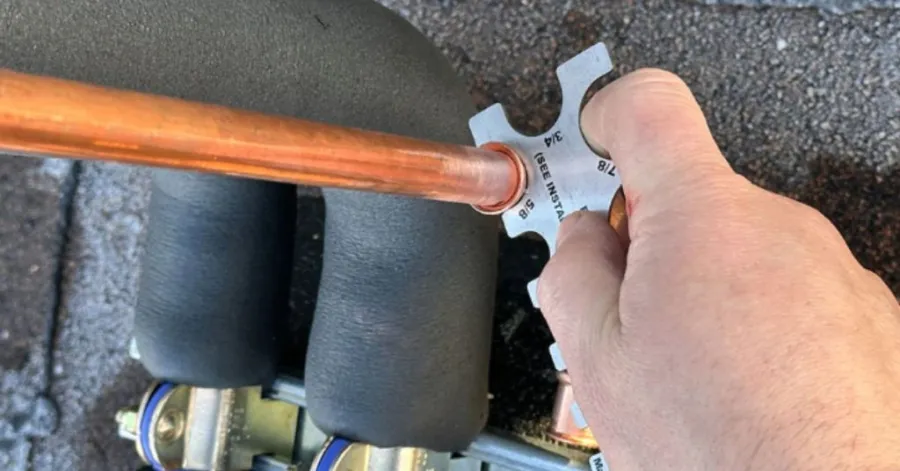
Using a refrigeration présszerszám simplifies line joints by removing the need for conventional brazing. Picking the proper model requires reviewing the fitting standard, press force, jaw size, overall dimensions, and power source. Preparing the tubing properly matters just as much. Before making the press, make sure the tubing is cleanly cut, deburred, wiped down, and fully seated.
This guide walks through using a refrigeration csőprés szerszám and outlines the gear you’ll need on hand. It covers how these tools operate and what to look for when picking one for refrigeration and HVAC jobs. These steps give a clear view of the procedure whether you are a beginner or have used press tools for years.
What Do You Need to Use a Refrigeration Press Tool?
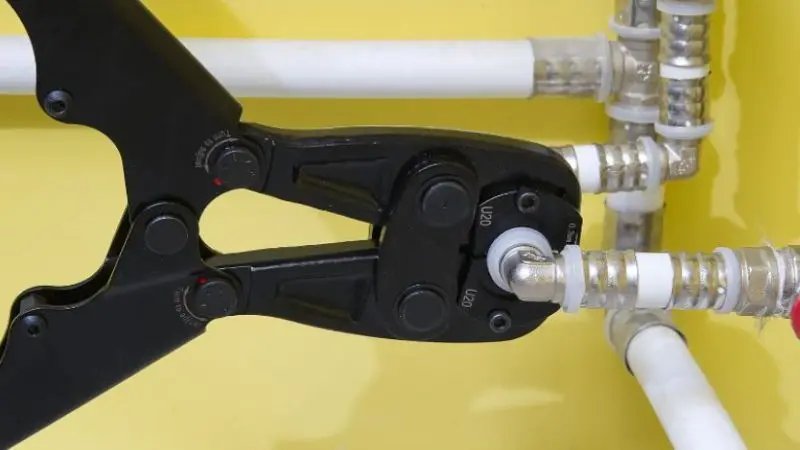
You will need several items beyond the vízvezeték-prés szerszám itself before you can complete a press connection. The proper jaws, fittings, tubing prep tools, and personal safety gear are just as necessary. Getting all your supplies set up beforehand can smooth out the whole job. It can also keep you from making errors while installing the lines.
Projektjéhez ajánlott
Refrigeration Press Tool
Approved copper and other refrigeration pipes are joined with press fittings primarily through a refrigeration press tool. It applies calibrated pressure to deform the fitting snugly against the tubing. This leaves behind a reliable joint.
Cordless tools come in handy when working on site. They run without having to be tethered to a wall socket. When picking out an option, look over its crimping output, matched fittings, available jaw sets, run time per charge, and spare part availability. A top-tier HVAC présszerszám ought to sit comfortably in your hands, too. It also needs to pack sufficient strength for whatever pipe diameters you handle.
Matching Press Jaws and Dies
The force from the tool reaches the refrigeration fitting through the press jaws or dies. Both the fitting system and the specific tube size have to line up with the jaws you use.
Mounting the wrong jaw can leave you with a faulty joint. A tool with plenty of force will not prevent this. Consult both the tool’s manual and the fitting manufacturer’s guidelines prior to work. Make sure you have verified the correct press profile and approved jaw dimensions.
Depending on the tube diameter, certain systems call for separate jaws. Certain setups require proprietary press contours instead. When shopping for a top refrigeration electric press tool, remember to factor in how easy the jaws are to buy and what they cost. Ensure the jaws remain undamaged and wiped clean.
Refrigeration Press Fittings
Rather than relying on classic brazing methods, refrigeration press fittings connect prepped tubing mechanically. You will frequently run into elbows, tees, couplings, and reducers.
Internal seals built into these fittings may be formulated for particular operating environments and refrigerants. Always confirm that your chosen fitting is rated for the tubing material, temperature, working pressure, and refrigerant in use.
You also have to pair the fitting to the correct jaw profile and tube diameter. Standard plumbing press fittings are off-limits unless they carry an explicit approval for refrigeration. Understanding how a refrigeration cordless press tool works depends heavily on knowing how to select the right fitting.
Tools for Cutting and Deburring Tubing
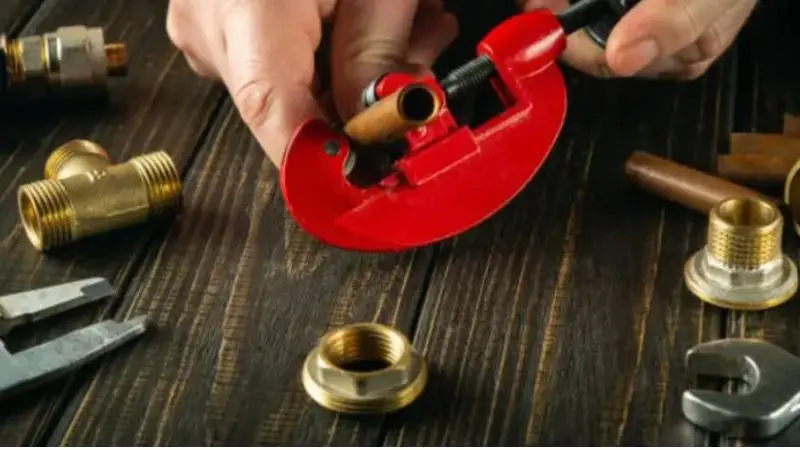
You need a square, clean cut on the tube end if you want the press joint to hold properly. A quality cutter gives you a clean edge without flattening or deforming the pipe.
Once the cut is made, take a deburring tool to both the inner bore and the outer rim to strip away any burrs. Loose shavings or rough edges will make it tough to slide the tube into place. You also run the risk of cutting into the seal inside the fitting.
Be careful not to grind away too much copper when you deburr. Take a quick look at the cut end before you push it into the socket. Prepping your tubing properly is right at the core of learning how to run a refrigeration présillesztő szerszám.
Mérő- és jelölőeszközök
Using layout tools ensures you seat the tube all the way to its intended depth inside the fitting. You can find that depth using a tape measure, a pocket rule, or a dedicated depth gauge.
Draw a distinct mark completely around the circumference with a marker. That mark shows you right away if the tube slipped out or sits deep enough before you crimp it. Accurate measurements matter even more if you are running multiple joints. If the tube is pushed in unevenly, the joint can suffer. Always insert the tube to the exact depth the fitting maker calls for.
Biztonsági felszerelés
Proper safety gear keeps you safe across every step of cutting, deburring, and pressing refrigeration lines. Keep safety glasses on to shield your eyes from stray metal shavings. A pair of work gloves will keep sharp pipe edges from cutting your hands. Check that your gloves do not compromise your grip or handling of the hydraulic press tool. Appropriate work clothing and ear protection might also be required.
Make sure your workspace stays tidy and has plenty of light. Inspect the fittings, jaws, battery, and tool for any signs of damage before crimping. Abide by the safety guidelines supplied by both the tool and fitting manufacturers at all times.
Step-by-Step Guide to Operating a Refrigeration Press Tool
With the right fittings and gear on hand, the job comes down to a straightforward process. Prepping the tube properly matters every bit as much as operating the press tool correctly. Keep to the fitting maker’s directions through every stage of the work. Watch the tubing dimensions, how far it seats, the selected jaw, and the full crimping cycle carefully.
Step 1: Select the Right Fitting and Press Jaw
Start by verifying the diameter of your tubing and the kind of joint required. Pick a fitting certified for refrigeration that matches the specific pipe, refrigerant type, working pressure, and operating temperature. Then select the exact press jaw or die that the fitting manufacturer specifies. Never think two jaws are interchangeable across different systems just because they look alike.
Verify the operating range of the tool as well. Pairing the right jaw to the fitting needs to be your very first move if you are new to refrigeration présszerszámok. Go over every specification before you start prepping any tube.
Step 2: Cut the Refrigeration Tube
Take your measurement on the refrigeration line and put a mark where the cut belongs. Reach for a proper tube cutter rather than trying to use a saw. Spin the cutter around the line at an easy, steady pace. Snug the wheel up between turns until the pipe snaps free. Do not crank down too hard, or you risk flattening the pipe out of round.
Once the cut is made, inspect the end of the tube. The cut face needs to be reasonably square, with no signs of defects or damage. Getting this cut right makes the following prep work much simpler.
Step 3: Clean and Deburr the Tube
Once the tube is cut, wipe down both the inner and outer surfaces of the end. Clear off any oil, dirt, or stray debris. Take down any sharp burrs using an appropriate deburring tool. Make sure the tube stays round, and the surface remains even. If the tube is nicked or uneven, seating the fitting properly becomes much tougher.
Take care not to shave off too much metal. Brush off any remaining shavings and give the tube a final look. Proper prep on the tubing makes all the difference when you are picking up how to use a refrigeration press tool.
Step 4: Mark the Required Insertion Depth
Find out how deep the tube needs to sit before you slide it into the fitting. The manufacturer lists this exact figure in their fitting instructions. Take your measurement back from the cut end of the tube. Draw a distinct line all the way around the outside.
That line lets you see at a glance whether the tube is seated properly. Once the tube is in, that line needs to sit right against the designated spot on the fitting. Never eyeball this measurement, as required depths vary from system to system.
5. lépés: Helyezze be a csövet a szerelvénybe
Slide the prepped tube directly into the refrigeration press fitting without tilting it. Keep pushing until it hits the specified depth. Do not force a twist into the tube or drive it in at an off-angle. Never use a secondary tool to drive it home.
Take a look at the line you drew on the tube. Confirm that it has gone all the way to the right depth. Stop if the tube will not slide in smoothly; look for debris, burrs, an incorrect pipe size, or a compromised fitting.
6. lépés: Helyezze el helyesen a présszerszámot
Spread the jaws of the appropriate press tool. Fit it over the fitting exactly where the manufacturer’s manual directs you to. Confirm that the jaw rests flat in its seat and squares up true. Hold both the tube and the fitting completely still as you get the tool settled.
Never set the jaw over the wrong section of the fitting. Never fit a jaw unless it is rated for the connection you are making. Before making a press, consult the manufacturer’s directions if you are still learning refrigeration pipe press tools.
Step 7: Complete the Press Connection
Once the jaw sits right, run the tool just as the manufacturer specifies. Allow the tool to run through its entire cycle. Hold both pipe and fitting firmly in place as the jaws shut. Never lean on the tool for extra leverage or slip any makeshift extension onto it.
Once the cycle finishes, follow the directions to release the tool. Take off the jaws and look over the joint. Because tools and fittings do not all press the same way, stick strictly to the relevant instructions.
8. lépés: Ellenőrizze a kész csatlakozást
Look over the entire joint right after pressing before you move on to the rest of the job. Confirm that the crimp on the fitting was done properly. Verify that the pipe is seated properly and check for obvious defects. Look out for incomplete crimps, tube gouges, incorrect jaw imprints, or cracked fittings.
Check the pressed joint against the specifications provided by the fitting manufacturer. Looking over the joint helps, but it is no substitute for an actual pressure or leak test. Once every connection is made, run the required tests. Check the equipment and refrigerant guidelines before turning the system on.
How to Choose the Right Refrigeration Press Tool
A jobb battery-powered press tool comes down to the line sizes you run, the fittings you use, and the kind of jobs you take on. You need a tool that delivers sufficient pressing force for the work. It must also be compatible with the specific fittings you intend to install. Use these points below to weigh your options.
Check Tube and Fitting Compatibility
Start by making sure the tool actually matches your tubing material and the fittings you run. These tools are not universal; none of them fit every tube size or fitting style. Look at the manufacturer’s specs for approved tube dimensions, compatible fitting brands, jaw profiles, and connection styles. Getting a proper match here is critical.
Mismatched tools or fittings often lead to faulty joints. When shopping for the best refrigeration professional press tool, put compatibility ahead of motor wattage or price. All that motor power means nothing if the tool cannot press the fittings you use.
Choose the Correct Jaw Size
Your jaw needs to fit both the pipe dimensions and the specific brand of fitting. A lot of trade-grade press tools let you swap out jaws to handle various tube diameters. Look at what jaws are actually included in the box before you hand over any money. Find out which ones you will have to pick up on your own, too.
You also need to verify the jaw’s press profile. Even when two fittings take the exact same pipe size, they might call for completely different jaws. Technicians dealing with varied refrigeration setups will get more mileage out of a tool cleared for multiple jaw types.
Compare Pressing Force
A tool’s pressing force measures the power it exerts to crimp the fitting onto the tubing. Check what the fitting manufacturer specifies against the tool’s rated output. Do not just buy whichever model posts the biggest force rating. All that matters is having adequate tonnage for the biggest fitting you intend to press.
The way hydraulic tools generate crimping force is not always the same as electric models. Go through the complete spec sheet, paying close attention to approved applications and pipe capacities. When you are pressing refrigeration lines, consistent and correct pressure matters far more than raw tonnage.
Consider Corded vs. Cordless Tools
You can get good results with either a corded or a cordless press tool. Which option works better comes down to where you are working and how you handle the tool. A corded tool has to be plugged into an electrical outlet. They fit right into workshop settings or dedicated service bays.
Battery-powered models run on rechargeable packs. Carrying them across rooftops, open job sites, and mechanical rooms takes far less effort. If you are looking at cordless options, look at battery capacity, charge times, whether spare packs are available, and crimps per charge. Pick the tool that fits where you typically work and how long your shifts run.
Look at Size and How Easy the Tool Is to Carry
How large and heavy a tool is plays a direct role in user comfort and tight clearance work. That matters most when you are reaching overhead or squeezing into cramped quarters. Compact vízvezeték-prés szerszámok give you an easier time maneuvering around walls, overhead ceilings, and nearby machinery. A heavier tool might pack plenty of power, but it will wear you out on repetitive jobs.
Pay attention to overall length, the shape of the head, the handle feel, balance, and where the battery sits. Portability matters just as much if your work takes you from one site to another. The top HVAC press tools need to deliver sufficient muscle without turning into a chore to haul around or line up on a pipe.
What Are the Best Electric Press Tools for Consistent Force and Which Ones Are Worth the Price?
elektromos présszerszámok take much of the friction out of making joint after joint. Because the pressing cycle is regulated, your hands take far less strain. Key details to weigh against each other include press force, compatible tubing sizes, jaw selection, battery or corded power, cycle duration, total weight, and post-purchase service support.
Paying more often gets you broader jaw compatibility, quicker cycles, or a tool that balances better in the hand. If you only press fittings now and then, a basic model might be plenty. Make sure the tool you choose always matches your specific fitting system.
Electric vs. Manual Press Tools for Precision Work: Which Models Deserve a Recommendation?
The mechanical principle behind the crimping pressure differs between electric and kézi szerszámok. A motor or hydraulic drive does the heavy mechanical work in an electric tool, sparing your grip. Manual tools rely purely on your own muscle to generate pressure. They come in handy on smaller punch lists or where keeping batteries charged is an unnecessary hassle.
Factor in the pipe diameter, how many joints you have to make, your physical working clearance, and how easily the rig travels. If you are pressing pipe every day, going electric can spare you a lot of physical strain. For small runs and sporadic crimps, a hand tool does the job without issue.
Wrap Up
Tubing connections go much faster with a refrigeration press tool, provided the tool, jaws, fittings, and technique all line up. Make sure the tool is rated for your tubing material and fitting brand before doing any work. Prepping the pipe properly matters just as much. Make a clean cut, remove the burrs, gauge your insertion line, and mount the right jaw set before pressing.
To pick the right refrigeration press tool, weigh factors like pipe diameters, fitting support, crimp power, runtime, unit weight, and available jaws. The right press tool for refrigeration pipe is whichever one fits the actual demands of your day-to-day jobs. On HVAC jobs, the top press tool is simply one certified for your fitting line that you can run without safety headaches. Stick to the manufacturer’s guidelines and run through every mandatory inspection before putting the system online.
GYIK
Is It Possible to Replace Brazing With a Refrigeration Press Tool?
In setups where approved press fittings are permitted, you can use a refrigeration press tool instead of brazing. Before doing anything, verify the local regulations, the pressure rating, refrigerant specifications, and what the fitting manufacturer prescribes.
Do Refrigeration Press Tools Work for HVAC Systems?
Yes, you can apply compatible refrigeration press tools to HVAC systems, provided they hold approval for the specific tubing, fittings, refrigerant, pressure, and use case. You must follow the manufacturer’s directions and all mandatory installation procedures every single time.
Which Portable Press Tools Are Best Suited for Emergency Calls and On-Site Repairs?
Battery-powered press tools you can carry around can come in handy for field repairs. Focus on low weight, swappable jaws, solid run time, straightforward controls, and whether the tool matches the specific refrigeration fittings you work with.
Which Press Tools Are the Simplest for Beginners to Operate — List Easy-to-Use Options and Features.
Tools suited to novices generally feature straightforward operation, obvious jaw alignment, automated pressing cycles, ergonomic grips, and built-in safety mechanisms. Going with a lighter cordless model can also simplify standard refrigeration tasks.
Which Press Tools Earn the Highest Customer Reliability Ratings in the US — Top-Rated Models?
Scores change depending on the specific model, the retailer, and when the feedback was posted. Before picking a press tool, look closely at buyer feedback, what the warranty covers, available repair support, access to spare parts, physical durability, and manufacturer specs.
Find the safest beginner-friendly press tools featuring built-in guards or automatic stops.
Beginners should target press tools that include automatic stops, reliable jaw locks, overload protection, ergonomic grips, and straightforward controls. Read the safety instructions from the manufacturer every time before crimping a connection.
Which compact press tools work best in a small apartment workshop, and what are the top space-saving options?
Small workshops are often a good fit for compact cordless press tools. Look into the dimensions, weight, battery pack, jaw storage, and whether it matches the specific fittings you intend to press.