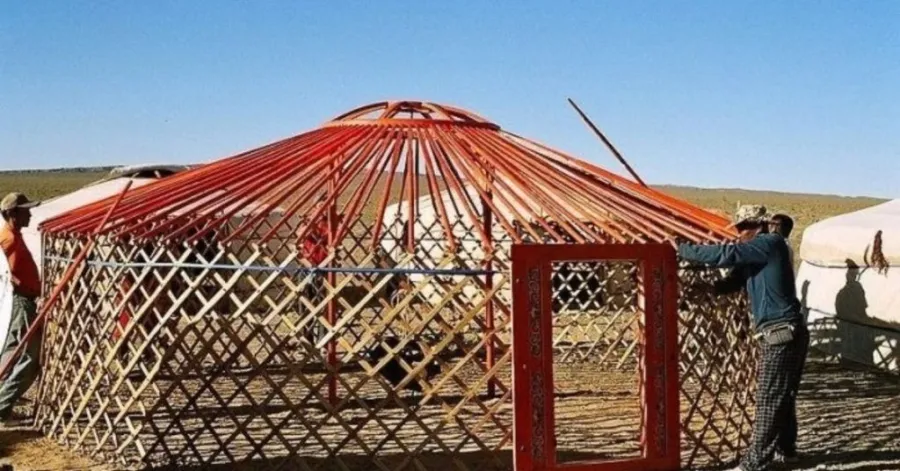
If you are thinking about making a yurt by yourself, you should absolutely go for it. It can be a fun and rewarding DIY project. Building your own yurt lets you save on construction costs, customize every detail to match your needs, and enjoy the satisfaction of creating a unique space with your own hands. But the question is how to make a yurt. This article gives you the step-by-step instructions and plans for constructing a yurt on your own. You will learn how to build a yurt using these steps. Building yurts starts with a firm foundation. You will need wood, a canvas tent, and rope. With this article, you will build a strong tent. Having a couple of helping hands will make the job easier. Practical suggestions and timelines guarantee success. Get started and turn your yurt-building idea into a comfortable and inviting space.
Tartalomjegyzék
- What Do You Need to Make a Yurt?
- What Are the Best Yurt Kits to Buy in France for DIY Assembly?
- Which Yurts Are Best for Easy Transport and Assembly in France?
- What Are the Best Yurt Floor Options Sold in France?
- What Are the Most Durable Yurt Frames for Windy Coastal Sites in France?
- What Are the Top Yurt Add-Ons Available in France?
What Do You Need to Make a Yurt?
Tudod construct a yurt with the right materials and tools. This article covers everything you need before you start construction.
Yurt Materials Checklist
You’ll need several items to build a jurta. Below is a simple guide on on how to construct a 16-foot diameter yurt:
Projektjéhez ajánlott
- Lattice walls (khana): You need four to six wooden lattice pieces. Each piece is five feet wide and four feet high.
- Roof poles (uni): These wooden poles make up the roof. You need 24 to 36 poles, each measuring six to eight feet long.
- Compression ring (toono): This ring sits at the centre point at the top. It holds all the roof poles together at the tip.
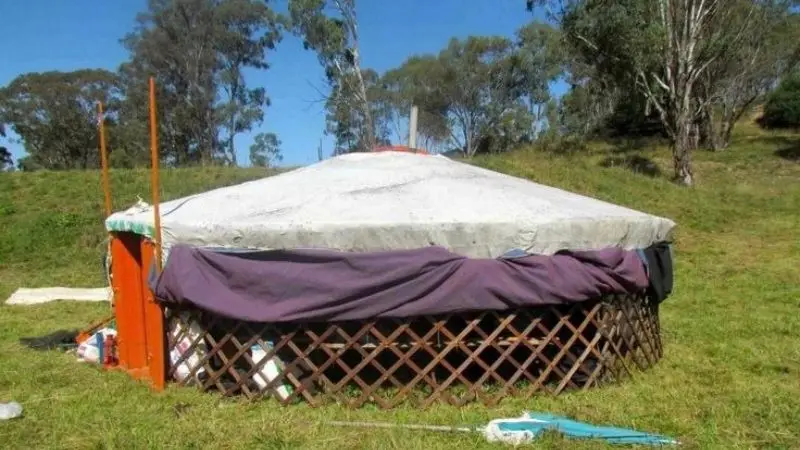
- Covering material: You need two layers. The inner layer can be canvas or felt for insulation. The outer layer must be waterproof. Use vinyl or heavy-duty canvas for this outer cover.
- Padló anyagok: Use plywood sheets for a solid base. A 3/4-inch thickness works well for most floors.
- Rope and tie-downs: Use strong rope to secure the lattice walls and the cover. Use heavy-duty stakes for ground anchoring.
- Kötőelemek: You need screws, nails, and hinges for the door frame and lattice connections.
What Tools Do You Need to Build a Yurt?
You do not need a full workshop to build your own yurt. Basic hand tools work well for this DIY project. A tape measure is your most important tool. Accurate measurements ensure your yurt plans come together correctly. You’ll need a circular saw or handsaw to cut wood. A power drill with drill bits speeds up assembly. You’ll also need a hammer, a level, and a staple gun to secure the cover.
To assemble your yurt step by step, it helps to know the main tools you’ll need. A ladder will let you easily reach the upper parts while assembling. A socket set or wrench will enable you to secure the compression ring and the door frame. These tools will be enough for the whole process. Getting help can be useful. Review your plans and instructions before you cut. Measure everything twice. In this way, you can save time and money. Good insulation and a solid roof will prolong the life of your structure.
What Are the Best Yurt Kits to Buy in France for DIY Assembly?
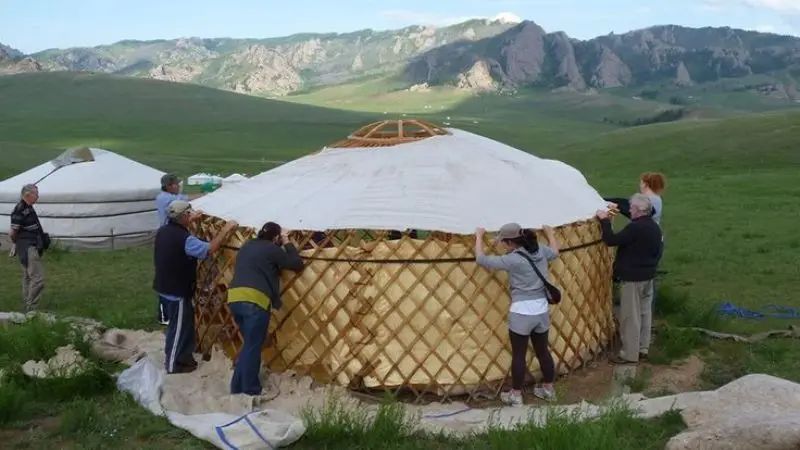
The number of yurt kits in France has increased recently. Several suppliers offer these kits and deliver them directly to your door. These kits answer many questions for DIY assembly. You’ll receive pre-assembled walls, roof poles, a compression ring, and covering material. Most suppliers also provide a door frame and all the fasteners.
How to build a yurt at home? Popular French sellers are Yourte France, La Yourte Nomade, and Artisanat de la Yourte. Each business offers different sizes and choices. A normal kit for a 16-foot yurt usually has four to six lattice sections and 24 to 36 roof poles. You can pick between vászon sátor, felt, or vinyl covers. Some kits come with insulation already in place. Others let you add it later. Prices change based on size, materials, and extras. You will pay more for bigger yurts or better covers.
Know what’s included before you buy. Some suppliers offer only the frame. You’ll have to buy the cover and flooring separately. Others sell kits with everything included. Read the description carefully. It will tell you how many lattice sections and poles are included, as well as what type of cover is used.
Also consider the assistance in assembling. Some suppliers provide video demonstrations or phone help. This support works wonders for first-time dome buyers. The best kits come complete with instructions and labelled pieces. It is easier for the builder to follow such a kit. At least compare the prices of three sellers before making your final choice. The ultimate yurt and dome buyer’s guide should help you decide. You can also check online reviews from other customers.
Which Yurts Are Best for Easy Transport and Assembly in France?
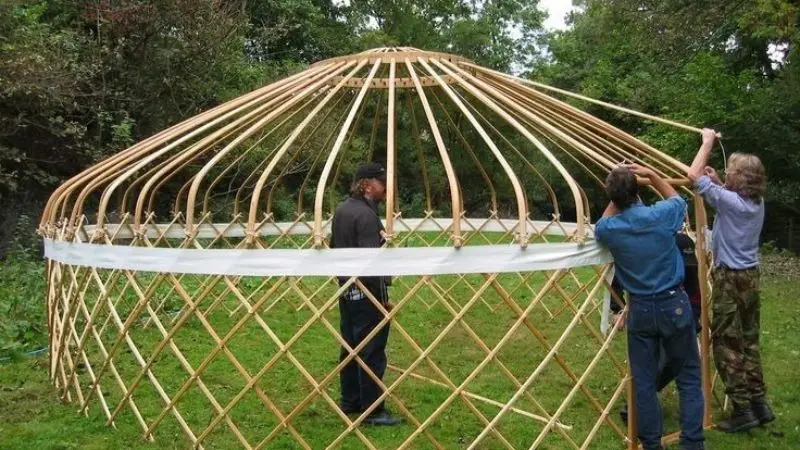
A yurt needs to be easy to move and quick to erect. Choose light materials and clever design. The hagyományos jurta with wooden lattice walls is quite bulky. Modern yurts may use lighter woods or even aluminium. This makes transport much easier. You can put the parts of your future yurt in a trailer or a van. A 16-foot yurt has four or six sections of lattice wall. Each section is 5 feet wide and 4 feet high. The roof poles are from 24 to 36 feet in length. Each pole is 6 to 8 feet long.
How to build a cheap yurt? An informative guide for consumers in France should highlight kits with pre-cut materials. These yurts have pre-drilled holes and marked pieces, which speeds up construction. Clear instructions for erecting yurts are essential. Some French producers provide video instructions. This is important for beginners. Your yurt should have a compression ring which is connected with bolts.
A door with hinges also decreases the load. Vászon borítók collapse to a smaller volume than vinyl ones. Felt insulation makes the yurt larger. For easier transport, choose a canvas cover without felt. To install a structure fast, get a kit with a small number of lattice panels. For instance, a 12-foot yurt requires three or four lattice panels. It makes the process lighter and quicker. Compare different kits by Yourte France and La Yourte Nomade. Pay attention to the total packed weight. The lighter the kit, the faster you can assemble it. It will also be easier to carry alone or with one helper.
What Are the Best Yurt Floor Options Sold in France?
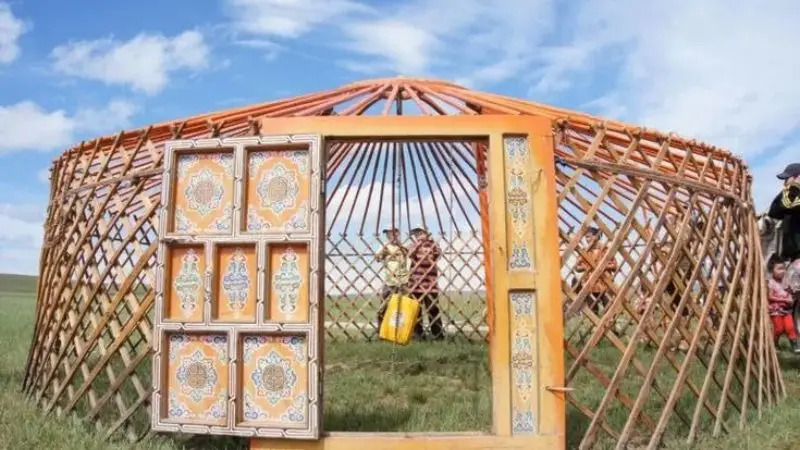
You should have a reliable floor for your structure. French retailers offer several floor options. Choosing the right one matters because the floor keeps your vászonjurta dry and comfortable year-round.
The most common material used to make the floor is plywood. A 3/4-inch plywood board provides a solid foundation. You can install it right on the levelled ground framework. Several French companies supply ready-made floor panels. Companies include Yourte France and La Yourte Nomade, which provide plywood boards for their traditional yurts. This floor solution is very convenient for temporary use. With help, it takes no more than a few hours to set up this floor.
Insulated floors provide year-round comfort. You install rigid foam insulation between two layers of plywood. This keeps the floor warm during winter. Insulation also protects you from moisture coming from the ground. Some French manufacturers even provide full sets of insulated floors. The set includes foam panels, plywood layers, and vapour barriers, and you assemble it like a jigsaw puzzle without any extra cutting. The extra cost adds comfort in cold weather.
Another option for wet and uneven ground is raised floors. You construct a wooden frame with joists and put plywood sheets on top. This keeps the floor above moist soil and provides good ventilation underneath. The wooden frame is made of pressure-treated wood and lasts a long enough. You can find all the construction materials at French hardware stores for this DIY project.
Choose your flooring type based on your local climate. Dry inner regions can use simple plywood; coastal regions require moisture-proof flooring, and mountain regions need insulation. Choose a floor type that best suits your situation. Compare materials from different sellers before you buy.
What Are the Most Durable Yurt Frames for Windy Coastal Sites in France?
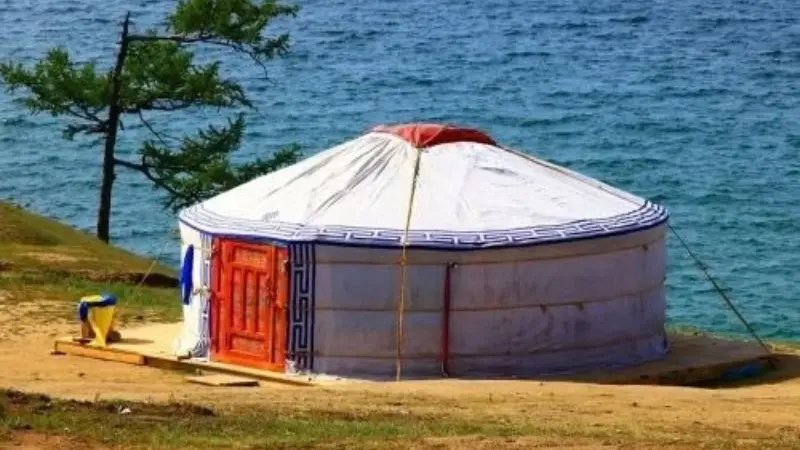
Coastal winds in France test every yurt frame. You need strong materials and smart design choices for these exposed locations. The right frame keeps your structure safe through winter storms and summer gales.
Wood is still the best material for a coastal structure. Traditional lattice walls made from ash or oak resist wind. These hardwoods do not rot and hold their shape under pressure. Choose lattice parts with strong joints and thick slats. Thin materials will bend and crack in the wind. Frames with reinforced joints where lattice crosses are very important. You can buy marine-grade wooden frames for your yurt in France from Yourte France.
An aluminium frame is another option for windy conditions. It is lighter and does not decay. Proper coating will make the metal resistant to corrosion. Aluminium frames cost you more initially. They transmit cold more quickly than wooden frames. You will need additional insulation in winter.
Compression ring and roof poles are equally important. A strong ring keeps your roof stable in strong gusts. Steel rings are better than wooden ones for windy conditions. Roof poles should be firmly fitted in the ring and wall lattice. Loose poles will shake in the wind and weaken over time. Thicker poles are preferable in coastal areas.
Ground anchoring makes or breaks your wind resistance. You need heavy-duty stakes driven deep into the soil. Screw-in anchors work better than simple pegs in sandy coastal ground. Some builders add a wooden platform base for extra stability. This base spreads wind loads across a wider area.
Erecting the yurt on a calm day helps you secure everything properly. Check all rope ties and fasteners before the first storm arrives. A well-built frame with quality materials lasts for many years. This guide helps you pick the right components for your coastal site. Proper building techniques protect your investment from the start.
What Are the Top Yurt Add-Ons Available in France?
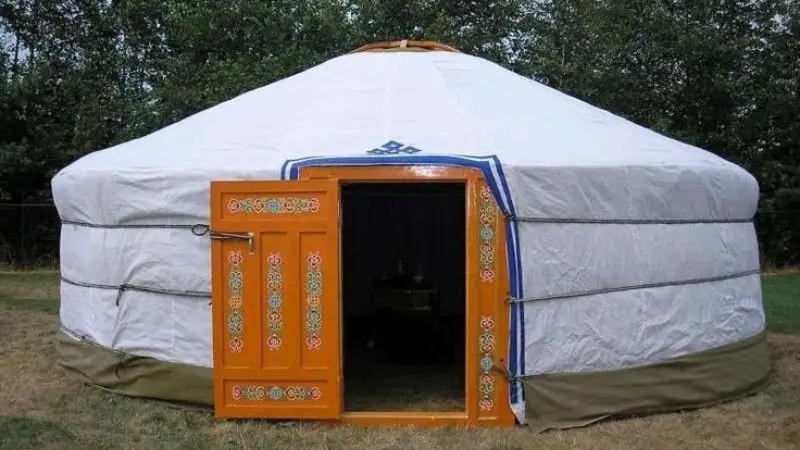
French sellers offer several useful modern jurta add-ons. Wood stove kits are the most popular choice. A complete kit includes a stovepipe, roof flashing, and heat shield. Yourte France sells kits sized for their models. The roof flashing creates a waterproof seal around the pipe. This guide recommends choosing a kit with a spark arrestor. You also need a floor protector. French regulations require proper wall clearance. Check local rules before you buy.
Rain awnings add protected outdoor space. An awning attaches to the wall above the door. You get a dry entry area during wet weather. Vászon sátor awnings match your main cover. Vinyl options last longer in heavy rain. You can choose a size from 3 feet to 8 feet wide. The awning rolls up when you’re not using it.
Interior dividing partitions help organise the open-plan design. Felt or canvas panels hang from the wall lattice. Sleeping and living quarters are separated. You can relocate them as needed. You can add insulation material between the panels. Some manufacturers sell zippered panels that allow easy access.
Door improvements can enhance the structure’s functionality and aesthetics. This additional feature can affect the structure’s appearance. Standard kits come with a wooden frame and a canvas door. An option includes a wooden door with glass panes. Double-glazed doors correspond to windows offered by the manufacturer. An improved door decreases drafts and increases security. French manufacturers supply brass-hinged doors.
Deck and platform kits raise your modern jurta off damp ground. These add-ons work best for uneven sites. The kit includes pressure-treated joists and deck boards. You build a level base that extends beyond the walls. The extra space holds a porch for boots and gear. You can add railings for safety. The platform protects your floor from ground moisture.
Összegzés
Most már tudod, hogyan kell construct a yurt from start to finish. You would plan, lay the foundation, construct the framework, add the covering, and finally add the finishing touches. This process shows you can build your own yurt with simple materials and a little help from others.
Start with the base and move from one step to the next. Then you can personalise the interior, add a stove, or build a bigger yurt. After some practice, building a yurt will become routine. You can build your own yurt and enjoy yurt living for years to come. Any successful construction starts with the first step.
FAQ
How long does it take to construct a yurt?
It takes two days on the weekend to complete a yurt with one person’s help. Experience and yurt size affect construction time. Kits save a lot of assembly time.
What types of wood are suitable for the yurt frame?
Ash and oak are the best options for the yurt frame as they are durable and resistant to rotting. This guide also suggests using marine-grade lumber for yurts by the sea.
Can you erect a yurt on your own?
Building a yurt is possible on your own, but with an assistant, you’ll do the work faster. Setting up roof poles and fixing the cover is easier with two people.
How can you maintain the cover of a yurt?
Check your cover’s condition before the rainy season begins each year. Repair any small damage at once. Waterproof the canvas cover every year or two.