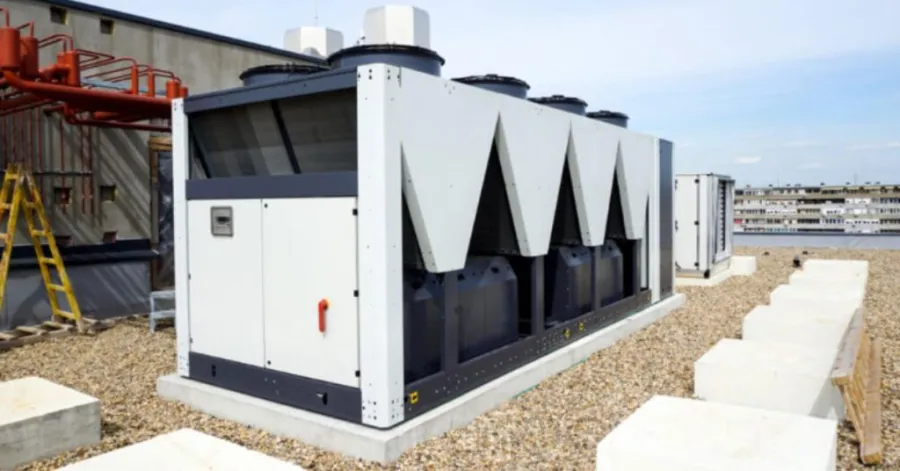
An léghűtéses hűtőberendezés egy jelentős hűtőrendszer, amelyet kereskedelmi épületekben, ipari létesítményekben és más olyan területeken használnak, ahol fontos a hőmérséklet-szabályozás. Tudva, hogy Hogyan működik egy léghűtéses hűtőberendezés segíthet megérteni, hogyan vonják el ezek az egységek a hőt, hogyan állítanak elő hideg vizet és hogyan működnek hatékonyan. A léghűtéses hűtők azonban a kültéri levegő felhasználásával adják le a hőt a kültérre, ellentétben a vízhűtéses rendszerekkel, amelyek kondenzátortekercsekre és ventilátorokra támaszkodnak a hő leadásához. Ez az útmutató elmagyarázza, hogyan működik ez, a rendszer főbb részeit, a rendszer típusait, a karbantartást, és hogyan viszonyul más hűtőkhöz. Ezen alapok ismerete segít kiválasztani és karbantartani az Ön igényeinek megfelelő hűtési megoldást.
Tartalomjegyzék
Hogyan működik egy léghűtéses hűtő?
Ismerve Hogyan működik egy léghűtéses hűtőberendezés segít megérteni, hogyan használják ezt a hűtési típust hatékonyan mind kereskedelmi, mind ipari környezetben. léghűtéses hűtőberendezés hűtőkörforgást használ a vízből kivont hő és a levegőbe történő elvezetésére.
A folyamatban számos kulcsfontosságú elem vesz részt, nevezetesen az elpárologtató, a kompresszor, a kondenzátor és az expanziós szelep. Mindegyik alkatrész egy meghatározott feladatot lát el a folyamatos hűtés fenntartása és a rendszer hatékony működésének biztosítása érdekében.
Projektjéhez ajánlott
1. lépés: A hűtőközeg elnyeli a hőt a hűtött vízből
A párologtató, a léghűtéses hűtőrendszer fontos része, indítja el a hűtési folyamatot. A párologtató a hűtött vízkörből a hőt a hűtőközeghez vezeti, és ahogy a víz lehűl, visszaszivattyúzza a hűtőberendezésekbe.
A rendszerben lévő melegebb víz hőt biztosít az elpárologtatóban, amelyet a hideg hűtőközeg elnyel. A hő összegyűjtése során a hűtőközeg gőzzé válik, és alacsony hőmérsékletű folyadékká alakul. Ez a hűtőberendezés működésének alapja, mivel ez a hőátadási folyamat kiküszöböli a nemkívánatos hőmennyiséget a vízellátásban.
A lehűtött vizet ezután a légkezelő egységekhez, technológiai berendezésekhez vagy más hűtőrendszerekhez vezető csöveken keresztül pumpálják. A hűtőközeg ezután ugyanazt a folyamatot folytatja le, a felhalmozódott hőt a körforgásba vezeti, és a folyamat megismétlődik.
2. lépés: A kompresszor növeli a hűtőközeg nyomását
A hűtőközeget az elpárologtató fogja fel, és ez egy alacsony nyomású gőz, amelyet ezután a kompresszorhoz irányítanak. A kompresszor fontos alkatrész, mivel összenyomja a hűtőközeget, növelve annak nyomását és hőmérsékletét. Ez lehetővé teszi a hűtőközeg keringését a rendszerben, és ez viszi végbe a hűtési folyamatot.
A hűtőközeg molekulái a kompresszió során koncentrálódnak, ami növeli a gőz hőmérsékletét. A kondenzált hűtőközeg ezután a kondenzátorba kerül, ahol a begyűjtött hőt kinyerni lehet. Kompresszor nélkül a hűtőközeg nem tudna keringeni a rendszerben.
A kompresszor biztosítja a szükséges nyomáskülönbséget az elpárologtató és a kondenzátor között. Ez a nyomásszabályozás lehetővé teszi a hűtő folyamatos és hatékony működését állandó hűtési kapacitással.
3. lépés: A kondenzátor hőt bocsát ki a levegőbe
Amikor a hűtőközeg belép a kondenzátorba, a rendszer hőt kezd leadni. A kondenzátor a nagynyomású hűtőközeggőzből a hűtőszekrényben lévő levegőbe juttatja a hőt. Ez a mechanizmus áll a mögött, hogy egy hűtő olyan rendszerekben működik, ahol a rendszerben levegőhűtésre van szükség, mivel a hűtéshez levegőre van szükség.
Egy léghűtéses kondenzátor fémtekercseket és ventilátorokat használ, amelyek levegőt szállítanak a hűtőközeggel töltött tekercsek felett. Amikor a levegő elhalad a tekercsek mellett, kivonja a hőt a hűtőközegből, és elvezeti azt a rendszeren kívülre. Ez a hűtőközeg ezután hidegebb folyadékká alakul.
A hatékony működéshez elegendő légáramlással kell rendelkeznie, mivel a korlátozott vagy akadályozott légáramlás rossz hűtést okozhat. A tiszta kondenzátortekercsek és a megfelelően működő ventilátorok segíthetnek a hőátadás megőrzésében és a hűtőberendezés általános hatékonyságának javításában.
4. lépés: A tágulási szelep csökkenti a hűtőközeg nyomását
A nagynyomású folyékony hűtőközeg kilép a kondenzátorból, és az expanziós szelephez jut. Ez az elem szabályozza a hűtőközeg mennyiségét az elpárologtatóban, és csökkenti annak nyomását. Ahogy áthalad a szelepen, a hűtőközeg nyomása és hőmérséklete jelentősen csökken.
A tágulási folyamat lehűti a hűtőközeget, így az visszatérve az elpárologtatóba ismét hőt tud felvenni. Az expanziós szelep szabályozza a hűtőközeg áramlását, biztosítva a rendszer hatékony hűtését.
A hűtőközeg állandó áramlása az elpárologtatóban, a kompresszorban, a kondenzátorban és az expanziós szelepben alkotja a teljes hűtési ciklust. A ciklus megértésével könnyen megérthető, hogy mi is ez valójában. léghűtéses hűtőberendezés és hogyan biztosít megbízható hűtést külön vízhűtő rendszer nélkül.
Léghűtéses hűtőrendszer főbb alkotóelemei
Egy léghűtéses hűtőberendezés kulcsfontosságú elemekre támaszkodik, amelyek együttműködnek a hő kinyerésében és a hűtött víz előállításában. Minden alkatrész jelentős szerepet játszik a hűtési ciklus működésének fenntartásában és az állandó működés fenntartásában.
Az egyes alkatrészek szerepének megértése segít megválaszolni a kérdést, hogyan működik egy léghűtéses kondenzátor, és miért fontos a rendszer kialakítása. Mivel a kompresszor a hűtőközeget a kondenzátorba irányítja, amely hőt sugároz le, minden alkatrész szerepet játszik a hűtési folyamat hatékony működésében.
Kompresszor
A kompresszort gyakran egy eszköz szívének nevezik. léghűtéses hűtőberendezés mivel hűtőközeget pumpál. Az elpárologtatóban a hűtőközeg alacsony nyomású gőzét nagynyomású és magas hőmérsékletű gázzá préseli, majd a kondenzátorba juttatja.
A hűtőrendszerekben különféle típusú kompresszorok használhatók, beleértve a spirálkompresszorokat, a csavarkompresszorokat és a dugattyús kompresszorokat. A választás mögött olyan tényezők figyelembevétele áll, mint a hűtőkapacitás, a hatékonysági követelmények és az alkalmazás igényei.
A hűtőközeg keringését a rendszerben egy hatékony kompresszor segíti elő. Segít fenntartani a hőátadáshoz szükséges nyomáskülönbséget is. Ez elkerülhetetlenül zavarná a hűtési folyamatot, mivel hiányzik a kompresszor, és a hűtő nem lenne képes hatékonyan hűteni a hűtőközeget.
Párologtató
A tényleges hűtési folyamat a párologtatóban kezdődik. Ez csökkenti a hűtött vízkör hőmérsékletét a hűtőközeg és a víz közötti hőcsere révén. Ez a folyamat segíti a rendszert hideg víz előállításában épületek, gépek vagy ipari berendezések hűtéséhez.
A hűtőközeg hőt vesz fel és gőzzé alakul az elpárologtatóban. Eközben a víz hőmérséklete csökken, és felkészül a hűtőrendszeren való áramlásra.
A párologtató fontos szerepet játszik a egy vízhűtő működése mivel ez hozza létre a hűtéshez szükséges hőmérsékletkülönbséget. Egy megfelelően megtervezett párologtató segít javítani a hőátadás hatékonyságát, és biztosítja, hogy a hűtő állandó működést tudjon fenntartani.
Léghűtéses kondenzátor és ventilátorok
A léghűtéses kondenzátor egy olyan eszköz, amely elnyeli a hűtőközeg által a hűtési folyamat során felhalmozott hőt. A vízhűtéses rendszerek alternatívája a léghűtéses folyadékhűtő, amelyben hűtőtornyokat használnak a rendszer hűtésére. Ez a legtöbb alkalmazásban leegyszerűsíti a rendszer telepítését és karbantartását.
A kondenzátor tekercsekkel rendelkezik, amelyek forró hűtőközeget tartanak, és ventilátorok fújnak levegőt a tekercsek felületére. Ez a levegő lehűti a hűtőközeget, és visszafolyadékká kondenzálja.
A ventilátornak a kondenzátorban a jó légáramlás fenntartásához kell lennie. A nagynyomású, folyamatos levegőáramlás elősegíti a hőelvezetést, a hatékonyságot, és megakadályozza a túlmelegedést ott, ahol a rendszert nagymértékben hűtésre használják.
Tágulási szelep és hűtőközeg-kör
Az expanziós szelep és a hűtőkör együttműködve szabályozza a hűtőközeg áramlását a hűtőrendszerben. Az expanziós szelep szabályozza az elpárologtatóba belépő hűtőközeg mennyiségét, és a nyomás csökken, hogy létrehozza a hőt elnyelő hűtőhatást.
Minden fontos alkatrészt a hűtőközeg-kör köt össze, amely az elpárologtatóból, a kompresszorból, a kondenzátorból és az expanziós szelepből áll. Ez lehetővé teszi a hűtőközeg folyamatos áramlását a rendszeren keresztül, hőt szállítva egyik régióból a másikba.
A rendszer hatékonyságának biztosítása és az olyan problémák elkerülése érdekében, mint a nem hatékony hűtés vagy a túlzott energiafogyasztás, a hűtőközeg megfelelő szabályozása szükséges. Ezek az elemek együttesen teszik teljessé a hűtési ciklust, és lehetővé teszik a léghűtéses hűtőberendezés egyenletes hűtés biztosítására.
Léghűtéses hűtők típusai
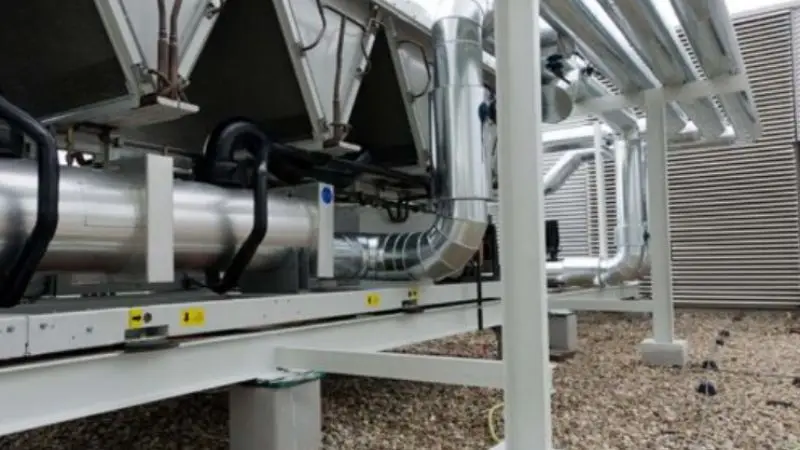
Léghűtéses hűtők Különböző kivitelben kaphatók, hogy megfeleljenek a lakossági, kereskedelmi és ipari célú hűtési igényeknek. Minden típus ugyanazon az alapvető hűtési eljáráson működik, de a kompresszor kialakítása, kapacitása, hatékonysága és üzemeltetési követelményei eltérnek egymástól.
A megfelelő típus kiválasztása a hűtési igényen, a rendelkezésre álló helyen, az energiahatékonysági célkitűzéseken és a rendszer rugalmasságán alapul. Ezen különbségek ismeretében könnyebb megérteni, hogy milyen típusú hűtőberendezést kell használni egy adott alkalmazásban, valamint azt is, hogy miért tekinthető egy hűtőberendezés léghűtéses hűtőberendezésnek különböző üzemi körülmények között.
Léghűtéses spirálkompresszoros hűtők
Léghűtéses hűtők A spirálkompresszoros típusú hűtőket kompakt méret, csendes működés és magas energiahatékonyság jellemzi. A rendszerek két spirálhenger alakú csiga segítségével préselik a hűtőközeget, így biztosítva a sima és megbízható hűtési hatást. Úgy tervezték őket, hogy minimális mozgást igényeljenek, ami segít csökkenteni a karbantartási igényt és javítja a tartósságot.
Ezeket a hűtőberendezéseket jellemzően kis és közepes méretű kereskedelmi épületekben, irodákban, üzlethelyiségekben és könnyűipari területeken alkalmazzák, ahol állandó hűtésre van szükség. Kis méretűek, és korlátozott helyű területeken is telepíthetők.
Mivel a scroll kompresszorok részleges terhelés mellett kevesebb energiát fogyasztanak, normál üzemi terhelés mellett is energiát lehet megtakarítani. Kényelmes megoldást jelentenek, ha nincs szükség a nagy teljesítményű rendszerek nagyobb kapacitására, és megbízható hűtésre van szükség.
Csavarkompresszoros léghűtéses hűtők
Csavarkompresszor léghűtéses hűtők nagy kapacitású hűtési alkalmazásokhoz kínálják, amelyek nagy kapacitást és folyamatos hűtést igényelnek. Ezek a rendszerek forgócsavaros mechanizmusokat alkalmaznak a hűtőközeg sűrítésére, és nagyobb hűtési terhelést tudnak kezelni, mint a kisebb kompresszorok.
Általában nagy kereskedelmi épületekben, gyártóüzemekben, adatközpontokban és ipari környezetben telepítik őket. Robusztus konstrukciójuk és a zord környezetben való működési képességük alkalmassá teszi őket olyan alkalmazásokhoz, amelyek hosszú ideig megbízható működést igényelnek.
A csavarkompresszorok a hőmérséklet-szabályozás és az energiafogyasztás terén is nagyon hatékonyak, különösen folyamatos használat esetén. Stabilitásuk miatt azoknak a vállalkozásoknak a választása, amelyeknek nagy teljesítményű hűtőmechanizmusra van szükségük minimális megszakítással és egész éves biztosított működéssel.
Moduláris léghűtéses hűtők
Moduláris léghűtéses hűtők több kisebb hűtőberendezés egyetlen hűtőrendszerbe való beépítésével készülnek. Egyetlen nagy gép használata helyett több modult használnak a szükséges hűtési kapacitás biztosítására. Ez a kialakítás rugalmasabb, mivel a hűtési igények növekedésével további modulok adhatók hozzá.
Ezeket a rendszereket gyakran alkalmazzák üzleti létesítményekben, kórházakban, iskolákban és ipari területeken, ahol a hűtési igények idővel változhatnak. A moduláris kialakítás könnyen telepíthető, mivel az egységek a rendelkezésre álló helytől függően mozgathatók és felszerelhetők.
A moduláris hűtőberendezések rugalmasan működnek, ami hozzájárul a hatékonysághoz, mivel csak egy adott számú egység működtetését teszi lehetővé egy adott időpontban. Ez minimalizálja az energiapazarlást, és skálázható megoldást kínál a növekvő hűtési igényre. Ezen tervek ismerete segít megérteni a következőket is: Hogyan működik egy léghűtéses hűtőberendezés különféle alkalmazásokban.
Léghűtéses hűtő vs. vízhűtéses hűtő: Főbb különbségek
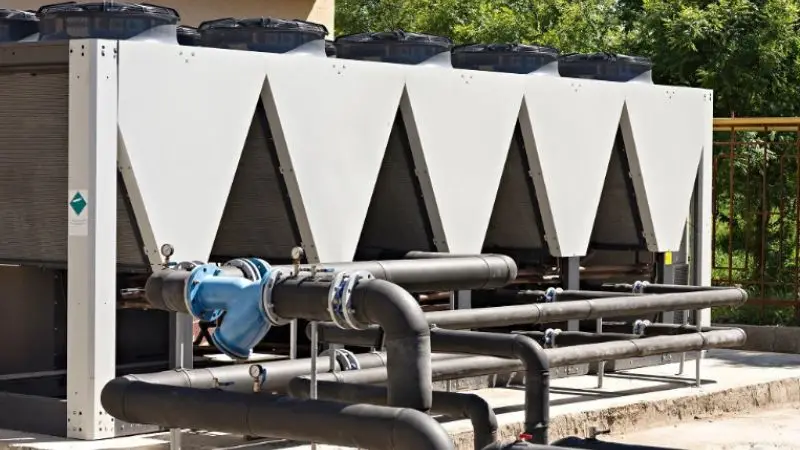
A döntés egy léghűtéses hűtőberendezés vagy vízhűtéses hűtő kiválasztása olyan tényezőkön alapul, mint a hűtési igények, a rendelkezésre álló telepítési hely, az energiafogyasztás, a karbantartás stb. Mindkét rendszer hőt von el a hűtőkörforgás során; azonban eltérő módon utasítják el a hőt.
A folyadékhűtő egy léghűtéses vagy vízhűtéses eszköz, amely kondenzátorventilátorok, illetve víz és egy hűtőtorony segítségével hőt ad le a környező levegőnek, illetve víznek. Ezen különbségek ismerete segít kiválasztani az épületének, az éghajlatának és a költségvetésének megfelelő rendszert.
Hűtési teljesítmény és energiahatékonyság összehasonlítása
A léghűtéses és a vízhűtéses hűtőrendszerek közötti elsődleges különbségek közé tartozik a hűtési hatékonyság. A vízhűtéses hűtők általában nagyobb hatékonyságot kínálnak, mivel a víz jobban képes hőt átadni a levegőhöz képest. Ez lehetővé teszi számukra, hogy alacsonyabb hőmérsékleten és minimális energiafogyasztással működjenek.
Léghűtéses hűtők kisebb épületekben vagy korlátozott vízellátású helyeken továbbra is használhatók. Könnyebb telepítésük és karbantartásuk miatt kisebb helyet is igényelnek, mivel nincs szükségük hűtőtornyokra vagy víztisztító rendszerekre.
Hogyan működik egy vízhűtő? Ez a kérdés, és így a vízhűtéses rendszerek, általában a nagy létesítmények választása. Mindazonáltal a léghűtéses hűtők továbbra is életképes megoldást jelentenek azokban az alkalmazásokban, amelyek egyszerű kezelhetőséget és megbízható hűtést igényelnek.
Karbantartási igények és üzemeltetési költségek összehasonlítása
A léghűtéses és vízhűtéses hűtőberendezéseknek eltérő karbantartási igényeik vannak. A léghűtéses rendszerek karbantartása egyszerűbb, mivel rendszeres tisztítást igényelnek a kondenzátortekercseknél, a ventilátorok ellenőrzését és a légáramlás figyelését. Nem kell vízkezelést alkalmazni, vagy hűtőtornyokkal rendelkezniük.
A nagyobb figyelmet igénylő hűtőberendezések a vízhűtéses hűtők, amelyek hűtőtornyokat és vízhurkokat használnak. Az időszakos tisztítás és vízkezelés megakadályozza a vízkőlerakódást, a korróziót és a teljesítményproblémákat. Ezek a plusz műveletek növelhetik a karbantartási költségeket.
Habár a vízhűtéses rendszerek hatékonyak lehetnek az energiamegtakarításban, a léghűtéses folyadékhűtők hosszú távon pénzt takaríthatnak meg az egyszerű karbantartás és a támogatási mechanizmusok miatt.
Hogyan válasszuk ki az igényeinknek megfelelő hűtőrendszert?
A hűtő kiválasztását az épület mérete, a hűtési igények, az éghajlati viszonyok, a rendelkezésre álló telepítési hely és a költségvetés határozza meg. A vízhűtéses rendszereket általában nagy kereskedelmi és ipari létesítmények választják, mivel ezek nagyon hatékonyak a nagy hűtési igények kielégítése mellett is.
Léghűtéses hűtők kisebb építményekben vagy korlátozott vízellátású helyeken használhatók. Kevesebb felszerelést igényelnek, és könnyebben telepíthetők, mint a vízhűtésesek.
A hűtőberendezés léghűtéses elvének ismerete segíthet eldönteni, hogy a léghűtéses rendszer alkalmas-e az Ön alkalmazására. Vegye figyelembe az energiafogyasztást, a karbantartási igényeket és az üzemeltetési költségeket, és hozza meg a végső döntést.
Hogyan kell karbantartani egy léghűtéses hűtőt
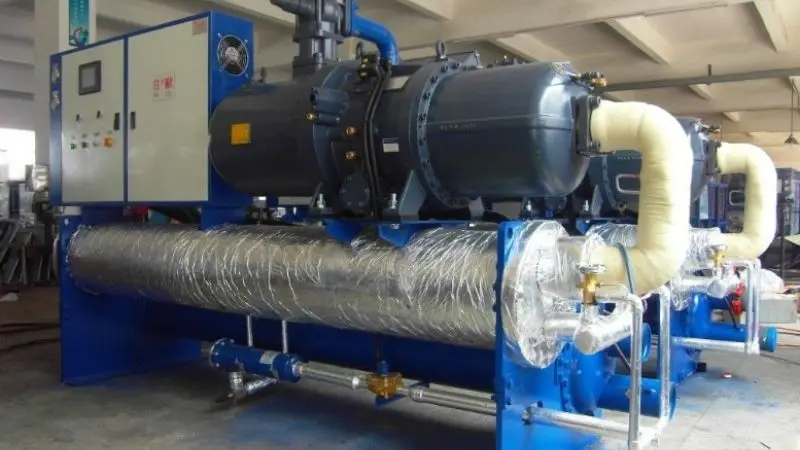
A hűtőberendezés kiválasztása az épület méretétől, a hűtési igényektől, az éghajlati környezettől, a hűtőberendezés telepítéséhez rendelkezésre álló helytől, valamint a költségvetéstől függ. A nagy kereskedelmi és ipari üzemek általában vízhűtéses rendszereket használnak, mivel ezek rendkívül hatékonyak a nagy hűtési igényű helyeken.
Kisebb építményekben vagy korlátozott vízellátású helyeken léghűtéses hűtők használhatók. Kevesebb berendezést igényelnek, és könnyebben telepíthetők a vízhűtéses rendszerekhez képest.
A hűtőberendezésben a levegő hűtésének elvének ismerete segít megállapítani, hogy a léghűtéses rendszer alkalmas-e az Ön alkalmazására. Vegye figyelembe az energiafogyasztást, a karbantartási és üzemeltetési költségeket, és hozza meg a döntést.
Rendszeresen tisztítsa a kondenzátor tekercseket
A kondenzátortekercsek kulcsfontosságúak a hűtőközeg hőjének a környező levegőbe történő átadásában. Ahogy a tekercsek felhalmozzák a port, a szennyeződést és a törmeléket, ez csökkenti a rajtuk átáramló levegő mennyiségét és a hőátadó képességüket. Ez megterheli a rendszert, és növelheti az energiafogyasztást.
A kondenzátortekercsek rendszeres tisztítása egy módszer a megfelelő légáramlás biztosítására és a hűtési hatékonyság növelésére. A tisztítási ütemtervet a rendszer telepítési környezete határozza meg, bár a poros vagy szennyezett helyeken telepített rendszereknél gyakrabban szükséges lehet a tisztítás.
A tiszta tekercsek a léghűtéses kondenzátor működését is támogatják, mivel a ventilátorok képesek a hő eltávolítására. Az időszakos ellenőrzések segíthetnek a felhalmozódás korai felismerésében, és elkerülhetik a teljesítmény csökkenését vagy az indokolatlan rendszerterhelést.
Ellenőrizze a hűtőközeg szintjét és szivárgásait
A hűtőközeg nagyon fontos a hűtési folyamatban, mivel elnyeli és átadja a hőt a hűtőrendszerben. Az alacsony hűtőközegszint vagy szivárgás csökkentheti a hűtőkapacitást, több energiát fogyaszthat, és a kompresszor normálisnál erőteljesebb működéséhez vezethet.
A hűtőközeg szintjének rendszeres ellenőrzése fontos a rendszer megfelelő hűtésének biztosítása érdekében. Szivárgás esetén szakembert kell hívni a rendszer ellenőrzésére, a forrás megtalálására és a szükséges javítások elvégzésére.
A hűtőközeg megfelelő kezelése is szükséges a hűtési ciklus fenntartása érdekében, és ismerni kell Hogyan működik egy léghűtéses hűtőberendezésAz időszakos ellenőrzések megelőzik a súlyos problémákat, és biztosítják a hűtőberendezés hatékony működését élettartama alatt.
Ventilátorok és elektromos alkatrészek ellenőrzése
A ventilátorok és az elektromos alkatrészek fontosak a léghűtéses hűtőberendezés zökkenőmentes működésének biztosításához. A ventilátorok keringetik a levegőt a kondenzátor tekercseiben, a motorok, a vezetékek és a vezérlőrendszerek pedig biztosítják az egység biztonságos és hatékony működését.
A ventilátormotorokat, az elektromos csatlakozásokat, a vezérlőpaneleket és a rendszerbeállításokat rendszeresen ellenőrizni kell. A laza vezetékek, a törött alkatrészek vagy a hibás vezérlők ronthatják a teljesítményt és váratlan leállásokat okozhatnak.
A megelőző ellenőrzéseket a kisebb problémák észlelésére is használják, mielőtt azok súlyosabbá válnának. A megfelelően karbantartott alkatrészek növelik a rendszer megbízhatóságát, csökkentik a karbantartási költségeket, és szükség esetén megbízhatóan működnek.
Wrap Up
Léghűtéses hűtőberendezések az egyik leghatékonyabb és legkényelmesebb hűtőrendszer, amely különböző kereskedelmi és ipari felhasználásokban alkalmazható. A léghűtéses hűtőberendezés és a rendszert alkotó alkatrészek ismeretével könnyen karbantarthatja és szabályozhatja a rendszer teljesítményét. A hűtőkör magában foglalja az elpárologtatót, a kompresszort, a kondenzátort és az expanziós szelepet, és ezek mind a folyamat kritikus alkotóelemei. A berendezés rendszeres tisztítása, ellenőrzése és karbantartása néhány tényező, amely a berendezés hatékonyságához és tartósságához vezet. Bár bizonyos esetekben a vízhűtéses hűtőberendezések hatékonyabbak lehetnek, a léghűtéses rendszer könnyebben telepíthető és könnyebben üzemeltethető. A hűtési igények, a költségvetés és az üzemeltetési környezet határozza meg a megfelelő hűtőberendezést.
GYIK
Mi az a léghűtéses hűtőberendezés?
A léghűtéses folyadékhűtő egy olyan hűtőrendszer, amely hűtőközeg segítségével hűti le a vizet, és kondenzátortekercseken és ventilátorokon keresztül hőt ad le a levegőnek.
Hogyan működik egy léghűtéses hűtőberendezés?
A vizet egy léghűtéses hűtőberendezésen keresztül hűtik, amely elnyeli a hőt, összenyomja a hűtőközeget, kondenzátortekercsekkel leveszi a hőt, és csökkenti a hűtőközeg nyomását, megismételve a hűtési folyamatot.
Mi a léghűtéses kondenzátor mechanizmusa?
A hőt egy léghűtéses kondenzátor vonja ki a hűtőközegből, amelyben a levegő ventilátorokkal ellátott kondenzátortekercseken kering. A hűtőközeg lehűl és folyékony halmazállapotúvá alakul.
Mi a különbség a vízhűtéses és a léghűtéses hűtők között?
A léghűtéses hűtők a levegőre támaszkodnak a hő leadásához, míg a vízhűtéses hűtők vizet és hűtőtornyokat használnak. A vízhűtéses rendszerek gyakran hatékonyabbak és kevesebb karbantartást igényelnek.
Milyen gyakran kell használni egy léghűtéses hűtőt?
A léghűtéses hűtőberendezéseket rendszeresen ellenőrizni kell, és a kondenzátorok tekercseit szükség esetén permetezni kell. A karbantartás gyakorisága az üzemi körülményektől, a környezettől és a gyártó ajánlásaitól függően változik.